The Fluffiest Homemade Fairy Cake Recipe That Everyone Will Adore
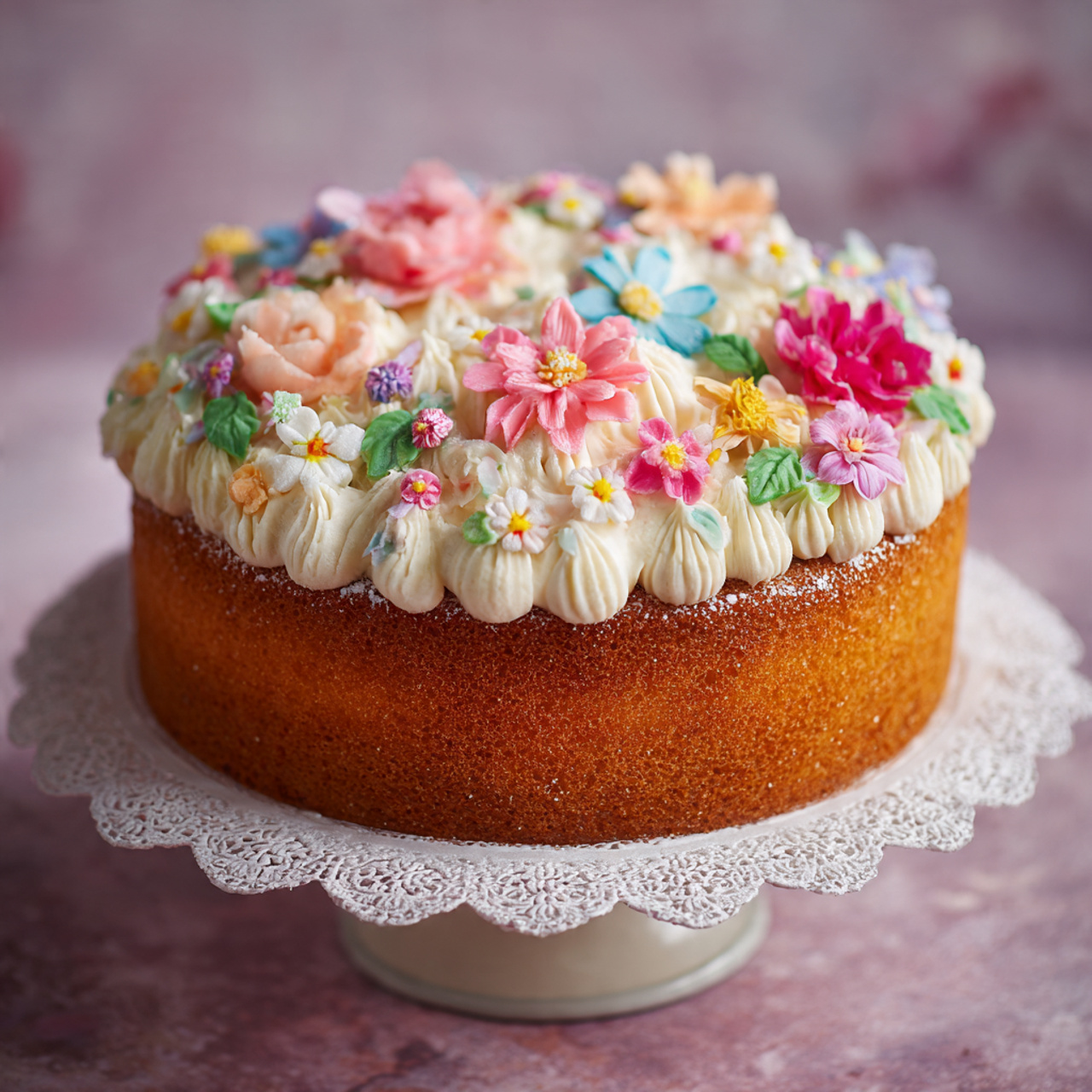
Most small sponge cakes come out of the oven dense, dry, or disappointingly flat — and it almost always comes down to cold butter and overmixed batter. This fairy cake recipe solves both problems with a few simple techniques that make all the difference, so every single batch turns out soft, domed, and light enough to earn its name.
Picture pulling a tray of golden little cakes out of the oven — their tops gently rounded, their crumb so fine and tender it practically melts the moment it touches your tongue. The vanilla-scented sponge is delicate but never dry, and the simple icing sets into a barely-there glaze that adds just a whisper of sweetness. There’s a faint warmth to the aroma that fills the whole kitchen, buttery and soft, the kind of smell that makes everyone wander in from the other room.
These easy fairy cakes are made for quiet weekday tea breaks, birthday parties where you need a crowd-pleasing treat in a hurry, and school bake sales where simple homemade fairy cakes always steal the table. They’re the kind of recipe that works just as beautifully for a cozy evening at home as they do for a celebration spread. Whether you’re baking for two or for twenty, the method stays the same — and it never lets you down.
Why You’ll Love This Recipe
They Have the Most Perfectly Airy Texture
These fairy cakes achieve that classic light-as-air sponge by creaming the butter and sugar until genuinely pale and fluffy, which traps air into the batter from the very start. The result is a crumb that’s soft and springy, never heavy, with a gentle bounce when you press the top.
They Come Together in Under 45 Minutes
From first mixing bowl to finished iced cakes, you’re looking at less than an hour of total time. There’s no chilling, no complicated technique, and no special equipment beyond a standard cupcake tray — making them the perfect last-minute bake when you need something homemade fast.
The Flavor Is Gently Sweet and Completely Crowd-Pleasing
These cakes hit that ideal balance — vanilla-forward, buttery, and just sweet enough without tipping into cloying. Even people who “don’t really like cake” tend to reach for a second one, which says everything.
They Work for Every Occasion
Birthday party spread, kids’ afternoon snack, festive table decoration, or a humble tea-time treat — these cakes adapt to whatever occasion you need them for. Dress them up with sprinkles and pastel icing, or keep them simple and snowy-white. Either way, they fit.
The Ingredients Are Pantry-Staple Simple
You won’t need to hunt down anything unusual. Flour, butter, sugar, eggs, milk, vanilla, and icing sugar — ingredients that most home bakers already have on hand, which makes this recipe a reliable go-to any day of the week.
Ingredients
For the Sponge Batter
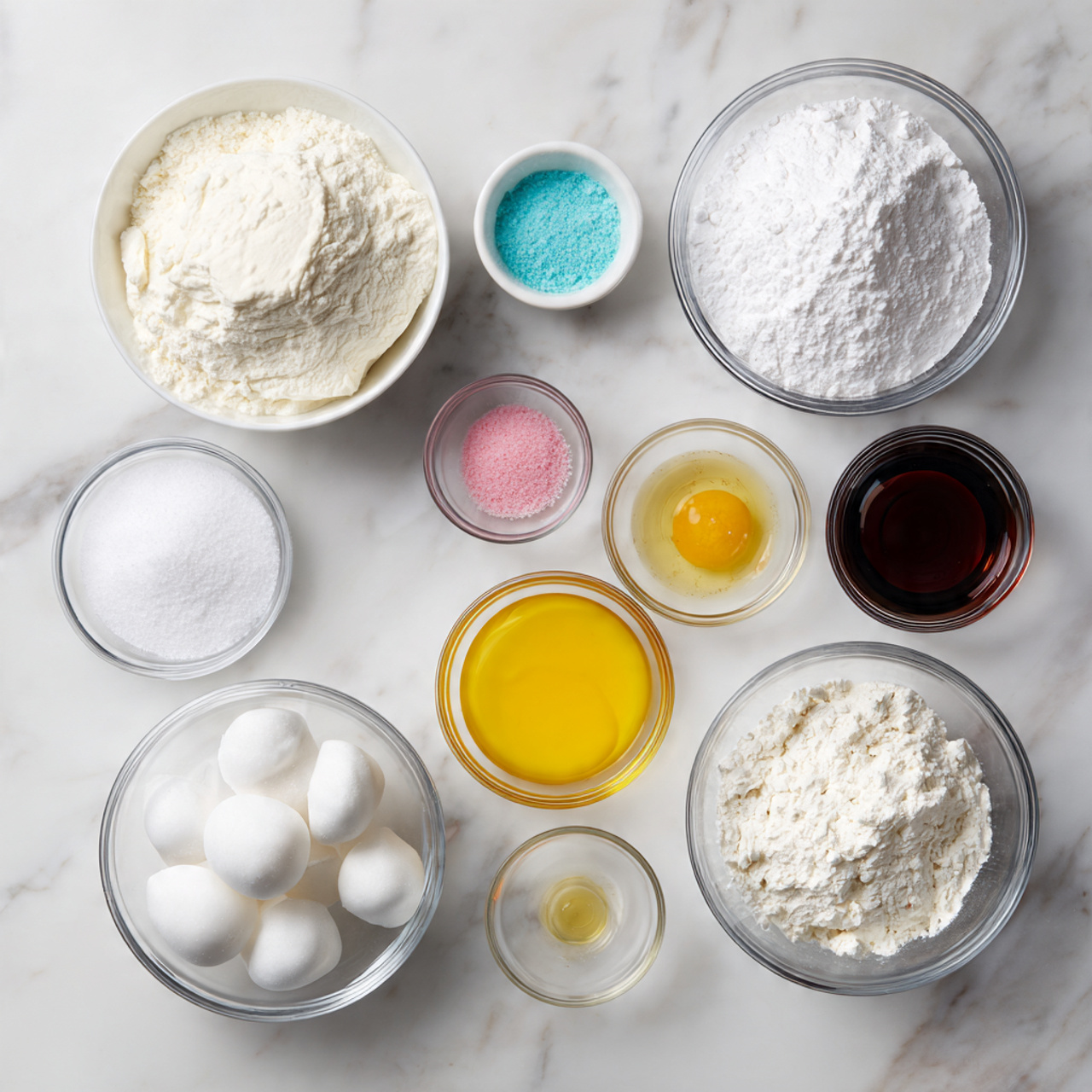
- 1 cup all-purpose flour
- ½ cup unsalted butter (softened to room temperature — this is non-negotiable for a fluffy crumb)
- ½ cup sugar
- 2 large eggs (room temperature)
- 1 teaspoon vanilla extract (pure, not imitation, for the cleanest flavor)
- 1½ teaspoons baking powder
- ¼ cup whole milk
For the Icing
- 1 cup powdered sugar, sifted
- 2–3 teaspoons water or milk (add gradually — a little goes a long way)
The buttery sponge and the simple glaze icing are designed to work together without either one overpowering the other — the icing provides a delicate sweetness and a slight sheen, while the soft vanilla sponge underneath does all the real flavor work.
How to Make Fairy Cakes — Step-by-Step
Step 1: Prep Your Oven and Tray
Preheat your oven to 180°C (350°F) and line a standard 12-cup cupcake tray with paper cases. Having everything ready before you start mixing means you can move quickly once the batter is done — and a quick transfer to the oven helps the baking powder do its job properly. Don’t worry if you only have a 6-cup tray; just bake in two rounds.
Step 2: Cream the Butter and Sugar
In a large mixing bowl, beat the softened butter and sugar together until the mixture is noticeably pale — almost white — and very fluffy. This usually takes about 3–4 minutes with an electric hand mixer, or a solid 5–6 minutes by hand. This is the most important step in the whole recipe: the more air you work in here, the lighter your fairy cakes will be. Don’t rush it.
Step 3: Add the Eggs and Vanilla
Crack in the eggs one at a time, mixing gently after each addition until fully incorporated. Stir in the vanilla extract. Don’t worry if the mixture looks slightly curdled at this point — it will smooth out completely once the flour goes in. If it does curdle badly, add a tablespoon of flour from your measured amount before continuing.
Step 4: Fold in the Flour and Milk
Sift in the flour and baking powder, then add the milk. Using a spatula or large spoon, fold everything together with gentle, sweeping strokes until just smooth — you should see no dry patches but the batter shouldn’t be overworked. It should look glossy and thick, dropping slowly from the spoon when you hold it up. Don’t worry if a few small lumps remain; they’ll bake out.
Step 5: Fill, Bake, and Cool
Spoon the batter evenly into the paper cases, filling each one roughly halfway. They’ll rise to a gentle dome as they bake. Place in the center of the preheated oven and bake for 15–18 minutes, until the tops are golden, springy to the touch, and a toothpick inserted into the center comes out clean. Transfer to a wire rack and let them cool completely before icing — at least 20 minutes. Warm cakes will melt the icing straight off.
Step 6: Ice and Finish
Sift the powdered sugar into a bowl and add the water or milk one teaspoon at a time, stirring between each addition, until you have a thick, smooth icing that holds its shape but still spreads easily. Spoon a small amount onto the top of each cooled cake and spread gently with the back of the spoon. Add sprinkles if you like, then leave to set for 10 minutes before serving.
Perfecting This Recipe
- Start with truly soft butter. It should leave a dent when you press it with your finger. If it’s even slightly cold, the batter won’t cream properly and the cakes will be denser than they should be.
- Sift your flour. It takes ten seconds and makes a real difference to the final crumb texture — fewer lumps, lighter bake.
- Fold, don’t beat. Once the flour goes in, switch from an electric mixer to a spatula. Overmixing at this stage develops gluten and turns a delicate fairy cake into something more like a dense muffin.
- Fill cups only halfway. It’s tempting to add more batter, but these cakes rise as they bake — overfilling leads to overflow and uneven domes.
- Don’t open the oven early. Check at the 15-minute mark, but avoid opening the door before then. A sudden drop in temperature can cause the centers to sink.
- Cool fully before icing. Patience here pays off — icing a warm cake results in a runny, sticky mess rather than a neat, glossy finish.
Common Mistakes to Avoid
- Using cold butter — Cold butter can’t trap air during creaming, which means your batter goes in flat and your cakes come out dense. Set the butter out at least 30–45 minutes before you start.
- Adding too much liquid to the icing — Powdered sugar icing goes from thick to runny very quickly. Always add liquid a teaspoon at a time and stop as soon as the icing is smooth and spreadable.
- Overbaking by even a few minutes — Fairy cakes are small, which means they overbake fast. Start checking at 14 minutes and pull them out the moment the tops spring back when lightly pressed.
- Mixing the batter too vigorously after adding flour — This is the leading cause of tough, chewy fairy cakes. Once the flour is in, treat the batter gently.
- Icing before the cakes are fully cool — Even if they feel cool on the outside, the centers can still be warm. Give them a full 20 minutes on the wire rack before you ice.
Add Your Touch
- Stir the zest of one lemon or orange into the batter for a citrusy lift that works beautifully with the vanilla base.
- Add a drop of almond extract alongside the vanilla for a subtle, slightly nutty depth of flavor.
- Tint the icing with a drop of food coloring — pastel pink, lilac, or yellow makes these extra festive for birthday parties or spring bakes.
- Top with rainbow sprinkles, edible glitter, or a single glacé cherry for that classic British fairy cake look.
- Swap vanilla for rosewater (use half the amount — it’s potent) for a delicate floral version.
- Fill the cases with a small spoonful of jam beneath the batter for a hidden fruity surprise in every bite.
Visit Also: Basketball Cake
What to Serve With This
- A pot of Earl Grey or English Breakfast tea — the classic pairing, and for very good reason.
- A glass of cold milk for the kids, which balances the sweetness perfectly.
- Fresh strawberries or raspberries on the side for a simple afternoon spread that looks far more elegant than the effort it requires.
- A scoop of vanilla ice cream alongside for a warm-weather dessert version — slightly warmed fairy cakes with cold ice cream is quietly wonderful.
- A simple fruit platter at a birthday party, where these cakes can anchor the sweet table without competing with anything.
Storing and Serving
Fridge Store iced fairy cakes in an airtight container in the fridge for up to 3 days. Separate layers with a sheet of baking paper to protect the icing from sticking.
Freezer Freeze un-iced cakes only, wrapped individually in cling film and stored in a sealed freezer bag for up to 2 months. Thaw at room temperature for about an hour, then ice just before serving.
Reheating These cakes are best served at room temperature. If they’ve been refrigerated, allow them to sit out for 20–30 minutes before serving. You can warm them briefly in the microwave (8–10 seconds max), but do this before icing, not after.
Make-Ahead Tip Bake the sponges up to 24 hours in advance and store them uniced in an airtight container at room temperature. Mix and apply the icing on the day of serving for the best presentation and texture.
Servings This recipe makes 12 standard fairy cakes.
Nutrition (Approximate Per Serving)
- Calories: 195
- Total Fat: 8g
- Saturated Fat: 5g
- Carbohydrates: 29g
- Sugar: 21g
- Protein: 2g
- Sodium: 65mg
Nutritional values are approximate and may vary based on specific ingredients and brands used.
Chef’s Helpful Tips
- Room temperature really does matter here. Both the butter and the eggs should be at room temperature before you start — cold eggs added to creamed butter can cause the mixture to seize up and curdle.
- Sift the icing sugar for a smooth glaze. Unsifted powdered sugar often has small lumps that won’t dissolve, leaving the icing grainy rather than glossy.
- Use a small ice cream scoop to portion the batter. It’s faster, neater, and ensures every cup gets the same amount — which means even baking across the whole tray.
- Test doneness with a gentle press, not just color. The tops should spring back immediately when you press them lightly. If they leave an indent, give them another 2 minutes.
- If your cakes domed unevenly, it’s probably an oven hot spot. Rotate the tray halfway through baking next time, or invest in an oven thermometer to check your oven’s actual temperature.
Frequently Asked Questions
Q1. Can I make these fairy cakes ahead of time? Yes — bake the sponges the day before and store them in an airtight container at room temperature overnight. Make and apply the icing on the day you plan to serve them for the freshest finish.
Q2. Can I replace the eggs in this recipe? You can substitute each egg with 3 tablespoons of plain yogurt or half a mashed ripe banana. The texture will be slightly denser and the flavor will shift a little, but the cakes will still be soft and enjoyable.
Q3. Are these similar to cupcakes? They’re close relatives, but fairy cakes are traditionally smaller, lighter, and less sweet than American-style cupcakes — and topped with a thin glaze icing rather than a thick pile of frosting. Think of them as the more restrained, teatime-friendly cousin.
Q4. Are these suitable for a bake sale or party? Absolutely — they’re one of the best bake sale choices precisely because they’re small, easy to handle, and universally liked. Make them the day before and ice them on the morning of the event for the best result.
Q5. Can I freeze these fairy cakes? Yes, but freeze them without the icing. Wrap each cooled sponge individually in cling film, place in a sealed freezer bag, and freeze for up to 2 months. Thaw at room temperature and ice fresh when you’re ready to serve.
Conclusion
There’s something quietly joyful about a batch of freshly baked fairy cakes sitting on the kitchen counter, their icing just set, waiting for someone to reach for one. This fairy cake recipe has that rare quality of being genuinely simple without ever feeling ordinary — it’s the kind of bake that becomes a household staple not because it’s trendy, but because it’s just reliably, unfailingly good. Keep it classic or make it yours with a little citrus zest, a dot of color in the icing, or a hidden jam center — the base recipe holds up beautifully however you play with it.
Whenever you need something cheerful, something homemade, something that feels like a little treat without asking much of you in return — this is the one to come back to. Bake a batch, share them generously, and don’t be surprised if people start asking you to bring them to every gathering from here on out.
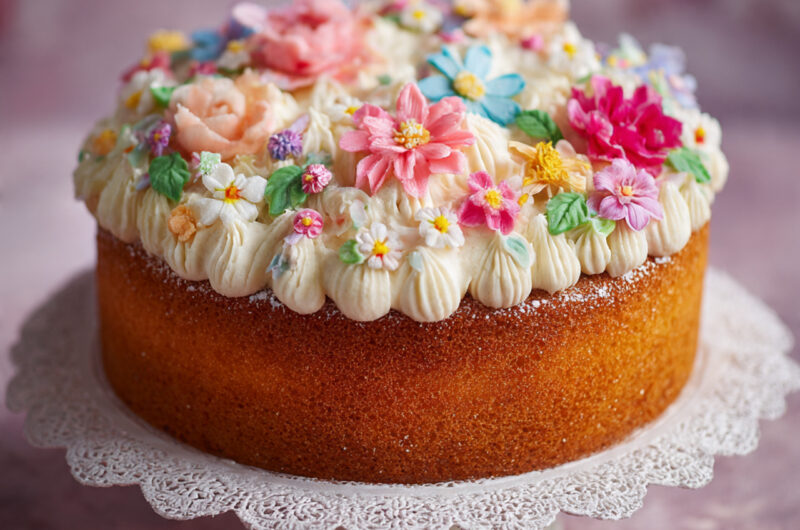
Fluffy Homemade Fairy Cakes with Sweet Icing
Course: Trending Cake4
servings15
minutes18
minutes195
kcal43
minutesLight, airy vanilla sponge cakes topped with a delicate glaze — ready in under 45 minutes and perfect for tea time, kids’ parties, or any time you want something sweet and homemade without the fuss.
Ingredients
For the Sponge Batter
1 cup all-purpose flour
½ cup unsalted butter, softened
½ cup sugar
2 large eggs
1 teaspoon vanilla extract
1½ teaspoons baking powder
¼ cup milk
For the Icing
1 cup powdered sugar, sifted
2–3 teaspoons water or milk
Directions
- Preheat oven to 180°C (350°F). Line a 12-cup cupcake tray with paper cases.
- Beat softened butter and sugar together until pale and fluffy, about 3–4 minutes.
- Add eggs one at a time, mixing after each. Stir in vanilla extract.
- Sift in flour and baking powder. Add milk and fold until just smooth — do not overmix.
- Spoon batter into cases, filling each halfway. Bake 15–18 minutes until golden and springy.
- Cool on a wire rack for at least 20 minutes.
- Mix sifted powdered sugar with water or milk one teaspoon at a time to form a thick icing. Spread over cooled cakes and leave to set.