The Soft, Buttery Gold Cake Made for Birthdays and Cozy Evenings
Most gold cakes come out of the oven dry, dense, or disappointingly pale — and it almost always traces back to one thing: butter and eggs that were too cold to fold together properly. This recipe fixes that, every single time, giving you a soft, tender crumb that stays moist for days.
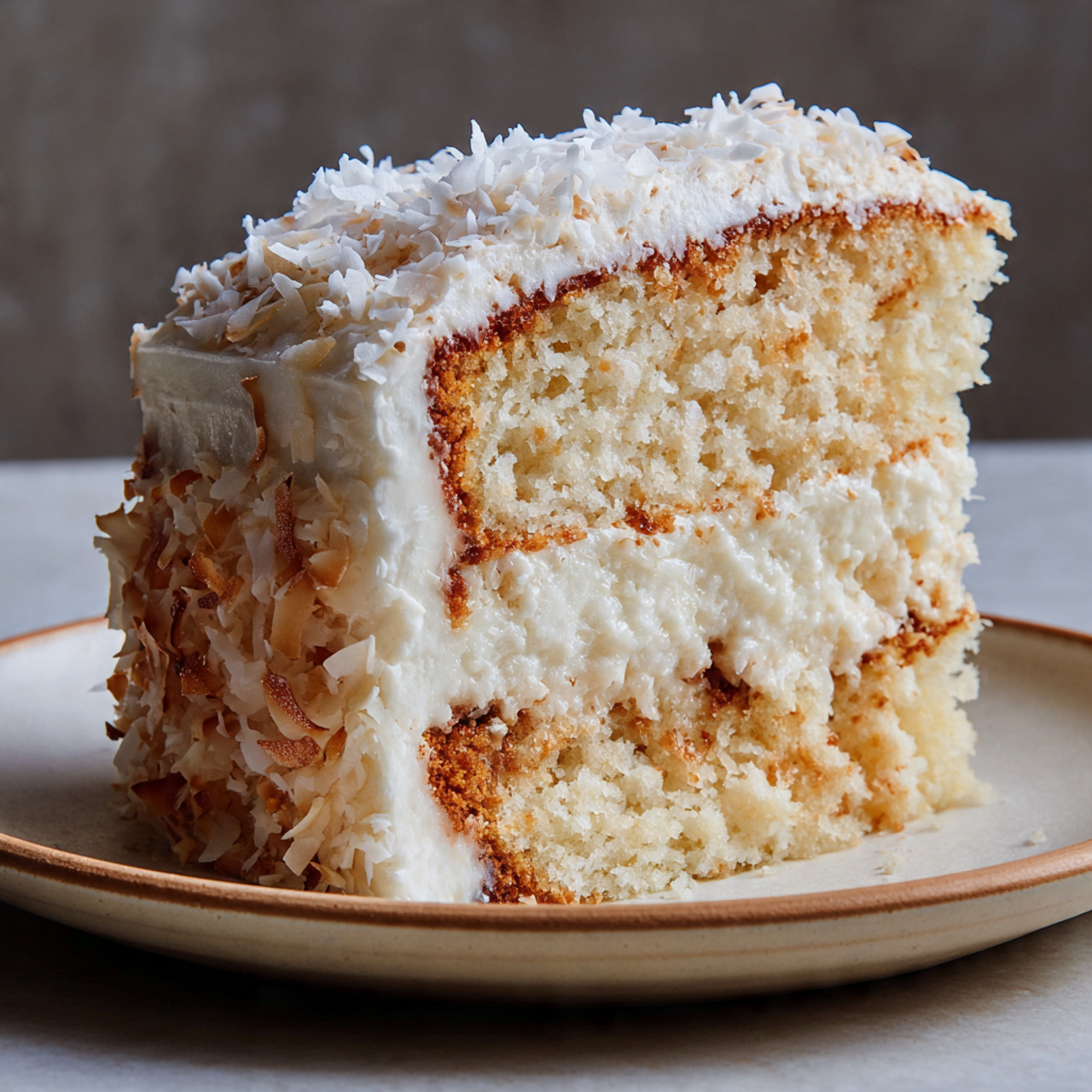
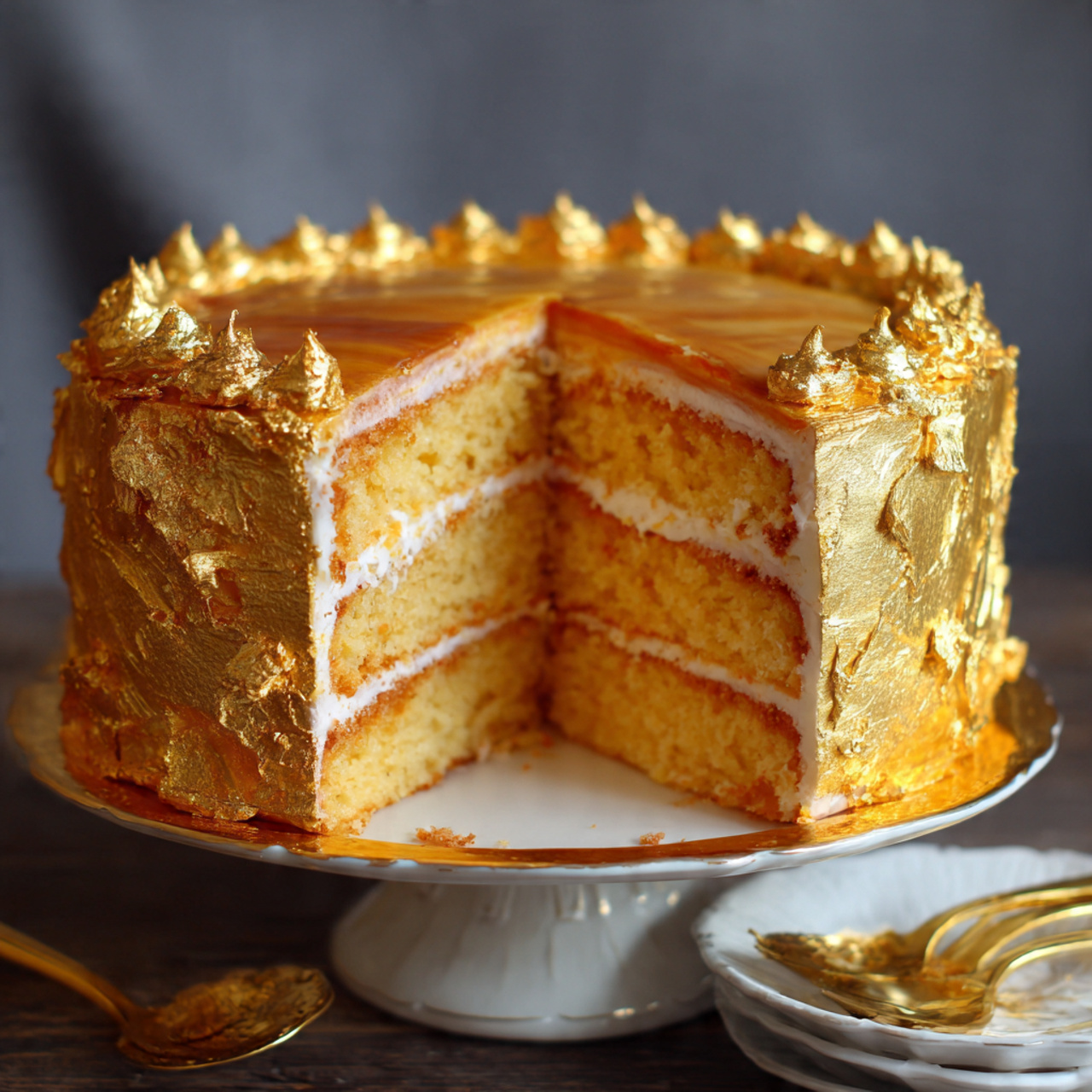
Picture a slice that pulls apart with the gentlest tug of a fork, its edges kissed a warm gold and its center so soft it nearly melts on your tongue. While it bakes, the kitchen fills with that unmistakable buttery, lightly sweet aroma — the kind that quietly pulls everyone toward the counter before the timer even rings. Each bite is rich without feeling heavy, just sweet enough to taste like a real treat but never cloying.
This is the cake I reach for when I want something that feels a little elegant but bakes like an easy homemade cake — perfect for birthday tables, slow tea-time afternoons, or a quiet dessert after a long weeknight. It keeps beautifully too, so the leftovers are just as soft the next day. Whether it’s your first cake or your fiftieth, this one’s going to earn a permanent spot in your rotation.
Why You’ll Love This Recipe
A Gentle, Balanced Sweetness
This cake leans soft and buttery rather than sugary, so the vanilla and golden crumb get to shine. It tastes like comfort without overwhelming your palate, which is exactly why it works for everyone from kids to grandparents.
A Wonderfully Tender Crumb
The real magic is the texture — light, plush, and moist all the way through. Creaming the butter properly and folding the flour gently gives you that melt-in-your-mouth bite people always ask about.
Genuinely Easy to Pull Off
No fancy equipment, no hard-to-find ingredients, no fussy techniques. If you have a bowl, a pan, and a few pantry basics, you’re already most of the way there.
Made for Sharing
It slices cleanly, travels well, and looks lovely on a tray, which makes it a quiet hero at potlucks, brunches, and family dinners. It’s the kind of cake that disappears fast and gets you asked for the recipe.
Classic Flavor, Easy to Dress Up
On its own it’s a timeless buttery cake, but it takes beautifully to a dusting of powdered sugar, a swipe of frosting, or a spoon of fresh cream. One base recipe, endless ways to make it feel new.
Ingredients
For the Cake Batter
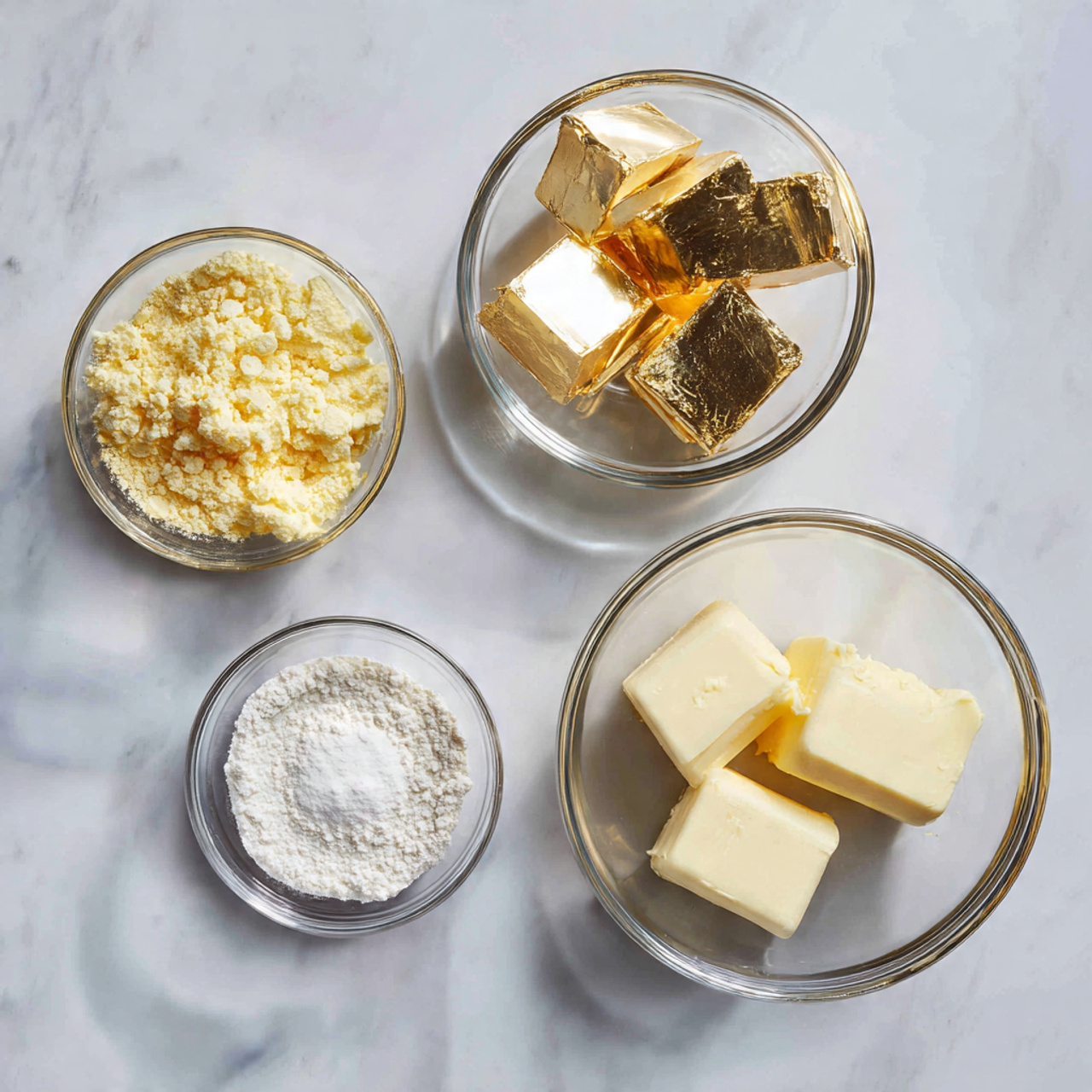
- 2 cups all-purpose flour (spooned and leveled, not packed)
- 1 cup unsalted butter, softened (good-quality, soft but not melted)
- 1 cup sugar (granulated white)
- 4 eggs (large, at room temperature)
- 1 cup milk (whole milk gives the richest crumb)
- 2 teaspoons baking powder (fresh, for a reliable rise)
- 1 teaspoon vanilla extract (pure, not imitation)
- ¼ teaspoon salt
The butter and sugar build the soft, rich foundation, while the eggs and milk keep everything moist and tender. The flour and baking powder give the cake just enough structure to rise into that signature golden crumb without ever turning heavy.
How to Make Gold Cake — Step-by-Step
Step 1: Prep the Pan and Oven
Grease a medium baking pan and dust it lightly with flour so the cake releases cleanly later. Preheat your oven to 180°C and set all your ingredients out to come to room temperature. Don’t worry if this feels like a slow start — room-temperature butter and eggs are the single biggest reason this cake turns out soft instead of dense.
Step 2: Cream the Butter and Sugar
Beat the softened butter and sugar together until the mixture turns pale, light, and fluffy. This usually takes a few minutes, and you’ll know it’s ready when it looks almost like whipped frosting. That airy texture is what gives the finished cake its lift.
Step 3: Add the Eggs and Vanilla
Add the eggs one at a time, mixing gently after each before adding the next. Stir in the vanilla once they’re combined. The batter should look smooth and creamy — don’t worry if it seems slightly soft or loose at this stage, that’s exactly right.
Step 4: Fold in the Dry Ingredients with the Milk
In a separate bowl, whisk together the flour, baking powder, and salt. Add this to the butter mixture in a few additions, alternating with the milk, and fold gently until just combined. Stop as soon as you no longer see streaks of flour — overmixing here is what turns a tender cake tough.
Step 5: Bake Until Golden
Pour the batter into your prepared pan and smooth the top. Bake for about 30 to 35 minutes, until the top is golden and a toothpick inserted in the center comes out clean. Your kitchen will smell warm and buttery right about the time it’s ready.
Step 6: Cool Before Slicing
Let the cake rest in the pan for about 10 minutes, then turn it out to finish cooling. Resting matters — slicing too soon lets the warm crumb tear and dry out, while a short cool sets the structure so every slice holds together beautifully.
Perfecting This Recipe
- Cream the butter and sugar longer than you think you need to — pale and fluffy is the goal, and it’s the foundation of a soft crumb.
- Add the eggs one at a time so the batter stays emulsified and smooth instead of splitting.
- Fold the flour in gently and stop the moment it disappears; overmixing develops gluten and makes the cake dense.
- Alternate the flour and milk in stages rather than dumping everything in at once, which keeps the batter even and lump-free.
- Use the middle rack and resist opening the oven door early, since temperature drops can sink the center.
- Let it rest before slicing so the crumb firms up and stays moist instead of crumbling.
Common Mistakes to Avoid
- Using cold butter — Cold butter won’t cream properly, leaving you with a dense, uneven cake. Soften it at room temperature first, but don’t let it melt.
- Overmixing the batter — Beating the flour in too hard builds gluten and toughens the crumb. Fold gently and stop as soon as it’s combined.
- Mis-measuring the flour — Scooping straight from the bag packs in too much and dries the cake out. Spoon the flour into the cup and level it off.
- Overbaking — Even a few extra minutes can turn a tender cake dry. Start checking at the 30-minute mark with a toothpick.
- Slicing while hot — Cutting too early tears the soft crumb and lets moisture escape. Give it that 10-minute rest first.
Add Your Touch
- Spread a thin layer of sweetened cream cheese frosting between two cake layers for a softly tangy, slightly richer celebration version.
- Brighten the flavor with a little lemon or orange zest folded into the batter.
- Add a pinch of cinnamon or a splash of almond extract for a warm, cozy twist.
- Swap the milk for almond milk or another plant-based option — the cake stays soft, with just a hint of a different flavor.
- Make it egg-free by replacing each egg with yogurt or a milk-and-vinegar mix; the crumb stays moist and holds together well.
Visit Also: Flourless Chocolate Cake
What to Serve With This
- A warm cup of tea or coffee for an easy afternoon treat.
- A spoon of lightly whipped fresh cream over each slice.
- Sliced strawberries or apples, whose gentle tartness balances the sweetness.
- A dusting of powdered sugar or a thin glaze for a small celebration.
- A scoop of vanilla ice cream when you want to turn it into a proper dessert.
Storing and Serving
Fridge Store the cake in an airtight container in the fridge for up to 4 days. Wrap individual slices to keep them soft, or keep it whole and slice as you go.
Freezer Wrap slices tightly and freeze for up to 2 months. For larger batches, separate the layers with parchment so they don’t stick together.
Reheating Warm a slice in the microwave for just a few seconds to bring back that fresh-baked softness. Thicker pieces need a touch more time, but avoid overheating or the crumb can dry out.
Make-Ahead Tip Bake the cake a day ahead and store it covered at room temperature or in the fridge, then add any frosting or glaze closer to serving time.
Servings This recipe makes about 8 generous slices.
Nutrition (Approximate Per Serving)
- Calories: 290
- Total Fat: 15g
- Saturated Fat: 9g
- Carbohydrates: 34g
- Sugar: 18g
- Protein: 5g
- Sodium: 180mg
Nutritional values are approximate and may vary based on specific ingredients and brands used.
Chef’s Helpful Tips
- Bring your butter, eggs, and milk to room temperature before you start — it’s the easiest way to guarantee a smooth batter and soft crumb.
- Pull the cake the moment a toothpick comes out clean; carryover heat finishes the job and overbaking is the fastest route to dryness.
- For clean slices, use a thin, sharp knife and wipe it between cuts.
- Quality butter and pure vanilla really do show up in the final flavor, since there’s so little else competing with them.
- If your cake turns out dense, it’s usually overmixing or too much flour — fold gently next time and measure by spooning and leveling.
Frequently Asked Questions
Q1. Can I make this Gold Cake ahead of time? Absolutely. Bake it a day before and keep it covered at room temperature or in the fridge, then decorate just before serving. It actually stays wonderfully moist, which makes it great for stress-free entertaining.
Q2. What does this cake taste like? Think of a classic buttery pound cake, but lighter and more tender. It’s gently sweet with a clear vanilla warmth, so it feels familiar and comforting from the very first bite.
Q3. Is this a good recipe for beginners? Yes, it’s one of the most forgiving cakes you can start with. The steps are simple, the ingredients are pantry basics, and as long as you don’t overmix, it comes out beautifully.
Q4. Will it work for a potluck or party? It’s perfect for both. It slices cleanly, travels well, and can be made a day ahead, which means one less thing to worry about on the day of the gathering.
Q5. Can I freeze it? You can. Wrap the slices tightly and freeze for up to 2 months, separating layers with parchment for larger batches. Thaw at room temperature and warm briefly to bring back that just-baked softness.
Conclusion
There’s a quiet kind of joy in having a cake you can bake again and again without second-guessing yourself, and this Gold Cake is exactly that. It’s soft, buttery, and endlessly adaptable — plain with tea on a slow afternoon, dressed up with frosting for a birthday, or sliced cold from the fridge when you just want something sweet. It fits quiet evenings and small celebrations with the same easy grace.
Once you’ve made it, I think you’ll understand why it keeps finding its way back into the rotation. Give it a try, share a slice with someone you love, and don’t be afraid to make it your own with a little zest, a swirl of cream, or whatever your kitchen is calling for. Keep this one saved — it’s the kind of recipe you’ll be grateful to reach for.ing on your mood. It works for quiet evenings and small celebrations alike. Once you try it, it becomes one of those recipes you come back to when you want something reliable and comforting. Keep it saved, adjust it to your taste, and enjoy every soft, golden slice.
Soft Buttery Gold Cake
Course: Cake4
servings15
minutes35
minutes290
kcal1
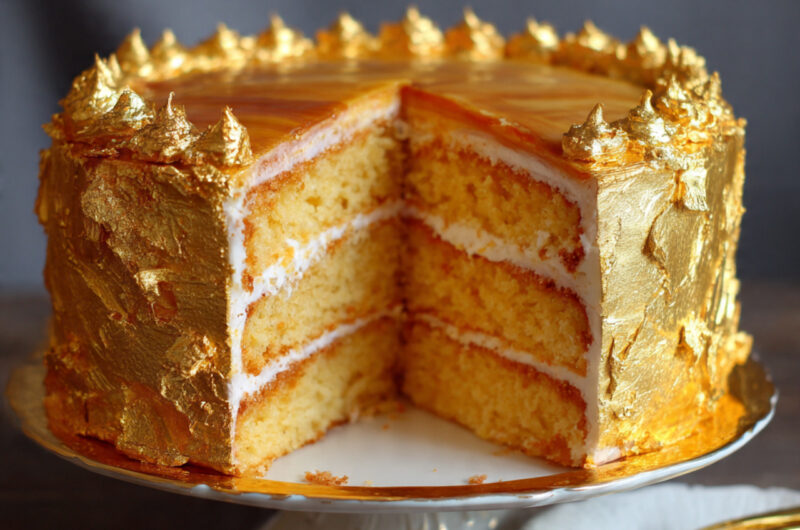
hourA tender, golden butter cake that’s gently sweet, melt-in-your-mouth soft, and just elegant enough for birthdays, tea time, or a cozy family dessert.
Ingredients
For the Cake Batter:
2 cups all-purpose flour
1 cup unsalted butter, softened
1 cup sugar
4 eggs
1 cup milk
2 teaspoons baking powder
1 teaspoon vanilla extract
¼ teaspoon salt
Directions
- Grease and flour a medium baking pan. Preheat the oven to 180°C and bring all ingredients to room temperature.
- Cream the butter and sugar until pale and fluffy.
- Beat in the eggs one at a time, then stir in the vanilla.
- Whisk the flour, baking powder, and salt together. Fold into the batter in stages, alternating with the milk, until just combined.
- Pour into the pan and bake 30–35 minutes, until golden and a toothpick comes out clean.
- Rest in the pan 10 minutes, then turn out to cool before slicing.