The Fluffiest Homemade Lemon Cake That Brightens Any Occasion
Lemon cake can easily turn out dry, dense, or disappointingly flat — and it almost always comes down to one thing most recipes either skip or underuse: the zest. Lemon juice alone is mostly water, and a good portion of its brightness evaporates in the oven. The zest is where the real flavor lives, packed with fragrant citrus oils that hold up beautifully through baking. This recipe uses both — generously — so every slice tastes like actual lemon, not just a memory of it.
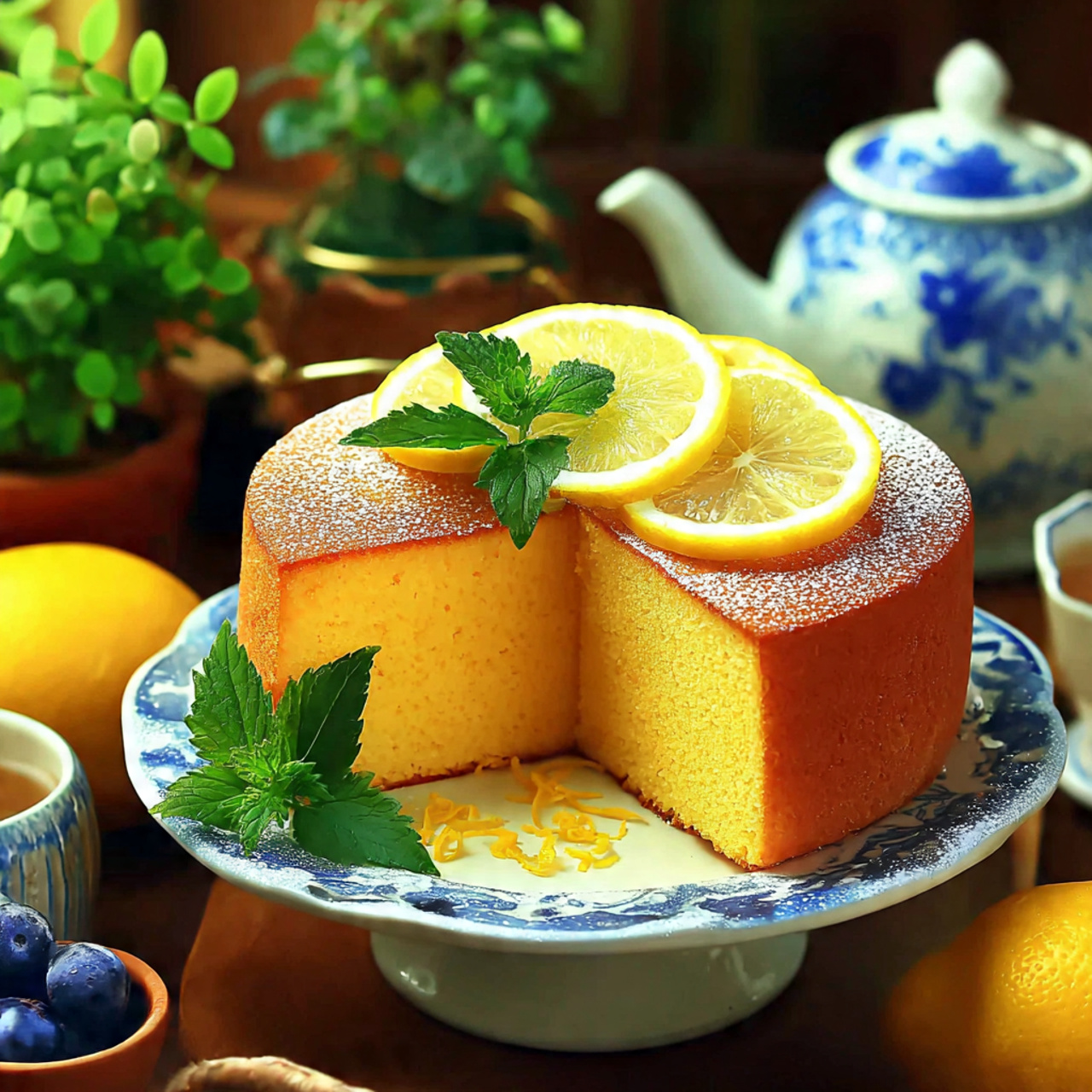
The moment this cake comes out of the oven, your kitchen fills with that clean, warm citrus scent that makes everyone wander in from the next room. The crumb is fine and pillowy, pulling apart in soft, tender layers that feel rich without being heavy. There’s a gentle sweetness that steps back and lets the lemon do its thing — bright and fresh up front, with a warm vanilla warmth lingering underneath. Every bite feels like a small burst of afternoon sunshine.
This easy lemon cake fits naturally into weeknight life as a simple, satisfying family dessert, but it holds its own just as well at a casual Sunday brunch or an impromptu gathering with friends. It’s one of those crowd-pleasing homemade lemon desserts that looks far more impressive than the effort it actually takes — which is exactly what makes it so valuable to keep in your baking rotation. Whether you’re baking for two or feeding a tableful of guests, this one’s going to earn a permanent spot on your list.
Why You’ll Love This Recipe
It Tastes Like Real Lemon
Most lemon cakes lean too heavily on juice, which fades during baking and leaves a muted, slightly acidic flavor that doesn’t quite satisfy. This recipe uses both fresh lemon juice and a full tablespoon of zest, and that combination makes the difference between a cake that hints at citrus and one that genuinely delivers it. The zest carries aromatic oils that bloom in the oven and stay present all the way through the crumb.
The Texture Is Soft and Tender Every Time
The butter-based batter creates a fine, close crumb that stays moist and pillowy — whether you slice it fresh from the oven or pull it from the fridge the next morning. There’s no dryness creeping in after a few hours, no gummy patches, just a consistently soft texture that slices cleanly and feels satisfying from the first bite to the last.
It Comes Together in About Ten Minutes
No stand mixer required, no complicated steps, no resting or chilling time before baking. You measure, you mix, you pour — and then the oven does the work while you do something else. The whole active prep takes about ten minutes, which makes this a genuine weeknight bake rather than a weekend commitment.
It Works for Every Occasion
This cake is quiet and unfussy enough for a Tuesday evening dessert and pretty enough to bring to a casual gathering or afternoon tea. It doesn’t need frosting or decoration to earn its place on the table, though it takes beautifully to a dusting of powdered sugar or a simple drizzle of glaze if you want to dress it up.
It’s Incredibly Easy to Customize and Scale
The recipe is written for four servings, but it scales up or down without any difficulty — halve it for two, double it for a crowd. It also welcomes additions like blueberries, poppy seeds, a citrus swap, or a quick lemon glaze, all without disrupting the base recipe that makes it work so reliably.
Ingredients
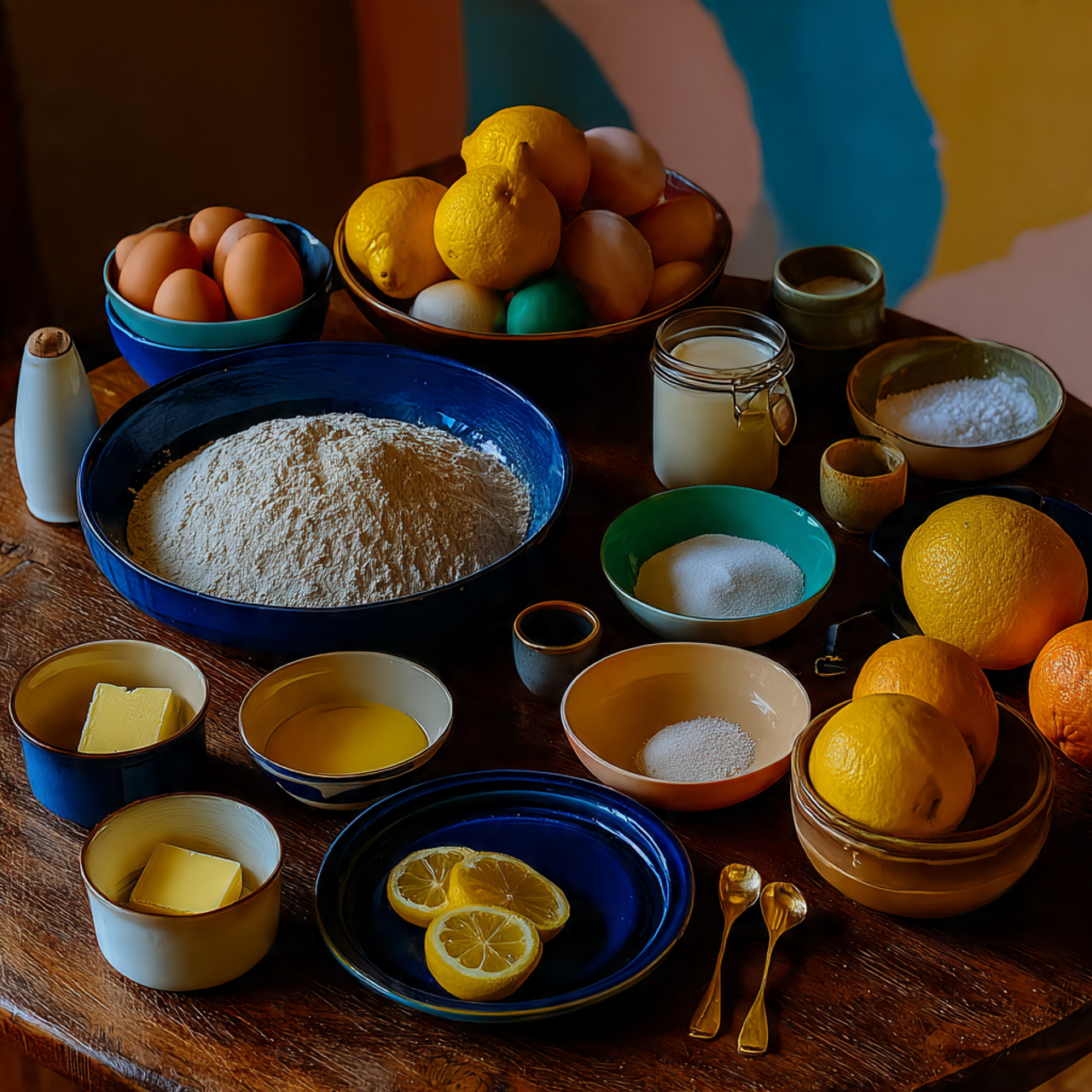
For the Batter
- 1 cup all-purpose flour
- ½ cup granulated sugar
- ½ cup unsalted butter, softened (room temperature is essential — cold butter won’t cream smoothly)
- 2 large eggs
- 2 tablespoons fresh lemon juice (freshly squeezed only — bottled lacks the brightness you need)
- 1 tablespoon lemon zest (don’t be tempted to skip this; it’s where the real citrus flavor lives)
- ½ teaspoon baking powder
- ¼ teaspoon baking soda
- ¼ teaspoon salt
- ¼ cup milk (whole or 2% keeps the crumb tender and moist)
- ½ teaspoon vanilla extract (pure vanilla, not imitation, for the cleanest flavor)
The butter and sugar form the airy, tender foundation of this cake, while the lemon juice and zest build the layered citrus flavor that makes it taste genuinely homemade. The baking powder and baking soda work together to give the crumb just enough lift — light and soft without feeling hollow.
How to Make Lemon Cake — Step-by-Step
Step 1: Prep Your Pan and Measure Everything Out
Preheat your oven to 350°F (175°C) and grease a small round or square cake pan with butter or a light coat of cooking spray. Before mixing anything, measure all your ingredients and set them out on the counter. This small step keeps the process calm and prevents you from scrambling mid-batter — and it stops the batter from sitting too long once it’s mixed.
Step 2: Cream the Butter and Sugar Until Fluffy
Beat the softened butter and sugar together in a large bowl until the mixture looks pale, noticeably lighter in color, and genuinely fluffy — about 2 to 3 minutes with a hand mixer, or a bit longer by hand. Don’t worry if the butter seems stiff at first; it loosens quickly once you start working it. This step creates the structure that keeps the crumb tender and light, so give it the full time it needs.
Step 3: Add the Eggs and Citrus Ingredients
Add the eggs one at a time, mixing gently after each until fully incorporated. Then stir in the lemon juice, lemon zest, milk, and vanilla extract until combined. Don’t worry if the batter looks a little lumpy or slightly curdled at this point — that’s completely normal, and it will smooth out once the dry ingredients come in.
Step 4: Fold In the Dry Ingredients
In a separate bowl, whisk together the flour, baking powder, baking soda, and salt. Add the dry mixture to the wet batter and fold gently using a spatula, making slow, easy strokes from the bottom of the bowl upward. Stop the moment the flour disappears into the batter — a few small streaks are fine, but overworking the mixture from this point forward is the single most common reason lemon cake turns out dense and chewy instead of soft and pillowy.
Step 5: Bake and Check for Doneness
Pour the batter into the prepared pan and smooth the top gently with your spatula. Bake for 25 to 30 minutes, until the top is lightly golden and a toothpick inserted in the center comes out clean or with just a dry crumb or two. The edges will begin to pull away from the sides of the pan, and the kitchen will smell warmly of butter and citrus. Let the cake cool in the pan for at least 10 minutes before slicing — cutting it hot causes the crumb to crumble.
Perfecting This Recipe
- Bring butter and eggs to room temperature at least 30 minutes before you start. This single habit makes the batter smoother, the crumb more even, and the lift more reliable.
- Always zest before you juice. It’s nearly impossible to zest a squeezed lemon. Get all the zest first, then cut and juice.
- Once the flour goes in, put down the mixer and pick up a spatula. Gentle folding motions — not stirring — keep the gluten from overdeveloping, which is what keeps the crumb soft.
- Measure flour by spooning it into the measuring cup and leveling it off, not by scooping directly from the bag. Scooping packs in extra flour and quietly makes the cake denser than it should be.
- Start checking at the 23-minute mark rather than waiting for the full 30 minutes. Oven temperatures vary, and a slightly underbaked cake will finish as it rests. An overbaked one won’t recover.
- Don’t skip the 10-minute rest in the pan. This lets the crumb firm up properly and makes for clean, intact slices instead of crumbly edges.
Common Mistakes to Avoid
- Using cold butter: Cold butter won’t incorporate air during creaming, which means the cake never develops the light, fluffy structure it needs. The result is a flat, dense crumb that no amount of baking time can fix. Your butter should leave a soft indent when pressed.
- Skipping the lemon zest: Lemon juice alone produces a mild, watery citrus note that often bakes away entirely. The zest contains concentrated flavor oils that hold up through heat and give the cake its genuine, bright lemon character. Both are non-negotiable.
- Overmixing after adding flour: Once gluten forms from overmixing, the batter tightens and the baked cake turns tough and rubbery instead of soft. Fold gently, stop early, and trust that the batter doesn’t need to look perfectly smooth.
- Opening the oven door before 20 minutes: The rapid temperature drop can cause the center to sink before it has time to set. Resist the urge to peek until you’re close to the lower end of the baking window.
- Slicing the cake while it’s still warm: Hot cake crumbles at the knife. Giving it that 10-minute rest in the pan — and ideally a few more minutes on a cooling rack — makes the difference between messy chunks and clean, beautiful slices.
Add Your Touch
- Fold a small handful of fresh blueberries or raspberries into the batter just before pouring it into the pan — they add gentle sweetness, color, and little bursts of fruit throughout.
- Swap the lemon juice and zest for orange juice and zest for a softer, slightly sweeter citrus variation that still uses the same recipe and method.
- Whisk together powdered sugar and a teaspoon of fresh lemon juice, then drizzle it over the cooled cake for a simple, glossy glaze that adds a bright, tangy note.
- Stir a tablespoon of poppy seeds into the dry ingredients for a classic lemon-poppy combination with a subtle, pleasant crunch.
- Add a pinch of ground cardamom or ginger to the dry ingredients — both pair beautifully with lemon and add a warm, unexpected depth without competing with the citrus.
- Top cooled slices with a spoonful of lightly whipped cream and a thin slice of fresh lemon for a presentation that looks like it took much more effort than it did.
Visit Also: Hello Kitty Cake
What to Serve With This
- A pot of Earl Grey or chamomile tea is a natural companion — the floral, aromatic notes in both teas play gently alongside the citrus.
- Fresh strawberries or raspberries on the side add color and a lighter, fruit-forward counterpoint that makes the whole plate feel summery and bright.
- A small scoop of vanilla ice cream melting over a just-slightly-warm slice turns this into a full dessert moment without much effort.
- Lightly whipped cream with a touch of vanilla adds softness and quiet richness that balances the brightness of the lemon without overpowering it.
- A simple drizzle of honey over the top brings a rustic, floral sweetness that feels both easy and intentional.
Storing and Serving
Fridge Once completely cool, wrap the cake tightly or transfer it to an airtight container and refrigerate for up to three days. The lemon flavor actually deepens slightly overnight as it settles into the crumb, making day-two slices arguably the best ones.
Freezer Wrap individual slices tightly in plastic wrap and place them in a freezer-safe bag or container. The cake keeps well in the freezer for up to two months. Always freeze after the cake has fully cooled — freezing it warm traps moisture and affects the texture.
Reheating Warm individual slices in the microwave for 10 to 15 seconds. This is especially satisfying if you’re serving them alongside ice cream, as the gentle warmth makes the contrast feel like a proper dessert.
Make-Ahead Tip Bake the cake up to a day in advance and store it covered at room temperature. For longer storage, refrigerate and bring it back to room temperature for about 20 minutes before serving so the crumb has a chance to soften back up.
Servings This recipe yields 4 servings as written. Double the ingredients and bake in a standard 8×8-inch or 9-inch round pan for 8 to 10 servings.
Nutrition (Approximate Per Serving)
- Calories: 290
- Total Fat: 14g
- Saturated Fat: 8g
- Carbohydrates: 38g
- Sugar: 22g
- Protein: 5g
- Sodium: 180mg
Nutritional values are approximate and may vary based on specific ingredients and brands used.
Chef’s Helpful Tips
- Room temperature butter and eggs aren’t optional — they’re structural. Cold butter won’t cream into the batter smoothly, and cold eggs can cause the mixture to break. Pull them from the fridge 30 minutes ahead.
- Use a light-colored cake pan if you have one. Dark pans absorb more radiant heat, which can overbrown the bottom and edges before the center has time to set properly.
- For the cleanest slices, run a sharp knife under hot water, wipe it dry, and cut. The warmth glides through the crumb without dragging or tearing.
- Fresh lemon makes a real difference at every stage of this recipe. Bottled juice is more acidic, less aromatic, and sometimes carries a faintly metallic edge. For a 45-minute bake, the extra step of squeezing fresh lemon is absolutely worth it.
- If your cake comes out flatter than expected, it’s often because the baking powder has lost its potency. Test it by dropping a teaspoon into hot water — if it bubbles actively, it’s still working. If it barely reacts, replace it before baking.
Frequently Asked Questions
Q1. Can I make this Lemon Cake ahead of time? Yes — this is a great recipe to make the night before or earlier the same day. Bake, cool completely, and store covered at room temperature or in the fridge. If refrigerating, let it sit at room temperature for about 20 minutes before serving so the crumb softens back up and the flavor comes through fully.
Q2. My cake turned out dense — what went wrong? Overmixing after adding the flour is the most common cause. Too much mixing develops the gluten and tightens the crumb, giving you a heavy, almost rubbery texture. Using cold butter is another culprit — always make sure it’s genuinely softened before you start creaming. Fold gently and stop early, and the crumb will be noticeably softer next time.
Q3. Can I replace the butter with oil? Yes, a neutral oil like vegetable or sunflower oil works as a substitute in roughly the same quantity. The cake will be slightly moister and softer in texture, but it won’t have quite the same richness that butter contributes. It’s a perfectly solid swap if that’s what you have.
Q4. Is this a beginner-friendly recipe? Very much so. No special equipment, no unusual ingredients, and no tricky techniques. The most important thing to get right is not to overmix the batter once the flour goes in — and even that becomes second nature after the first try. If you can cream butter and fold a batter, you can make this cake.
Q5. Can I freeze this cake? Yes, it freezes well for up to two months. Wrap individual slices tightly in plastic wrap and store them in a freezer-safe bag. Thaw overnight in the refrigerator and let the slices come to room temperature before serving — this brings the texture and flavor back almost exactly to freshly baked.
Conclusion
There’s a reason a recipe like this one gets made over and over — it fits into real life without asking much, and it always shows up. This Lemon Cake is the kind of bake that works for a quiet Tuesday evening, a last-minute guest, or a dessert you want to bring somewhere and have people ask about afterward. The bright citrus flavor, the consistently soft crumb, and the straightforward method come together in a way that feels far more considered than 45 minutes of effort usually produces.
Give it a try, and don’t be afraid to make it your own. Add berries, drizzle on a glaze, or keep it simple with a dusting of powdered sugar. However you serve it, share it — this is the kind of cake that’s made for passing around a table, and the reactions it earns are always worth the small amount of effort it takes.

Soft Homemade Lemon Cake
Course: Uncategorized4
servings10
minutes25
minutes290
kcal45
minutesA tender, citrus-forward cake with a fine, pillowy crumb and genuine lemon flavor in every bite. Perfect for casual weeknight desserts, afternoon tea, or any time you want something bright and homemade on the table in under an hour.
Ingredients
For the Batter:
1 cup all-purpose flour
½ cup granulated sugar
½ cup unsalted butter, softened
2 large eggs
2 tablespoons fresh lemon juice
1 tablespoon lemon zest
½ teaspoon baking powder
¼ teaspoon baking soda
¼ teaspoon salt
¼ cup milk
½ teaspoon vanilla extract
Directions
- Preheat oven to 350°F (175°C). Grease a small cake pan.
- Beat softened butter and sugar until pale and fluffy, about 2–3 minutes.
- Add eggs one at a time, mixing after each. Stir in lemon juice, lemon zest, milk, and vanilla.
- In a separate bowl, whisk flour, baking powder, baking soda, and salt.
- Fold dry ingredients into wet batter until just combined. Do not overmix.
- Pour into prepared pan and smooth the top.
- Bake 25–30 minutes until lightly golden and a toothpick comes out clean.
- Cool in pan for 10 minutes before slicing.