Velvety Homemade Hollandaise Sauce That Makes Every Brunch Feel Like a Special Occasion
The first time I made Hollandaise Sauce from scratch, I was standing in my mother’s kitchen in a panic — eggs benedict was already plated, the Canadian bacon was going cold, and I had three minutes to pull something together. What came off that stove was silky, buttery, and so good we forgot to sit down before eating it.
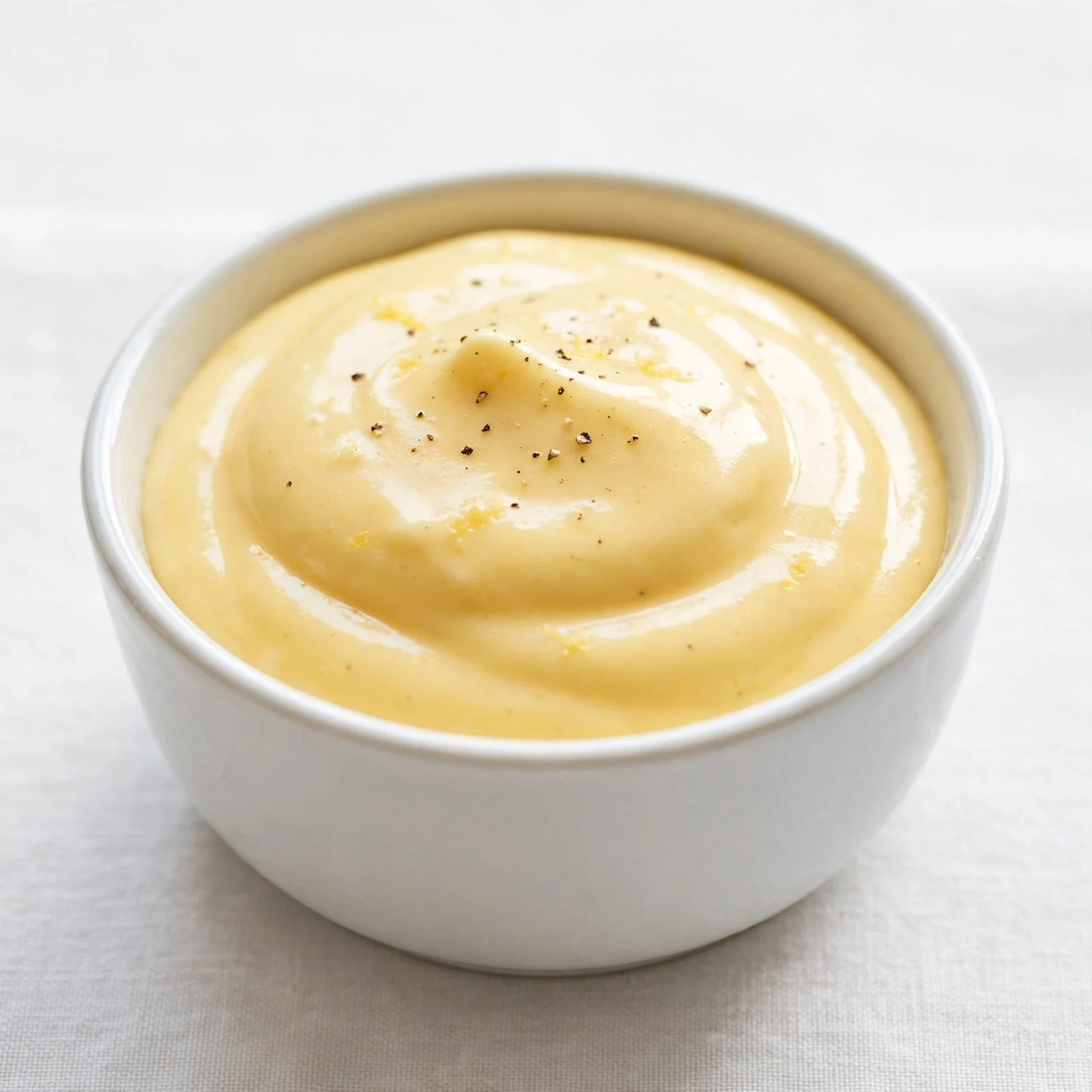
That glossy pale-yellow pour is something else entirely. It clings to a poached egg with a slow, lazy drape, and the moment you break through, it mingles with the yolk in a way that’s almost indecently rich. There’s a faint warmth from the lemon, a whisper of heat from the cayenne, and an unctuousness from the butter that coats your palate in the best possible way.
This recipe fits just as naturally into a lazy Sunday brunch as it does at a holiday breakfast table. Whether you’re piling it over a classic eggs benedict or drizzling it onto roasted asparagus for a dinner party, this homemade hollandaise sauce earns its place in your regular rotation. The blender hollandaise method makes it more approachable than you’d ever expect, and once you’ve made it yourself, the jarred version simply won’t do.
Why You’ll Love This Recipe
It Tastes Like Restaurant Quality — at Home
This hollandaise sauce delivers that luxurious, five-star flavor without any culinary school training. The balance of rich butter, bright lemon, and savory egg yolk is precise and deeply satisfying.
The Texture Is Impossibly Silky
When it’s made right, this sauce has zero graininess, zero lumps. It pours like liquid velvet and holds its consistency beautifully for serving, which is everything when you’re plating brunch for a crowd.
Remarkably Quick to Prepare
From cold butter to finished sauce, you’re looking at about 10 minutes. The blender hollandaise method does most of the heavy lifting, so even beginners can nail it on the first try.
Incredibly Versatile
Eggs benedict is the obvious destination, but don’t stop there. This sauce is equally incredible over steamed broccoli, pan-seared salmon, or a crispy hash brown stack on Christmas morning.
Elevated Classic With a Foolproof Twist
Traditional double-boiler hollandaise is beautiful — but the blender version produces nearly identical results with a fraction of the stress. Same flavor, same texture, dramatically more confidence.
Ingredients
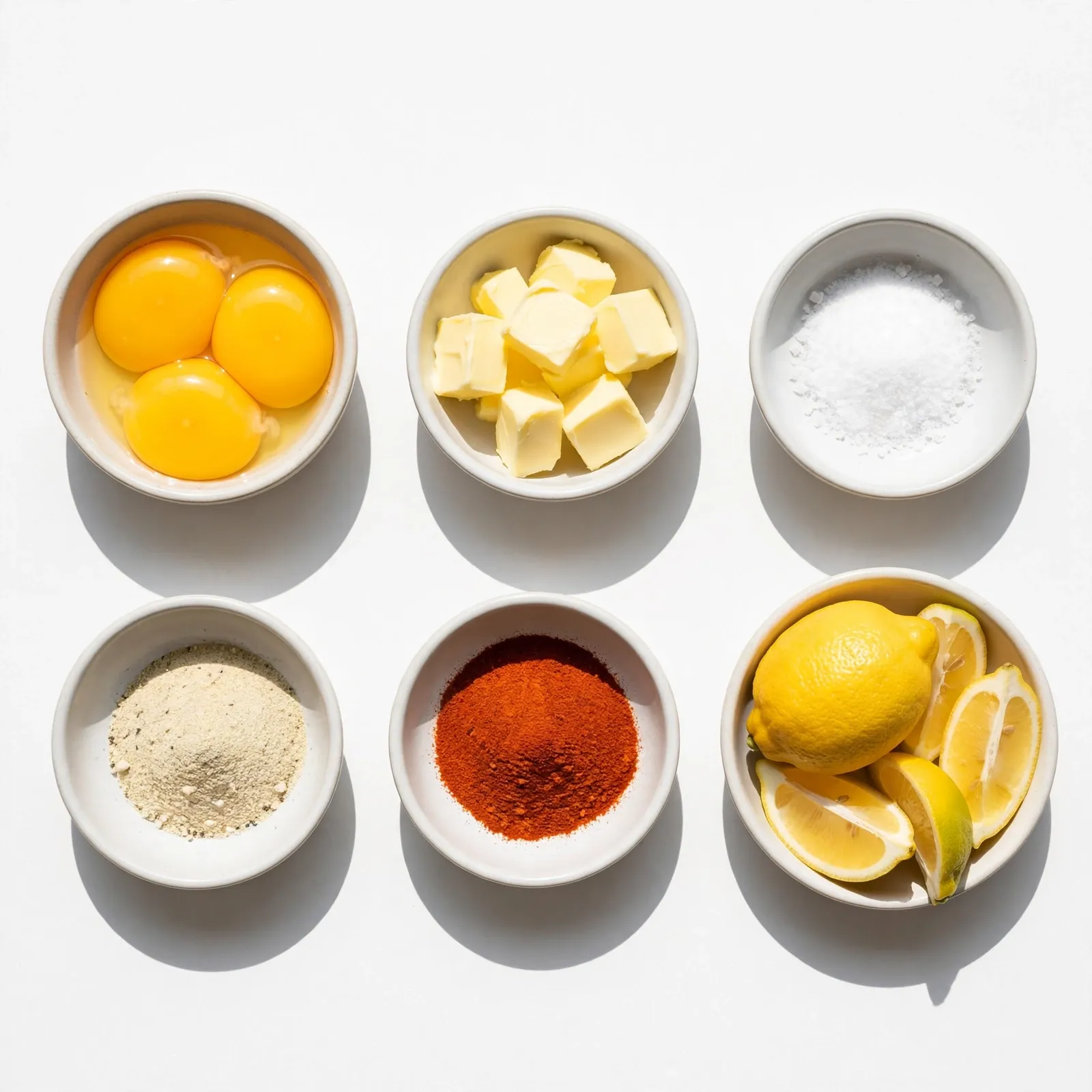
For the Emulsion Base
- 3 large egg yolks (room temperature)
- 1 tablespoon cold water
- 1 tablespoon fresh lemon juice (about half a lemon; adjust to taste)
- ½ teaspoon Dijon mustard (adds depth and helps emulsification)
- Pinch of cayenne pepper
- Salt to taste
For the Butter
- ¾ cup (1½ sticks / 170g) unsalted butter (high-quality European-style butter is worth it here)
Optional Finishing Touches
- Extra lemon juice, to taste
- White pepper, for a milder heat than black pepper
- Fresh chives or tarragon, finely chopped for garnish
The egg yolks and lemon provide brightness and structure, while the hot melted butter is what transforms this mixture into a glossy, emulsified brunch sauce. The Dijon ties everything together quietly in the background — you won’t taste it outright, but you’ll notice if it’s missing.
How to Make Hollandaise Sauce — Step-by-Step
Step 1: Melt the Butter Until Clarified and Hot
Add the butter to a small saucepan over medium-low heat. Let it melt slowly, then increase to medium until it begins to bubble and the milk solids start to separate. You want it very hot — nearly sizzling — but not browned. This heat is what cooks the egg yolks safely through the blending process. Don’t worry if a little foam forms on top; just skim it off or pour past it.
Step 2: Blend the Egg Yolk Base
Add the egg yolks, cold water, lemon juice, Dijon mustard, cayenne, and a pinch of salt to a blender. Blend on high for about 20–30 seconds until the mixture turns pale and slightly thickened. You’ll notice it lightens in color — that’s exactly what you want. The yolks are building structure and getting ready to receive the butter.
Step 3: Stream in the Hot Butter — Slowly
With the blender running on low, remove the center cap from the lid and begin pouring the hot butter in an extremely slow, thin, steady stream. This is the critical moment. The heat activates the yolks, and the gradual addition allows a stable emulsion to form. Don’t rush this — you have about 45–60 seconds of pouring ahead of you. Don’t worry if the first pour seems thin; it will thicken as the butter incorporates.
Step 4: Taste and Adjust
Once all the butter is incorporated, taste the hollandaise sauce and adjust as needed. A little more lemon juice brightens it. More salt deepens it. A touch more cayenne adds warmth. Blend briefly after each addition. The sauce should taste rich, tangy, and balanced — never overwhelmingly buttery or sour.
Step 5: Keep Warm and Serve Immediately
Pour the finished sauce into a warm bowl or small pitcher. To keep it warm while you finish plating, set the bowl over a pot of hot (not simmering) water, or transfer to a vacuum flask. It should hold for about 30–45 minutes. When it’s time to serve, give it a gentle stir — it should still pour smoothly and look glossy and beautiful.
Perfecting This Recipe
- Use room temperature egg yolks — cold yolks blend less smoothly and can resist emulsification
- The butter must be very hot when it hits the blender — this is what safely heats the yolks to the right temperature
- Pour butter as slowly as you can manage; rushing is the number one cause of a broken sauce
- A high-powered blender produces a silkier result than an immersion blender, though both work
- If the sauce thickens too much as it sits, whisk in a teaspoon of warm water, one at a time
- Do not use salted butter — it makes seasoning control unpredictable
- Fresh lemon juice always, never bottled; the brightness is noticeably different
Common Mistakes to Avoid
- Adding butter too fast — This is the top reason hollandaise breaks. The emulsion needs time to form. Slow your pour down to a thin thread and you’ll be fine every time.
- Using cold butter — Cold butter won’t create the heat needed to gently cook the yolks, and it can also shock the emulsion and cause it to separate.
- Overheating the sauce — If you’re keeping it warm over water, make sure the water is hot but not simmering. Too much heat scrambles the yolks and ruins the texture.
- Skipping the Dijon — It seems minor, but Dijon acts as an emulsifier as well as a flavor enhancer. Leave it out and you lose both structure and depth.
- Making it too far in advance — Hollandaise sauce is best served fresh. It doesn’t refrigerate and reheat well, and the texture suffers significantly after an hour.
Add Your Touch
- Stir in a tablespoon of finely chopped fresh tarragon for a classic sauce béarnaise spin
- Add a teaspoon of smoked paprika for a bolder, smokier brunch sauce
- Swap lemon for blood orange juice in winter for a gorgeous color and sweeter citrus note
- Fold in a teaspoon of white truffle oil for an indulgent dinner-party version
- A few drops of hot sauce (Tabasco or Crystal) deepens the heat without adding visible color
- For a lighter version, try replacing half the butter with a good olive oil — it won’t be traditional, but it’ll still be delicious
Visit Also: Croissant Recipe
What to Serve With This
- Classic Eggs Benedict — The original pairing, and still the gold standard
- Steamed or roasted asparagus — The bitterness and crunch play beautifully against the sauce’s richness
- Pan-seared salmon — A buttery sauce over a buttery fish sounds like too much, but somehow it works perfectly
- Crispy smashed potatoes — An underrated move; the sauce turns them into something genuinely special
- Simple steamed broccoli or broccolini — Suddenly feels like a dish worth talking about
Storing and Serving
Fridge: Hollandaise sauce does not store well. If you must refrigerate leftovers, cover tightly and use within 24 hours. The texture will change significantly.
Freezer: Not recommended. The emulsion breaks upon freezing and thawing, and the sauce cannot be recovered.
Reheating: If reheating refrigerated sauce, do so very gently in a double boiler over warm (not simmering) water, whisking constantly. Add warm water by the teaspoon to loosen. Do not microwave.
Make-Ahead Tip: You can prep your ingredients (clarified butter, separated yolks, measured lemon juice) up to an hour in advance, but blend and emulsify right before serving for the best results.
Servings: This recipe makes approximately 4 generous servings, enough for 4 eggs benedict or a nice drizzle over vegetables for 4–6 people.
Nutrition (Approximate Per Serving)
- Calories: 320
- Total Fat: 34g
- Saturated Fat: 21g
- Carbohydrates: 1g
- Sugar: 0g
- Protein: 3g
- Sodium: 130mg
Nutritional values are approximate and may vary based on specific ingredients and brands used.
Chef’s Helpful Tips
- Room temperature egg yolks blend more evenly and emulsify more reliably — take them out of the fridge 20 minutes early
- If your sauce looks broken or grainy, add a teaspoon of warm water and blend again; it often pulls back together
- Warm your blender jar with hot water before starting — a cold jar can cool the butter too quickly and prevent proper emulsification
- Use a digital thermometer if you’re nervous: the finished sauce should be around 145–155°F (63–68°C) for food-safe yolks
- For clean pouring presentation, transfer finished sauce to a small pitcher — it gives you much better control when plating
Frequently Asked Questions
Q1. Can I make hollandaise sauce without a blender?
Absolutely. The classic method uses a double boiler — whisk yolks over barely simmering water until thickened, then stream in melted butter by hand. It takes more attention and arm strength, but it produces a wonderfully silky result. The blender just makes it more forgiving for beginners.
Q2. What does hollandaise sauce taste like?
Think of it as somewhere between a very rich, lemony butter sauce and a savory, creamy dressing. It’s deeply buttery with bright acidity from the lemon, a gentle savory note from the yolks, and a warm kick at the end from the cayenne. If you’ve had it on eggs benedict, that golden, tangy pour is exactly it.
Q3. Is this recipe beginner friendly?
Yes, especially with the blender method. The most important thing is to pour the butter slowly and keep everything at the right temperature. Read through the steps once before you start, set everything up within arm’s reach, and you’ll be fine. Most people nail it on their very first try.
Q4. Can I make hollandaise sauce ahead of time for a brunch party?
It’s best made right before serving, but you can prep all your components ahead and blend them just before guests sit down — it takes under 10 minutes. If you need to buy yourself a bit of time, the finished sauce holds for about 30–45 minutes in a warm bowl set over hot water.
Q5. Can this easy hollandaise recipe be frozen?
Unfortunately, no. Hollandaise sauce relies on a delicate fat-and-yolk emulsion that cannot survive freezing and thawing. It separates irreparably. Make only what you plan to use and enjoy it fresh — it’s really at its best that way.
Conclusion
There are recipes that become part of your story — and this hollandaise sauce is one of them. Once you’ve made it yourself and watched it come together into that impossibly smooth, buttery pour, you’ll understand why it’s been the cornerstone of elegant brunches for generations. It’s not complicated. It’s not fussy. It just requires a little patience and the willingness to slow down for ten minutes on a weekend morning.
Make it for someone you love. Drizzle it over a lazy Sunday spread, or bring it to a brunch table where people will ask where you learned to cook like this. Save this recipe, make it your own, and please — share it when you do. Food this good deserves company.
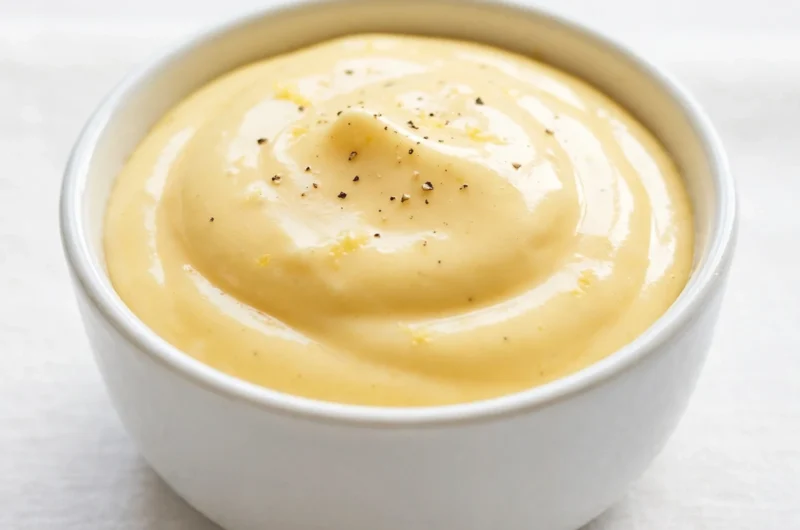
Classic Homemade Hollandaise Sauce
Course: Trending Recipes4
servings5
minutes5
minutes320
kcal12
minutesRich, silky, and ready in under 15 minutes, this blender hollandaise sauce is the easiest way to bring restaurant-quality brunch to your own table. Perfect for eggs benedict, asparagus, salmon, and beyond.
Ingredients
Emulsion Base:
3 large egg yolks, room temperature
1 tbsp cold water
1 tbsp fresh lemon juice
½ tsp Dijon mustard
Pinch of cayenne pepper
Salt to taste
Butter:
¾ cup (170g) unsalted butter
Optional Finishing:
Extra lemon juice, white pepper, fresh chives
Directions
- Melt butter in a small saucepan over medium heat until hot and bubbling but not browned.
- Add egg yolks, water, lemon juice, Dijon, cayenne, and salt to blender. Blend 20–30 seconds until pale and slightly thickened.
- With blender running on low, slowly stream in hot butter through the lid opening — take 45–60 seconds to add it all.
- Taste and adjust with more lemon, salt, or cayenne. Blend briefly to incorporate.
- Transfer to a warm bowl or pitcher. Serve immediately, or keep warm over hot water for up to 45 minutes.