The Softest Jellycat Cake That’s Almost Too Cute to Slice
Most decorated sponge cakes fall flat before you even reach the fun part — the crumb turns out dense, the texture is tight, and by the time the whipped cream hits it, the whole thing looks more sorry than sweet. That single culprit — overworked batter — is what quietly ruins nine out of ten home attempts at a cake this charming. This Jellycat Cake recipe fixes it with one small technique shift that makes every bit of difference.
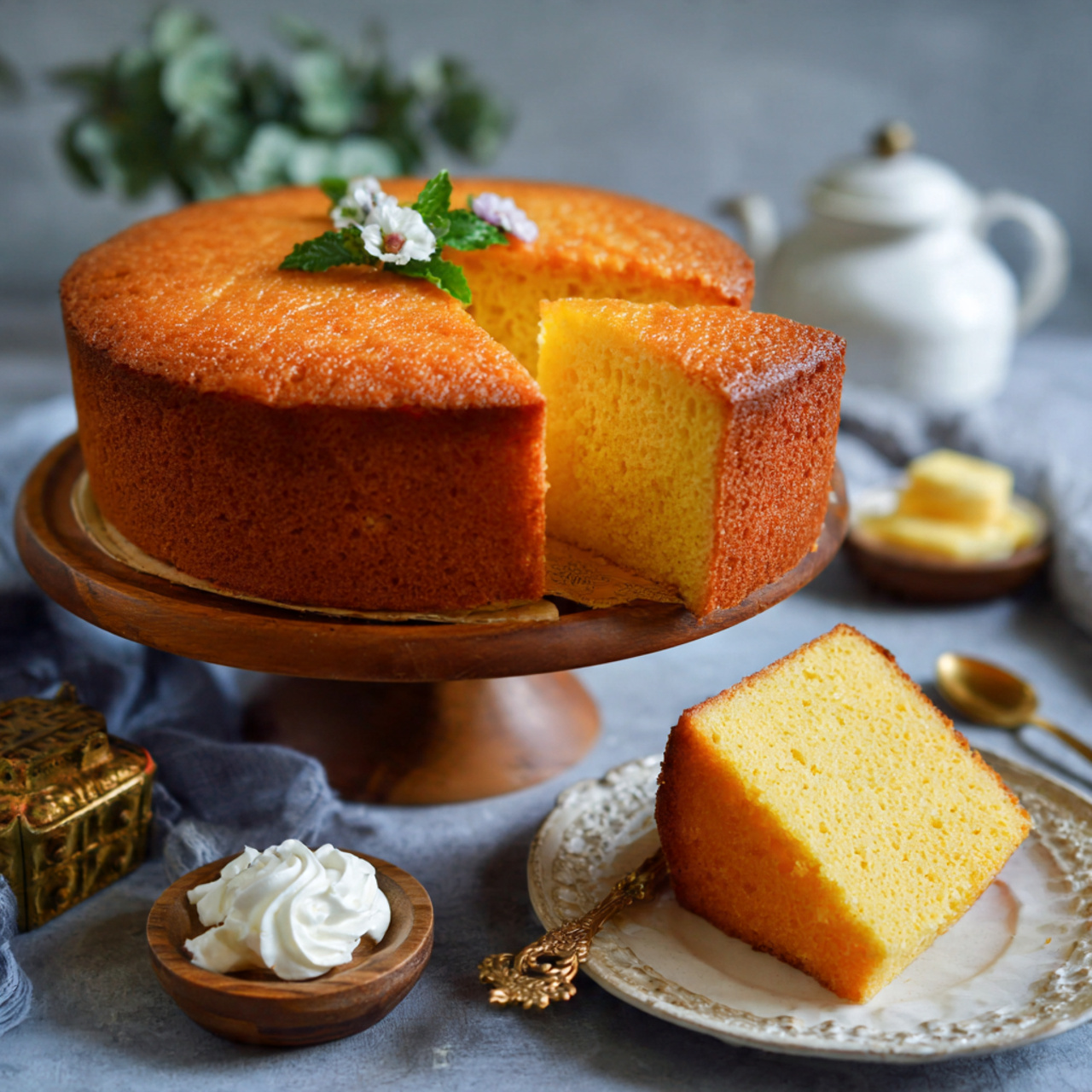
Picture lifting a slice and seeing that impossibly light crumb, pale and pillowy, almost bouncing back at the touch. The first bite melts clean — gentle vanilla warmth, a whisper of sweetness, and whipped cream so soft it barely resists the fork. It smells like a slow Sunday afternoon, like butter toasting gently along the edges of a warm oven. This is the cake you bake when you want every bite to feel like a small, unhurried celebration.
Whether you’re planning a low-key birthday, setting up a cozy weekend tea table, or just want a slice of something cheerful on a quiet Tuesday, this fluffy sponge cake delivers without fuss. It’s equally welcome at a child’s party as it is at a grown-up gathering with good company. With its soft pastel finish and forgiving decorating style, this easy decorated cake just needs a little time and a warm kitchen to come together beautifully.
Why You’ll Love This Recipe
It’s Lighter Than It Looks
The sponge has an almost cloud-like texture — not dense, not crumbly, but genuinely soft all the way through. That’s thanks to a gentle folding method that keeps as much air in the batter as possible, giving each slice that tender, melt-in-your-mouth quality you want from a cake like this.
The Decoration Is Beautifully Forgiving
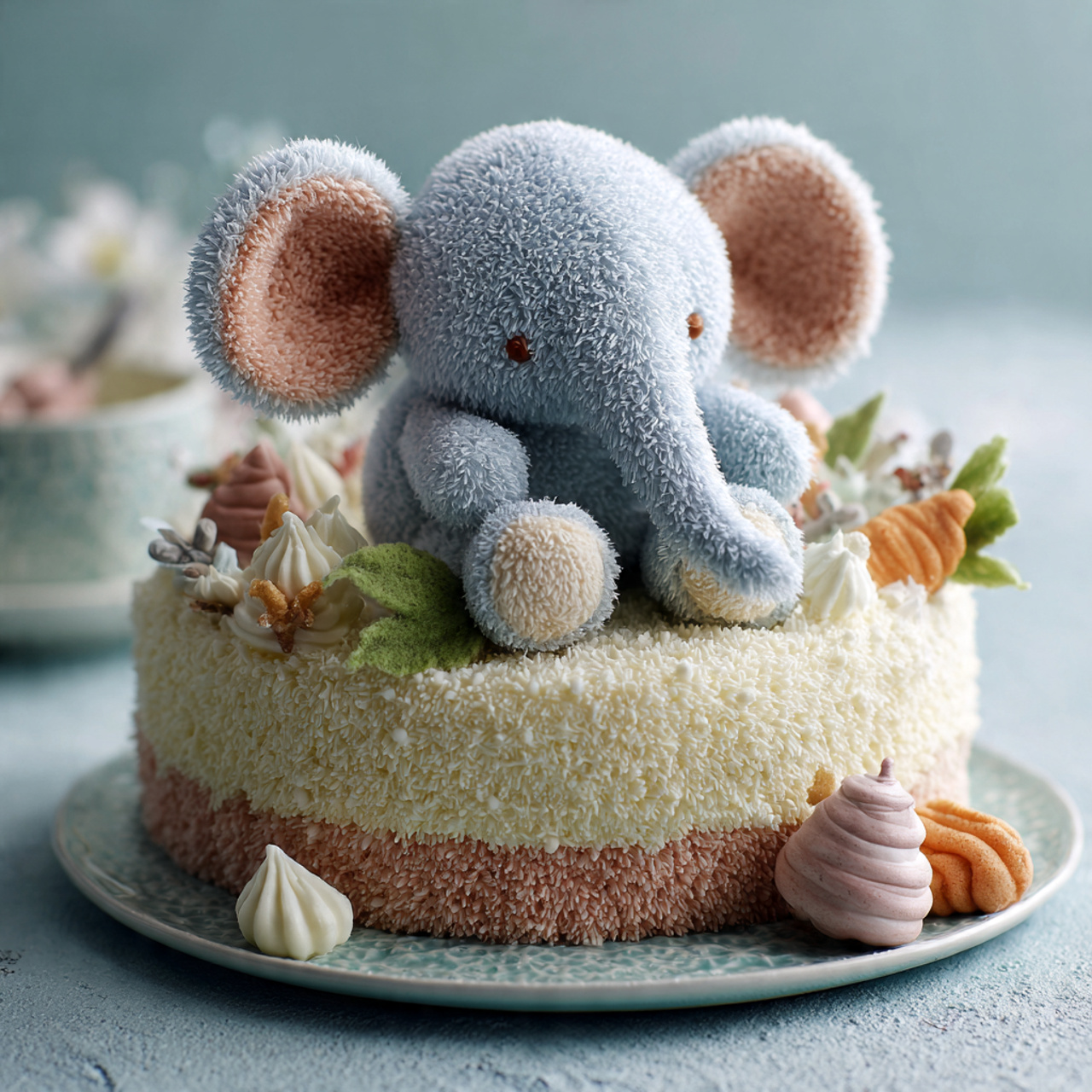
You don’t need a turntable, piping bags, or professional-level skills to make this look adorable. A simple whipped cream spread and soft pastel coloring is all it takes to get that cozy, cuddly Jellycat-inspired finish that looks completely intentional even when it isn’t.
It Uses Everyday Pantry Ingredients
No specialty flour, no hard-to-find extracts, no obscure add-ins. Everything you need — butter, eggs, milk, flour — is likely already sitting in your kitchen. That’s what makes this feel as approachable as baking gets.
It Scales Beautifully for Any Crowd
Baking for two? Halve the recipe. Hosting a bigger gathering? Double the batter without adjusting the method. This cute birthday cake adapts without drama, keeping the texture consistent no matter the size you’re working with.
It’s Made for Sharing and Saving
This cake stores well in the fridge and freezes beautifully as unfrosted layers. Make it ahead, frost it fresh on the day, and it still looks and tastes like it just came out of the oven.
Ingredients
For the Sponge
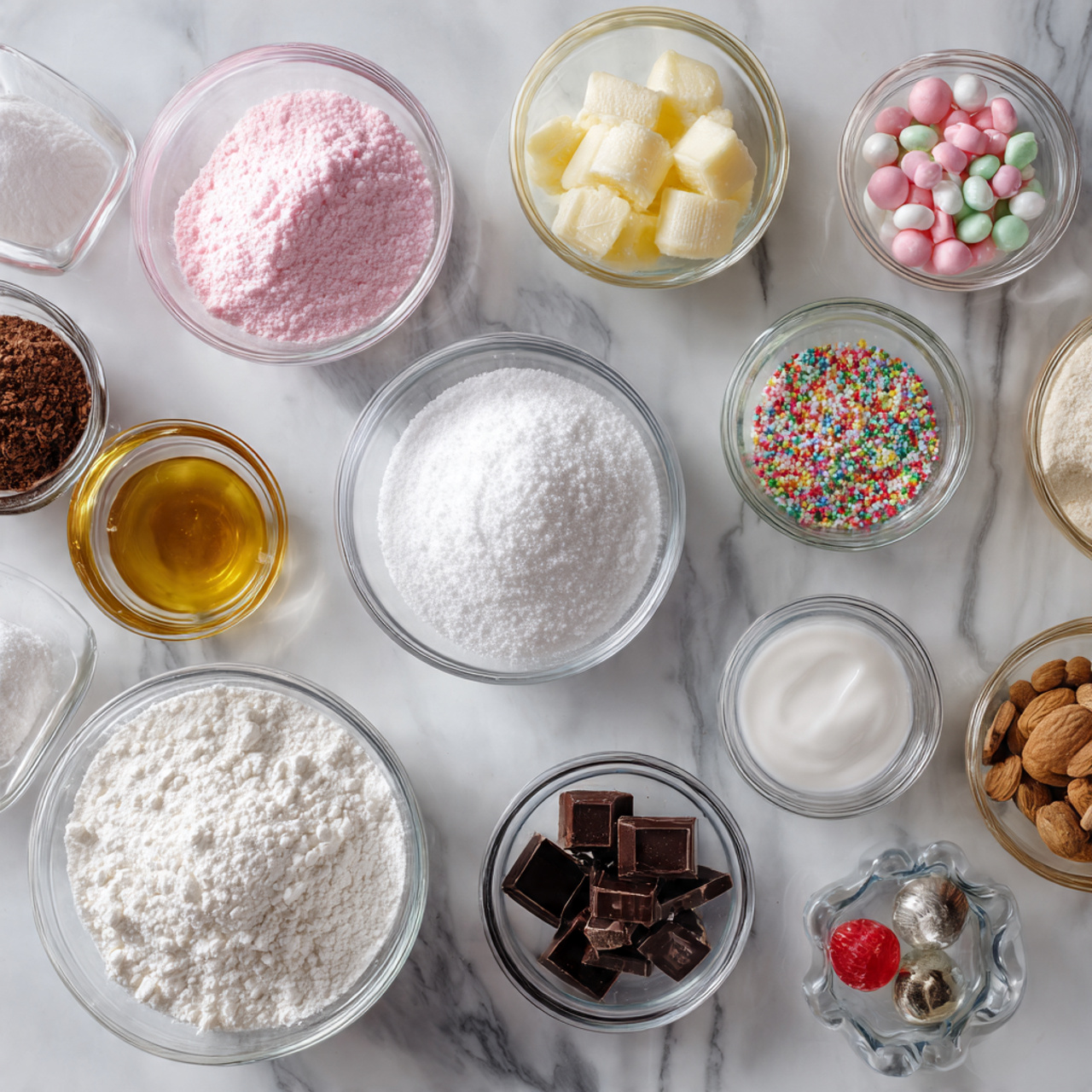
- 2 cups all-purpose flour
- 1 cup sugar
- 3 large eggs (room temperature works best)
- 1 cup milk (whole milk gives the richest crumb)
- 1/2 cup butter, softened (not melted — softened gives better structure)
- 1 tbsp baking powder
- 1 tsp vanilla extract (pure, not imitation)
- 1/4 tsp salt
For the Frosting and Decoration
- 2 cups whipped cream (chilled before whipping for best hold)
- Food coloring in soft pastel tones (gel coloring gives cleaner, brighter hues than liquid)
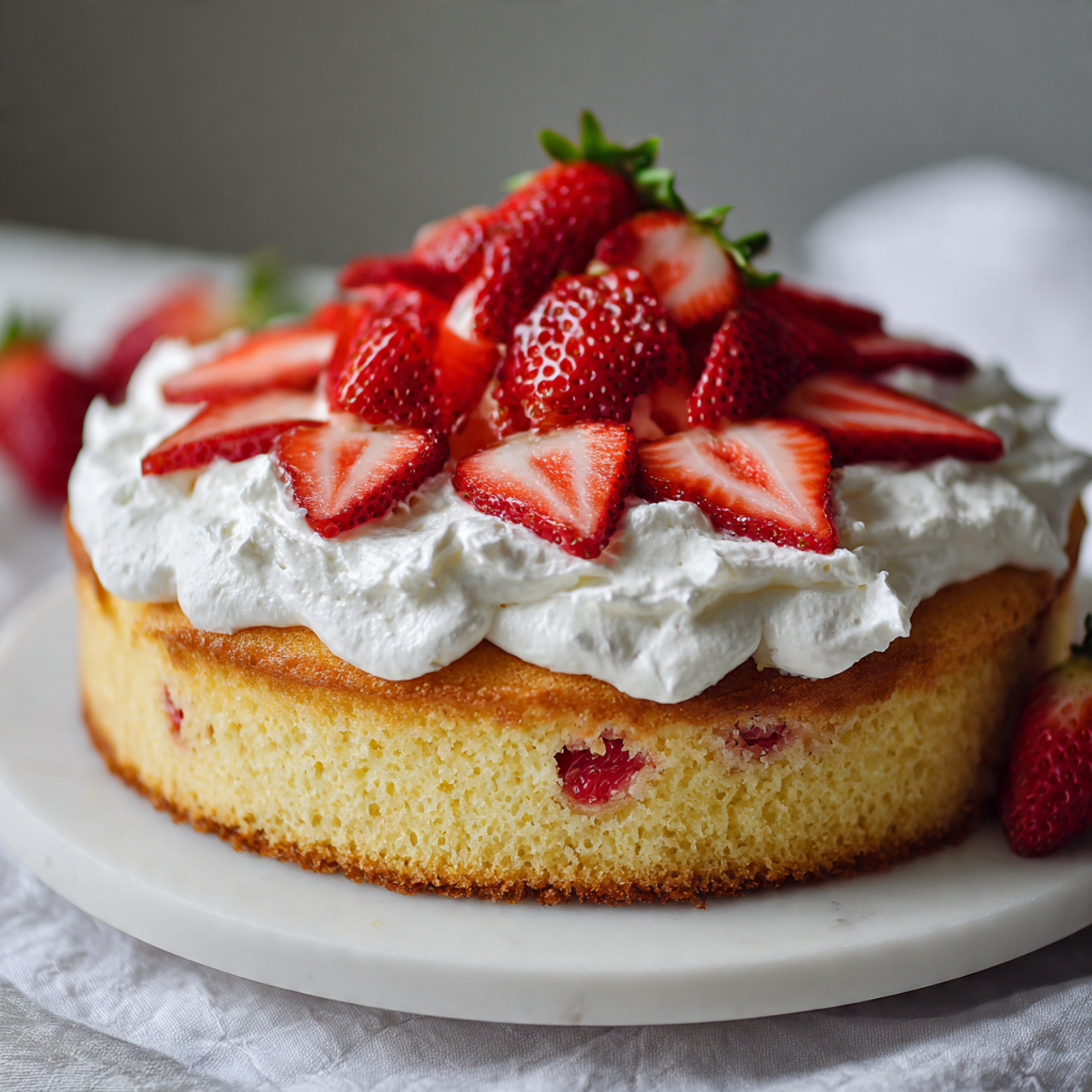
The vanilla-kissed sponge and cool, lightly sweet whipped cream are a pairing that just works — one sturdy enough to hold its shape, the other soft enough to melt with every bite.
How to Make Jellycat Cake — Step-by-Step
Step 1: Prep Your Pan and Oven
Preheat your oven to 180°C and grease your cake pan thoroughly. Line the base with a circle of parchment paper so nothing sticks. Get all your ingredients measured out before you start mixing — baking moves faster than you expect, and having everything ready keeps the batter at its lightest.
Step 2: Cream the Butter and Sugar
Beat the softened butter and sugar together until the mixture turns pale and noticeably fluffy — this takes about 3 to 4 minutes and you’ll see it almost double in volume. This step is where the air that lifts the sponge gets built in, so don’t rush it. Don’t worry if it looks a little grainy at first; it smooths right out as you keep going.
Step 3: Add the Eggs and Vanilla
Add the eggs one at a time, mixing gently after each addition until fully combined. Stir in the vanilla extract. The batter may look slightly curdled at this point — don’t panic. That’s completely normal and it comes back together the moment the flour goes in.
Step 4: Fold in the Flour and Milk
Alternate adding the flour mixture and the milk in two or three stages, folding gently with a spatula rather than beating. The moment the batter looks smooth and glossy with no dry streaks, stop. Overmixing here is the main reason sponges turn out tough — you want a light hand, not a thorough one.
Step 5: Bake Until Golden and Springy
Pour the batter into your prepared pan, give it a firm tap on the counter to release any trapped air, and slide it into the oven. Bake for about 30 minutes, or until the top is golden, springs back lightly when you press it, and a toothpick inserted into the center comes out clean. Let it cool in the pan for 10 minutes before turning out onto a wire rack.
Step 6: Decorate with Whipped Cream
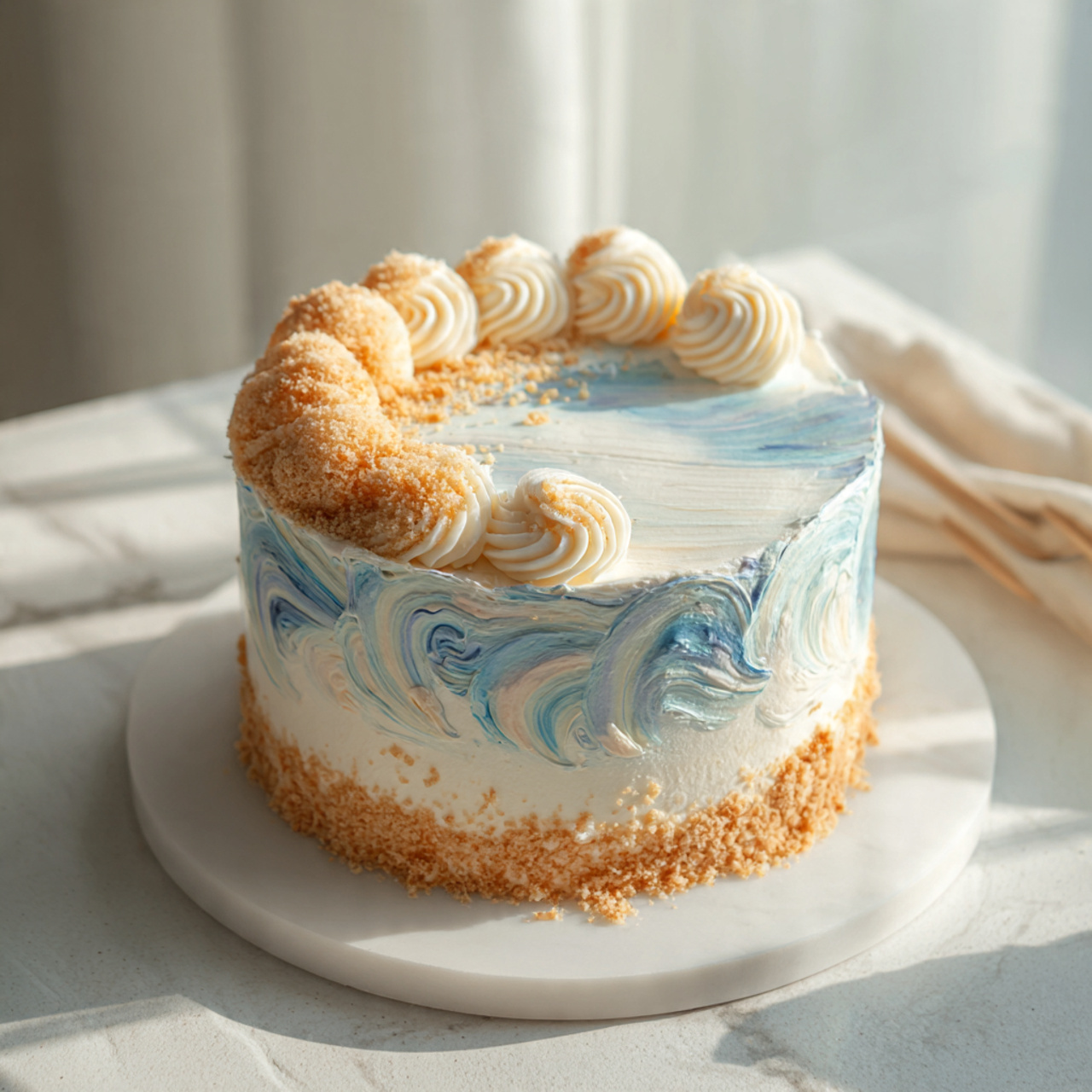
Once the cake is completely cool — and this matters more than you’d think, so resist the urge to rush it — spread the chilled whipped cream over the top and sides. Divide a small portion into separate bowls, tint each with a pastel gel color, and use the back of a spoon or a small offset spatula to create soft, swirled color across the cake. Keep the strokes gentle and unhurried — that’s the whole spirit of this one.
Perfecting This Recipe
- Fold the flour in stages using a spatula, not a mixer. The moment you see no dry streaks, stop mixing entirely.
- Cold butter will not cream properly into the sugar. Give it at least 30 minutes at room temperature before you begin.
- Chill your bowl and cream before whipping — warm cream won’t hold peaks and will soften and slide off the cake before you finish decorating.
- Tap the pan firmly on the counter before baking to release trapped air bubbles, which helps prevent large holes in the crumb.
- Cooling the cake fully before frosting isn’t optional. Even a slightly warm sponge will cause whipped cream to melt on contact.
- If baking a double batch, use two separate pans rather than one deep pan. Thick batter bakes unevenly and risks a raw, underbaked center.
Common Mistakes to Avoid
- Using cold butter — Butter straight from the fridge won’t cream into the sugar, and you’ll lose the light, airy base the whole sponge depends on. Softened means it dents when pressed, not melts.
- Overmixing after adding flour — Once the flour goes in, gluten starts developing. The more you mix, the tougher the final cake. Fold gently and stop the moment the batter looks smooth.
- Frosting a warm cake — Whipped cream has no chance against a warm sponge. Give the cake a full 20 minutes on a wire rack at minimum before you even pick up the spatula.
- Using liquid food coloring — It thins the whipped cream and makes it too loose to hold its shape. Gel coloring gives clean pastel tones without changing the cream’s texture at all.
- Skipping the parchment paper — Even a well-greased pan can stick, especially with a delicate sponge. That parchment circle on the base is your insurance policy for a clean, intact release.
Add Your Touch
- Stir lemon zest into the batter for a bright, citrusy lift that plays beautifully against the vanilla.
- Spread a thin layer of strawberry or raspberry jam between the sponge and cream for a classic flavor contrast.
- Swap vanilla extract for almond extract to get a subtly richer, nuttier depth in the sponge.
- Use oat or almond milk in place of whole milk, and coconut oil instead of butter, for a dairy-lite version that still bakes up soft.
- Top with soft edible flowers, colored sugar pearls, or mini marshmallows for an extra-whimsical finish true to the Jellycat spirit.
- Add a hint of rose water to the whipped cream for a delicate floral note that pairs beautifully with soft pastel colors.
Visit Also: Cookie Cake
What to Serve With This
A pot of Earl Grey or chamomile tea is the natural companion — the floral notes echo the vanilla without competing with it. Fresh berries alongside keep things light and add a gentle tartness to balance the sweetness of the cream. A scoop of vanilla ice cream next to a slice turns this into a proper little dessert occasion. For kids’ parties, cold milk or a simple fruit punch keeps things easy and crowd-pleasing without any extra fuss. Sparkling lemonade makes the whole spread feel just celebratory enough without overcomplicating the table.
Storing and Serving
Fridge Store the frosted cake in an airtight container in the refrigerator for up to 3 days. If the cream has been tinted with gel coloring, it holds both color and shape well for the first two days.
Freezer Freeze unfrosted cake layers wrapped tightly in plastic wrap, then foil, for up to one month. Thaw overnight in the fridge and frost fresh on the day of serving for the best possible texture.
Reheating This cake is best served at room temperature. Take it out of the fridge about 15 to 20 minutes before slicing to let the sponge soften slightly. Avoid microwaving — it dries the crumb and melts the cream.
Make-Ahead Tip Bake the sponge up to a day in advance and store it wrapped, unfrosted, at room temperature. Whip the cream and decorate on the morning you plan to serve it for the freshest, prettiest result.
Servings This recipe yields approximately 8 generous slices.
Nutrition (Approximate Per Serving)
- Calories: ~280
- Total Fat: 14g
- Saturated Fat: 9g
- Carbohydrates: 34g
- Sugar: 18g
- Protein: 5g
- Sodium: 160mg
Nutritional values are approximate and may vary based on specific ingredients and brands used.
Chef’s Helpful Tips
- Room temperature eggs blend more evenly into the batter and help prevent that curdled look when they hit the creamed butter.
- Check the cake at the 25-minute mark rather than waiting for the full 30. Ovens vary, and a few extra minutes can be the difference between springy and dry.
- For clean, even slices, dip a sharp knife in hot water and wipe it dry before each cut — it glides through the cream without dragging.
- If the whipped cream starts softening while you decorate, pop the bowl back in the fridge for five minutes to firm it up again before continuing.
- Quality vanilla extract genuinely matters in a simple sponge like this. With so few ingredients, the vanilla carries real weight — use the good bottle.
Frequently Asked Questions
Q1. Can I make this Jellycat Cake ahead of time? Absolutely. Bake the sponge a day before and store it wrapped at room temperature. Add the whipped cream and decoration the morning of serving so the frosting stays fresh and the pastel colors stay vibrant.
Q2. Why did my sponge turn out dense and heavy? The two most common reasons are overmixing after adding the flour, or using cold butter that didn’t cream properly with the sugar. Both prevent the air from building up in the batter, which is what gives the sponge its signature lightness.
Q3. Is this recipe suitable for beginner bakers? Yes, genuinely. The method is straightforward, the decorating is forgiving, and there’s nothing technically demanding about any of the steps. As long as you start with softened butter and fold rather than beat, you’ll get a beautiful result on your very first attempt.
Q4. Can I replace the eggs in this recipe? You can substitute plain yogurt at about 3 tablespoons per egg, or use a plant-based egg replacer. The texture comes out slightly denser but still soft and pleasant — and the swap works especially well in smaller batches where it’s easier to manage the consistency.
Q5. Can I freeze this cake? Yes — wrap the unfrosted layers tightly and freeze for up to a month. Thaw them overnight in the fridge and decorate fresh on the day. Freezing the fully frosted cake is possible, but whipped cream can lose a little of its texture after thawing, so frosting fresh always gives the cleanest, most beautiful finish.
Conclusion
There’s something quietly joyful about pulling a cake like this out of the oven — soft, golden, smelling of warm vanilla, and carrying that promise of something genuinely lovely ahead. This Jellycat Cake isn’t complicated or fussy. It’s the kind of recipe that reminds you baking at home can be calm, creative, and completely satisfying without requiring any special equipment, advanced skills, or hard-to-source ingredients.
Whether you’re making this for a birthday, a slow Sunday afternoon, or simply because you feel like it, this recipe is entirely yours to make your own. Change the colors, add a layer of jam, scatter something pretty on top — the base is forgiving and the result is always worth the effort. Give it a try, share a slice with someone you love, and see if it doesn’t quietly earn a permanent spot in your baking rotation.
Jellycat Cake
Course: Trending Cake4
servings15
minutes30
minutes280
kcal1
hour5
minutesA light, pillowy vanilla sponge draped in pastel whipped cream — soft in texture, gentle in flavor, and charming enough to anchor any celebration from a child’s birthday to a cozy afternoon at home.
Ingredients
For the Sponge:
2 cups all-purpose flour
1 cup sugar
3 large eggs
1 cup milk
1/2 cup butter, softened
1 tbsp baking powder
1 tsp vanilla extract
1/4 tsp salt
For the Frosting and Decoration:
2 cups whipped cream
Food coloring in soft pastel gel tones
Directions
- Preheat oven to 180°C. Grease a cake pan and line the base with parchment paper.
- Beat softened butter and sugar together until pale and fluffy, about 3–4 minutes.
- Add eggs one at a time, mixing after each. Stir in vanilla extract.
- Fold in flour, baking powder, and milk in alternating stages until just smooth. Do not overmix.
- Pour into prepared pan and tap firmly on the counter to release air bubbles.
- Bake for 30 minutes until the top is golden, springy, and a toothpick comes out clean.
- Cool in pan for 10 minutes, then transfer to a wire rack to cool completely.
- Spread chilled whipped cream over the cooled cake. Tint small portions with pastel gel coloring and swirl gently over the top.