The Buttery Lemon Pound Cake That Stays Moist Every Single Time
Most pound cakes come out of the oven dry, dense, and somehow tasting more like sweet bread than the soft, citrus-kissed slice you were hoping for — and it’s almost always down to one thing: overmixed batter and lemon that fades into the butter. This recipe fixes both, so you get a tender crumb and a flavor that actually tastes like lemon.
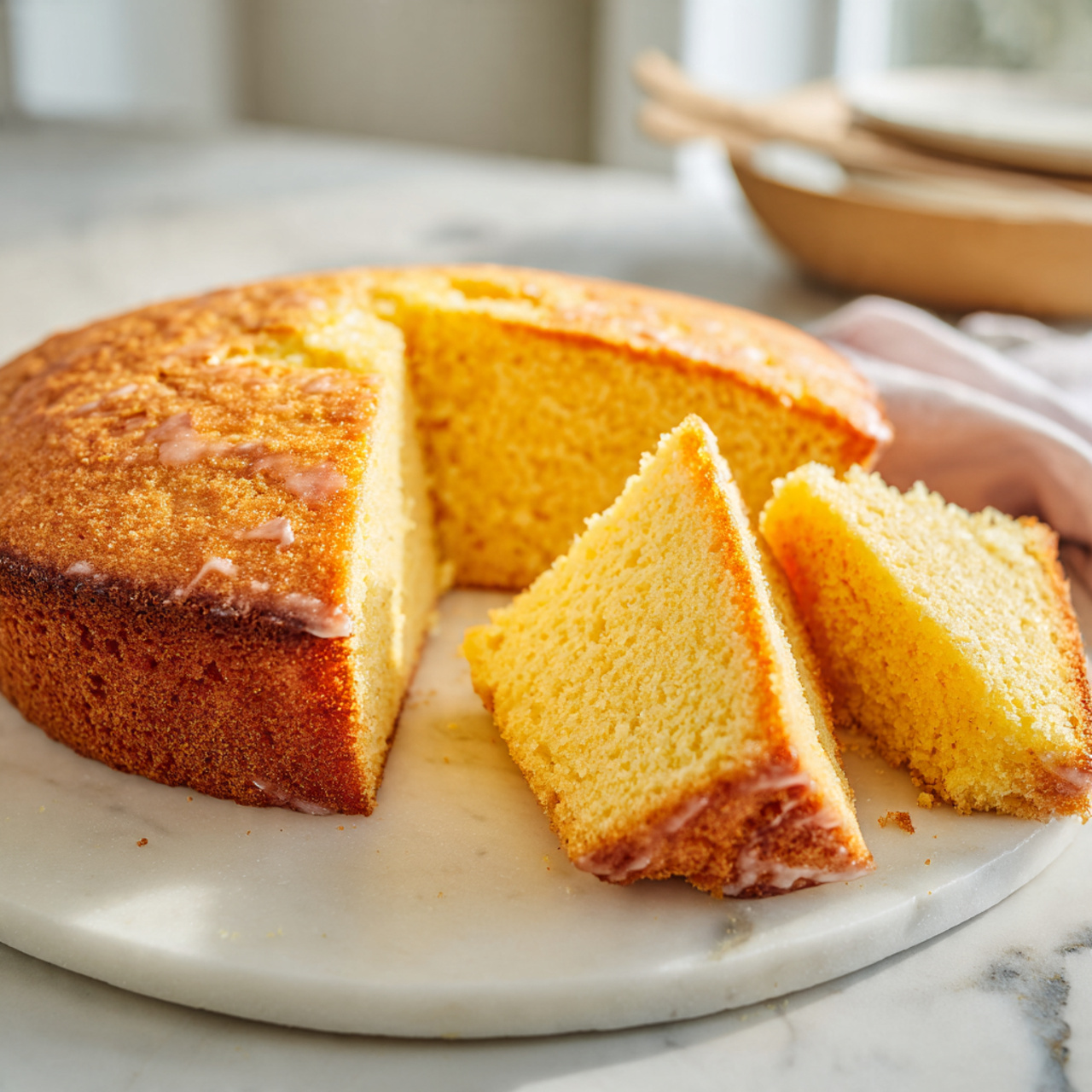
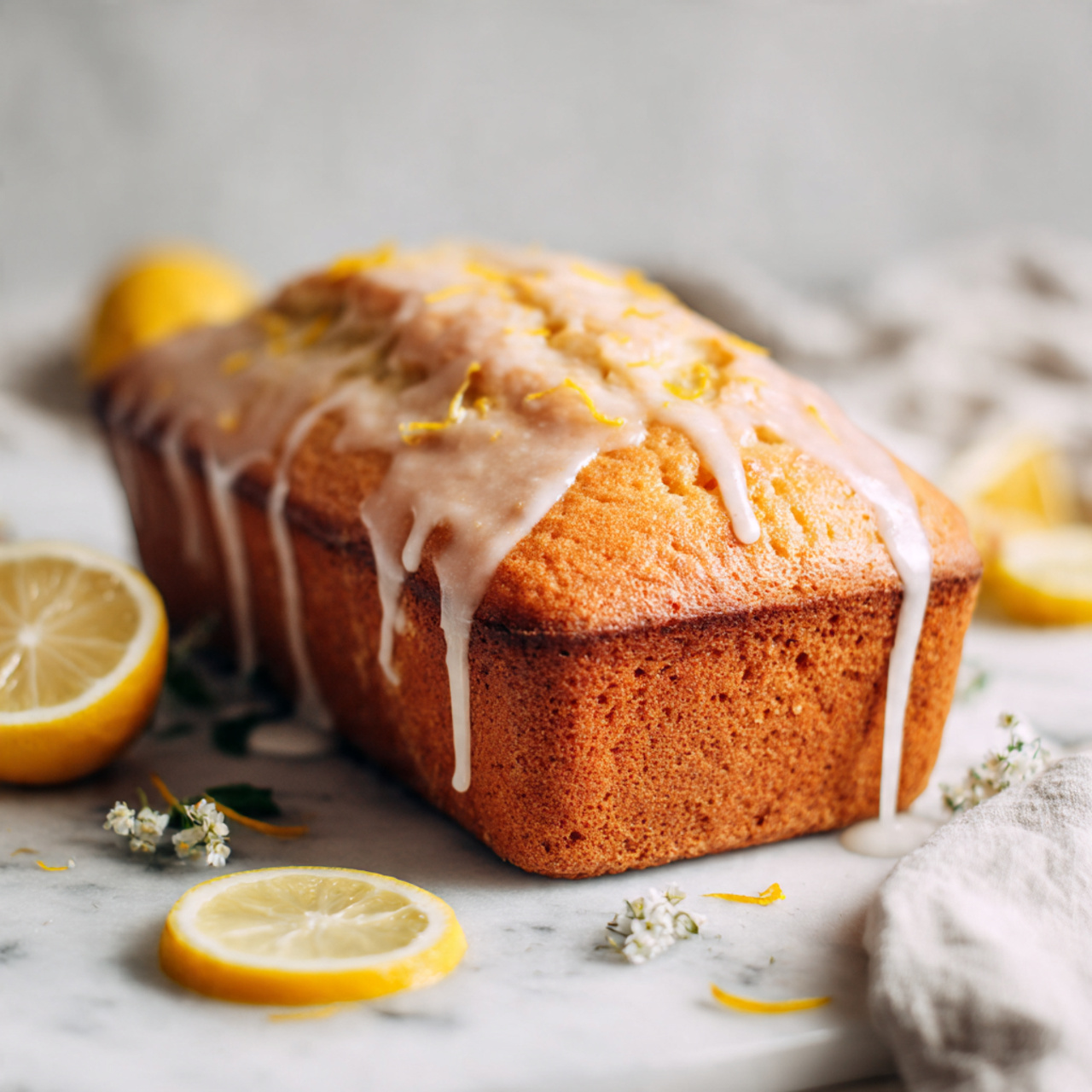
Picture a slice that’s golden at the edges and pale gold in the middle, soft enough to give under a fork yet rich enough to feel like a real treat. The first bite is buttery and gently sweet, then the fresh lemon arrives — clean and a little zippy, lifted by the oils in the zest. Warm from the pan it smells like a bakery; cooled and sliced, the crumb is close, velvety, and just moist enough to melt on your tongue.
This is the cake for slow Sunday afternoons, an easy weekend brunch spread, or a last-minute treat when someone drops by for coffee. It leans on the kind of pantry staples that make a reliable, homemade lemon loaf, and it slices beautifully for sharing. Whether you’re baking it for the first time or the fifth, it’s the sort of recipe that quietly earns a permanent spot in your rotation.
Why You’ll Love This Recipe
Bright Flavor, Perfectly Balanced
The fresh lemon keeps every slice light and lively without ever turning sour or sharp. It plays against the buttery base so the cake tastes rich and refreshing at the same time.
A Soft, Tender Crumb
Creaming the butter and sugar properly traps air, which gives this cake its signature melt-in-your-mouth texture. The result is a buttery pound cake that feels close and velvety rather than heavy.
Genuinely Easy to Make
No fancy tools, no complicated techniques, no hard-to-find ingredients. If you can cream butter and fold a batter, you can make this with confidence on a busy weeknight.
Made for Sharing
It bakes into one neat loaf that slices cleanly, which makes it ideal for brunch tables, potlucks, and family dessert plates. People always come back for a second slice.
A Classic With a Fresh Twist
Pound cake is comfort-food nostalgia, but the lemon zest and juice give it a modern, sunny edge. It’s familiar enough to feel cozy and fresh enough to feel new.
Ingredients
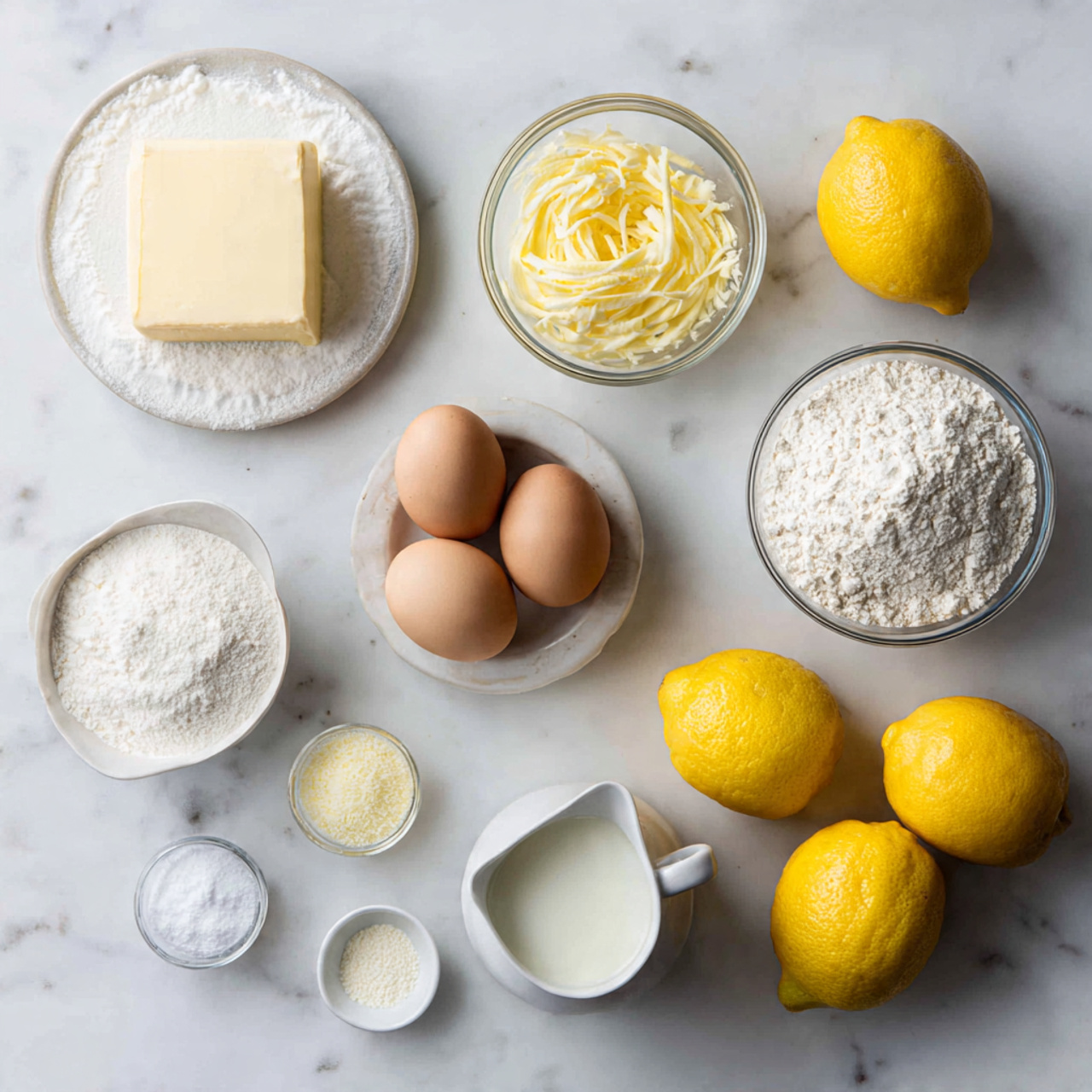
For the Dry Ingredients
- 1½ cups (190g) all-purpose flour
- 1 tsp baking powder
- ½ tsp salt
For the Wet Ingredients
- 1 cup (225g) butter, softened (soft to the touch, not melted)
- 1 cup (200g) sugar
- 4 eggs (room temperature blends in more smoothly)
- 2 tbsp fresh lemon juice (freshly squeezed for the brightest flavor)
- 1 tbsp lemon zest (the real flavor powerhouse — don’t skip it)
- ½ cup (120ml) milk (whole milk gives the richest crumb)
The softened butter and sugar build the airy structure, the eggs and milk keep everything moist and tender, and the lemon juice and zest layer in flavor from two directions — the juice for tang, the zest for fragrant citrus oils. Together they give you a cake that’s rich but never heavy, and bright but never harsh.
How to Make Lemon Pound Cake — Step-by-Step
Step 1: Prep Your Pan and Oven
Preheat your oven to 180°C and lightly grease a loaf pan. Gather all your ingredients so everything is within reach before you start mixing. This small bit of setup keeps the whole process calm and smooth.
Step 2: Cream the Butter and Sugar
Beat the softened butter and sugar together until the mixture turns pale, light, and fluffy. This is where the cake gets its lift, so give it a few minutes — it should look airy and almost whipped. Don’t worry if it seems to take a while; you’ll see it lighten in both color and texture as you go.
Step 3: Add the Eggs One at a Time
Add the eggs one at a time, mixing gently after each until just combined. The batter should look smooth and slightly glossy. Adding them slowly keeps the mixture from splitting and protects that tender crumb.
Step 4: Combine the Dry Ingredients
In a separate bowl, whisk together the flour, baking powder, and salt. Keeping the dry ingredients separate first means the baking powder gets evenly distributed, so your cake rises evenly with no dense pockets.
Step 5: Fold Everything Together
Slowly fold the dry mixture into the batter along with the milk, lemon juice, and zest. Stir gently until everything is just combined and the batter looks creamy. Don’t worry if you spot a few small streaks of flour at first — keep folding softly and they’ll disappear without you overmixing.
Step 6: Bake, Then Cool
Pour the batter into the pan and bake for about 45–50 minutes, until the top is golden and a toothpick inserted in the center comes out clean. Let the cake cool completely before slicing — a good 15 minutes of rest, and ideally longer, so the crumb sets and you get clean, neat slices instead of crumbly ones.
Perfecting This Recipe
- Make sure your butter is properly softened, not melted — soft butter holds the air you whip into it, melted butter won’t.
- Cream the butter and sugar longer than feels necessary; this single step does more for the texture than anything else.
- Mix the eggs in gently and one at a time to keep the batter from curdling.
- Fold in the dry ingredients with a light hand and stop the moment they disappear, since overmixing develops gluten and turns the crumb tough.
- Check the cake a few minutes early — a toothpick with a few moist crumbs is perfect, while a completely dry one can mean it’s heading toward overbaked.
- Always cool fully before cutting; the structure firms up as it sits and a slightly moist center settles into a soft, even crumb.
Common Mistakes to Avoid
- Using melted butter instead of softened — Melted butter can’t trap air, which leads to a dense, greasy loaf instead of a light one.
- Overmixing the batter — Stirring too hard once the flour goes in builds gluten and gives you a tough, rubbery texture.
- Skipping the lemon zest — The juice alone gives tang, but the zest carries the fragrant oils that make the lemon flavor actually pop.
- Slicing while warm — Cutting too soon causes the cake to crumble and fall apart; patience here pays off in clean slices.
- Not checking the oven early — Every oven runs a little differently, and a few extra minutes can be the difference between moist and dry.
Add Your Touch
- Drizzle a simple glaze of powdered sugar and lemon juice over the cooled cake for extra sweetness and shine.
- Swap the milk for almond or oat milk to make it dairy-free; add the liquid a little at a time so the batter stays smooth.
- Fold in a handful of fresh or frozen blueberries for a fruity, bakery-style variation.
- Stir in a teaspoon of vanilla or a pinch of poppy seeds for a cozy, lemon-poppyseed twist.
- Increase the zest slightly if you love a bolder, more pronounced citrus flavor.
Visit Also: Cake For Dad
What to Serve With This
- A warm cup of tea or freshly brewed coffee for a cozy afternoon break.
- A spoonful of lightly sweetened whipped cream or plain yogurt to balance the citrus.
- A handful of sliced strawberries or mixed berries on the side.
- A scoop of vanilla ice cream when you want to turn it into a proper dessert.
- A glass of cold lemonade or iced tea for a bright summer pairing.
Storing and Serving
Fridge Store the cake in an airtight container in the fridge for up to 4 days. Wrap individual slices for easy grab-and-go portions, or keep the whole loaf covered and slice as needed.
Freezer Wrap slices tightly and freeze for up to 2 months. Label and stack them neatly so you can pull out just one or two whenever a craving hits, with no loss in flavor.
Reheating Warm a slice in the microwave for just a few seconds to bring back that fresh-baked softness. Go easy here — thicker slices need only a little more time, and overheating can dry out the crumb.
Make-Ahead Tip This cake is a great do-ahead bake. Make it a full day in advance and store it covered; the flavor actually deepens overnight and the texture stays beautifully moist.
Servings Makes one loaf, about 8–10 slices.
Nutrition (Approximate Per Serving)
- Calories: 280–320
- Total Fat: 16g
- Saturated Fat: 9g
- Carbohydrates: 32g
- Sugar: 17g
- Protein: 4–6g
- Sodium: 180mg
Nutritional values are approximate and may vary based on specific ingredients and brands used.
Chef’s Helpful Tips
- Bring your eggs and milk to room temperature so they blend smoothly into the batter and don’t seize the butter.
- Set a timer a few minutes before the cake should be done and check it early to avoid overbaking and a dry crumb.
- For the cleanest slices, let the cake cool completely and use a sharp knife wiped between cuts.
- Use fresh lemons whenever you can — the zest and juice from a real lemon make a noticeable difference over bottled.
- If your cake ever turns out too dense, look at your butter (it should be soft, not melted) and your mixing (fold, don’t beat, once the flour is in).
Frequently Asked Questions
Q1. Can I use bottled lemon juice instead of fresh? You can, though the flavor will be a little milder and less vibrant. If you go bottled, add an extra teaspoon of lemon zest to bring back some of that fresh, fragrant citrus punch.
Q2. How is this different from a regular vanilla pound cake? It has the same rich, buttery base and close crumb you’d expect from a classic pound cake, but the lemon juice and zest lift it with a fresh, tangy brightness. Think of it as the sunny, citrus cousin of a plain vanilla loaf.
Q3. Is this recipe beginner-friendly? Absolutely. There’s no special equipment, no tricky steps, and the reassurance built into each step means you’ll know exactly what to look for. If you can cream butter and gently fold a batter, you’ve got this.
Q4. Can I make it ahead for a brunch or potluck? Yes, and it’s actually better that way. Bake it a day in advance, keep it covered, and the flavor will deepen overnight — making it one of the easiest make-ahead bakes for a crowd.
Q5. Can I freeze the leftovers? Definitely. Wrap individual slices tightly and freeze for up to 2 months. Thaw at room temperature or warm gently, and they’ll taste close to freshly baked.
Conclusion
There’s a reason a good Lemon Pound Cake never goes out of style. It’s the kind of bake that fits into everyday life without asking much of you — soft, buttery, and brightened with citrus, comforting enough for a quiet afternoon yet special enough to set out for guests. It’s flexible, forgiving, and reliable, which is exactly what you want from a recipe you’ll reach for again and again.
So grab a few fresh lemons and give it a try the next time you want something homemade without the fuss. Tweak the zest, add a glaze, or pair it with berries and coffee to make it your own. Once you’ve tasted that first tender, lemony slice, don’t be surprised if this becomes the recipe you save, share, and bake on repeat. you try it, you’ll likely keep it saved for those days when you want something homemade without too much effort.

Bright and Buttery Lemon Pound Cake
Course: Trending Cake4
servings15
minutes50
minutes300
kcal1
hour20
minutesA soft, buttery pound cake with a tender crumb and fresh, zippy lemon flavor. Easy to make and easy to love — perfect for tea time, brunch, or a cozy homemade dessert.
Ingredients
For the Dry Ingredients:
1½ cups (190g) all-purpose flour
1 tsp baking powder
½ tsp salt
For the Wet Ingredients:
1 cup (225g) butter, softened
1 cup (200g) sugar
4 eggs
2 tbsp fresh lemon juice
1 tbsp lemon zest
½ cup (120ml) milk
Directions
- Preheat oven to 180°C and grease a loaf pan.
- Cream butter and sugar until light and fluffy.
- Add eggs one at a time, mixing gently after each.
- Whisk flour, baking powder, and salt in a separate bowl.
- Fold dry ingredients into the batter with milk, lemon juice, and zest until just combined.
- Pour into the pan and bake 45–50 minutes, until golden and a toothpick comes out clean.
- Cool completely before slicing.