The Easiest Homemade Sheet Cake: Soft, Moist, and Perfect for Any Occasion
Most homemade cakes turn out drier than expected — and the culprit is almost always overbaking or skipping the resting step after they come out of the oven. This sheet cake fixes both problems with a simple, forgiving method that produces a genuinely tender crumb every single time, no special equipment required.
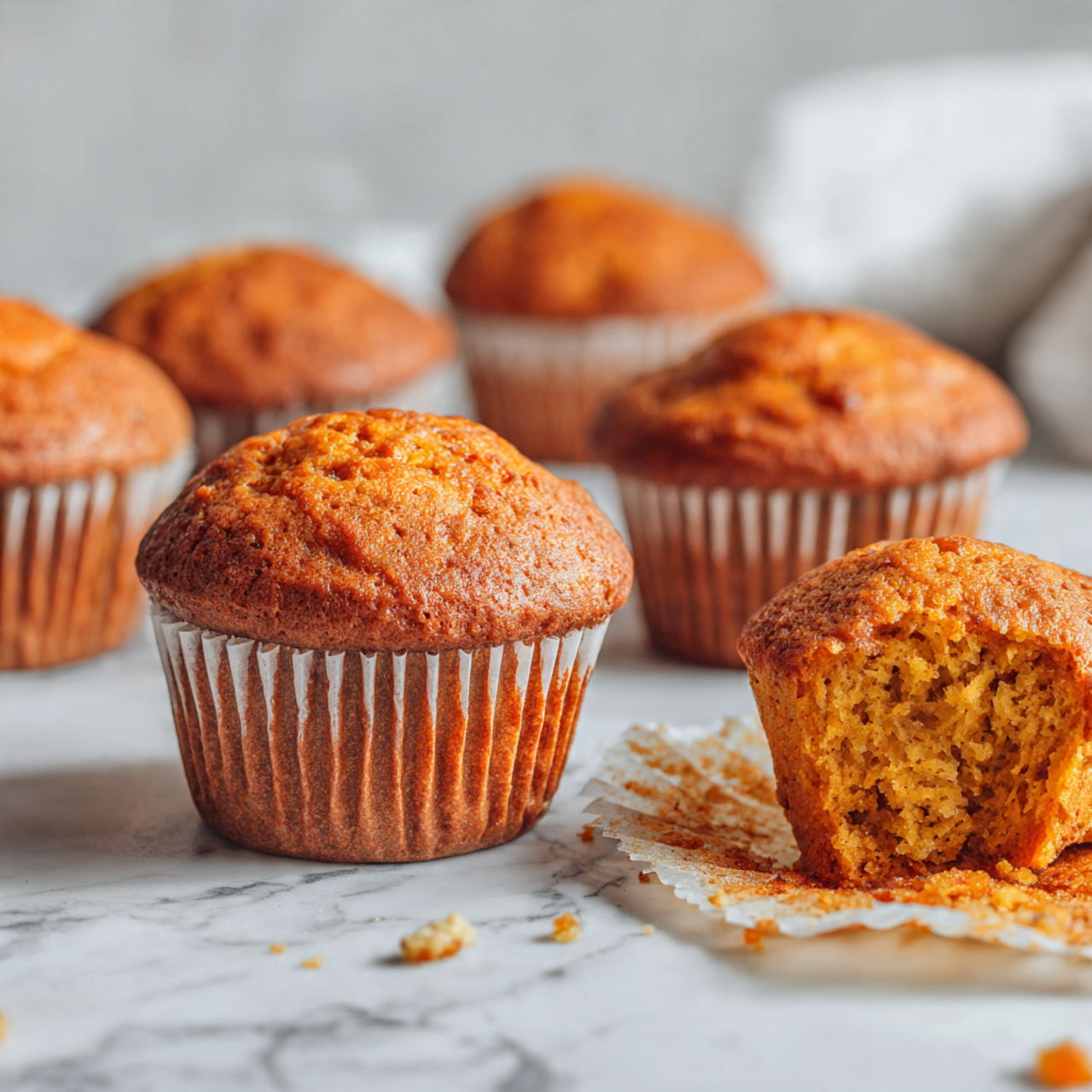
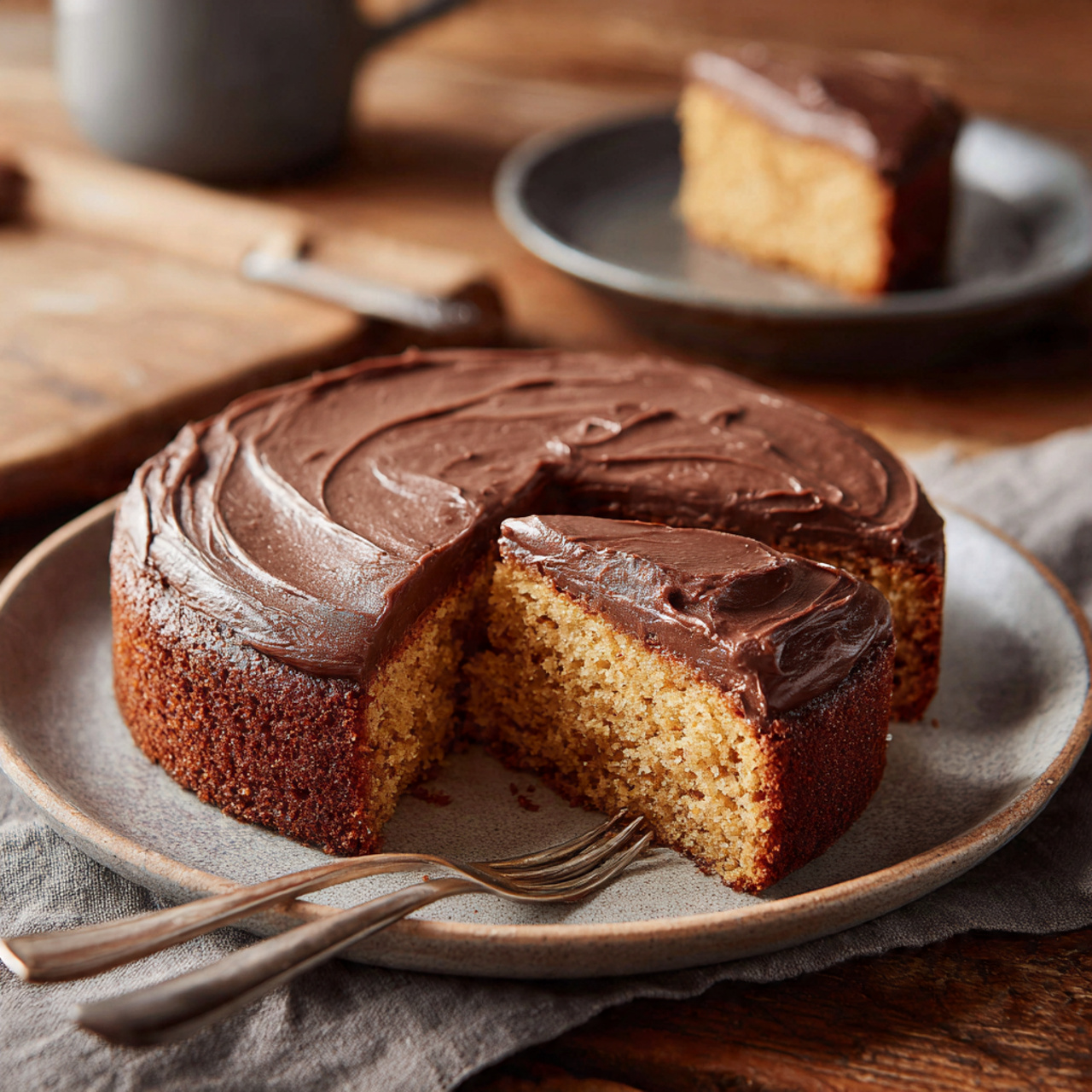
Picture this: a pan of golden, butter-kissed cake cooling on your counter, the kitchen smelling warm and sweet. Each slice cuts clean and holds its shape, revealing a soft, even interior that’s moist all the way to the edges. The flavor is gentle and buttery with a quiet vanilla sweetness — the kind that feels like comfort food at its most honest.
This one-pan cake is made for real life. It’s the right call for a quiet weeknight treat, a simple dessert at a family dinner, or an easy make-ahead option when you want something sweet waiting in the fridge. If you’re after a reliable vanilla cake recipe that asks very little and delivers every time, this is it. Let’s make it together.
Why You’ll Love This Recipe
One Bowl, One Pan, Zero Drama
Everything comes together in a single bowl and bakes in one pan. There’s no layering, no torting, no complicated assembly — just mix, pour, and bake. Cleanup is as easy as the baking itself, which makes this recipe a genuine weeknight hero.
A Texture That Stays Soft for Days
Thanks to the balance of butter and milk in the batter, this cake holds its moisture beautifully. Slices are just as tender on day three as they were fresh from the oven, which makes it an ideal choice for meal prepping your desserts for the week.
Simple Pantry Ingredients, Exceptional Flavor
There’s nothing on the ingredient list that requires a special trip to the store. Flour, butter, eggs, milk, sugar — the kind of basics most kitchens already have on hand. Good ingredients used the right way make a simple cake taste genuinely special.
Feeds a Crowd Without the Fuss
This recipe yields generous slices and scales up easily. Whether you’re baking for your household or doubling the recipe for a gathering, the method stays the same and the results stay consistent. It’s one of those easy sheet cake recipes that earns its spot in regular rotation.
Endlessly Customizable
The base recipe is intentionally neutral and versatile. Add a chocolate drizzle, fold in citrus zest, or pile on fresh berries and cream — this cake welcomes every variation without losing its soft, reliable character.
Ingredients
For the Cake Batter
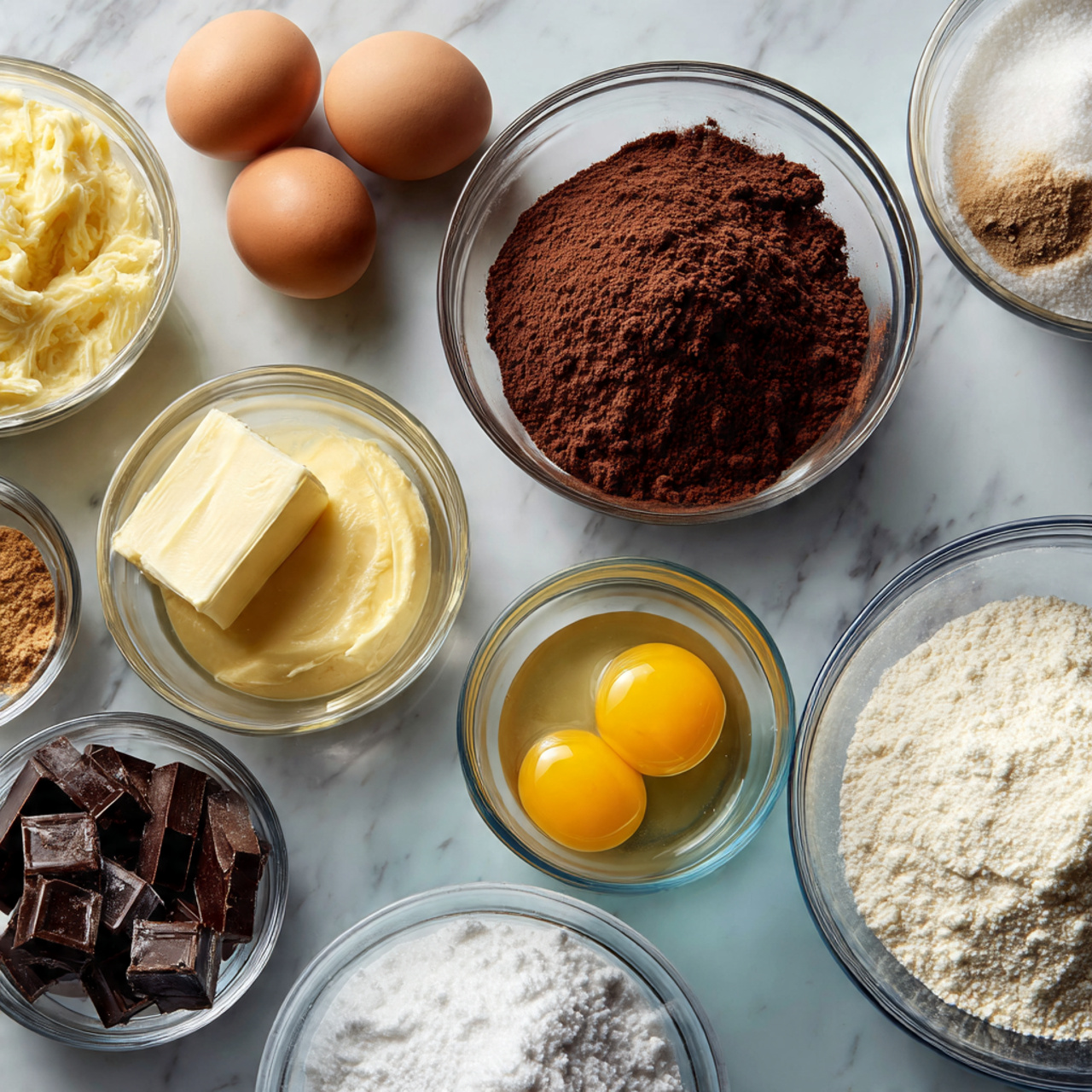
- 2 cups all-purpose flour (spooned and leveled, not packed)
- 1 cup granulated sugar
- ½ cup unsalted butter, softened (room temperature is essential — see tips below)
- 2 large eggs
- 1 cup whole milk (full-fat gives the richest crumb; plant-based milk also works)
- 2 teaspoons baking powder
- 1 teaspoon pure vanilla extract (pure, not imitation, for the best flavor)
- ¼ teaspoon salt
The butter and sugar work together to create a light, aerated batter, while the milk keeps the crumb moist and tender all the way through. The baking powder lifts everything into a soft, even rise.
How to Make Sheet Cake — Step-by-Step
Step 1: Preheat the Oven and Prep Your Pan
Set your oven to 180°C (350°F) and give it a full 10–15 minutes to come to temperature before the pan goes in — an underheated oven is one of the most common reasons cakes bake unevenly. Lightly grease your sheet pan with butter or a neutral oil spray, then dust with a little flour to prevent sticking. Don’t worry if the flour looks uneven in the pan; it won’t affect the cake.
Step 2: Cream the Butter and Sugar
In a large mixing bowl, beat the softened butter and sugar together until the mixture looks pale, fluffy, and noticeably lighter in color — about 2–3 minutes of vigorous stirring. This step traps air into the batter, which is what gives the cake its soft texture. You’ll know it’s ready when the mixture smells faintly sweet and buttery and feels almost whipped.
Step 3: Add the Wet Ingredients
Add the eggs one at a time, mixing gently after each addition until just incorporated. Pour in the milk and vanilla extract and stir until the mixture looks smooth and slightly creamy. Don’t worry if it looks a little curdled at this point — once the flour goes in, it will come together beautifully.
Step 4: Fold In the Dry Ingredients
Add the flour, baking powder, and salt together into the bowl. Stir gently with a spatula or wooden spoon just until no dry streaks remain. The batter should look silky and pourable — thick enough to hold its shape briefly when you lift the spoon, but loose enough to spread easily. Don’t worry if there are one or two small lumps; overmixing to remove them will make the cake tough.
Step 5: Bake Until Golden and Set
Pour the batter into your prepared pan and use the back of a spoon or an offset spatula to spread it into an even layer right to the edges. Bake for 25–30 minutes, until the top is a soft golden color and a toothpick inserted in the center comes out clean. The edges will pull very slightly from the sides of the pan when it’s ready. Let the cake cool in the pan for at least 10 minutes before slicing — this resting time is what sets the crumb and keeps slices clean.
Perfecting This Recipe
- Use room temperature butter. Cold butter won’t cream properly and leads to a dense, heavy batter that doesn’t rise as well. Pull it out of the fridge 45 minutes before you start.
- Don’t skip the creaming step. Two to three minutes of beating butter and sugar might feel like a lot, but this is where the cake’s lightness is built. Rushing it results in a flat, compact crumb.
- Measure flour correctly. Spoon flour into the measuring cup and level it off — scooping directly from the bag compacts the flour and can add significantly more than the recipe intends, leading to a dry cake.
- Stir the batter gently once flour is added. Gluten develops quickly once liquid meets flour. A light hand at this stage keeps the crumb tender.
- Don’t open the oven door early. For the first 20 minutes, resist the urge to check. A rush of cold air can cause the center to sink.
- Let it rest before slicing. Ten minutes of cooling in the pan makes an enormous difference in how cleanly each slice comes out and how moist the interior stays.
Common Mistakes to Avoid
- Using cold butter — Cold butter doesn’t cream, so the air never gets incorporated into the batter. The result is a dense, flat cake with a tough crumb. Always start with butter that yields easily when pressed.
- Overbaking — This is the single most common reason sheet cakes turn out dry. Check at the 25-minute mark and pull the cake as soon as the toothpick comes out clean — even if the top looks slightly pale.
- Overmixing after the flour is added — Stirring too aggressively at this stage develops excess gluten, which makes the cake chewy and tough rather than soft. Stir just until the batter looks smooth.
- Spreading batter unevenly — Thick spots in the pan take longer to bake through, which means the thinner areas will overbake by the time the center catches up. Take a moment to spread batter right to the corners.
- Slicing while hot — A warm cake is still setting its structure. Cutting too early means ragged edges and a gummy interior. The 10-minute rest is short and absolutely worth it.
Add Your Touch
- Chocolate version: Replace ¼ cup of the flour with unsweetened cocoa powder for a soft chocolate sheet cake.
- Citrus lift: Add the zest of one lemon or orange to the batter for a bright, fragrant variation.
- Spiced warmth: Stir in 1 teaspoon of cinnamon and a pinch of nutmeg for a cozy autumn-style cake.
- Nutty crunch: Scatter chopped walnuts or toasted almonds across the top before baking for added texture.
- Simple glaze: Whisk 1 cup powdered sugar with 2–3 tablespoons of milk for a quick glaze to pour over the cooled cake.
- Dairy-free swap: Use plant-based butter and oat milk in equal quantities — the texture stays very close to the original.
Visit Also: 40th Birthday Cake For Women
What to Serve With This
- A cup of tea or coffee — A warm, unfussy pairing that lets the cake’s vanilla flavor shine on its own.
- Fresh berries or sliced fruit — Strawberries, raspberries, or sliced peaches add brightness and balance the butter-sweetness beautifully.
- Whipped cream or lightly sweetened yogurt — A small dollop alongside each slice keeps things light and adds a pleasant creaminess.
- A scoop of vanilla ice cream — For evenings when you want something that feels genuinely indulgent without any extra effort.
- A drizzle of honey or maple syrup — Simple and unexpected, this works especially well with the spiced version.
Storing and Serving
Fridge Store leftover slices in an airtight container in the refrigerator for up to 4 days. Place a piece of parchment between layers if stacking to prevent sticking and preserve moisture.
Freezer Wrap individual slices tightly in plastic wrap, then place in a freezer-safe bag or container. Freeze for up to 2 months. Thaw overnight in the fridge or at room temperature for about an hour before serving.
Reheating Microwave individual slices for 15–20 seconds to restore that just-baked softness. Cover loosely with a damp paper towel while reheating to help retain moisture. Avoid overheating — 20 seconds is usually plenty.
Make-Ahead Tip This cake bakes beautifully up to one day in advance. Let it cool completely, then cover the pan tightly with plastic wrap and store at room temperature or in the fridge. It actually tastes even better the next day once the flavors have had time to settle.
Servings This recipe yields approximately 9–12 slices, depending on how generously you cut them.
Nutrition (Approximate Per Serving)
- Calories: 240
- Total Fat: 9g
- Saturated Fat: 5g
- Carbohydrates: 36g
- Sugar: 18g
- Protein: 4g
- Sodium: 180mg
Nutritional values are approximate and may vary based on specific ingredients and brands used.
Chef’s Helpful Tips
- Room temperature matters more than you think. Cold eggs and cold butter both affect how the batter comes together. Set everything out 30–45 minutes before you start and the difference is immediately noticeable.
- Check early, not late. Every oven runs slightly differently. Start checking at the 23-minute mark and trust the toothpick test over the timer.
- For clean, even slices, use a sharp knife and wipe the blade between cuts. This prevents dragging and keeps every piece looking tidy whether you’re serving guests or just cutting for yourself.
- If the cake turns out denser than expected, the most likely cause is overmixed batter. Next time, switch to folding the dry ingredients in with a spatula rather than stirring with a spoon or mixer.
- Quality vanilla makes a real difference. In a recipe this simple, each ingredient is noticeable. Pure vanilla extract costs only slightly more than imitation and brings a warmth and depth that’s genuinely worth it.
Frequently Asked Questions
Q1. Can I make this sheet cake ahead of time? Yes, and it actually benefits from it. Bake the cake up to a day in advance, let it cool completely, then cover tightly and store at room temperature or in the fridge. The crumb softens slightly overnight and the flavor deepens in the best way.
Q2. Can I replace the eggs in this recipe? Absolutely. Use 3 tablespoons of plain yogurt or half a ripe mashed banana per egg as a substitute. The banana version adds a very subtle flavor, but both options keep the cake moist and hold the batter together well.
Q3. Is this easy enough for a beginner baker? This is genuinely one of the most beginner-friendly cake recipes you’ll find. There’s no special equipment, no layering, and no complicated technique involved — just basic mixing and one pan. If you’ve never baked a cake from scratch before, this is a great place to start.
Q4. Can I bring this to a potluck or gathering? It’s practically made for it. The sheet pan format means you can bake it, slice it, and serve it right from the same pan — no transferring or stacking required. Double the recipe for a larger crowd and bake in a half-sheet pan.
Q5. Can I freeze this cake? Yes, it freezes very well. Wrap individual slices in plastic wrap and store in a freezer bag for up to two months. Thaw at room temperature or overnight in the fridge — the texture holds up surprisingly well.
Conclusion
There’s something deeply satisfying about a recipe that does exactly what it promises without any drama. This homemade sheet cake is that recipe — the one you’ll make on a Tuesday evening with what’s already in your kitchen, and the one you’ll bring to a table full of people who’ll ask for seconds. It’s soft, honest, and quietly comforting in the way that only simple baking can be.
Whether you keep it plain and classic or dress it up with fruit, glaze, or a dusting of powdered sugar, make it yours. Baking is always better when it feels like something you actually enjoy rather than a task to complete. This one-pan cake is the kind of thing that makes you want to bake again — and that’s exactly the point.
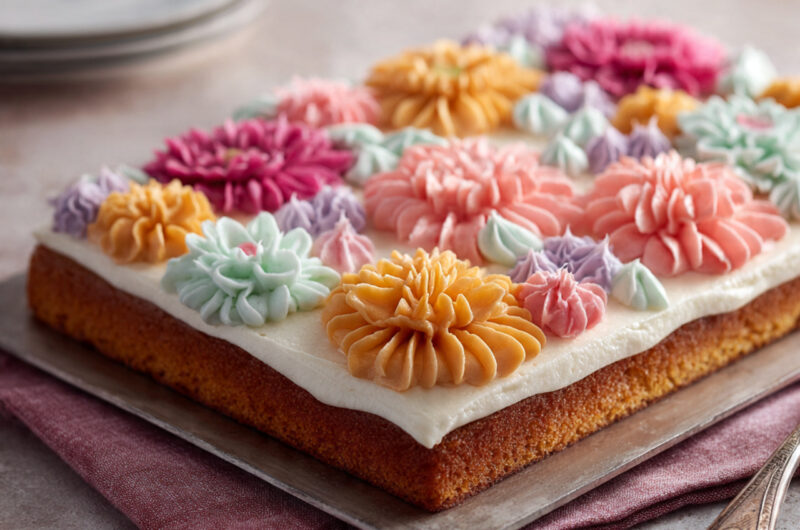
Soft Homemade Sheet Cake
Course: Cake4
servings10
minutes30
minutes240
kcal50
minutesA tender, buttery one-pan cake with a gentle vanilla sweetness and a moist, even crumb. Perfect for weeknight baking, make-ahead desserts, or feeding a crowd without the fuss.
Ingredients
For the Cake Batter
2 cups all-purpose flour, spooned and leveled
1 cup granulated sugar
½ cup unsalted butter, softened
2 large eggs
1 cup whole milk
2 teaspoons baking powder
1 teaspoon pure vanilla extract
¼ teaspoon salt
Directions
- Preheat oven to 180°C (350°F). Grease and lightly flour a medium sheet pan.
- Beat softened butter and sugar until pale and fluffy, about 2–3 minutes.
- Add eggs one at a time, mixing after each. Stir in milk and vanilla until smooth.
- Add flour, baking powder, and salt. Fold gently until just combined with no dry streaks.
- Pour batter into prepared pan and spread evenly to the edges.
- Bake 25–30 minutes until the top is golden and a toothpick comes out clean.
- Cool in the pan for 10 minutes before slicing and serving.