The Most Irresistible Shrimp Scampi Recipe You’ll Make on Repeat
The first time I made shrimp scampi, I was standing in a tiny apartment kitchen with nothing but a stick of butter, half a lemon, and a bag of frozen shrimp — and somehow, it tasted like something from a white-tablecloth restaurant. That silky, garlicky butter sauce clinging to every curl of shrimp, the sharp brightness of lemon cutting right through it — I was completely hooked from the first bite.
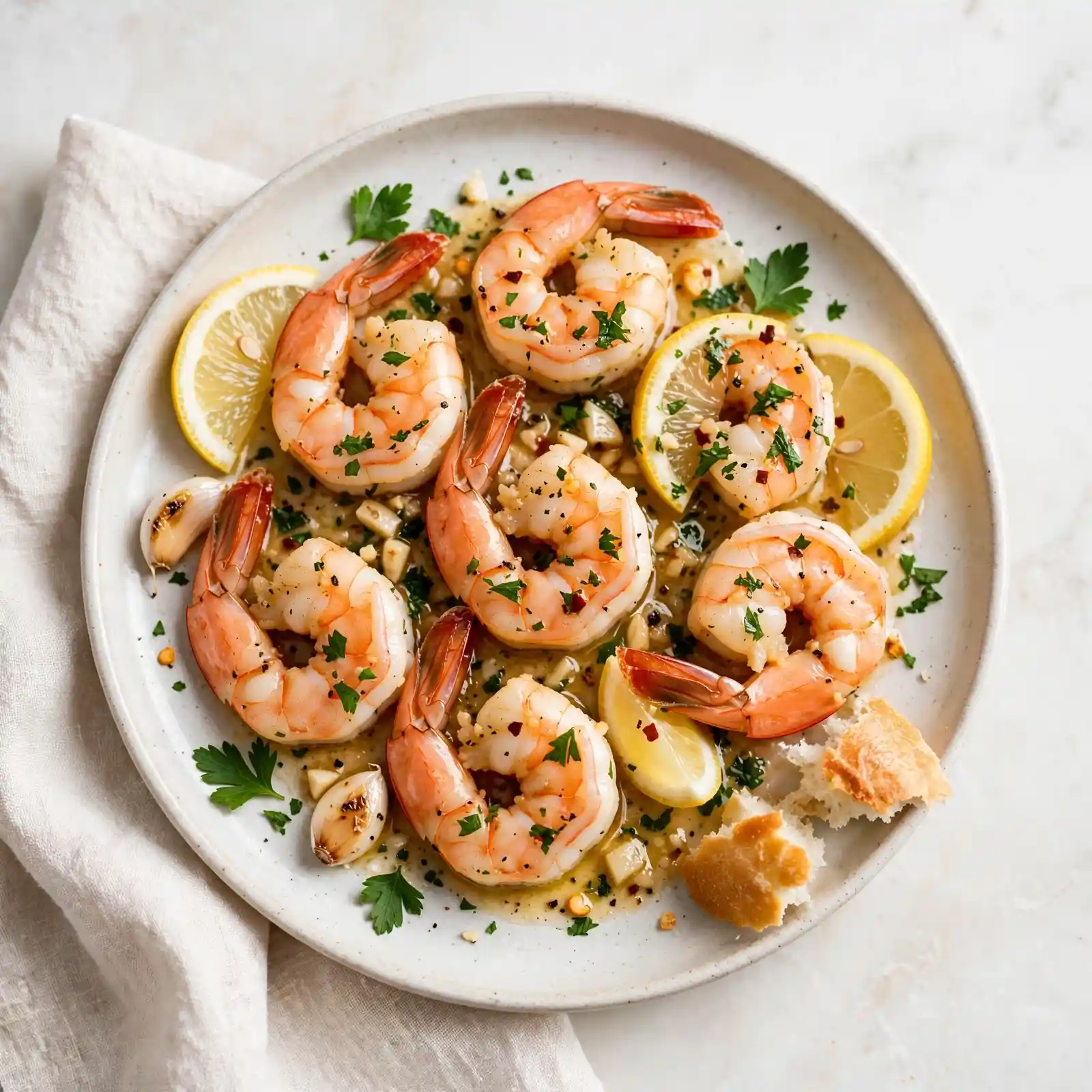
This dish is everything you want from a seafood dinner. The shrimp are tender and juicy, kissed with golden color at the edges. The sauce is buttery and bold, rich with garlic and a splash of white wine that lifts the whole thing into something that feels genuinely indulgent. A handful of fresh parsley and a squeeze of lemon right at the finish keeps it light enough to actually crave again the very next night.
Whether you’re planning a quiet date night, hosting a dinner party, or just need a go-to easy shrimp dinner that looks far more impressive than the effort it takes, this recipe checks every box. It pairs beautifully over pasta for the classic shrimp scampi pasta experience, but it’s just as stunning served over rice or with crusty bread for soaking up every last drop of that garlic butter sauce. Let’s get into it.
Why You’ll Love This Recipe
It Comes Together in Under 30 Minutes
From fridge to table, this dish is genuinely fast. The sauce builds in one pan while your pasta cooks alongside, and you’re sitting down to dinner in less time than it takes to decide on a takeout order. It’s the kind of weeknight recipe that actually keeps its promise.
The Garlic Butter Sauce Is Absolutely Addictive
This is the heart of the dish — and it’s extraordinary for how simple it is. Butter, olive oil, loads of garlic, white wine, and a hit of lemon create a glossy, aromatic sauce that coats every strand of pasta and every bite of shrimp in pure, savory richness.
The Texture Contrast Is Perfect
You get tender, plump shrimp with a slight snap at the bite, bathed in a sauce that’s luxuriously silky without being heavy. Finished with a sprinkle of fresh parsley, every forkful has brightness alongside that deep, buttery flavor.
It’s Impressive Without Being Complicated
This is the dish you bring out when you want people to think you really cooked. The presentation is elegant, the flavors are restaurant-quality, and the whole thing requires about fifteen minutes of active cooking. It’s a hostess’s best-kept secret.
Endlessly Adaptable
Once you know this base recipe, you can take it in a dozen directions — add a pinch of red pepper flakes for heat, swap linguine for angel hair, or toss in baby spinach at the end for a pop of color. The shrimp scampi recipe is a true workhorse.
Ingredients
For the Pasta Base
- 12 oz linguine (or spaghetti, angel hair, or your preferred pasta)
- 1 tbsp kosher salt (for pasta water — don’t skip this)
- 1 tbsp olive oil (to toss with pasta after draining, prevents sticking)
For the Shrimp Scampi
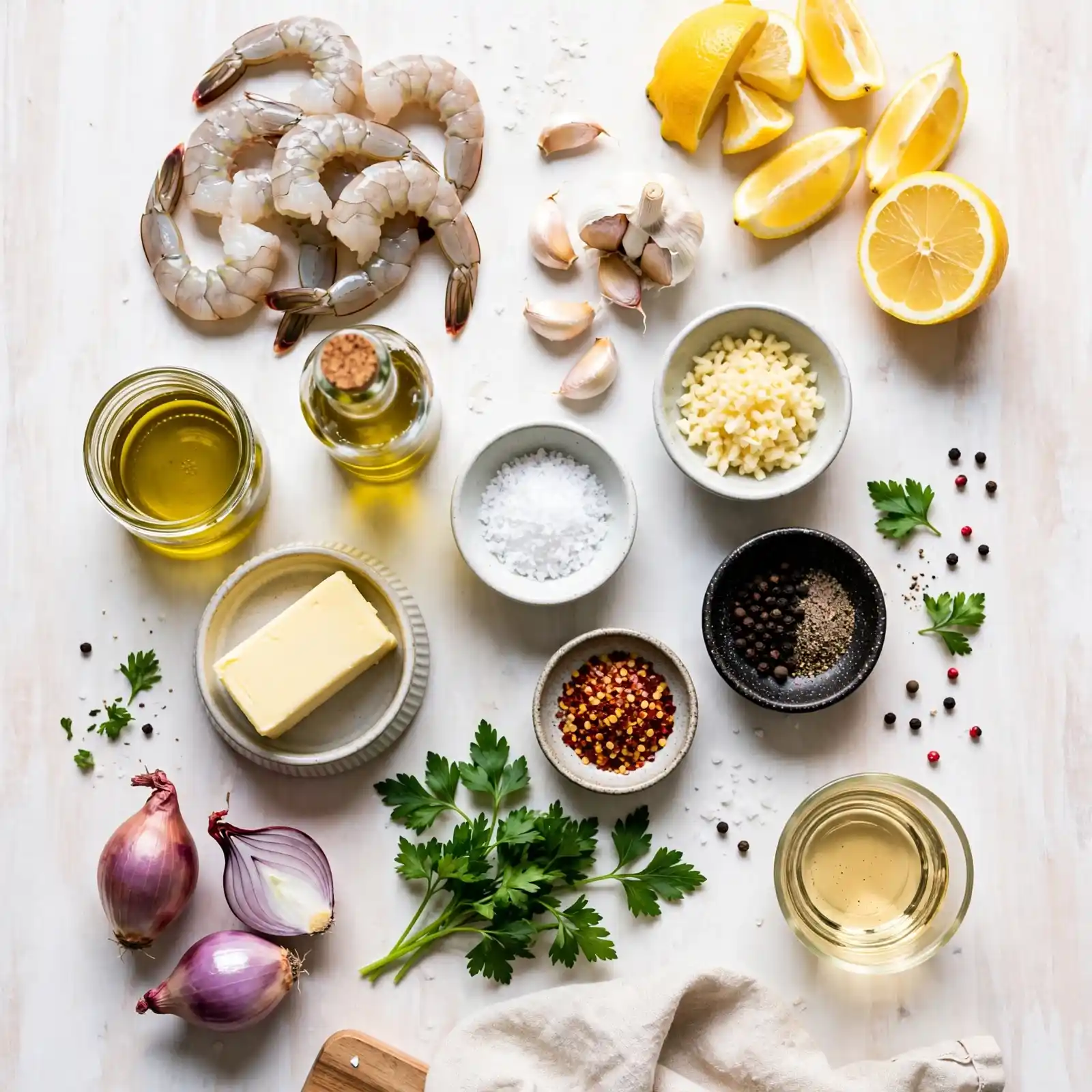
- 1½ lbs large shrimp (21–25 count, peeled and deveined — fresh or thawed from frozen, both work well)
- 4 tbsp unsalted butter (divided; high-quality butter makes a noticeable difference)
- 2 tbsp extra virgin olive oil
- 6 large garlic cloves, minced (about 2 tablespoons — don’t be shy here)
- ½ tsp red pepper flakes (optional, but recommended for a gentle kick)
- ½ cup dry white wine (Pinot Grigio or Sauvignon Blanc; sub chicken broth if preferred)
- 3 tbsp fresh lemon juice (approximately 1½ lemons — fresh only, not bottled)
- 1 tsp lemon zest (for an extra citrus punch)
- ½ tsp kosher salt
- ¼ tsp black pepper, freshly ground
For Finishing
- ¼ cup fresh flat-leaf parsley, finely chopped (fresh makes a real difference here)
- 2 tbsp unsalted butter (for stirring in at the end — creates that glossy, restaurant-style sauce)
- Freshly grated Parmesan, for serving (optional, but wonderful)
- Lemon wedges, for serving
The butter and white wine are the foundation of everything here — together they create a sauce that’s rich but not cloying, and the lemon zest layered with lemon juice gives it a complexity that you just can’t get from one source alone.
How to Make Shrimp Scampi Recipe — Step-by-Step
Step 1: Cook the Pasta
Bring a large pot of water to a rolling boil and add a generous tablespoon of kosher salt — the water should taste lightly of the sea. Cook your linguine according to package directions until just al dente. Before draining, scoop out about ½ cup of pasta water and set it aside. Drain the pasta, toss lightly with olive oil, and set it aside while you build the sauce. Don’t worry if the pasta cools slightly — it’ll heat through beautifully once it hits the pan.
Step 2: Pat the Shrimp Dry and Season
Lay your shrimp out on paper towels and pat them firmly dry on both sides — this is one of the most important steps for getting that gorgeous golden sear. Season lightly with salt and pepper. Wet shrimp steam instead of sear, which means you’d miss out on those caramelized edges that add so much flavor. Don’t worry if a few aren’t perfectly flat; they’ll still cook evenly.
Step 3: Sear the Shrimp
Heat 2 tablespoons of butter and the olive oil in a large skillet over medium-high heat until the butter is foamy and just beginning to turn fragrant. Add the shrimp in a single layer — resist the urge to crowd the pan; work in two batches if needed. Cook for 1–2 minutes per side until the shrimp are pink, curled into a loose “C” shape, and have a golden tinge at the edges. Remove them to a plate immediately; they’ll finish cooking when they return to the sauce.
Step 4: Build the Garlic Butter Sauce
Reduce the heat to medium and add the remaining 2 tablespoons of butter to the same pan. Add the minced garlic and red pepper flakes and cook for about 60 seconds, stirring constantly, until the garlic is golden and smells irresistibly nutty — watch it closely because garlic goes from golden to burnt fast. Pour in the white wine and let it simmer, scraping up any browned bits from the bottom of the pan; those bits are pure flavor. Add the lemon juice and zest and let the sauce bubble gently for 2–3 minutes until it reduces slightly.
Step 5: Bring Everything Together
Return the shrimp to the pan and add the drained pasta, tossing everything together over medium heat. If the sauce feels too thick or the pasta is sticking, add the reserved pasta water a splash at a time until the sauce coats everything in a loose, glossy layer. Remove from heat, stir in the remaining 2 tablespoons of cold butter until it melts into the sauce and makes it beautifully silky, then fold in the fresh parsley. Don’t worry if it looks a bit saucy at first — it’ll absorb and settle perfectly by the time it hits the bowl.
Perfecting This Recipe
- Use large or jumbo shrimp whenever possible — they’re more forgiving during cooking and have a meatier, more satisfying bite than smaller sizes.
- Don’t skip patting the shrimp dry. It’s a five-second step that dramatically improves the sear and, by extension, the flavor.
- Remove the shrimp from the pan while they’re just barely done — they’ll continue cooking from residual heat and will be perfectly tender when they return to the finished sauce.
- Use a wine you’d actually drink. It doesn’t need to be expensive, but a dry white wine that tastes good in a glass will taste far better in the sauce than a so-called “cooking wine.”
- The finishing butter (stirred in off the heat at the very end) is what gives restaurant-style shrimp scampi that glossy, emulsified sauce rather than a greasy or flat one. Don’t skip it.
- Zest your lemon before juicing it — it’s far easier and the zest adds an aromatic floral note that juice alone can’t replicate.
- Reserve that pasta water before you drain. The starch in it is a natural emulsifier that ties the butter and wine into a cohesive sauce instead of letting them separate.
Common Mistakes to Avoid
- Overcooking the shrimp — Shrimp cook in minutes, and overcooked shrimp turn rubbery and tough almost instantly. Pull them from the heat the moment they turn pink and curl — they’ll finish in the sauce.
- Skipping the pasta water — This starchy water is what allows the sauce to cling to the pasta and stay emulsified. Without it, you end up with a greasy, broken sauce pooling at the bottom of the bowl.
- Burning the garlic — Garlic goes from fragrant and golden to bitter and acrid in seconds. Keep the heat at medium and stir constantly once it hits the pan.
- Using pre-minced jarred garlic — Jarred garlic has a sharper, more acidic flavor that doesn’t mellow the same way fresh garlic does during cooking. For a dish where garlic is the star, fresh is worth the extra minute.
- Not seasoning the pasta water — Properly salted pasta water is the only chance you have to season the pasta itself from the inside. Under-salted pasta will taste flat no matter how good the sauce is.
Add Your Touch
- Stir in a generous handful of baby spinach or arugula right at the end for greens that wilt beautifully into the sauce.
- Add a pinch more red pepper flakes and a drizzle of chili oil for a spicy shrimp scampi version with real heat.
- Toss in sun-dried tomatoes for a slightly sweet, savory depth that complements the garlic butter beautifully.
- Swap the linguine for zucchini noodles or spaghetti squash for a lighter, lower-carb version that still delivers on flavor.
- Finish with a small handful of capers for a briny, Mediterranean twist.
- Use half butter and half ghee for a slightly nuttier, richer flavor profile.
- Add a splash of heavy cream to the sauce just before finishing for an ultra-rich, creamy scampi variation.
Visit Also: Chocolate Chip Banana Bread
What to Serve With This
A crisp Caesar salad alongside keeps things classic and balances the richness of the butter sauce perfectly. Warm, crusty garlic bread is practically mandatory — you’ll want something to drag through the leftover sauce at the bottom of the bowl. A simple arugula salad dressed with lemon and olive oil offers a peppery contrast that cuts the richness beautifully. A glass of the same dry white wine you cooked with is always the right pairing. For a lighter dinner, roasted asparagus or broccolini makes an elegant side that feels right at home on the plate.
Storing and Serving
Fridge: Store leftover shrimp scampi in an airtight container for up to 2 days. The sauce may thicken as it cools, which is normal.
Freezer: Shrimp scampi is best enjoyed fresh and doesn’t freeze particularly well — the shrimp can become rubbery and the butter sauce tends to separate upon thawing. If you do freeze it, use within 1 month and expect a change in texture.
Reheating: Reheat gently in a skillet over medium-low heat with a splash of chicken broth, water, or white wine to loosen the sauce. Avoid the microwave if possible, as it can quickly overcook the shrimp. Reheat just until warmed through — 2 to 3 minutes is usually enough.
Make-Ahead Tip: You can peel and devein the shrimp, mince the garlic, and zest and juice the lemons up to 24 hours in advance. Store each element separately in the fridge, covered. This cuts your active cooking time to about 10 minutes when you’re ready to serve.
Servings: This recipe serves 4 as a main course, or 6 as a starter or lighter portion.
Nutrition (Approximate Per Serving)
- Calories: 520
- Total Fat: 22g
- Saturated Fat: 10g
- Carbohydrates: 48g
- Sugar: 2g
- Protein: 30g
- Sodium: 680mg
Nutritional values are approximate and may vary based on specific ingredients and brands used.
Chef’s Helpful Tips
- Take the butter out of the fridge 20–30 minutes before you cook. Room-temperature butter incorporates into the sauce more smoothly and emulsifies more reliably than cold butter that can cause the sauce to break.
- Watch your shrimp like a hawk in the pan — they cook faster than you expect. The moment the tail and the thickest part of the shrimp are pink and opaque, they’re done. A loose “C” shape means cooked; a tight “O” shape means overcooked.
- For clean, restaurant-style plating, use tongs to twirl the pasta into a nest in the center of the bowl before arranging shrimp on top and spooning extra sauce around.
- The quality of your butter genuinely matters in this dish. A good European-style butter with higher fat content will produce a noticeably richer, silkier sauce.
- If your sauce looks broken or greasy at the end, add a splash of pasta water and stir vigorously off the heat — the starch will bring it back together into a cohesive, glossy emulsion.
Frequently Asked Questions
Q1. Can I make shrimp scampi without wine? Absolutely — replace the white wine with an equal amount of low-sodium chicken broth and an extra squeeze of lemon juice. The flavor will be slightly less complex, but still wonderfully good. You can also use clam juice for a deeper, brinier seafood flavor that works beautifully here.
Q2. What does shrimp scampi taste like? It tastes like the best possible version of garlic butter — deeply savory, rich, and bright with lemon. The shrimp add a sweet, oceanic flavor that plays beautifully against the sharp garlic and the acidity of the wine. It’s indulgent but never heavy, which is part of what makes it so craveable.
Q3. Is this recipe beginner-friendly? Yes, genuinely. The technique is simple — you’re essentially sautéing shrimp and building a pan sauce, which are foundational cooking skills. The most important thing to watch is the shrimp cooking time, but once you see them turn pink and curl, you’ll get the hang of it on the very first try.
Q4. Can I make this ahead for a dinner party? The sauce and prep work can absolutely be done ahead, but the shrimp should always be cooked fresh — they’re at their best in the five minutes right after hitting the pan. A good strategy is to have everything prepped and your pasta cooked, then finish the dish in the ten minutes before you’re ready to sit down. Your guests will be none the wiser.
Q5. Can I freeze shrimp scampi? It’s possible but not ideal. Shrimp become slightly rubbery after freezing and thawing, and the butter sauce can separate. If you have leftovers, the fridge is the better option — it keeps well for two days and reheats nicely with a splash of liquid to revive the sauce.
Conclusion
There’s a reason this shrimp scampi recipe has stayed on rotation in so many home kitchens for decades — it’s one of those rare dishes that manages to feel luxurious and effortless at the same time. The combination of plump, golden shrimp and that glossy, garlicky lemon butter sauce over pasta is genuinely hard to improve on. Whether it’s a Tuesday night dinner or a meal you’re making to impress someone, it shows up every single time.
Make it once and you’ll understand why people keep coming back to it. Tweak it to suit your taste, make it your own, and don’t be surprised when it becomes one of the most-requested meals in your home. I’d love to know how yours turned out — leave a note in the comments, share a photo, and most importantly, enjoy every single bite.
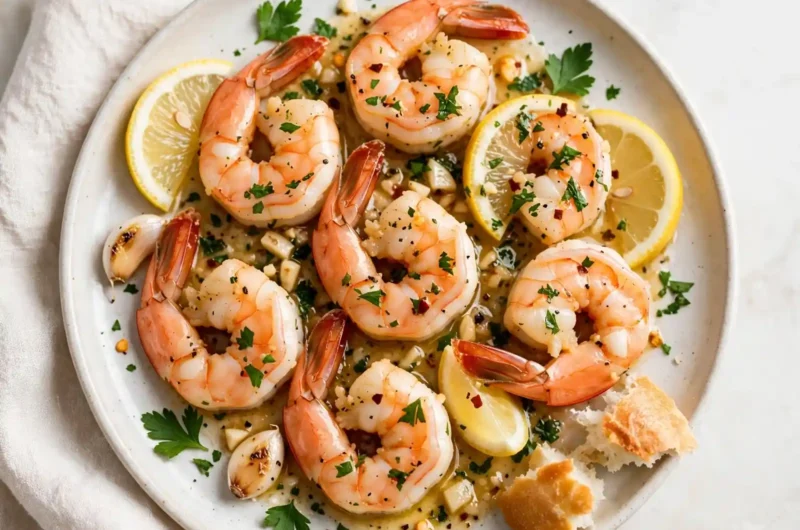
The Most Irresistible Shrimp Scampi Recipe
Course: Trending Recipes4
servings10
minutes20
minutes520
kcal30
minutesTender, golden shrimp tossed with linguine in a silky lemon garlic butter sauce — this lemon garlic shrimp classic is elegant enough for date night and fast enough for any weeknight.
Ingredients
For the Pasta Base:
12 oz linguine
1 tbsp kosher salt (for pasta water)
1 tbsp olive oil
For the Shrimp Scampi:
1½ lbs large shrimp (21–25 count, peeled and deveined)
4 tbsp unsalted butter, divided
2 tbsp extra virgin olive oil
6 large garlic cloves, minced
½ tsp red pepper flakes (optional)
½ cup dry white wine
3 tbsp fresh lemon juice
1 tsp lemon zest
½ tsp kosher salt
¼ tsp black pepper
For Finishing:
¼ cup fresh flat-leaf parsley, finely chopped
2 tbsp unsalted butter
Parmesan and lemon wedges, for serving
Directions
- Boil salted water and cook linguine to al dente. Reserve ½ cup pasta water, then drain and toss with olive oil.
- Pat shrimp completely dry with paper towels. Season lightly with salt and pepper.
- Heat 2 tbsp butter and olive oil in a large skillet over medium-high. Sear shrimp 1–2 minutes per side until pink and golden at the edges. Remove to a plate.
- Reduce heat to medium. Add remaining 2 tbsp butter. Cook garlic and red pepper flakes for 60 seconds, stirring constantly. Pour in white wine and simmer 2 minutes, scraping the pan. Add lemon juice and zest; simmer 1–2 more minutes.
- Return shrimp and pasta to the pan. Toss, adding pasta water as needed for a glossy, coating sauce. Remove from heat, stir in 2 tbsp cold butter and fresh parsley. Serve immediately with Parmesan and lemon wedges.