The Most Irresistible 50th Birthday Cake for a Milestone Worth Every Bite
Most homemade celebration cakes come out of the oven too dense, too dry, or flat as a pancake — and nearly every time, it comes down to one overlooked detail: cold butter going into the batter. This 50th Birthday Cake recipe eliminates that problem completely. With simple steps, everyday ingredients, and one key technique done right, you’ll pull a beautifully risen, golden cake from the oven that actually lives up to the occasion.
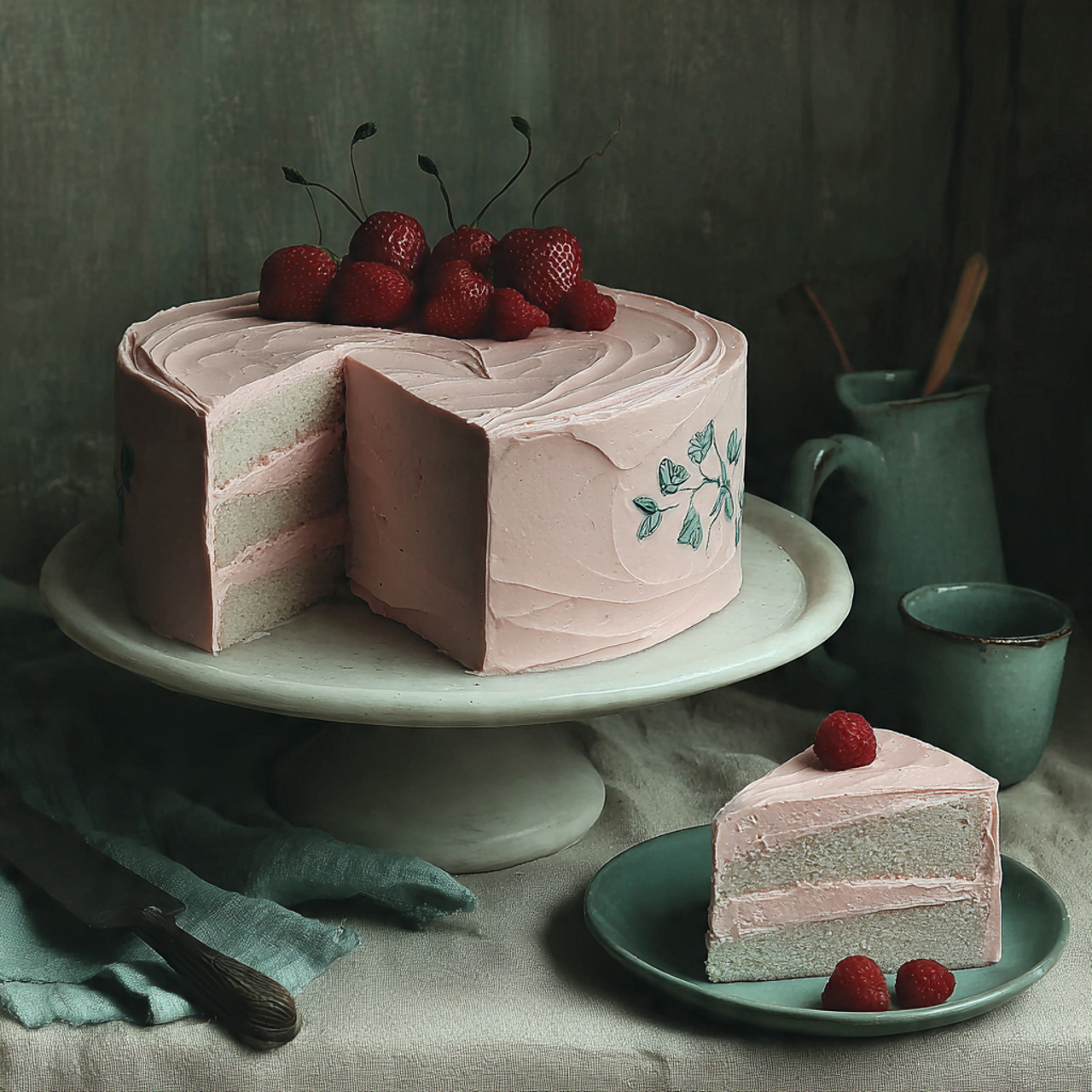
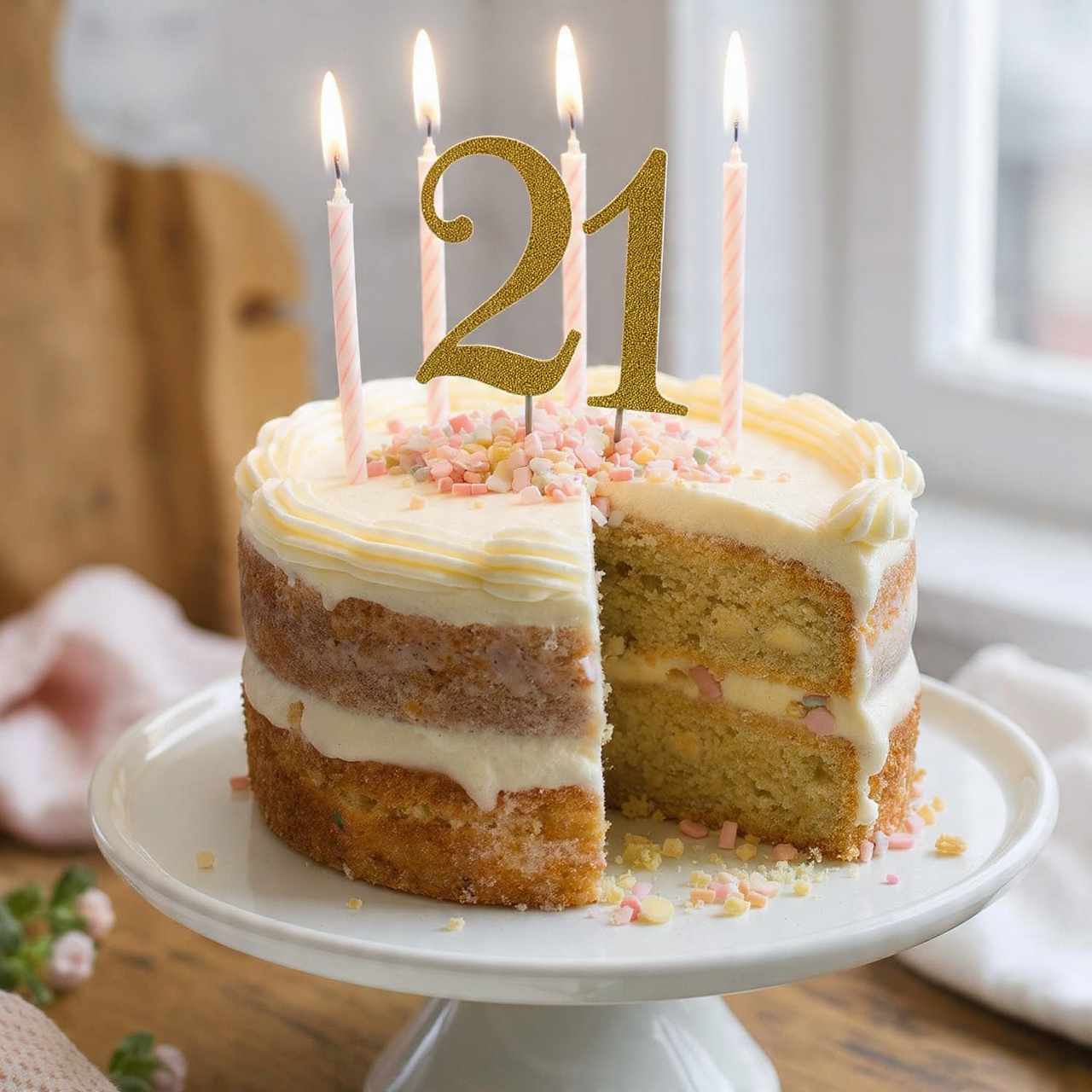
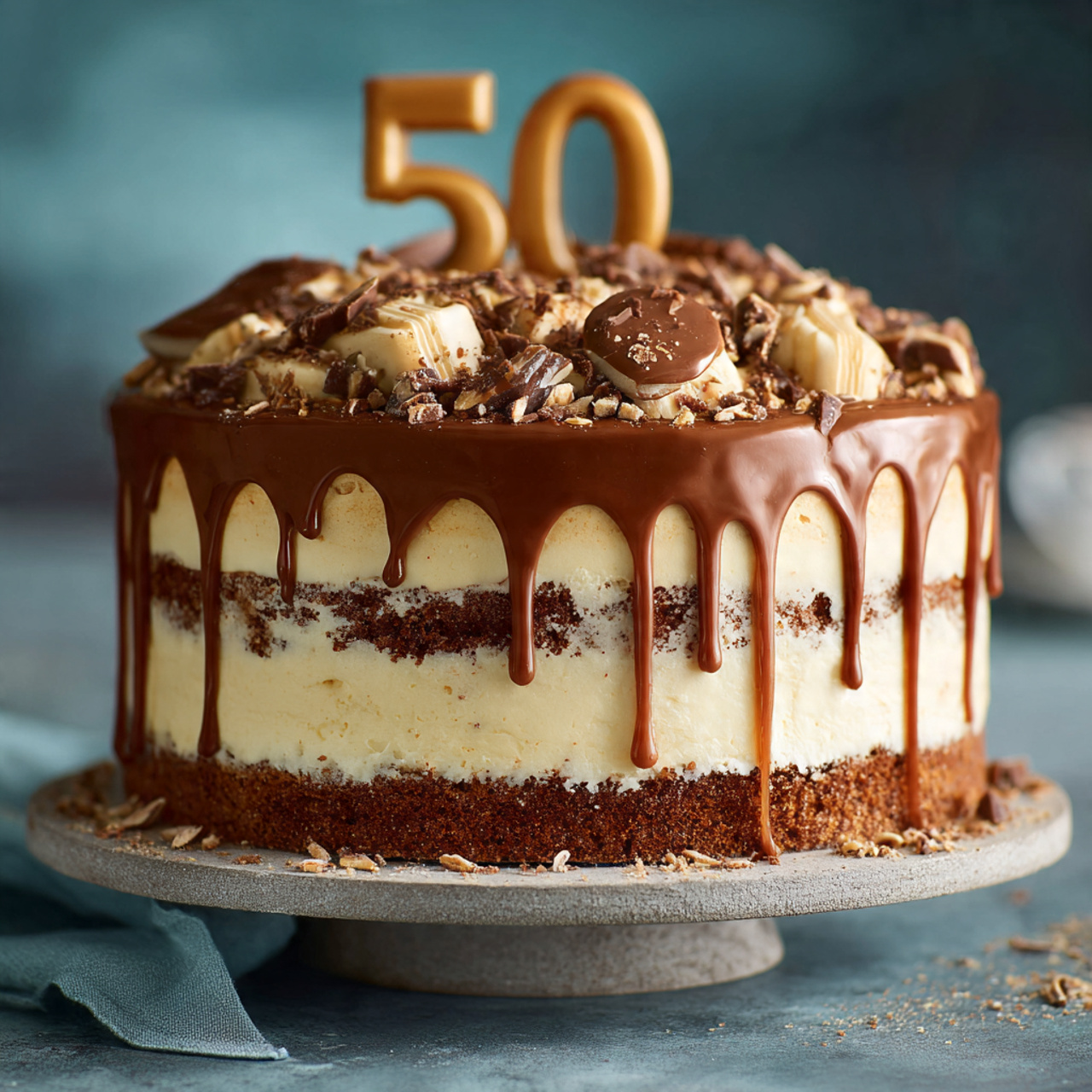
Picture layers that are genuinely soft — the kind that give gently under your fork before melting into something buttery, faintly sweet, and deeply satisfying. The frosting is smooth and creamy, holding its shape without feeling too heavy, with vanilla warmth woven all the way through. There’s a faint golden crispness at the edges that gives way to a tender, moist crumb inside. It smells the way celebration is supposed to smell — rich, warm, and unmistakably homemade.
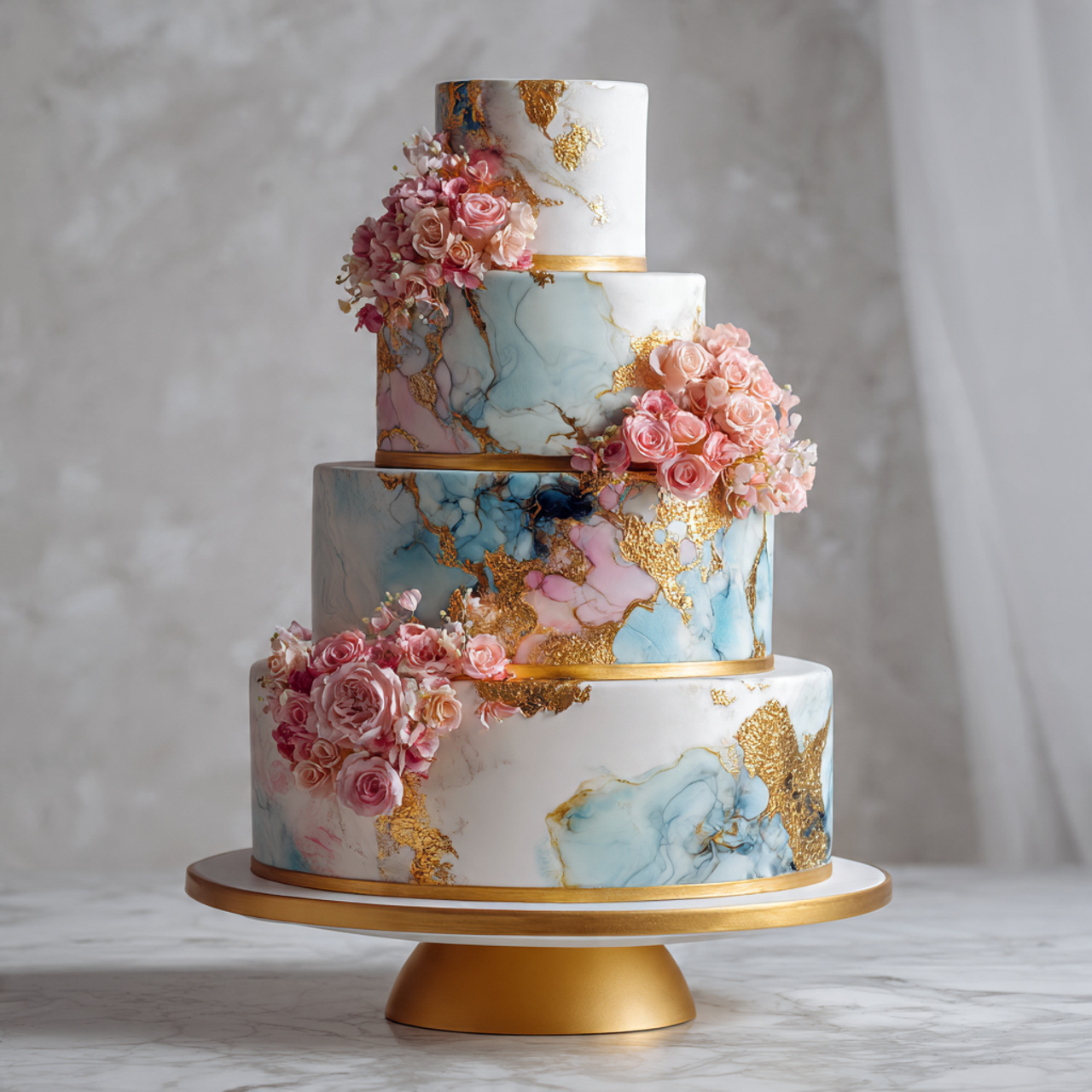
This cake was made for the moments worth remembering: a quiet family dinner with candles on the table, a surprise gathering where everyone squeezes in close, or even a calm afternoon of baking something meaningful just because someone special deserves it. It works beautifully as a classic homemade birthday cake or dressed up as a formal milestone cake with layered tiers and fresh flowers. Whatever the occasion, this recipe is steady, generous, and completely reliable. Let’s get into it.
Why You’ll Love This Recipe
The Flavor Is Perfectly Balanced
This cake leans into warmth and sweetness without tipping into “too much.” Vanilla runs through every element — cake and frosting alike — creating that classic, crowd-pleasing flavor that feels comforting rather than predictable. It’s rich enough to feel indulgent but light enough that a second slice feels completely justified.
The Texture Is Soft and Celebration-Worthy
When you cut into this cake, you get layers that are genuinely soft — not gummy, not crumbly, just right. That tender crumb comes from properly creamed butter and carefully incorporated flour, which means the structure holds beautifully while staying melt-in-your-mouth moist all the way through.
It’s Easier to Make Than It Looks
You don’t need a stand mixer, specialty tools, or hours in the kitchen to pull this off. The method is straightforward, and the steps are written so that first-time bakers can follow along without second-guessing. A little over an hour from start to finish, and you have something genuinely beautiful on your counter.
It’s a Crowd-Pleaser Across Every Age
This isn’t the kind of cake that divides a table. The classic vanilla flavor and light buttercream appeal to kids, adults, and the picky ones in the middle. Whether you’re serving four people or fourteen, this celebration cake holds its own as the centerpiece without anyone needing convincing.
It Adapts to Your Celebration Style
Keep it simple with smooth white frosting and a row of candles, or stack it into a full birthday layer cake with fruit and decorative touches. The base recipe gives you a canvas that works just as well for a quiet milestone at home as it does for a proper party with all the trimmings.
Ingredients
For the Cake
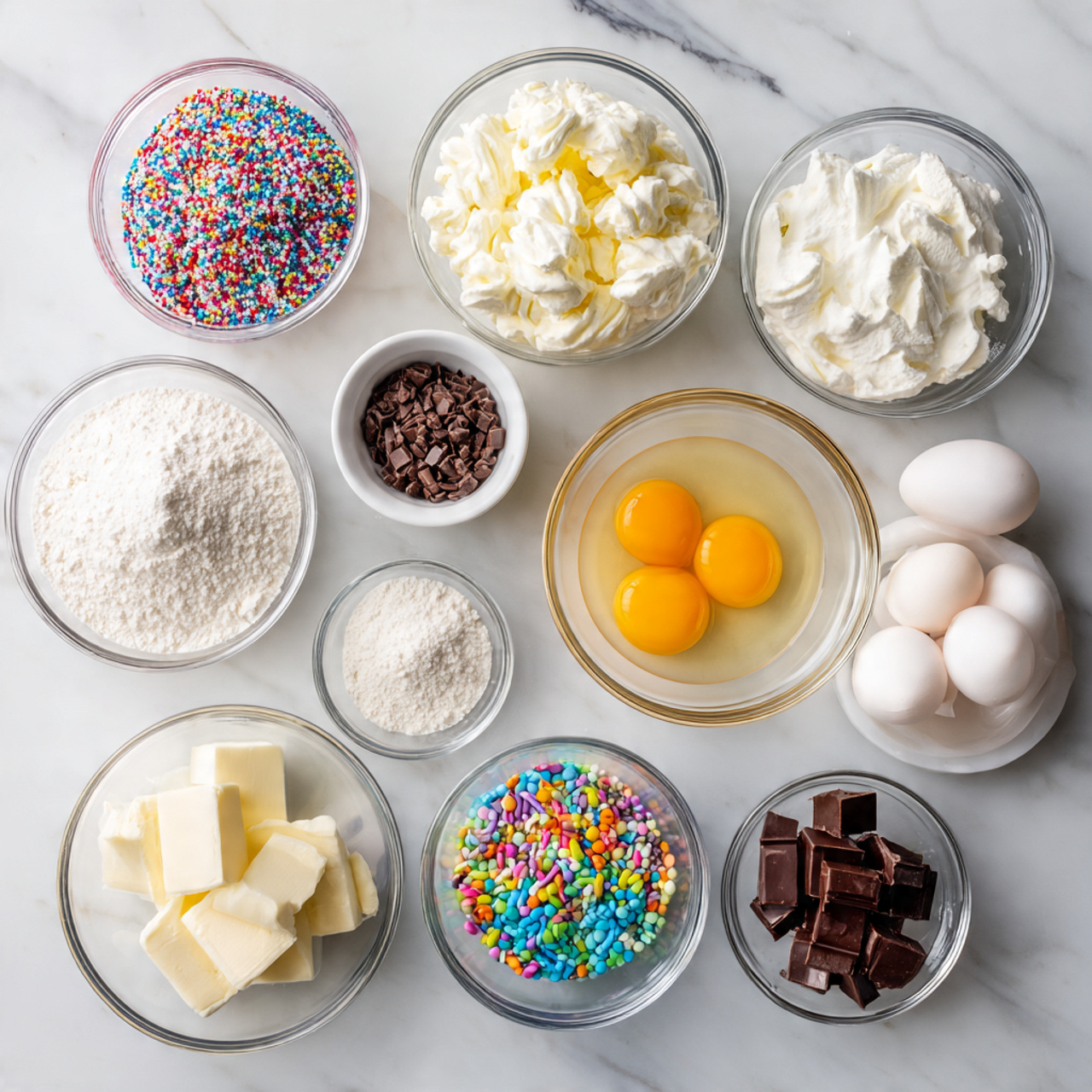
- 2 cups all-purpose flour
- 1½ cups sugar
- 1 cup unsalted butter (softened to room temperature — this step is non-negotiable)
- 4 eggs (room temperature)
- 1 cup milk (whole milk gives the best texture, though 2% works too)
- 2 tsp vanilla extract (pure, not imitation, for the cleanest flavor)
- 2 tsp baking powder
- ½ tsp salt
For the Frosting
- 1 cup unsalted butter (softened)
- 3 cups powdered sugar (sifted to prevent lumps)
- 2 tbsp milk (add gradually — consistency matters here)
- 1 tsp vanilla extract
The butter and vanilla in both the cake and frosting create a seamless, layered flavor that tastes unified rather than like two separate things. The buttercream is thick enough to hold its shape while still being easy to spread smoothly over the cooled layers.
How to Make 50th Birthday Cake — Step-by-Step
Step 1: Prep Your Pan and Preheat
Heat your oven to 180°C (350°F) and grease your cake pan generously. Line the bottom with a circle of parchment paper for a clean, intact release — you’ll be glad you did. Don’t worry if the parchment doesn’t lie perfectly flat right away; it settles once the batter fills in around it.
Step 2: Cream the Butter and Sugar
Add your softened butter and sugar to a large bowl and beat them together for a full 3–4 minutes, until the mixture looks noticeably pale, light, and fluffy. This is where the texture of your final cake is built — the air pockets created in this step are what keep the layers soft and give the cake an even rise. Don’t rush it, and don’t start with cold butter.
Step 3: Add the Eggs and Vanilla
Add your eggs one at a time, beating well after each addition before adding the next. Pour in the vanilla and mix until everything looks smooth and slightly glossy. Don’t worry if the batter looks a little curdled at this stage — that’s completely normal and smooths out as soon as the flour is incorporated.
Step 4: Fold In the Dry Ingredients and Milk
Add the flour, baking powder, and salt in three additions, alternating with the milk. Start with flour and end with flour. Use a spatula to fold gently, stopping as soon as no dry streaks remain. Overmixing here is the most common reason a celebration cake turns out chewy and dense — be patient, be gentle, and stop early.
Step 5: Bake Until Golden
Pour the batter into your prepared pan and smooth the top evenly. Bake for 30–35 minutes, until the top is golden and springs back when gently pressed, and a toothpick inserted in the center comes out clean with no wet batter attached. Don’t worry if the edges pull away from the pan slightly — that’s a sign it’s done and releasing naturally.
Step 6: Cool Completely, Then Frost
Let the cake cool in the pan for 15 minutes before turning it out onto a wire rack. Then wait — a full 20 minutes minimum, and more if you have the patience. Frosting a warm cake will melt your buttercream and cause it to slide right off. Beat the softened butter until fluffy, then add the powdered sugar one cup at a time, followed by the vanilla and milk gradually, until the frosting is smooth and spreadable. Frost generously and finish however feels right for the occasion.
Perfecting This Recipe
- Soften your butter properly. Leave it out for at least 30–45 minutes before you begin. It should hold a soft indent when pressed but shouldn’t look shiny or feel greasy.
- Alternate your flour and milk. Adding all the flour at once can lead to a heavy, uneven batter. Alternating additions keeps the emulsion stable and the crumb tender.
- Bake on the center rack. This ensures even heat from all sides and prevents the edges from setting before the center catches up.
- Test early. Every oven is slightly different. Start checking at the 28-minute mark to catch it before it overbakes.
- Cool fully before frosting. Patience here is the difference between a clean, beautiful finish and melting buttercream. Fully cooled means fully cooled.
- Sift the powdered sugar. Thirty seconds of effort prevents lumpy frosting that won’t smooth out no matter how long you beat it.
Common Mistakes to Avoid
- Using cold butter — Cold butter won’t cream properly regardless of how long you beat it. You’ll end up with dense, heavy batter and uneven rise. Always bring it fully to room temperature first.
- Overmixing after the flour goes in — Once dry ingredients are added, mix only until just combined. Overworking builds excess gluten and leaves you with a tough, rubbery texture that no amount of frosting can fix.
- Frosting a warm cake — Even slightly warm cake will melt buttercream on contact, creating a sliding, uneven mess. Full cooling time isn’t optional.
- Skipping the parchment liner — Even with a greased pan, cakes can stick. A parchment circle at the bottom costs nothing and ensures a clean, intact release every time.
- Adding all the milk to the frosting at once — Add one tablespoon at a time. Too much liquid too fast leads to runny frosting that won’t hold its shape or pipe cleanly.
Add Your Touch
- Spread a layer of lemon curd between the cake layers for a bright, tangy contrast to the vanilla frosting.
- Fold a handful of mini chocolate chips into the batter before baking for a classic, crowd-pleasing twist.
- Swap the vanilla extract in the frosting for almond extract to add a nutty, elegant note.
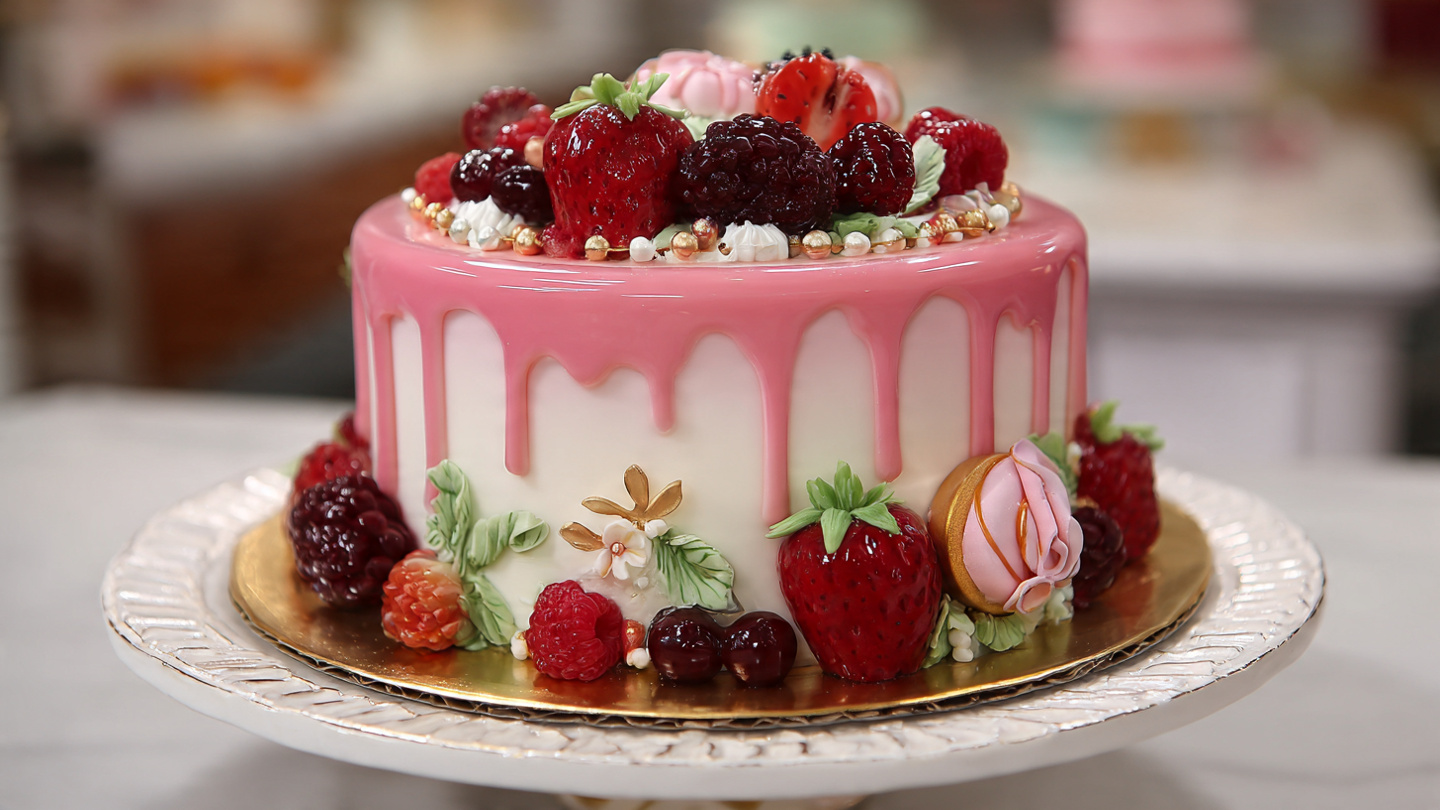
- Top the frosted cake with fresh berries, edible gold leaf, or rosette piping for a more polished milestone cake presentation.
- Add a pinch of cardamom or cinnamon to the dry ingredients for a subtly warm, spiced undertone.
- Drizzle a chocolate ganache around the top edge for an indulgent, bakery-style finish that looks impressive with almost no extra effort.
Visit Also: Sonic Cake
What to Serve With This
A strong pot of Earl Grey or a rich dark roast coffee pairs beautifully with the vanilla sweetness — the slight bitterness cuts through every bite perfectly. A scoop of vanilla bean or strawberry ice cream alongside a warm slice is genuinely difficult to improve on. Fresh berries served on the side add color, brightness, and a welcome tart contrast. For a full celebration spread, a light sparkling lemonade or a glass of Champagne feels exactly right next to this cake. If you want to extend the dessert table, a small plate of shortbread or chocolate truffles rounds it out without competing for attention.
Storing and Serving
Fridge Store the frosted cake in an airtight container or covered loosely with plastic wrap in the refrigerator for up to 4 days. The frosting helps seal in moisture, so the layers stay soft even after a couple of days in the fridge.
Freezer Wrap unfrosted cake layers tightly in two layers of plastic wrap, then a layer of foil, and freeze for up to 2 months. Thaw overnight in the fridge and frost the day you plan to serve. Individual frosted slices can also be frozen — wrap each one well and thaw at room temperature before serving.
Reheating This cake is best enjoyed at room temperature. If it’s been refrigerated, let it sit out for 20–30 minutes before slicing so the crumb softens back up. A few seconds in the microwave works for a single slice, but watch it — the frosting melts quickly.
Make-Ahead Tip Bake the cake layers up to two days ahead and store them tightly wrapped at room temperature. Make the frosting fresh on the day of serving for the best finish. Once assembled and frosted, the cake keeps well overnight in the fridge.
Servings This recipe yields approximately 10–12 generous slices depending on how you cut it.
Nutrition (Approximate Per Serving)
- Calories: ~340
- Total Fat: 18g
- Saturated Fat: 11g
- Carbohydrates: 42g
- Sugar: 30g
- Protein: 5g
- Sodium: 180mg
Nutritional values are approximate and may vary based on specific ingredients and brands used.
Chef’s Helpful Tips
- Room temperature ingredients make a real difference. Butter, eggs, and milk all at room temp incorporate smoothly and evenly. Cold ingredients can cause the batter to split or stay lumpy even after extended mixing.
- Tap your pan on the counter before baking. A firm tap releases large air pockets trapped in the batter and helps the top bake more evenly with a flatter surface.
- Use a serrated knife for clean slices. A gentle sawing motion through a chilled cake gives you neat, bakery-clean cuts without tearing or crumbling.
- Adjust frosting consistency carefully. If it’s too stiff, add milk half a teaspoon at a time. If it’s too loose, add another tablespoon of powdered sugar and beat again.
- For extra-moist layers, brush the cooled cake lightly with a simple syrup — equal parts sugar and hot water, stirred until dissolved — before frosting. It’s a small step that makes a noticeable difference, especially if you’re making a stacked two-layer version.
Frequently Asked Questions
Q1. Can I make this 50th Birthday Cake ahead of time? Absolutely — this is actually a great make-ahead recipe. Bake the layers a day or two before the celebration, wrap them well, and store at room temperature. Frost on the morning of the party for the freshest look and texture.
Q2. What can I use instead of milk in the batter? Any unsweetened plant-based milk works well here — oat, almond, or soy all give a very similar result. The texture won’t change noticeably, though full-fat oat milk tends to be closest to whole cow’s milk in richness and body.
Q3. Is this recipe beginner-friendly? Very much so. The steps are simple and forgiving, and there’s no complex technique involved — just proper mixing order and patience during cooling. If this is your first time baking a celebration cake from scratch, this is a genuinely good place to start.
Q4. Can I turn this into a stacked birthday layer cake? Yes — just divide the batter evenly between two greased 8-inch round pans and bake for about 25–28 minutes instead of the full 30–35. Stack the cooled layers with frosting in between for a classic presentation that looks stunning on any milestone table.
Q5. Can I freeze this cake? You can. Unfrosted layers freeze beautifully for up to 2 months — wrap them tightly and thaw overnight in the fridge before frosting. A fully assembled and frosted cake can also be frozen, though the buttercream texture may change slightly after thawing.
Conclusion
There’s something quietly meaningful about baking a cake from scratch for someone you love — especially when the occasion is one of life’s real milestones. This 50th Birthday Cake isn’t complicated, and that’s exactly what makes it so fitting. It’s the kind of cake that shows care without demanding perfection, that tastes genuinely homemade in the best possible way, and that looks beautiful whether you keep it simple or decide to go all out with layers and decoration.
So preheat the oven, soften the butter, and give yourself the time to make something worth remembering. Whether this is your first celebration cake or one of many, this recipe will be there for you — steady, reliable, and delicious every single time. Share it with the people who matter, make it your own with a personal touch, and enjoy every last slice.
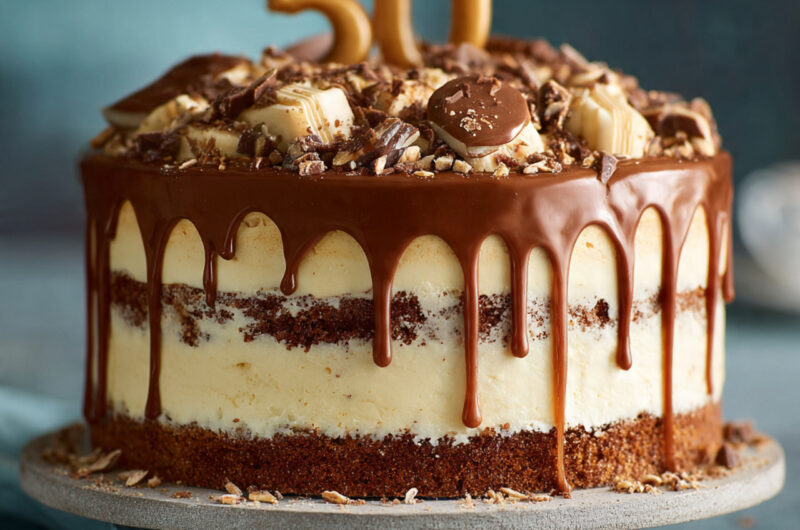
Incredibly Soft 50th Birthday Cake
Course: Trending Cake4
servings15
minutes35
minutes340
kcal1
hour10
minutesA buttery, tender vanilla cake with creamy buttercream frosting — easy enough for any home baker and special enough for a milestone birthday celebration worth remembering.
Ingredients
For the Cake:
2 cups all-purpose flour
1½ cups sugar
1 cup unsalted butter, softened
4 eggs
1 cup milk
2 tsp vanilla extract
2 tsp baking powder
½ tsp salt
For the Frosting:
1 cup unsalted butter, softened
3 cups powdered sugar
2 tbsp milk
1 tsp vanilla extract
Directions
- Preheat oven to 180°C (350°F). Grease cake pan and line the bottom with parchment paper.
- Beat softened butter and sugar together for 3–4 minutes until pale and fluffy.
- Add eggs one at a time, beating well after each. Mix in vanilla.
- Fold in flour, baking powder, and salt in three additions, alternating with the milk. Mix until just combined — do not overmix.
- Pour batter into prepared pan and bake 30–35 minutes until golden and a toothpick comes out clean.
- Cool in pan for 15 minutes, then turn out onto a rack. Cool completely before frosting.
- Beat butter for frosting until fluffy. Add powdered sugar one cup at a time. Mix in vanilla and milk gradually until smooth and spreadable.
- Frost the cooled cake and serve.