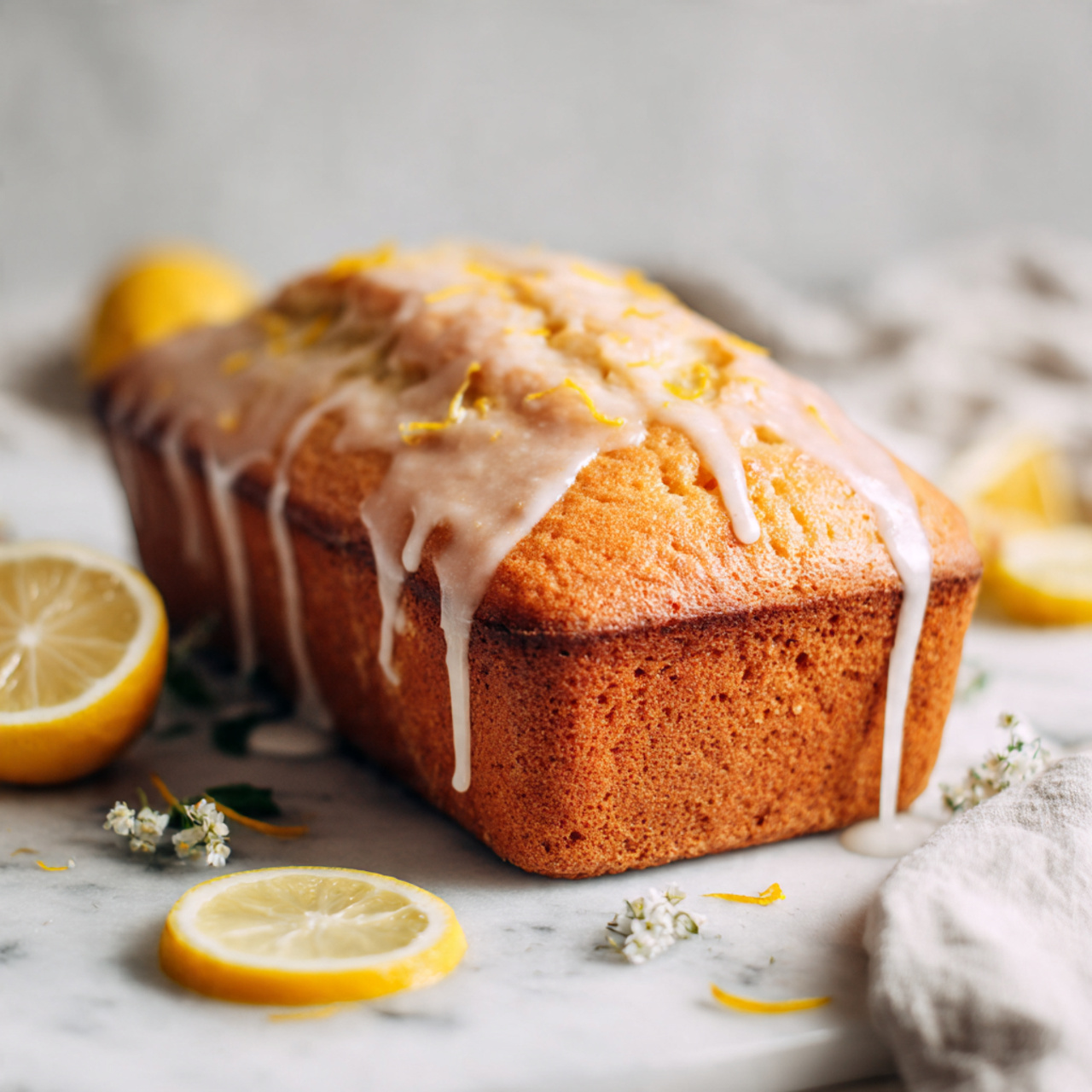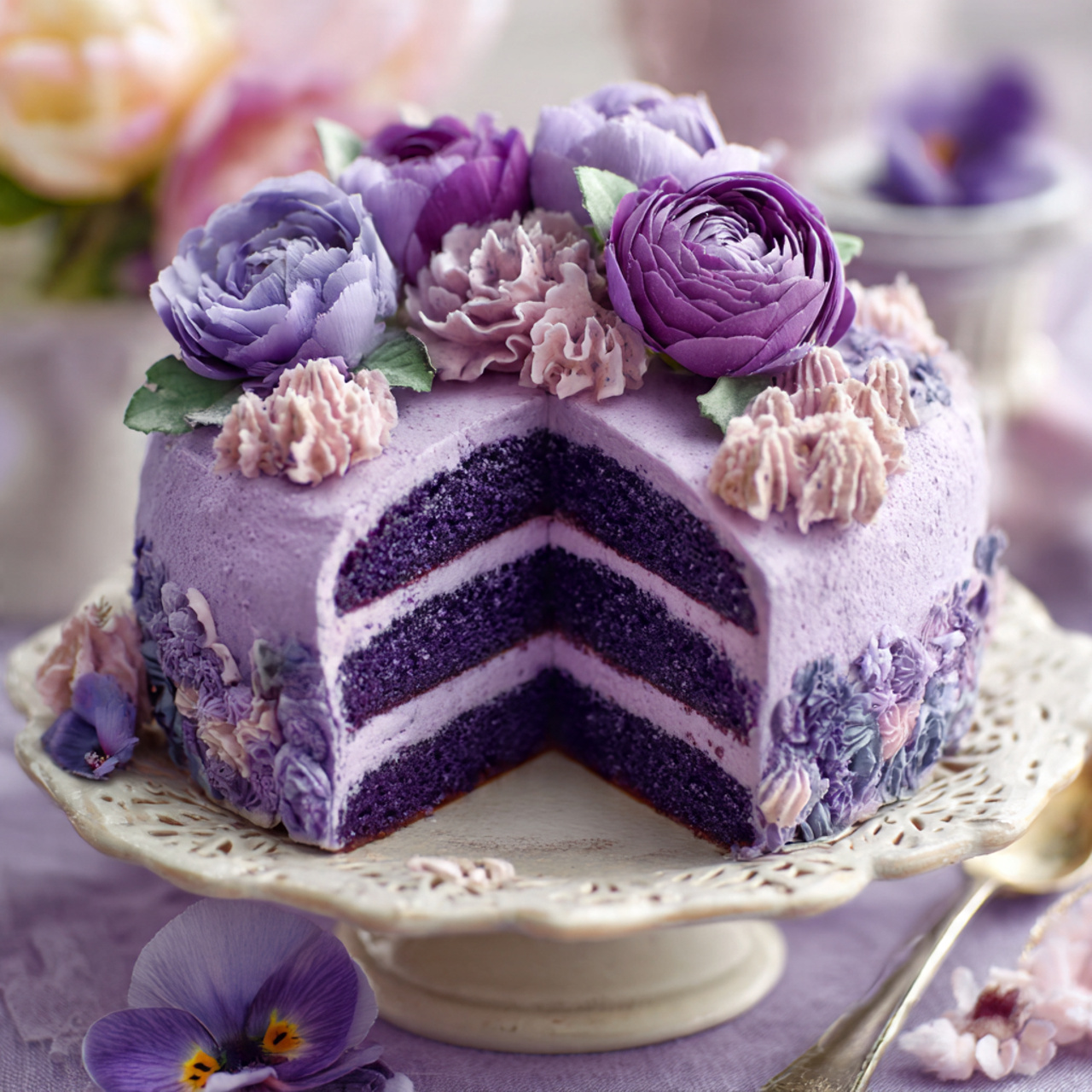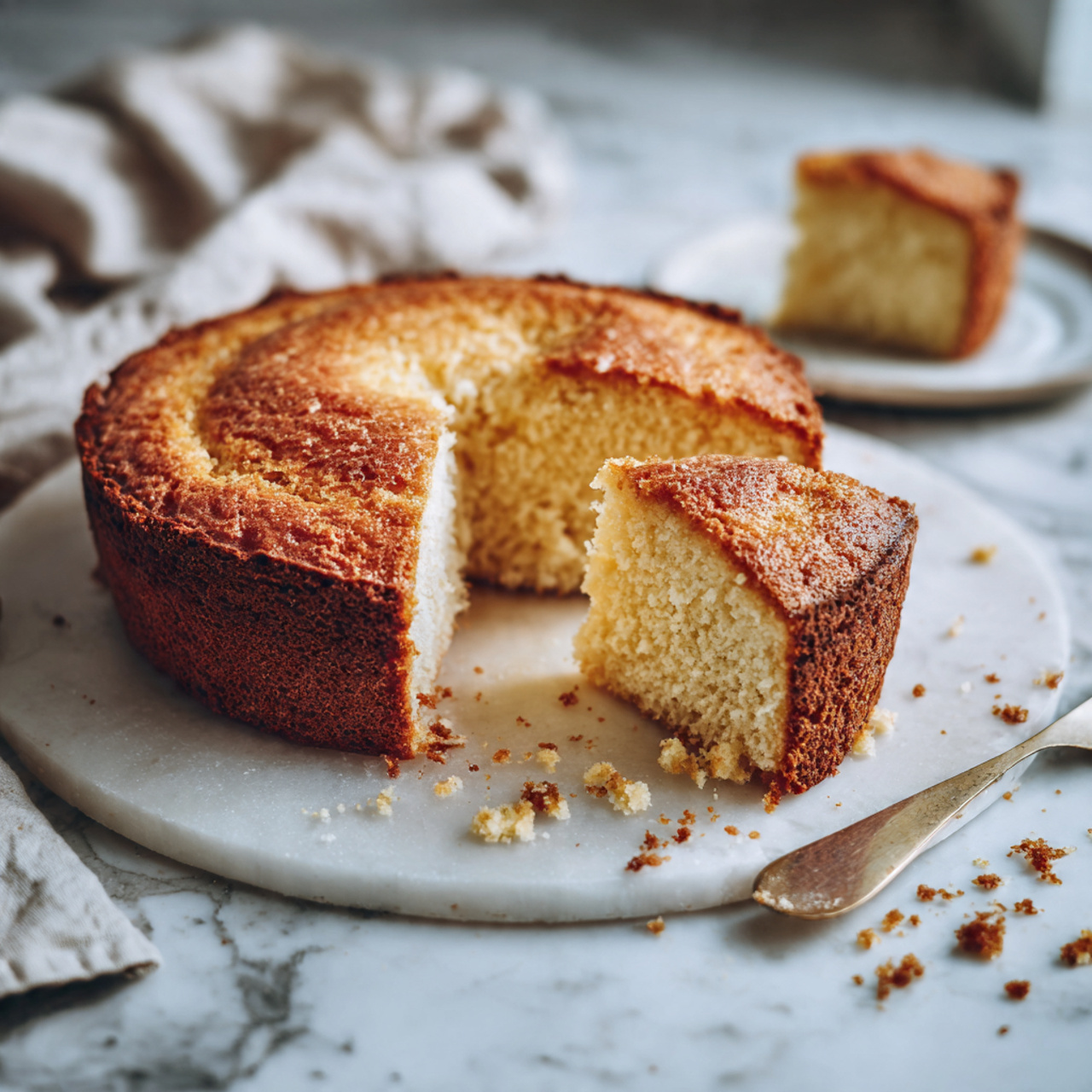
The Most Elegant Modern Wedding Cake You Can Actually Bake at Home
Most homemade cakes meant for celebrations end up dense in the middle, lopsided between layers, or drowned in cloying frosting that overpowers everything else. The real culprit is almost always a rushed batter and butter that was never properly creamed. This modern wedding cake recipe was built to fix all of that — giving you a clean, polished result that looks intentional and tastes genuinely special.
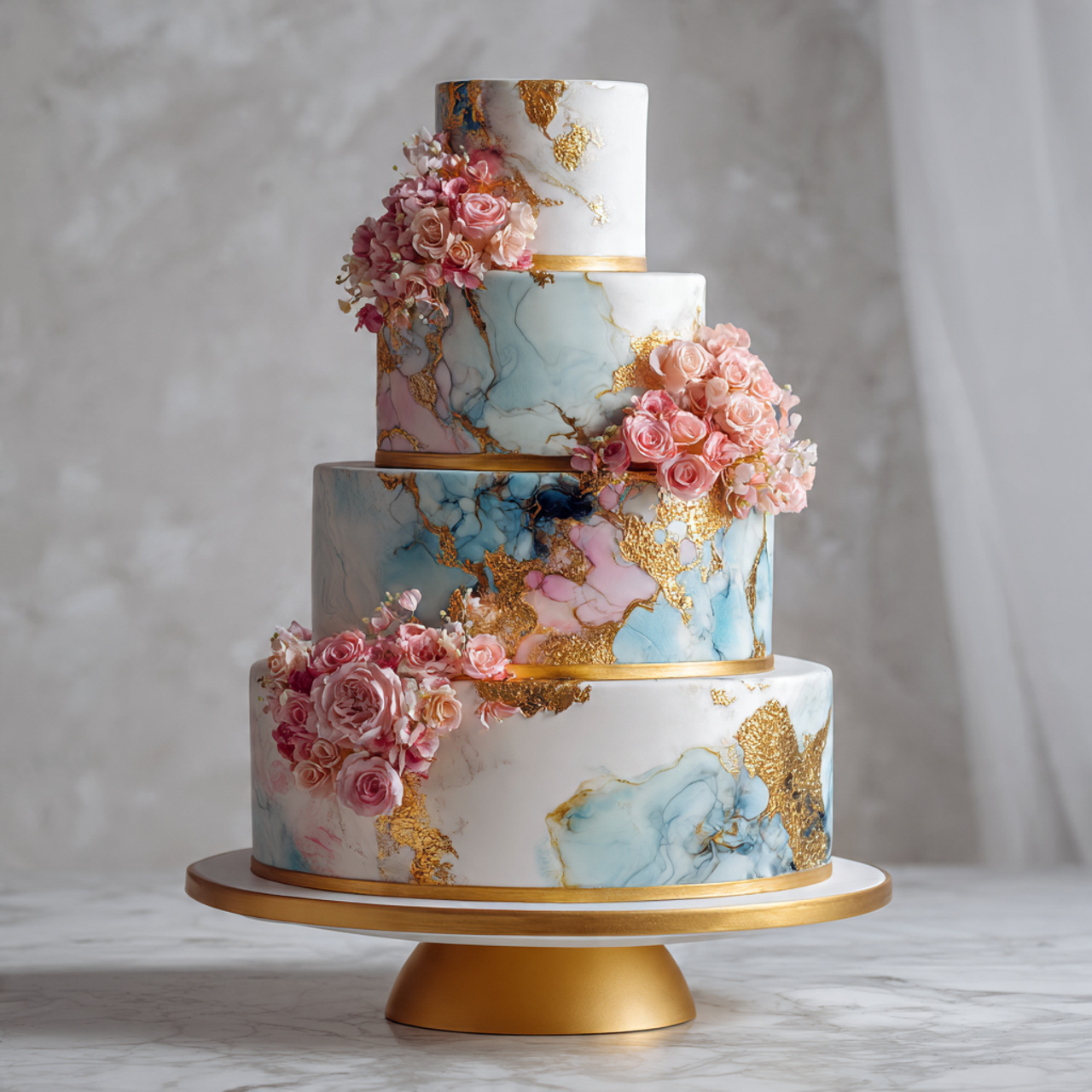
Picture this: a cake with a fine, tender crumb that pulls apart in soft ribbons, a pure vanilla scent that fills the kitchen while it bakes, and a frosting so silky and light it melts the moment it hits your tongue. The layers sit flush and even. The finish is smooth without being fussy. It’s the kind of cake that makes people assume you ordered it from somewhere.
This recipe is exactly what you need for an intimate backyard wedding, a small anniversary dinner, a milestone birthday, or a quiet celebration that still deserves something beautiful. It scales up without drama and keeps its texture beautifully for days. Whether you’re baking this for two people or twenty, by the time you read the last step, you’ll already know you can do this.
Why You’ll Love This Recipe
It Has the Most Perfectly Balanced Flavor
The combination of real vanilla, good butter, and just the right amount of sugar means nothing here tastes artificial or one-note. The cake is sweet without being sugary, rich without feeling heavy. Every bite delivers that warm, classic flavor that makes people close their eyes for a second.
The Texture Is Genuinely Soft and Tender
This batter is mixed just enough to develop structure without becoming tough. The result is a fine, even crumb that stays moist from day one all the way through day three. No dry edges, no gummy center — just a consistently soft slice every time.
It’s Simple Enough for Everyday Bakers
You don’t need a stand mixer, pastry training, or specialty equipment to make this work. If you can cream butter and sugar and fold a batter gently, you can make this cake. The steps are straightforward, the timing is forgiving, and the ingredients are things you likely already have on hand.
It Works for Almost Any Occasion
This modern wedding cake isn’t fussy about where it shows up. It’s elegant enough for a celebration cake, relaxed enough for a Sunday tea, and easy enough to pull together on a weeknight when someone you love deserves something homemade. It adapts to the moment.
It Keeps Beautifully
Few things are more frustrating than a cake that’s perfect the day you bake it and stale by the next morning. This one holds its moisture and flavor for several days, which means you can bake it ahead, frost it when you’re ready, and serve it without stress.
Ingredients
For the Cake Layers
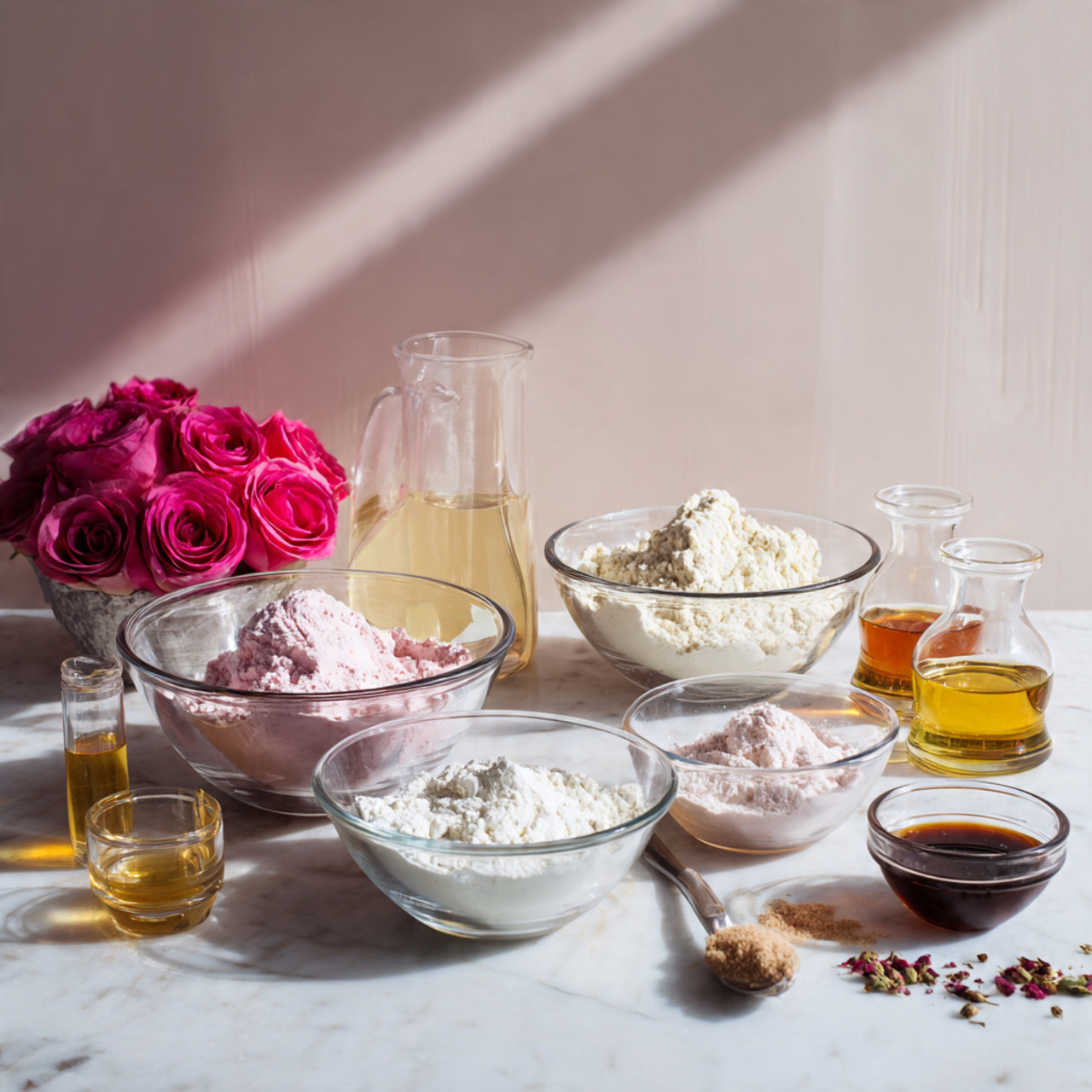
- 2½ cups all-purpose flour
- 2½ teaspoons baking powder
- ½ teaspoon salt
- 1 cup unsalted butter, softened (this is the foundation of your flavor — don’t skip the softening step)
- 1¾ cups granulated sugar
- 4 large eggs (room temperature blends more smoothly)
- 1 tablespoon pure vanilla extract (pure, not imitation — it makes a noticeable difference here)
- 1 cup whole milk (full-fat gives the best crumb)
For the Frosting
- 1 cup unsalted butter, softened
- 3 cups powdered sugar, sifted (sifting prevents lumps without extra effort)
- 2–3 tablespoons milk (add gradually to control thickness)
- 1 teaspoon pure vanilla extract
Together, the butter cake layers and the vanilla frosting create a pairing that feels both classic and clean — the kind of flavor profile that lets the texture shine without competing with it.
How to Make Modern Wedding Cake — Step-by-Step
Step 1: Prepare Your Pans and Oven
Preheat your oven to 180°C (350°F) and position a rack in the center. Grease two 8-inch round cake pans generously and line the bottoms with parchment paper — this is what guarantees your layers will release cleanly without tearing. Don’t worry if your parchment circles aren’t perfectly cut; a rough circle works just as well as a precise one.
Step 2: Whisk the Dry Ingredients
In a medium bowl, whisk together the flour, baking powder, and salt until fully combined. Set this aside. Taking this small step separately means you won’t accidentally end up with pockets of baking powder in the finished cake, which can cause bitter spots and uneven rising.
Step 3: Cream the Butter and Sugar
Add the softened butter and granulated sugar to a large bowl and beat together for 3 to 4 full minutes, until the mixture is noticeably pale, fluffy, and increased in volume. This is one of the most important steps in the whole recipe — properly creamed butter traps air that gives your cake its lift and light texture. Don’t worry if it takes a minute longer; you’re looking for a mixture that looks almost whipped and feels soft when pressed.
Step 4: Add Eggs and Vanilla, Then Fold in the Batter
Add the eggs one at a time, mixing well after each addition. Stir in the vanilla extract. Then, alternating between the flour mixture and the milk, gently fold everything together in three additions — starting and ending with the flour. Stop mixing the moment the batter looks smooth and no dry flour streaks remain. It should pour easily into the pans but hold its shape slightly rather than running flat. Don’t worry if there are one or two small lumps; overmixing to chase them out will make the cake tough.
Step 5: Bake, Cool, and Frost
Divide the batter evenly between your prepared pans and smooth the tops with a spatula. Bake for 25 to 30 minutes, until the tops are lightly golden and a toothpick inserted into the center comes out with only dry crumbs — not wet batter. Let the cakes cool in their pans for 10 minutes, then turn them out onto a wire rack and cool completely before frosting. For the frosting, beat the softened butter until fluffy, then gradually add the powdered sugar, milk, and vanilla until the frosting is smooth, light, and easy to spread. Spread a generous layer between the two cooled cake rounds, then frost the top and sides to finish.
Perfecting This Recipe
- Make sure your butter is soft but not melted — it should leave an indent when pressed but still hold its shape
- Use room temperature eggs; cold eggs can cause the batter to look curdled, though it will usually come back together as you mix
- Measure flour using the spoon-and-level method rather than scooping directly from the bag, which compacts it and can lead to a dense crumb
- Alternate adding dry and wet ingredients to prevent the batter from becoming stiff or lumpy
- Let the cakes cool completely before frosting — even slightly warm layers will melt your frosting and make it slide
- When frosting, start with a thin crumb coat, chill for 15 minutes, then apply the final layer for a cleaner finish
- Sift your powdered sugar before beating it into the frosting to avoid a grainy texture
Common Mistakes to Avoid
Using butter that’s too cold — Cold butter won’t cream properly, which means the batter won’t trap air and your layers will come out denser than they should. Pull it out of the fridge at least an hour before you begin.
Overmixing the batter — Once the flour goes in, you’re developing gluten with every stroke. Mix only until the batter looks smooth and cohesive. Overmixing turns a tender cake into a springy, chewy one.
Opening the oven door too early — Checking the cake before the 20-minute mark lets heat escape and can cause the center to sink. Wait until you’re close to the minimum baking time before opening.
Frosting a warm cake — This is one of the most common reasons for melted, sliding frosting. Even if the outside of the cake feels cool, the inside can still hold heat. Give it at least an hour on the rack.
Skipping the parchment paper — Greasing alone isn’t enough. Without parchment, there’s a real chance the bottom of your layers will stick and tear when you try to remove them.
Add Your Touch
- Stir lemon zest into the batter for a bright, citrusy lift that complements the vanilla beautifully
- Add ½ teaspoon of almond extract alongside the vanilla for a subtle floral depth
- Spread a thin layer of strawberry jam or lemon curd between the layers before frosting for a fruit-forward version
- Fold in a caramel filling between the layers to give it a warm, butterscotch richness
- Use plant-based butter and non-dairy milk in equal amounts to make a dairy-free version that holds up just as well
- Top with fresh berries, edible flowers, or a dusting of powdered sugar for a minimal, modern presentation
Visit Also: Lego Cake
What to Serve With This
Fresh strawberries or sliced peaches alongside each slice balance the richness of the frosting with a bright, juicy contrast. A pot of Earl Grey or a simple chamomile tea makes this feel like a proper afternoon celebration. For something more indulgent, a scoop of vanilla bean ice cream on the side turns each slice into a full dessert plate. If you’re serving this at a gathering, a light sparkling wine or elderflower cordial pairs beautifully with the vanilla notes in the cake.
Storing and Serving
Fridge Store the frosted cake in an airtight container or under a cake dome in the refrigerator for up to 3 days. Individual slices can be wrapped in plastic wrap for easy grab-and-go storage.
Freezer Unfrosted cake layers freeze exceptionally well. Wrap each cooled layer tightly in plastic wrap, then again in foil, and freeze for up to one month. Thaw overnight in the fridge before frosting. Frosted slices can also be frozen, though the frosting texture may change slightly.
Reheating This cake is best served at room temperature. Remove it from the fridge at least 30 minutes before serving to let the crumb soften and the frosting lose its chill. If you’re reheating individual slices, 10 seconds in the microwave is enough — any longer and the frosting melts.
Make-Ahead Tip Bake the cake layers up to one day ahead and store them wrapped at room temperature. Prepare the frosting fresh on the day you plan to serve, then assemble and frost just a few hours before cutting.
Servings This recipe yields approximately 10 to 12 slices from a standard two-layer 8-inch cake.
Nutrition (Approximate Per Serving)
- Calories: 380
- Total Fat: 18g
- Saturated Fat: 11g
- Carbohydrates: 52g
- Sugar: 36g
- Protein: 5g
- Sodium: 175mg
Nutritional values are approximate and may vary based on specific ingredients and brands used.
Chef’s Helpful Tips
- Take your butter out of the fridge at least an hour before baking — softened butter creams in minutes; cold butter fights you the entire way
- Use a toothpick or a thin skewer rather than a knife to test doneness; a clean toothpick tells you more accurately than a visual check
- For clean, even slices, run your knife under hot water, wipe it dry, and cut in one smooth downward motion — no sawing
- The quality of your vanilla extract matters more in a simple recipe like this than in complex ones; pure extract gives the cake its warmth and depth
- If your frosting feels too stiff, add milk one teaspoon at a time; if it’s too soft, add powdered sugar in small increments rather than large dumps
Frequently Asked Questions
Q1. Can I make this cake ahead of time? Absolutely — this is actually one of the best recipes for advance preparation. Bake the layers a day before and keep them wrapped at room temperature, then frost on the day you plan to serve. The cake tastes just as good, and you avoid the last-minute rush that leads to rushing the cooling process.
Q2. Can I substitute the butter in the frosting? Yes, plant-based butter works in equal amounts and gives you a very similar texture and flavor. Stick to a solid block-style plant-based butter rather than a soft spread, which tends to be too wet and can make the frosting loose.
Q3. Is this recipe beginner-friendly? Very much so. If you’ve made a box cake before, you already have the skills for this. The technique that matters most is creaming the butter and sugar well — everything else is just mixing and folding. Take your time on that one step and the rest comes together naturally.
Q4. How far ahead can I make this for a party or gathering? You can bake and freeze unfrosted layers up to a month in advance. For a frosted, fully assembled cake, two days ahead is the sweet spot — the layers stay moist and the frosting holds its texture without absorbing fridge odors.
Q5. Can I freeze the finished cake? Yes. Freeze individual slices on a tray until firm, then wrap tightly and store in a freezer-safe container for up to one month. Let slices thaw in the fridge overnight or at room temperature for about an hour before eating.
Conclusion
There’s a reason simple, well-made cakes never go out of style. This modern wedding cake earns its place at any table not because it’s elaborate, but because it’s made with care and gets every foundational thing exactly right. The layers are soft, the frosting is balanced, and the flavor is the kind that feels both familiar and a little special at the same time.
Make it once and you’ll understand why it becomes a go-to. It’s the cake you’ll reach for when someone’s birthday deserves more than a box mix, when a gathering calls for something homemade, or when you simply want to bake something that feels like it matters. Try it, make it your own, and share a slice with someone who’ll appreciate it.
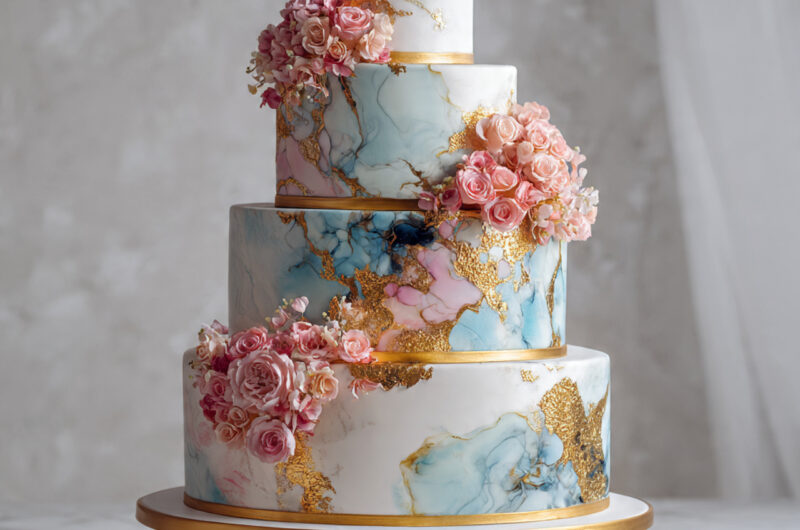
Modern Wedding Cake
Course: Cake4
servings20
minutes30
minutes380
kcal1
hour10
minutesA beautifully soft, two-layer vanilla butter cake with silky frosting — clean in flavor, elegant in presentation, and completely achievable at home. Perfect for intimate celebrations, anniversaries, or any occasion that calls for something genuinely special.
Ingredients
Cake Layers
2½ cups all-purpose flour
2½ teaspoons baking powder
½ teaspoon salt
1 cup unsalted butter, softened
1¾ cups granulated sugar
4 large eggs
1 tablespoon pure vanilla extract
1 cup whole milk
Frosting
1 cup unsalted butter, softened
3 cups powdered sugar, sifted
2–3 tablespoons milk
1 teaspoon pure vanilla extract
Directions
- Preheat oven to 180°C (350°F). Grease two 8-inch round pans and line with parchment.
- Whisk flour, baking powder, and salt in a bowl. Set aside.
- Beat butter and sugar together for 3–4 minutes until pale and fluffy.
- Add eggs one at a time, mixing after each. Stir in vanilla.
- Alternating in thirds, fold in the flour mixture and milk until just combined. Do not overmix.
- Divide batter between pans and smooth the tops.
- Bake 25–30 minutes until golden and a toothpick comes out clean.
- Cool in pans for 10 minutes, then turn onto a rack and cool completely.
- Beat frosting ingredients together until smooth and fluffy. Add milk gradually to adjust consistency.
- Frost between layers, then cover the top and sides. Slice and serve.