The Softest Christening Cake That Makes Every Special Moment Feel Like Home
Most homemade celebration cakes come out one of two ways: too dense and dry, or so demanding to decorate that the whole experience becomes more stressful than joyful. You spend the morning of the event anxious about a cake instead of savoring the day. This Christening Cake recipe was built around the opposite — a soft, tender vanilla bake that comes together without fuss and looks quietly beautiful on any table, every single time.
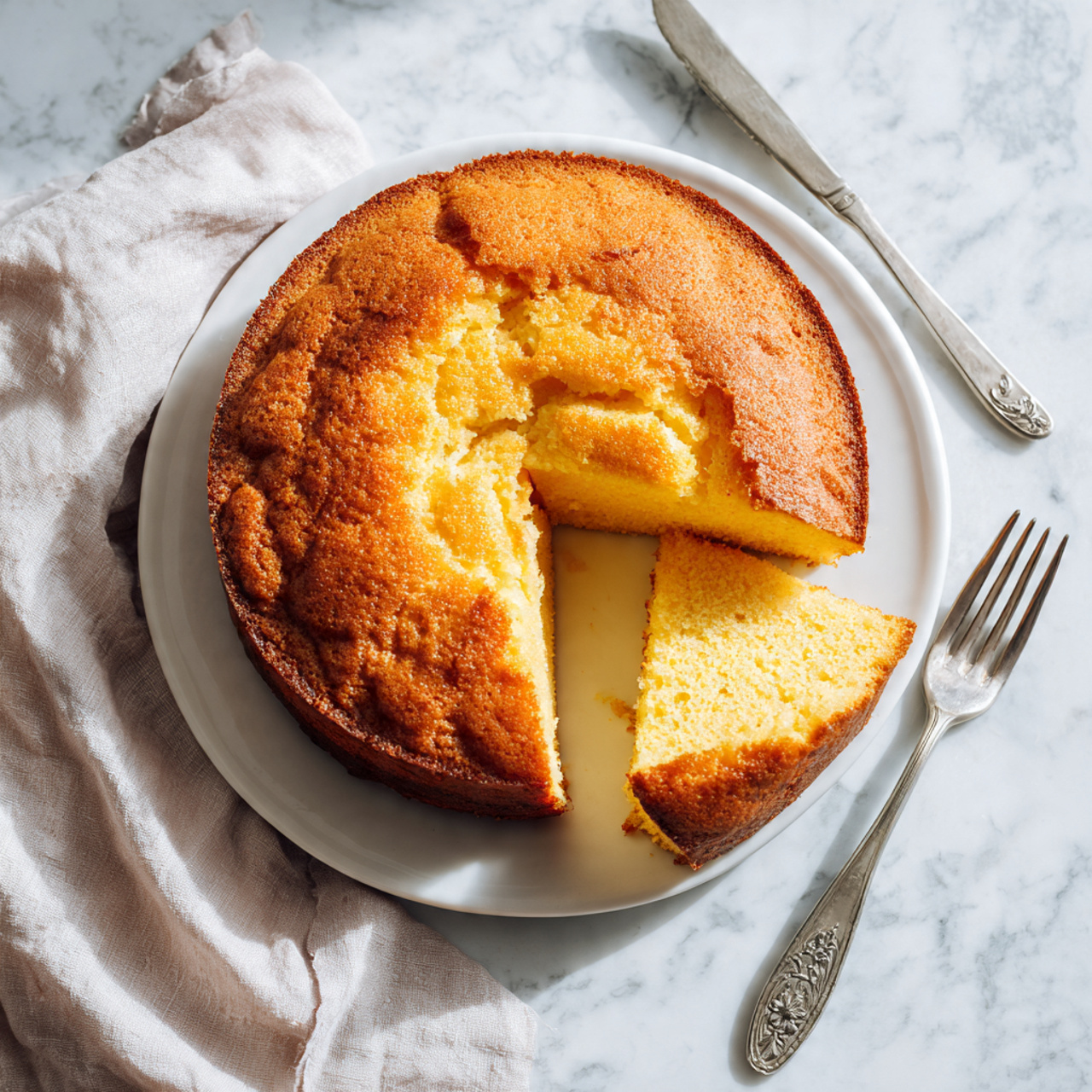
Close your eyes for a second and picture it: a cake with a perfectly even, feather-light crumb that yields at the gentlest pressure. The vanilla scent fills the kitchen long before the oven timer goes off — warm, buttery, and unmistakably homemade. Each bite is tender and lightly sweet, with a smooth whipped cream frosting that melts as it meets the soft layers beneath. It’s the kind of thing that tastes like a warm hug before you’ve even taken a proper bite.
Whether you’re gathering a handful of close family for an intimate Christening ceremony or hosting a full afternoon of guests at a celebration dinner, this easy homemade cake adapts beautifully to the moment. It’s just as welcome at a quiet weekend brunch as it is centred on a reception table, surrounded by flowers and good company. Whenever you need something heartfelt, reliable, and genuinely delicious, this is the recipe you’ll reach for first.
Why You’ll Love This Recipe
It Bakes Up Perfectly Tender, Every Single Time
The batter is designed to stay soft even if your timing is slightly off or your oven runs a little hot. Because the mixing method focuses on not overdeveloping the gluten, you get a delicate, even crumb that holds together cleanly when sliced — no crumbling, no dense patches, no unpleasant surprises when you lift the first slice.
The Flavor Is Gentle Enough for Every Guest at the Table
This cake leans into pure, classic vanilla warmth with just the right level of sweetness — not too sugary, not too plain. It’s the kind of flavor that pleases grandparents and toddlers alike, which makes it especially ideal for a milestone occasion where three generations might be sitting down together.
It Comes Together with Simple Pantry Staples
There’s nothing here that requires a special shopping trip. All-purpose flour, butter, eggs, milk, and vanilla — the kind of ingredients most home bakers already have on hand. Simple doesn’t mean basic, though; these humble components come together into something genuinely lovely.
You Can Prepare It a Full Day Ahead
One of the best things about this moist vanilla cake is that it actually improves overnight. Bake it the evening before, let it rest covered on the counter, frost it the next morning, and it’ll be softer and more flavorful than if you’d rushed it the same day. That’s a genuine gift on a busy celebration schedule.
It Looks Beautiful Without Any Decorating Skills
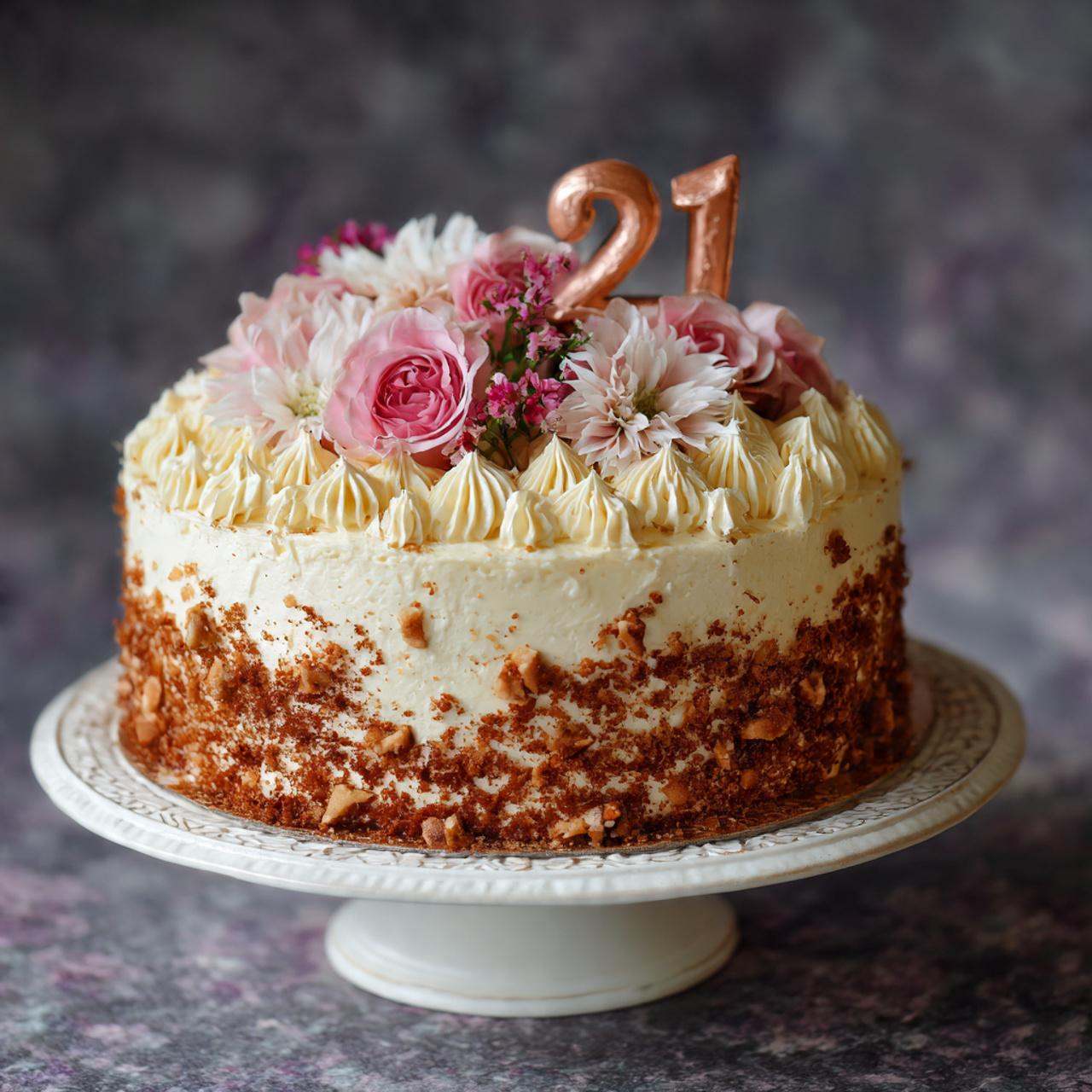
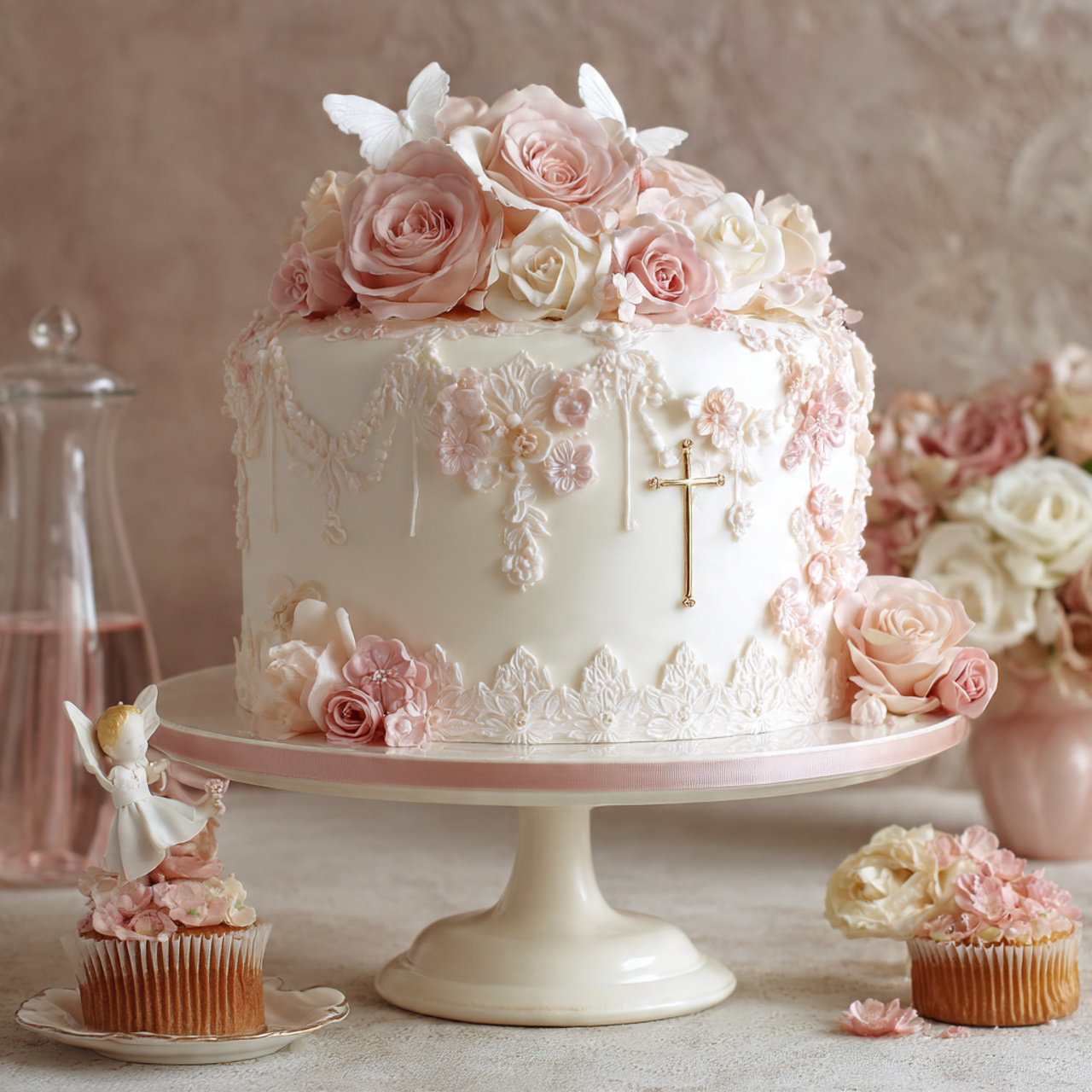
The finished cake — soft white frosting, clean edges, a gentle natural swirl on top — looks like it came from a small bakery without requiring any professional technique. It suits the tone of a Christening perfectly: graceful, understated, and full of care.
Ingredients
For the Cake Batter
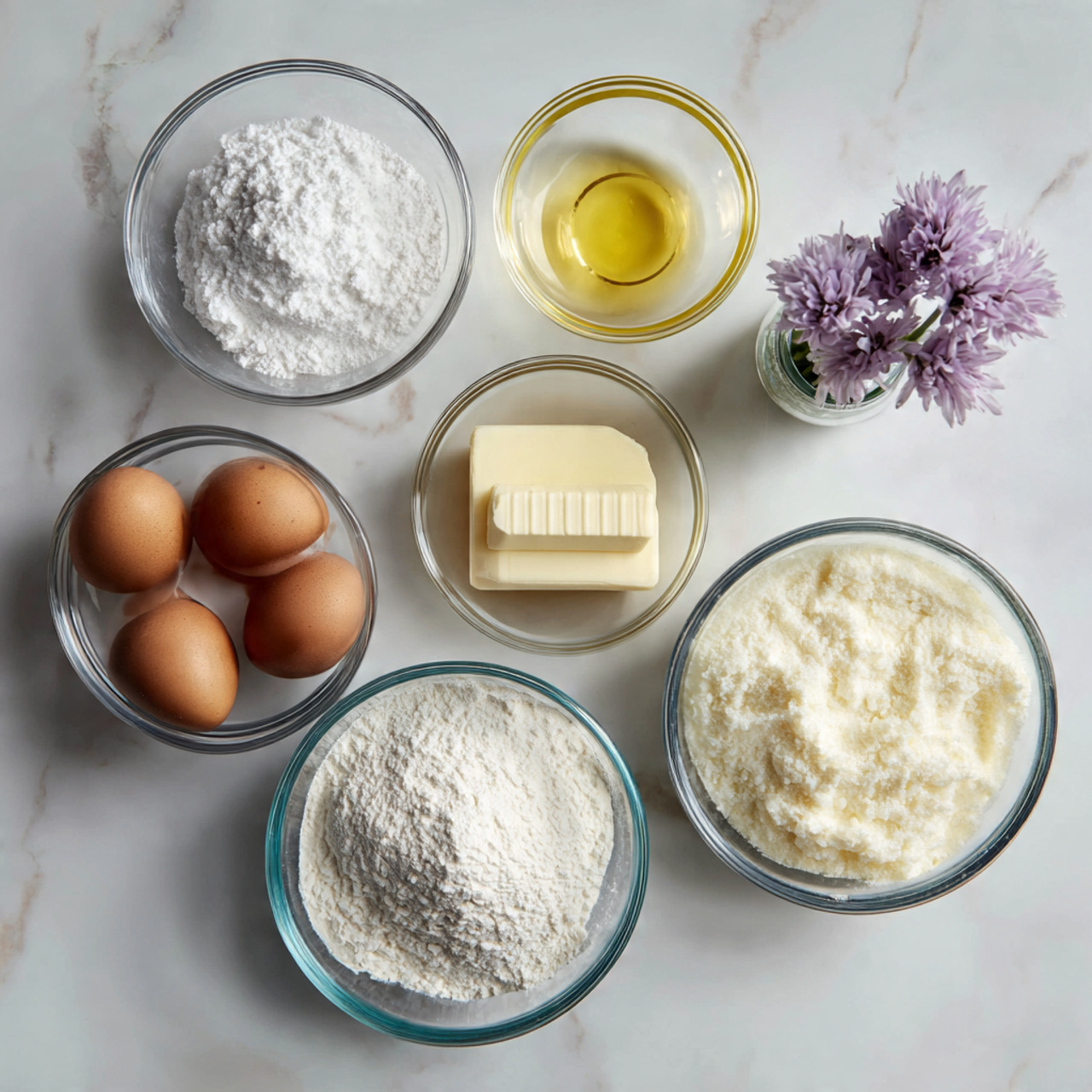
- 2 cups all-purpose flour
- 1 cup sugar
- ½ cup unsalted butter (softened to room temperature — this matters more than most people realize)
- 3 eggs (at room temperature for a smoother batter)
- 1 cup milk (whole milk gives the richest, most tender result)
- 2 tsp vanilla extract (pure, not imitation — the flavor difference is noticeable)
- 2 tsp baking powder
- ¼ tsp salt
For the Whipped Cream Frosting
- 1 cup heavy whipping cream (keep it cold, straight from the fridge, until you’re ready to whip)
- 2 tbsp powdered sugar (sifted so it dissolves cleanly into the cream)
The softened butter and pure vanilla carry most of the flavor here, while the eggs and milk work together to keep the crumb moist and cohesive from edge to center. The whipped cream frosting is intentionally light — it lets the cake itself be the star rather than competing with a heavy layer of sweetness.
How to Make Christening Cake — Step-by-Step
Step 1: Prepare Your Oven and Pan
Preheat your oven to 180°C (350°F) and grease a medium round cake pan generously, then line the base with a circle of parchment paper. This extra thirty seconds guarantees a clean, intact release every time — no tearing, no sticking, no ruined edges. Don’t worry if the sides look less perfectly greased than the base; a gentle pass with a butter knife after baking will free them easily.
Step 2: Combine the Dry Ingredients
In a medium bowl, whisk the flour, baking powder, and salt together until evenly blended. Whisking rather than just dumping them in distributes the leavening evenly, which is what gives the cake its consistent, even rise from centre to edge. Set the bowl aside — you’ll fold this into the wet mixture in just a few steps.
Step 3: Cream the Butter and Sugar, Then Build the Batter
In a large mixing bowl, beat the softened butter and sugar together for a full 3–4 minutes until the mixture is pale, noticeably fluffy, and has increased in volume. This is the step that builds the cake’s entire texture, so don’t rush it. Add the eggs one at a time, beating well after each addition, then pour in the milk and vanilla. The batter may look slightly separated or curdled at this stage — don’t worry if it does. It will come together perfectly once the dry ingredients are folded in.
Step 4: Fold Together and Bake
Gently fold the dry ingredients into the wet mixture using a spatula, stirring just until the last streak of white flour disappears. Pour the batter into the prepared pan, smooth the surface lightly, and bake for 30–35 minutes. The top should turn a soft, even golden color and a toothpick inserted into the center should come out with a few dry crumbs — not wet batter. Don’t worry if the edges look slightly more done than the center at the 28-minute mark; that’s perfectly normal.
Step 5: Cool Completely, Then Frost
Let the cake rest in the pan for 10 minutes before turning it out onto a wire rack to cool for at least another 20 minutes — patience here is genuinely worth it. While it cools, beat the cold whipping cream and powdered sugar together until soft, billowy peaks form. Spread the frosting over the completely cooled Christening Cake in gentle swoops using a palette knife or the back of a large spoon. A natural, slightly imperfect finish suits this cake far better than anything overly polished.
Perfecting This Recipe
- Use butter that’s genuinely soft — not melted, and definitely not straight from the fridge. It should leave a clean indent when you press it. This is what allows it to cream properly with the sugar and trap air into the batter.
- Don’t cut the creaming time short. Three to four full minutes of beating the butter and sugar together is what gives this cake its light, uniform crumb. A pale, fluffy mixture means you’re on the right track.
- The moment the last streak of flour disappears into the batter, stop mixing. Every extra stir builds more gluten and pulls the texture from tender toward tough — and no one wants a chewy celebration cake.
- Bring your eggs and milk to room temperature before you begin. Cold ingredients can cause the butter-based batter to seize slightly, which affects both the emulsion and the final rise.
- Resist the urge to open the oven door before the 25-minute mark. A sudden drop in oven temperature during the early bake can cause the centre to sink.
- The frosting goes on a fully cooled cake — not a warm one. Even a slightly warm crumb will melt the whipped cream and cause it to slide and pool rather than hold its shape.
Common Mistakes to Avoid
- Using cold butter — Cold butter can’t cream properly with the sugar, which means air never gets incorporated into the batter. The result is a flat, dense cake that feels heavy instead of light and tender. Soft butter is non-negotiable.
- Overmixing once the flour goes in — This is the most common reason a vanilla cake turns out chewy or rubbery. Once the dry ingredients are added, the goal is to combine — nothing more. Put the spatula down as soon as the batter looks smooth.
- Frosting a warm cake — Whipped cream is delicate and unforgiving. If the cake hasn’t fully cooled, the frosting will melt on contact, slide off the surface, and leave you with a soggy, uneven result. Wait it out.
- Pulling the cake out too early — A moist interior right after baking isn’t the same as a done cake. If your toothpick comes out with wet batter, not just a few moist crumbs, it needs more time. Underbaked centers collapse as they cool.
- Skipping the parchment paper — Greasing the pan alone sometimes isn’t enough when you need a presentable celebration cake. The parchment guarantees a clean, intact base every time, especially if you’re transporting it to a venue.
Add Your Touch
- Stir a teaspoon of finely grated lemon zest into the batter for a bright, citrusy lift that plays beautifully off the vanilla.
- Swap the whipped cream frosting for a simple buttercream — equal parts softened butter and sifted powdered sugar — if you need something more stable in warm weather or for longer transport.
- Spread a thin layer of strawberry or raspberry jam across the cake before adding the frosting for a gentle fruity note that makes each slice feel a little more layered.
- Replace half the milk with plain full-fat yogurt to add moisture and a very subtle tang that rounds out the sweetness nicely.
- Press a few fresh edible flowers into the frosting just before serving — effortlessly elegant and perfectly suited to a Christening table.
- A single drop of pure almond extract alongside the vanilla deepens the flavor in a quiet, sophisticated way that most people can’t quite place but everyone notices.
Visit Also: Mango Cake
What to Serve With This
A pot of Earl Grey or chamomile tea is the most natural companion to this cake — the lightness of both makes the pairing feel effortless. A small platter of fresh seasonal berries alongside each slice adds color and a bright, refreshing contrast to the whipped cream frosting. Still or sparkling water with sliced lemon keeps the table feeling elegant without competing with the flavor of the cake. For little ones, a cold glass of milk alongside their slice turns a celebration moment into a small, sweet memory. If you’re serving adults only, a light Prosecco or sparkling wine pairs beautifully with the vanilla and cream without overpowering them.
Storing and Serving
Fridge Store the frosted cake in an airtight container in the refrigerator for up to 3 days. The crumb stays genuinely soft throughout, especially if the container is properly sealed.
Freezer Freeze the unfrosted cake only. Wrap individual slices tightly in cling wrap, then place them in a freezer-safe bag or container. They’ll keep well for up to one month. Thaw at room temperature for a couple of hours, then add fresh frosting before serving.
Reheating This cake is best enjoyed at room temperature — not reheated. If it’s been refrigerated, let it sit out for 20–30 minutes before serving so the crumb softens and the frosting loses its chill.
Make-Ahead Tip Bake the cake the evening before your celebration and store it unfrosted, wrapped in cling wrap, on the counter overnight. Frost it the morning of the event. This actually improves the texture — the crumb firms up slightly and holds cleaner, more beautiful slices.
Servings This recipe yields approximately 8–10 generous slices.
Nutrition (Approximate Per Serving)
- Calories: 260
- Total Fat: 12g
- Saturated Fat: 7g
- Carbohydrates: 34g
- Sugar: 18g
- Protein: 5g
- Sodium: 130mg
Nutritional values are approximate and may vary based on specific ingredients and brands used.
Chef’s Helpful Tips
- Take your butter, eggs, and milk out of the fridge at least 30 minutes before you start. Room-temperature ingredients blend far more smoothly and help the batter rise evenly across the full pan.
- If your oven tends to run hot, check the cake at 28 minutes rather than 30. A slightly overbaked edge is the difference between a cake that slices cleanly and one that crumbles at the crust.
- For perfectly clean, presentation-ready slices, refrigerate the frosted cake for 20 minutes first, then use a sharp knife dipped in warm water and wiped dry between each cut.
- The quality of your vanilla extract genuinely matters in a recipe this simple — pure vanilla gives a warmer, more rounded flavor that imitation versions can’t replicate, and it shows in the finished cake.
- If the cake turns out denser than expected, check whether your baking powder is still fresh. Old leavening quietly loses its potency and is one of the most common hidden culprits behind flat or heavy cakes.
Frequently Asked Questions
Q1. Can I make this Christening Cake the day before? Absolutely — and honestly, you should. Bake the cake, let it cool completely, wrap it snugly, and leave it on the counter overnight. Frost it the morning of your event for the freshest look and best texture. It actually tastes slightly better after resting overnight as the flavors settle in.
Q2. Can I use oil instead of butter? Yes, you can substitute the same quantity of neutral vegetable oil. The cake will come out slightly more moist and a touch denser — still delicious — but you’ll lose a little of that rich, buttery depth. It’s a perfectly workable swap, especially if you’re out of butter.
Q3. Is this a good recipe for a first-time baker? It’s genuinely one of the most beginner-friendly celebration cakes you’ll find. The steps are clear, the ingredients are forgiving, and there’s no complicated technique to master. If you can measure ingredients, mix a batter, and set a timer, you can make this cake successfully on the first try.
Q4. Can this be made ahead for a Christening gathering? It’s actually ideal for that exact scenario. Bake and frost it the day before, store it in an airtight container in the fridge, and bring it out 30 minutes before serving so it comes to room temperature. It travels well and slices cleanly, even after refrigeration.
Q5. Can I freeze the finished cake? Freeze it without the frosting for the best result. Wrap the cooled, unfrosted cake (or individual slices) tightly in cling wrap and freeze for up to one month. Thaw at room temperature, then top with fresh whipped cream just before serving so the frosting looks its best.
Conclusion
There are certain recipes that don’t need to be complicated to feel genuinely meaningful — and this Christening Cake is exactly that. Soft, quietly elegant, and built entirely from ingredients most kitchens already hold, it carries the rare quality of feeling effortless and special at exactly the same time. Whether you’re baking it for a table of four or a room full of family, it fits the moment without demanding anything complicated from you.
Go ahead and make it your own. Add a hint of lemon, tuck in a layer of jam, or keep it perfectly, simply plain — every version of this cake is a good one. And if it earns a permanent place in your collection, somewhere between the recipes you reach for on ordinary evenings and the ones you bring out for the moments that matter most, then it’s done exactly what it was always meant to do.
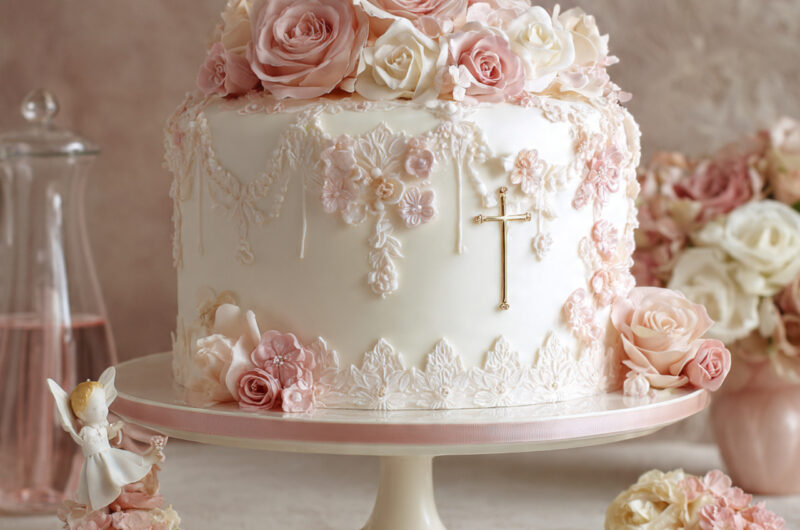
Soft Christening Cake with Whipped Cream Frosting
Course: Cake4
servings15
minutes30
minutes260
kcal1
hour20
minutesThis gentle vanilla cake bakes up with a perfectly tender, moist crumb and a light whipped cream frosting. Simple, beautifully unfussy, and ideal as the centrepiece of any Christening celebration or intimate family gathering.
Ingredients
For the Cake Batter
2 cups all-purpose flour
1 cup sugar
½ cup unsalted butter, softened
3 eggs
1 cup milk
2 tsp vanilla extract
2 tsp baking powder
¼ tsp salt
For the Whipped Cream Frosting
1 cup heavy whipping cream
2 tbsp powdered sugar
Directions
- Preheat oven to 180°C (350°F). Grease and line a medium round cake pan with parchment paper.
- Whisk flour, baking powder, and salt together in a bowl. Set aside.
- Beat softened butter and sugar until pale and fluffy, about 3–4 minutes. Add eggs one at a time, beating well after each. Mix in milk and vanilla.
- Fold dry ingredients into wet mixture until just combined. Do not overmix.
- Pour batter into prepared pan and bake 30–35 minutes, until golden and a toothpick comes out clean.
- Cool in pan 10 minutes, then transfer to a wire rack and cool completely.
- Whip cold cream and powdered sugar to soft peaks. Spread over cooled cake and serve.