The Fluffiest Homemade Sponge Cake That Melts in Your Mouth Every Time
Most sponge cakes come out flat, dense, or rubbery — and it almost always comes down to one step people rush through: beating the eggs. Skip the full whip time and you’re left with a heavy crumb instead of that signature cloud-like rise. This recipe fixes that from the very first step, so you get tall, airy, bakery-soft results every single time.
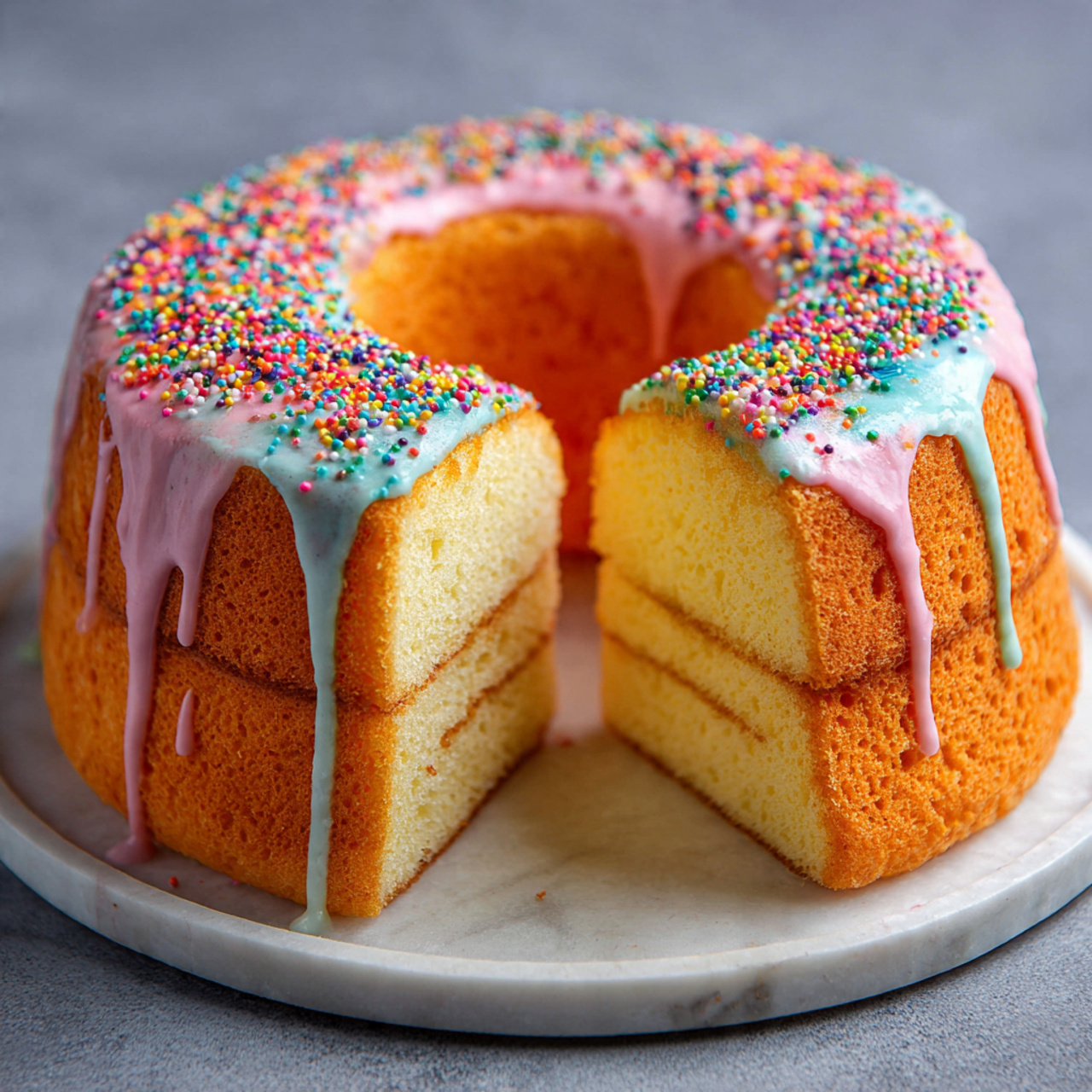
Picture a slice that’s pale gold on the outside and impossibly light inside — the kind that springs back gently when you press the center. The crumb is fine and feathery, with a quiet vanilla warmth that doesn’t compete with anything you pair it with. There’s something deeply satisfying about it, the sort of cake you keep reaching for without quite meaning to.
This easy sponge cake recipe fits every occasion you can think of — a birthday table, a lazy weekend tea, last-minute guests, or a Thursday afternoon when you just want something soft and homemade. It’s the kind of light sponge cake that earns its spot in your permanent rotation, and once you try it, you’ll understand why it’s been a kitchen staple for generations. Let’s get started.
Why You’ll Love This Recipe
It’s Lighter Than Any Cake You’ve Bought
The airy, cloud-soft texture comes from properly beaten eggs — no cake flour, no fancy equipment, no shortcuts needed. Once you nail that one technique, every single bake turns out beautifully tall and delicate.
The Flavor Is Gentle, Versatile, and Never Boring
A soft vanilla warmth runs through every bite, making this homemade sponge cake equally happy served plain, dusted with powdered sugar, or layered with whipped cream and fresh fruit. It’s a blank canvas that works with almost anything.
You Can Have It Ready in Under an Hour
From mixing bowl to cooling rack, this recipe takes less than 50 minutes. The ingredient list is short, the steps are forgiving, and you almost certainly have everything in your kitchen right now.
It Scales Beautifully for Any Crowd
Whether you’re baking for two or feeding a full table, this fluffy sponge cake holds its texture, slices cleanly, and looks lovely on any plate without needing decoration or extra effort.
It Stays Soft for Days
Unlike dry store-bought sponges, this one stays tender when stored properly. Bake it the night before and it’ll taste just as good the next day — sometimes even better.
Ingredients
For the Batter
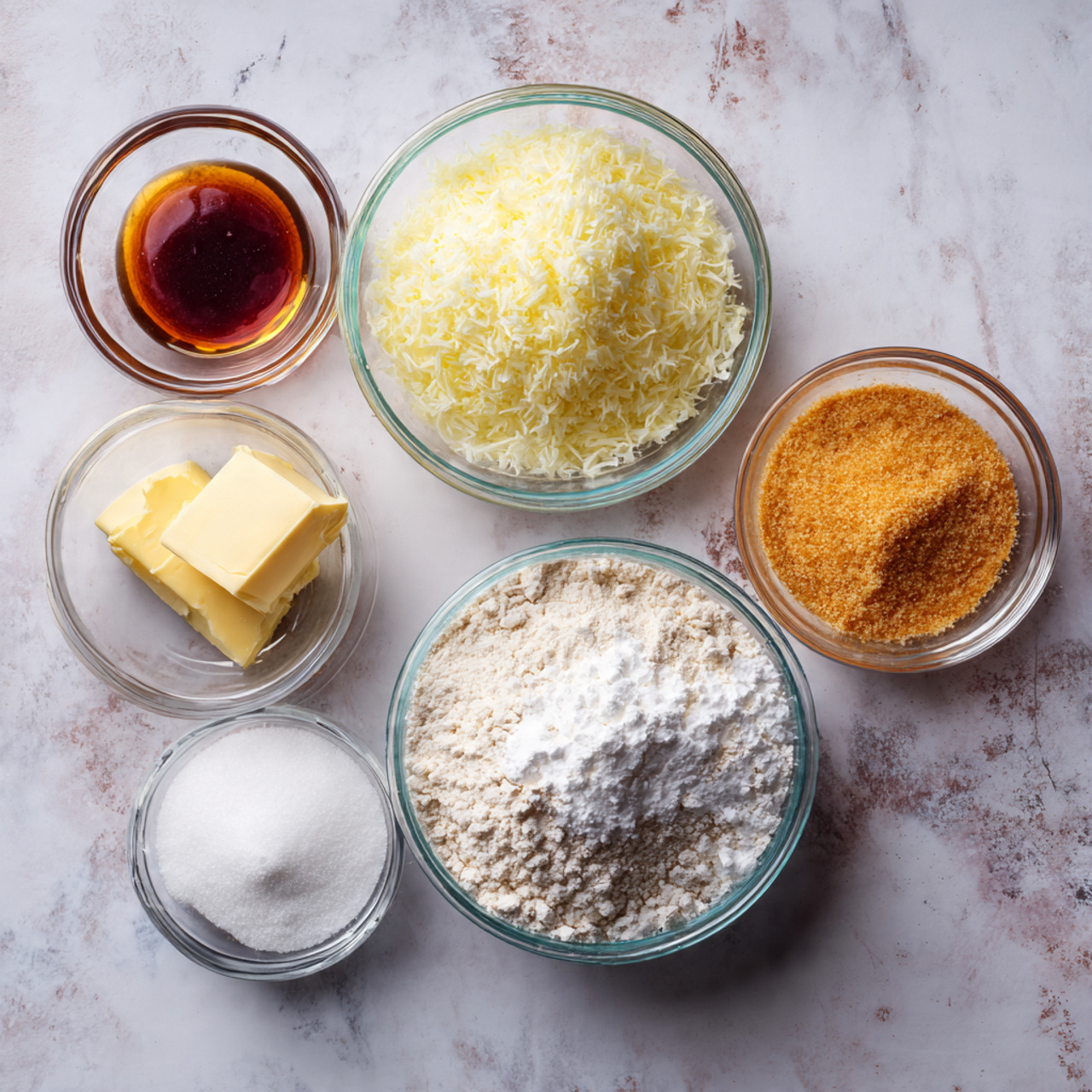
- 4 large eggs (room temperature — essential for a proper rise)
- 1 cup (200g) granulated sugar
- 1 cup (125g) all-purpose flour
- 1 teaspoon baking powder
- ¼ cup (60ml) whole milk (plant-based milk also works well)
- ¼ cup (60ml) neutral oil or melted butter (butter adds a richer flavor)
- 1 teaspoon pure vanilla extract (not imitation — it genuinely makes a difference)
The eggs and sugar form the backbone of this cake, creating structure and lift through air alone. The oil keeps the crumb moist and tender long after it cools, which is why this stays soft for days instead of drying out overnight.
How to Make Sponge Cake — Step-by-Step
Step 1: Prep Your Pan and Oven
Preheat your oven to 180°C (350°F) and grease a 9-inch round baking pan. Line the bottom with parchment paper for a clean release — sponge cake likes to cling and parchment makes a real difference. While the oven heats up, take your eggs out of the fridge if you haven’t already; room temperature eggs whip to a much greater volume and give you that signature rise.
Step 2: Beat the Eggs and Sugar Until Pale and Ribbon-Like
This is the heart of the whole recipe. Using a hand mixer or stand mixer, beat the eggs and sugar together on medium-high speed for 5–7 full minutes until the mixture is pale, thick, and roughly doubled in volume. When you lift the beaters, the batter should fall in a thick ribbon that holds for a few seconds before slowly dissolving back in. Don’t worry if it takes a minute or two longer than you expect — just keep going until you reach that pale, creamy consistency. This step is what separates a great sponge from a flat one.
Step 3: Fold in the Dry Ingredients
Sift the flour and baking powder directly over the egg mixture. Using a large spatula, fold them in with slow, sweeping strokes from the bottom of the bowl upward. You’re trying to keep as much of that air in as possible, so resist the urge to stir. Don’t worry if a few small streaks of flour remain — you’ll finish incorporating them in the next step without losing the lift.
Step 4: Add the Milk, Oil, and Vanilla
Drizzle the milk, oil, and vanilla extract along the side of the bowl, then continue folding gently until the batter looks silky and smooth. It should flow easily off the spatula. Stop the moment it comes together — overmixing here will undo all that careful work from Step 2.
Step 5: Bake Until Golden and Set
Pour the batter into your prepared pan and smooth the top gently. Bake for 25–30 minutes, until the surface turns a pale, even gold and springs back firmly when you press the center. A toothpick inserted in the middle should come out clean. Don’t worry if the top looks lightly domed — that’s completely normal and settles as it cools. Let the cake rest in the pan for 10 minutes before turning it out onto a wire rack to cool completely.
Perfecting This Recipe
- Beat the eggs for the full 5–7 minutes — underdone egg foam is the single most common reason sponge cakes turn out flat or rubbery.
- Fold slowly and deliberately. Wide, full strokes from the bottom of the bowl preserve the air bubbles you just spent all that time building.
- Make sure your baking powder is fresh. Old leavener won’t give you the lift you need, no matter how well you beat the eggs.
- Don’t open the oven door in the first 20 minutes. A sudden temperature drop can cause the center to sink before it sets.
- Let the cake cool completely before slicing — cutting a warm sponge compresses the crumb and ruins the texture.
- If your cake consistently domes too much in the center, your oven may be running slightly hot. Try lowering the temperature by 10°C and extending the bake time by a few minutes.
Common Mistakes to Avoid
- Using cold eggs — Cold eggs simply won’t whip to their full volume. Take them out at least 30 minutes before you start. This alone fixes most sponge cake problems.
- Rushing the egg and sugar beat — Three minutes feels like enough, but it isn’t. You need a pale, ribbon-consistency batter. If you’re unsure, beat for one more minute. It won’t hurt anything.
- Stirring instead of folding — Vigorous stirring knocks out the air you just spent 7 minutes building. Fold gently and slowly, every single time.
- Overbaking — Sponge cake dries out quickly once it passes the done mark. Start checking at 22 minutes. The top should look pale gold, not deeply browned.
- Skipping the parchment paper — A greased pan alone often results in tearing when you try to release the cake. Parchment takes 30 seconds to cut and saves the whole bake.
Add Your Touch
- Stir in 1 tablespoon of lemon or orange zest for a bright, citrusy lift that pairs beautifully with tea.
- Add 2 tablespoons of cocoa powder (reduce the flour by the same amount) for a light chocolate version.
- Fold in a handful of mini chocolate chips for an easy crowd-pleaser that needs zero extra effort.
- Split the cooled cake horizontally and fill with fresh whipped cream and sliced strawberries for a simple celebration layer cake.
- Swap vanilla extract for almond extract for a delicately nutty flavor that feels a little more elegant.
- Dust the top with icing sugar and serve alongside macerated berries for an effortless dinner party dessert.
Visit Also: Wedding Cake Cookie
What to Serve With This
- Fresh strawberries and whipped cream — The classic pairing that works every time without exception.
- A pot of strong black tea or chai — The mild sweetness of the cake balances beautifully with a bold, spiced brew.
- A drizzle of warm honey — Adds a floral note without overpowering the cake’s delicate flavor.
- Sliced bananas and a spoonful of Nutella — A relaxed, family-friendly option that disappears quickly.
- A scoop of vanilla ice cream — Warm cake, cold ice cream. Simple and wonderful.
Storing and Serving
Fridge Wrap the cake tightly in plastic wrap or store in an airtight container. It keeps well in the refrigerator for up to 3 days without drying out.
Freezer Slice the cooled cake first, then wrap each piece individually in plastic wrap before placing in a freezer-safe bag. Freeze for up to 1 month. The texture holds surprisingly well — thaw at room temperature for about an hour before serving.
Reheating Not required, but if you prefer a warm slice, 10–15 seconds in the microwave brings it back beautifully. Any longer and the crumb starts to tighten up.
Make-Ahead Tip This cake genuinely improves overnight. Bake it the evening before, let it cool completely, then wrap and refrigerate. It’ll be noticeably softer and more settled in flavor by the next day — ideal for brunches or any planned gathering.
Servings This recipe makes approximately 8 slices from a standard 9-inch round pan.
Nutrition (Approximate Per Serving)
- Calories: 210
- Total Fat: 8g
- Saturated Fat: 2g
- Carbohydrates: 31g
- Sugar: 20g
- Protein: 5g
- Sodium: 95mg
Nutritional values are approximate and may vary based on specific ingredients and brands used.
Chef’s Helpful Tips
- Room temperature eggs are non-negotiable — they whip to nearly three times the volume of cold eggs and give you that signature airy crumb. Don’t skip this.
- No mixer? A sturdy whisk and some determination works too — just expect to beat for closer to 10 minutes to reach the right consistency.
- For clean, even slices, use a serrated knife and wipe the blade between cuts. It keeps the crumb from dragging.
- Use good quality vanilla extract. In a recipe this simple, imitation vanilla is noticeable. The real thing is worth it.
- If your cake turns out dense, the issue is almost always Step 2. Next time, beat the eggs 2 minutes longer and fold even more gently — that combination fixes it every time.
Frequently Asked Questions
Q1. Can I make this sponge cake ahead of time? Absolutely — this is one of those cakes that actually benefits from resting overnight. Bake it the day before, cool it completely, then wrap tightly and refrigerate. By the next morning it’ll be noticeably softer and the flavor will have settled beautifully.
Q2. Can I replace the eggs in this recipe? You can, though the texture will be somewhat different. Plain full-fat yogurt — about ¼ cup per egg — combined with a small pinch of baking soda works reasonably well. The cake won’t rise quite as high, but it’ll still be tender and pleasant.
Q3. Is this recipe beginner-friendly? Very much so. The technique is simple: beat the eggs properly and fold gently. If you’ve never baked before, this fluffy sponge cake is one of the best places to start — it’s forgiving and the results are genuinely rewarding.
Q4. Can I bring this to a potluck? It travels and presents beautifully. Bake it the night before, dust with powdered sugar just before serving, and bring it in the pan for easy slicing. It holds up well at room temperature for several hours without losing its texture.
Q5. Can I freeze the leftovers? Yes, and it freezes better than most cakes. Slice first, wrap each piece individually, and freeze for up to a month. Thaw at room temperature — no reheating needed unless you prefer it warm.
Conclusion
There’s a reason this homemade sponge cake has been a kitchen staple for generations — it’s simple, dependable, and quietly extraordinary. It doesn’t need elaborate frosting or a long ingredient list to feel special. A golden crust, a soft cloud of a crumb, and the faint warmth of vanilla are all it takes to make something that genuinely comforts the people you’re baking for.
Whether you’re making it for a birthday, setting it out for unexpected guests, or cutting yourself a quiet slice on a weekday afternoon, this sponge cake fits the moment. Make it once and it earns a permanent place in your baking rotation — the kind of recipe you share without hesitation and return to without question.
Fluffy Homemade Sponge Cake
Course: Cake4
servings10
minutes30
minutes210
kcal50
minutesLight, airy, and gently sweet, this sponge cake has a fine cloud-soft crumb and a delicate vanilla flavor. Perfect for tea time, birthdays, or any day that could use something freshly homemade.
Ingredients
For the Batter:
4 large eggs, room temperature
1 cup (200g) granulated sugar
1 cup (125g) all-purpose flour
1 tsp baking powder
¼ cup (60ml) whole milk
¼ cup (60ml) neutral oil or melted butter
1 tsp pure vanilla extract
Directions
- Preheat oven to 180°C (350°F). Grease a 9-inch round pan and line the bottom with parchment paper.
- Beat eggs and sugar on medium-high for 5–7 minutes until pale, thick, and ribbon-like.
- Sift flour and baking powder over the mixture. Fold gently with a spatula using slow, sweeping strokes.
- Drizzle milk, oil, and vanilla along the side of the bowl. Fold until just combined — do not overmix.
- Pour batter into prepared pan and smooth the top. Bake 25–30 minutes until golden and a toothpick comes out clean.
- Cool in pan 10 minutes, then transfer to a wire rack and cool completely before slicing.