The Creamiest New York Cheesecake That Always Turns Out Perfect
Most homemade cheesecakes crack down the middle, come out grainy, or end up with a rubbery texture — and it almost always comes down to two things: overbeating the batter and rushing the cooling. This New York Cheesecake recipe tackles both of those problems head-on, with a method that’s calm, forgiving, and genuinely reliable every single time.
Picture cutting into a slice that’s firm enough to hold its shape but melts the second it touches your tongue. The filling is dense and silky, with a deep vanilla warmth and just enough tang from the cream cheese to keep it from feeling heavy. The buttery graham cracker crust crumbles gently under your fork, giving each bite that perfect contrast between crisp and creamy. It comes out of the oven smelling faintly of warm butter and vanilla, and after a full night in the fridge, it reaches that luscious, cold, cloud-like texture that makes this dessert legendary.
This recipe is exactly what you want for a holiday spread, a birthday that deserves something homemade, or a quiet weekend when you feel like doing something rewarding in the kitchen. It also travels beautifully, making it a natural fit for potlucks and family gatherings. Whether you keep it classic or dress it up with fresh berries and caramel, here’s everything you need to pull it off perfectly.
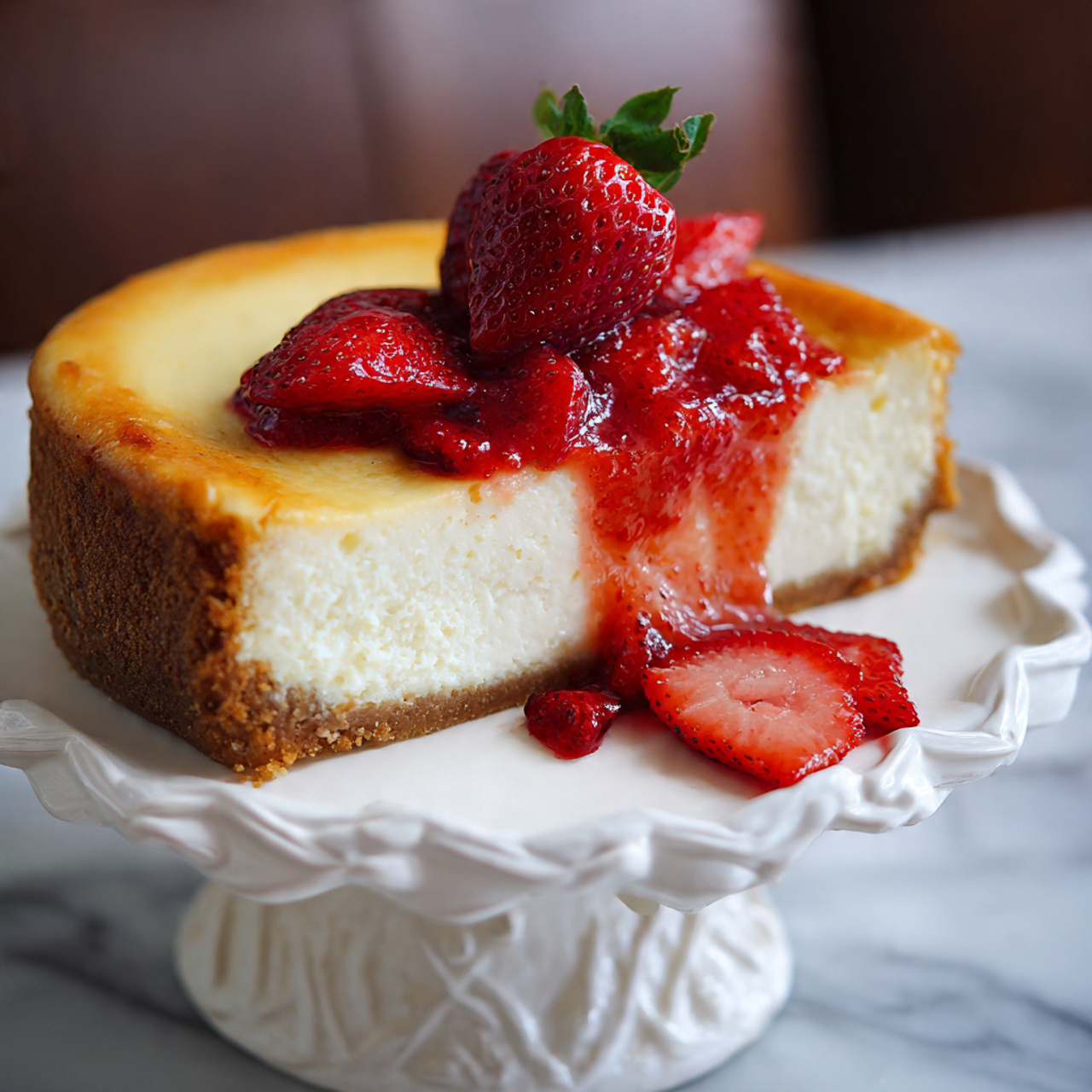
Why You’ll Love This Recipe
It Has That Classic, Rich Flavor You Can’t Stop Thinking About
The flavor here is everything you want in a creamy cheesecake — slightly tangy, warmly vanilla, and just sweet enough without tipping into overwhelming territory. It tastes like the kind of slice you’d order at a proper New York deli, except you made it yourself. That alone makes it worth repeating.
The Texture Is Impossibly Smooth
When this cheesecake is made right, every slice is dense and silky without a single lump or grainy patch. The secret lies in how gently you mix the batter and how slowly you let it cool. The result is a filling that’s thick enough to slice cleanly but practically dissolves the moment it hits your tongue.
It’s Easier Than It Looks
Despite the restaurant-quality result, this is a genuinely beginner-friendly recipe. There’s no complicated technique required — just careful mixing and a bit of patience. The hands-on time is surprisingly short, and most of the real work happens in the oven and fridge while you go about your day.
It’s the Ideal Make-Ahead Dessert
This classic cheesecake recipe actually gets better the next day. The flavors deepen and the texture firms up beautifully after an overnight chill, which means you can bake it the day before and serve it with complete confidence. It’s the kind of dessert that rewards a little planning.
It Feeds a Crowd Without Any Stress
A single cheesecake gives you 8–10 generous slices, making it ideal for dinner parties, potlucks, and holiday tables. It holds up well in the fridge for several days, so it’s one of those rare treats you can prepare well ahead and still serve at its very best.
Ingredients
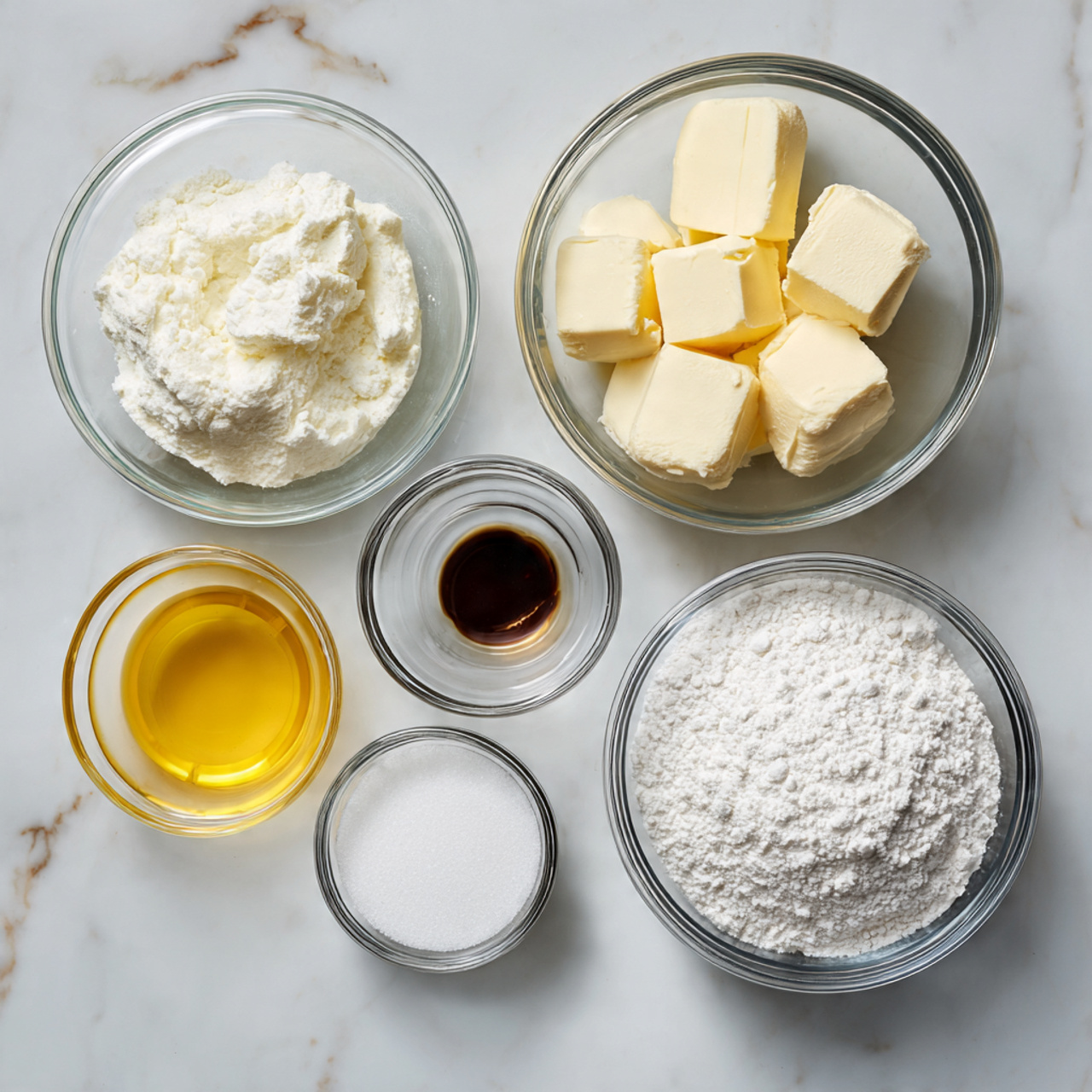
For the Crust
- 150 g digestive biscuits (or graham crackers, finely crushed)
- 80 g unsalted butter, melted (gives the crust just the right hold without feeling greasy)
For the Filling
- 600 g full-fat cream cheese, at room temperature (non-negotiable for a smooth, lump-free result)
- 150 g granulated sugar
- 2 large eggs, at room temperature
- 150 ml heavy cream
- 1 tsp pure vanilla extract (not imitation — the flavor difference is genuinely noticeable)
The buttery, slightly salty crust offsets the richness of the cream cheese filling beautifully, while the vanilla and cream round out every bite with a smooth, warm finish that makes this homemade cheesecake taste far more indulgent than the effort involved.
How to Make New York Cheesecake — Step-by-Step
Step 1: Build and Chill Your Crust
Crush the digestive biscuits into fine, even crumbs — a food processor makes quick work of this, but a zip-lock bag and a rolling pin work just as well. Stir the crumbs together with melted butter until every bit is evenly coated. Press the mixture firmly and evenly into the bottom of a 9-inch springform pan, using the flat base of a glass to compact it into a solid layer. Refrigerate for at least 20 minutes so the crust firms up before the filling goes in. Don’t worry if the edges look a little uneven — once the filling is poured on top, it won’t matter at all.
Step 2: Mix the Filling on Low
Beat the softened cream cheese on the lowest speed your mixer has until it’s completely smooth and lump-free — this takes about 2 minutes. Add the sugar and mix until just combined. Add the eggs one at a time, briefly mixing after each, then pour in the heavy cream and vanilla extract and stir until the batter is smooth and slightly glossy. The key word throughout this step is gently — overmixing whips air into the batter, and that air is one of the primary reasons cheesecakes crack. Don’t worry if it seems to take a little longer than you’d expect; slow and steady is exactly right here.
Step 3: Pour, Settle, and Tap
Pour the filling over the chilled crust in a slow, steady stream, letting it settle naturally. Once poured, lift the pan a few inches and give it 4–5 firm taps on the counter to push any air bubbles to the surface. Run a skewer or the tip of a knife gently through the batter to pop any remaining bubbles. The surface should look smooth and level before it goes into the oven.
Step 4: Bake Low and Slow
Bake at 160°C (320°F) for 50–55 minutes. You’re looking for edges that are set and very slightly puffed, with a center that still has a gentle, uniform jiggle — more like set gelatin than liquid. This is exactly right. Once the bake time is up, turn off the oven, crack the door open an inch or two, and let the cheesecake cool inside for a full hour. This gradual drop in temperature is what prevents cracks. Don’t worry if the top looks a little pale — it firms and deepens in the fridge.
Step 5: Chill Fully Before You Slice
Once the cheesecake has cooled to room temperature, cover it loosely with plastic wrap and refrigerate for at least 4 hours — overnight is genuinely better. When it’s time to serve, run a thin knife under hot water, wipe it completely dry, and cut in one clean, confident motion. Wipe the blade between every cut. The cheesecake should release cleanly from the springform pan and hold its shape with each slice.
Perfecting This Recipe
- Always start with room temperature cream cheese. Cold cream cheese will never blend smoothly no matter how long you mix it — take it out at least an hour before you begin.
- Press the crust firmly and chill it properly before adding the filling. A well-compacted, cold crust is what keeps it from going soggy.
- Mix the batter only on the lowest speed your mixer allows. High speed incorporates air, and air is the enemy of a crack-free top.
- Trust the jiggle test. A properly baked cheesecake wobbles gently and uniformly in the center — it should not ripple or slosh.
- The gradual oven cool is not a suggestion. Skipping it is one of the top causes of cracks. Give it the full hour inside the turned-off oven.
- If you have the time, chill overnight. The texture and flavor on day two are noticeably better than the day it’s baked.
Common Mistakes to Avoid
- Using cold cream cheese — This is the single most common reason for a lumpy, uneven filling. Take it out of the fridge at least an hour before you start mixing.
- Overmixing the batter — More mixing means more air, and air bubbles expand in the oven and then collapse as the cheesecake cools, causing cracks and sunken spots. Mix just until smooth.
- Baking at too high a temperature — A hot oven dries out the edges before the center sets, leading to uneven texture and surface cracking. Keep the heat low and steady.
- Skipping the gradual oven cool — Pulling the cheesecake directly from a hot oven into room-temperature air causes it to contract too rapidly. That sudden change is what splits the surface.
- Slicing before it’s fully chilled — A warm or even slightly cool cheesecake will collapse and drag under the knife. Always slice cold, straight from the fridge.
Add Your Touch
- Stir a tablespoon of fresh lemon zest into the batter for a bright citrusy lift that cuts through the richness beautifully.
- Swirl a few spoonfuls of raspberry or strawberry jam into the top of the filling just before baking for a fruit-ripple effect.
- Add a pinch of cinnamon to the crust mixture for a warm, spiced base that pairs especially well in autumn and winter.
- Spread a thin layer of sour cream mixed with a teaspoon of sugar and a drop of vanilla over the top in the final 10 minutes of baking for a classic New York deli-style finish.
- Swap the graham cracker crust for a crushed Oreo crust if you want a chocolate base — it works beautifully alongside the vanilla filling.
Visit Also: Lemon Cheesecake
What to Serve With This
- Fresh strawberries or a warm mixed berry compote for a classic topping that balances the richness perfectly.
- A drizzle of salted caramel sauce for something a little more indulgent and crowd-pleasing.
- A light dusting of powdered sugar if you want to keep things clean and elegant.
- Hot espresso or a strong cup of tea — the slight bitterness plays wonderfully against the creamy sweetness.
- A scoop of vanilla bean ice cream alongside for those who always want just a little more.
Storing and Serving
Fridge Store covered tightly with plastic wrap or in an airtight container in the refrigerator for up to 4 days. Keeping it covered also prevents it from absorbing any fridge odors.
Freezer This cheesecake freezes extremely well for up to 2 months. Slice it first, wrap each piece individually in plastic wrap, and place in a freezer-safe bag. Thaw overnight in the fridge — never at room temperature, which can compromise the texture.
Reheating Cheesecake is best served cold, straight from the fridge. If you prefer a slightly softer texture, let individual slices sit at room temperature for 15 minutes before serving.
Make-Ahead Tip Bake it the day before, chill it overnight, and it will be perfectly set and even more flavorful by the time you serve it. It’s one less thing to think about when you’re hosting.
Servings Makes 8–10 slices, depending on how generously you cut them.
Nutrition (Approximate Per Serving)
- Calories: 390–420
- Total Fat: 28 g
- Saturated Fat: 16 g
- Carbohydrates: 28 g
- Sugar: 19 g
- Protein: 7 g
- Sodium: 240 mg
Nutritional values are approximate and may vary based on specific ingredients and brands used.
Chef’s Helpful Tips
- Always use full-fat cream cheese. Low-fat versions contain significantly more water, which affects how the filling sets and results in a softer, less stable cheesecake.
- If the batter still shows small lumps after mixing, microwave it for 10 seconds and stir — they’ll dissolve almost instantly.
- For an extra-silky result, try a water bath: wrap the outside of your springform pan tightly in foil and set it in a larger baking dish filled with about an inch of hot water before baking.
- For clean, sharp slices, fill a tall glass with hot water and dip your knife before every cut. Wipe the blade dry each time, then slice in one confident motion.
- If the top begins to brown before the center is set, tent the pan loosely with foil for the remaining bake time.
Frequently Asked Questions
Q1. Can I make this cheesecake the day before serving? Absolutely — in fact, that’s exactly what I’d recommend. The texture firms up and the flavor deepens significantly after an overnight chill. Just cover it well and keep it in the fridge until you’re ready to serve.
Q2. Why did my cheesecake crack on top? Cracks usually come from overmixing — which incorporates too much air into the batter — or from cooling too quickly. Make sure you’re mixing on low speed throughout, and always let the cheesecake cool gradually inside the turned-off oven before bringing it out.
Q3. Can I use low-fat cream cheese? You can, but it will change the result. Low-fat cream cheese has a higher water content, so the filling will be less rich and may not set as firmly. For the best no-crack cheesecake experience, full-fat is the way to go.
Q4. Does this cheesecake freeze well? Really well, actually. Slice it first, wrap each piece individually in plastic wrap, and freeze for up to 2 months. Thaw overnight in the fridge and it’ll taste nearly as good as the day it was made.
Q5. Can I swap out the digestive biscuits? Easily. Graham crackers are the most common alternative and work perfectly. Shortbread biscuits give a slightly richer, butterier crust, and gingersnap cookies add a lovely warm spice. Oreos (with the filling scraped out) are excellent if you want a chocolate base.
Conclusion
There’s something genuinely satisfying about pulling a homemade New York Cheesecake out of the fridge and knowing every part of it — that silky filling, that golden crust, that clean-cut slice that holds its shape like it came from a proper bakery — came from your own kitchen. This recipe earns its place not because it’s trendy but because it’s simply, reliably that good. It’s impressive enough for a holiday table and simple enough for any weekend when you want something comforting and worth the effort.
Once you’ve made it once, you’ll start experimenting — different toppings, different crust flavors, different occasions. Make it ahead for a dinner party, share it with people you love, or tuck it quietly in the fridge for the rest of the week. However you enjoy it, I hope every single slice feels like the reward it is.of those quiet kitchen favorites that fits into everyday life as well as special moments. Keep it chilled, slice it slow, and enjoy every creamy bite.
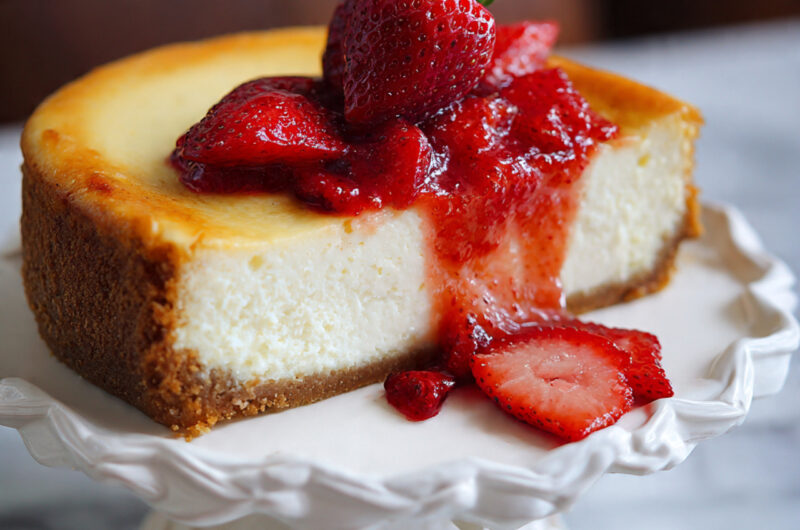
Classic New York Cheesecake
Course: Cake4
servings20
minutes50
minutes390–420
kcal5
hours20
minutesDense, silky, and deeply creamy with a buttery graham cracker crust — this is the make-ahead dessert that works beautifully for holidays, birthdays, potlucks, and every special occasion in between.
Ingredients
For the Crust:
150 g digestive biscuits or graham crackers, finely crushed
80 g unsalted butter, melted
For the Filling:
600 g full-fat cream cheese, room temperature
150 g granulated sugar
2 large eggs, room temperature
150 ml heavy cream
1 tsp pure vanilla extract
Directions
- Stir biscuit crumbs and melted butter together until fully combined. Press firmly into the base of a 9-inch springform pan. Refrigerate for 20 minutes.
- Beat softened cream cheese on low speed until completely smooth, about 2 minutes. Add sugar; mix until just combined.
- Add eggs one at a time, briefly mixing after each. Pour in cream and vanilla; stir until smooth and glossy.
- Pour filling over chilled crust. Tap the pan firmly on the counter to release air bubbles.
- Bake at 160°C (320°F) for 50–55 minutes, until edges are set and center jiggles gently.
- Turn off oven, crack the door open, and let cheesecake cool inside for 1 hour.
- Cover and refrigerate for at least 4 hours or overnight before slicing.