The Softest Homemade Vanilla Cake You’ll Bake Again and Again
Most vanilla cakes come out of the oven disappointingly flat, dry in the middle, or so dense you could use them as a doorstop. That usually comes down to one thing: cold ingredients going straight from the fridge into the bowl. This recipe starts by fixing that single mistake — and the difference it makes is remarkable.
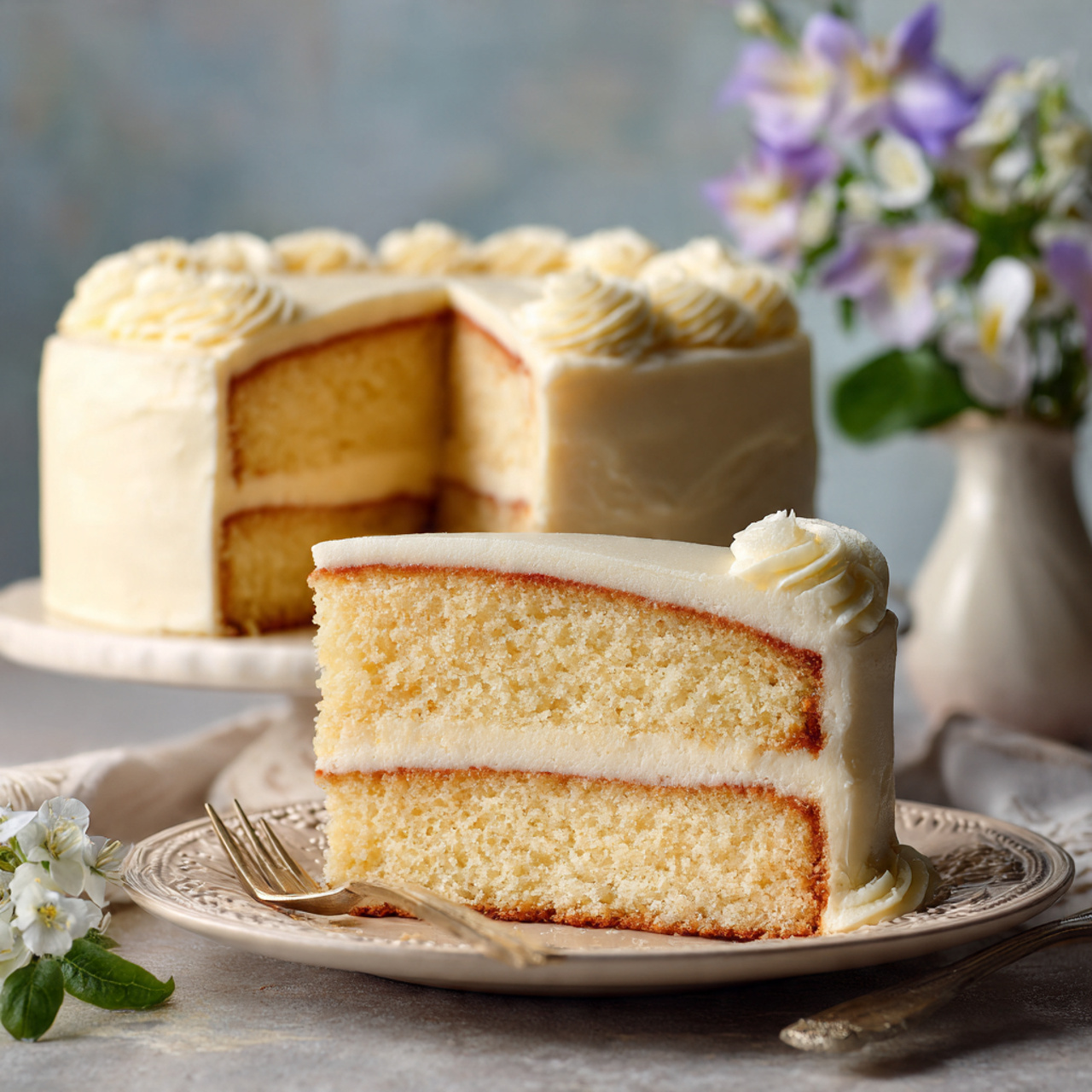
Once everything comes together, you’re looking at a cake with a genuinely tender, cloud-soft crumb that pulls apart in layers, a golden top with just the faintest crunch, and that warm, sweet vanilla scent that fills the kitchen long before the timer goes off. Every bite is lightly sweet, buttery, and perfectly balanced — the kind of flavor that doesn’t need any embellishment but takes beautifully to a swipe of frosting anyway.
This is the cake you’ll reach for on birthdays, lazy weekend afternoons, afternoon tea spreads, and those evenings when you just want something homemade without a project. It doubles as a lovely base for a simple layer cake or a casual teatime treat served plain. If you’ve been searching for an easy vanilla cake recipe that actually delivers on texture and flavor, this is the one — let’s get into it.
Why You’ll Love This Recipe
It Comes Together with Pantry Staples
No specialty ingredients, no trips to a specialty store. Flour, butter, sugar, eggs, milk, and vanilla extract are almost certainly sitting in your kitchen right now. The simplicity here is a feature, not a compromise — each ingredient does exactly what it needs to.
The Texture Is Genuinely Tender
When mixed correctly, this batter produces a crumb that’s soft without being gummy and light without being airy to the point of falling apart. It holds its shape when sliced, making it equally great for casual plating or a more formal dessert spread.
It’s Beginner-Friendly from Start to Finish
There’s no tricky technique here — no folding, no thermometers, no resting overnight. If you can cream butter and sugar and alternate wet and dry ingredients, you can bake this cake confidently on your very first try.
Crowd-Pleasing Flavor Every Time
The flavor is gentle, warm, and universally loved. Kids go for it, adults go back for seconds, and it works for people who don’t usually have strong dessert preferences. It’s the kind of homemade vanilla cake that pleases a whole table without any fuss.
Completely Versatile
Serve it plain, dust it with powdered sugar, layer it with frosting, or pair it with fresh fruit — it works beautifully every way. It also scales up without issue, making it a reliable choice when you need to bake for a crowd.
Ingredients
For the Batter
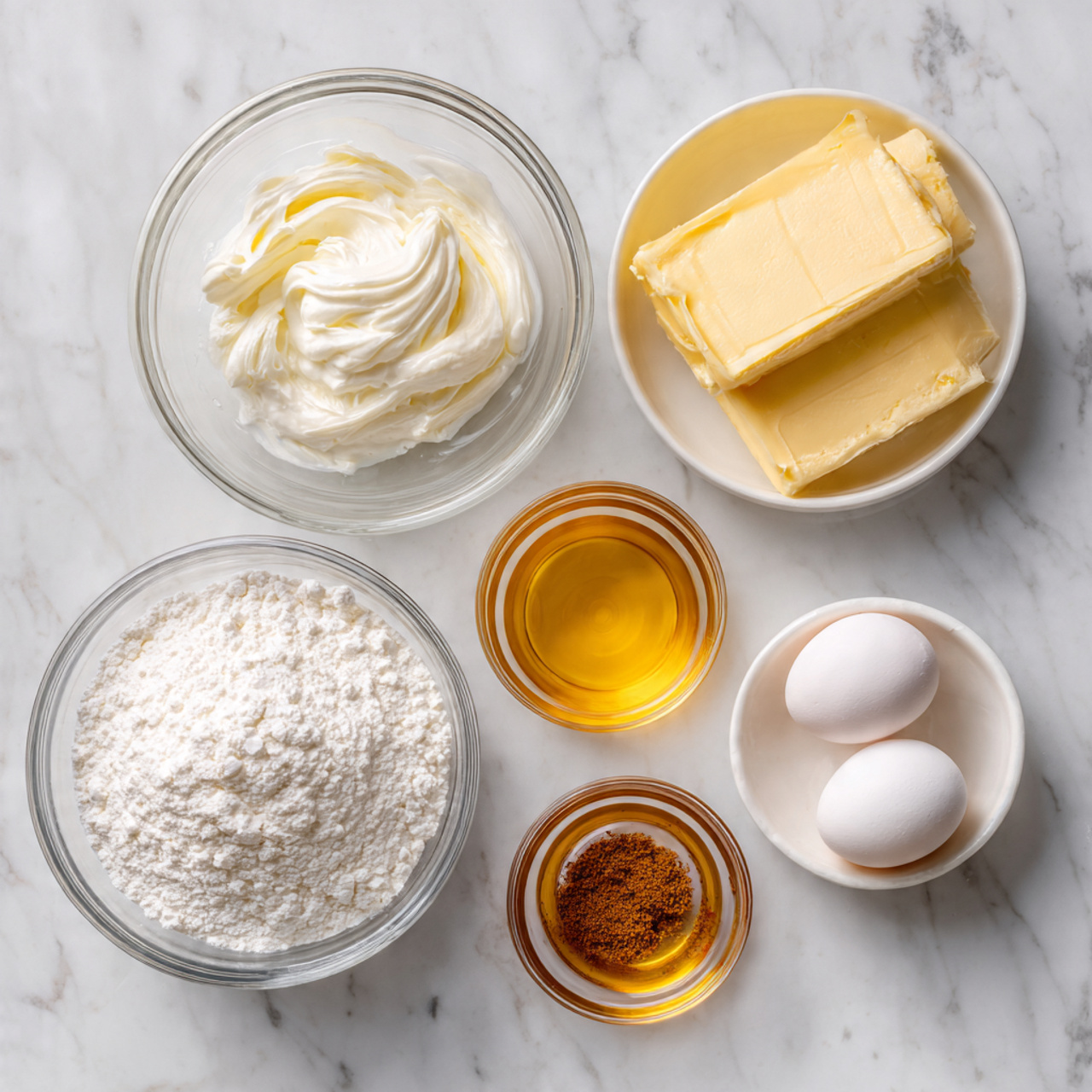
- 2 cups all-purpose flour
- 1 cup sugar
- ½ cup butter, softened (leave it out at room temperature for at least 30 minutes)
- 1 cup milk (whole milk gives the richest result, but 2% works fine)
- 2 large eggs (room temperature)
- 2 teaspoons vanilla extract (pure extract, not imitation, for the best flavor)
- 1½ teaspoons baking powder
- ¼ teaspoon salt
The butter and sugar create the rich base, the eggs add structure, and the vanilla extract is what makes the whole thing taste like a proper homemade vanilla cake rather than something from a box. Together, these simple components produce something far greater than the sum of their parts.
How to Make Vanilla Cake — Step-by-Step
Step 1: Prep Your Pan and Preheat the Oven
Preheat your oven to 180°C (350°F) and grease a 9-inch round or square baking pan. For extra insurance against sticking, dust the pan lightly with flour after greasing and tap out any excess. Make sure your butter and eggs are already at room temperature — this step alone makes the biggest difference in how the batter comes together.
Step 2: Cream the Butter and Sugar
In a large mixing bowl, beat the softened butter and sugar together until the mixture looks pale, light, and fluffy — about 2 to 3 minutes with a hand mixer. Don’t worry if it takes a little longer; you’re looking for a noticeably lighter color and a slightly airy texture. This step builds the foundation for that soft crumb.
Step 3: Add the Eggs and Vanilla
Add the eggs one at a time, mixing gently after each addition before adding the next. Then stir in the vanilla extract. The batter should look smooth, cohesive, and slightly glossy at this point. Don’t worry if it looks a little curdled after the first egg — it will come together once the second egg and dry ingredients go in.
Step 4: Combine the Dry Ingredients and Mix the Batter
In a separate bowl, whisk together the flour, baking powder, and salt. Add this dry mixture to the butter mixture in two or three additions, alternating with the milk — start and end with the flour. Stir gently after each addition, just until the flour disappears. The moment you no longer see dry streaks, stop mixing. Overmixing past this point develops the gluten and leads to a tough, dense cake.
Step 5: Bake and Cool
Pour the batter into your prepared pan and smooth the top gently with a spatula. Bake for 28 to 32 minutes, until the top is golden and a toothpick inserted in the center comes out clean or with just a few moist crumbs. Don’t worry if the edges look slightly darker — that’s normal and they’ll soften as the cake cools. Let the cake rest in the pan for 10 minutes before turning it out onto a wire rack to cool completely.
Perfecting This Recipe
- Use room temperature ingredients, no exceptions. Cold butter won’t cream properly, and cold eggs can cause the batter to seize and separate. Set them out at least 30 minutes before you start.
- Don’t rush the creaming step. The pale, fluffy texture you’re building in that first step directly affects how light the final cake feels. Give it a full 2 to 3 minutes.
- Alternate wet and dry like a rhythm. Adding all the flour at once forces you to overmix to incorporate it. Alternating in stages keeps the batter tender and the crumb soft.
- Check the cake a few minutes early. Every oven runs a little differently. Start checking at the 26-minute mark so you don’t overshoot and dry it out.
- Let it cool before slicing. Cutting into a hot cake compresses the crumb and makes it gummy. A full 10 minutes in the pan, then time on a rack, makes a real difference in the texture of each slice.
Common Mistakes to Avoid
- Using cold butter — Cold butter won’t aerate when creamed with sugar, which results in a flat, dense cake. Always start with butter that’s soft enough to leave an indent when pressed.
- Overmixing the batter — Once the flour goes in, mixing too aggressively develops gluten and turns what should be tender into tough. Stir only until just combined.
- Skipping the room temperature eggs — Cold eggs don’t emulsify into the butter-sugar mixture smoothly, which can cause the batter to look broken and uneven. Bring them to room temp alongside the butter.
- Not greasing the pan thoroughly — A cake that sticks to the pan doesn’t just look bad — it breaks apart and dries out faster once exposed. Grease the sides generously, not just the bottom.
- Opening the oven too early — Peeking before the 25-minute mark lets heat escape and can cause the center to sink. Wait until the cake is mostly set before opening the door.
Add Your Touch
- Add a citrus lift — Stir in the zest of one lemon or orange for a bright, fragrant variation that still keeps that soft vanilla base.
- Try warm spices — A half teaspoon of cinnamon or cardamom folded into the dry ingredients adds a cozy depth that works especially well in colder months.
- Make it a layer cake — Double the recipe, bake in two pans, and sandwich with a simple vanilla or cream cheese frosting between the layers.
- Swap to brown butter — Melt the butter and cook it until it smells nutty and turns golden before cooling and using. It adds a caramel-like richness to the finished cake.
- Go dairy-free — Substitute the butter with coconut oil and the milk with oat milk or almond milk. The texture will be slightly different but still pleasantly soft.
- Add a vanilla glaze — Mix powdered sugar with a splash of milk and a drop of vanilla, then drizzle over the cooled cake for a simple finish that doesn’t compete with the flavor.
Visit Also: 21 Birthday Cake
What to Serve With This
Afternoon tea — A simple slice pairs beautifully with a strong cup of black tea or a milky chai. It’s the kind of combination that feels effortlessly cozy.
Fresh berries — Strawberries, raspberries, or blueberries alongside each slice add color, a burst of tartness, and a feeling of occasion without any extra effort.
Vanilla or whipped cream — A soft dollop of lightly sweetened whipped cream on the side is simple, classic, and genuinely delicious.
A scoop of ice cream — For a more indulgent dessert, serve a warm or room-temperature slice with a scoop of vanilla or caramel ice cream on top.
Powdered sugar dusting — If you’re keeping it simple, a snowy dusting of powdered sugar right before serving is all this cake really needs.
Storing and Serving
Fridge Once cooled completely, store the cake wrapped tightly in plastic wrap or in an airtight container in the refrigerator. It keeps well for up to 3 days and stays moist as long as it’s properly sealed.
Freezer Slice the cake first, then wrap individual pieces tightly in plastic wrap and place in a freezer-safe bag. Frozen slices keep well for up to 1 month. The texture holds up nicely — just thaw at room temperature for about an hour before eating.
Reheating Microwave individual slices for 10 to 15 seconds to bring back that just-baked warmth. Avoid over-reheating, which dries out the crumb quickly.
Make-Ahead Tip You can bake the cake up to one day in advance. Once fully cooled, wrap it tightly and leave it at room temperature overnight. Add any frosting or toppings just before serving for the freshest presentation.
Servings This recipe yields approximately 8 generous slices.
Nutrition (Approximate Per Serving)
- Calories: 240
- Total Fat: 10g
- Saturated Fat: 6g
- Carbohydrates: 34g
- Sugar: 18g
- Protein: 4g
- Sodium: 175mg
Nutritional values are approximate and may vary based on specific ingredients and brands used.
Chef’s Helpful Tips
- Room temperature is non-negotiable. Butter that’s too cold won’t cream, and butter that’s melted won’t trap air. You want it soft enough to press into easily but still holding its shape.
- Measure flour properly. Scoop flour directly from the bag with a spoon into your measuring cup, then level off the top. Scooping straight from the bag with the cup packs in too much flour and makes the cake dense.
- Use the toothpick test wisely. A few moist crumbs on the toothpick is actually perfect. If it comes out completely dry, the cake is likely a minute or two past its peak.
- For clean slices, use a sharp serrated knife. Let the cake cool fully first, then wipe the blade between cuts for clean, neat portions.
- If the cake comes out too dense, it was almost certainly overmixed or under-creamed. Next time, cream the butter and sugar longer and be more gentle once the flour goes in.
Frequently Asked Questions
Q1. Can I make this vanilla cake ahead of time? Absolutely — this is a great make-ahead bake. You can prepare it a full day in advance, wrap it tightly once cooled, and store it at room temperature overnight. Add frosting or toppings right before serving so everything looks its freshest.
Q2. Can I skip the eggs? Yes. Replace each egg with 3 tablespoons of plain yogurt or 3 tablespoons of mashed ripe banana. The banana version adds a subtle flavor, while yogurt stays closer to neutral. The texture will be slightly denser but still enjoyably soft.
Q3. Is this recipe beginner-friendly? Very much so. There’s no complicated technique involved — if you can use a hand mixer and follow the steps in order, you’ll get a great result. The most important things are starting with room temperature ingredients and not overmixing once the flour goes in.
Q4. How well does this travel for potlucks or gatherings? It travels beautifully. Bake it, let it cool completely, and cover it tightly with foil or a cake dome. It holds up well at room temperature for several hours, making it a reliable option for potlucks, picnics, or family gatherings.
Q5. Can I freeze the whole cake instead of individual slices? You can, but slicing first is strongly recommended. Individual portions are much easier to thaw one at a time without drying out the rest. Wrap each slice separately, then store in a freezer bag for up to one month.
Conclusion
There’s a reason a classic homemade vanilla cake never goes out of style — it’s warm without being complicated, crowd-pleasing without being boring, and just special enough to feel like you made an effort. This version keeps all of that intact while making sure the texture and flavor actually deliver on the promise.
Whether you bake it plain for a quiet afternoon at home, dress it up with frosting for a birthday, or bring it to a gathering, it will be appreciated every single time. Make it once and you’ll understand why it earns a permanent spot in the rotation.
Soft Homemade Vanilla Cake
Course: Cake4
servings15
minutes28
minutes240
kcal55
minutesA tender, golden vanilla cake with a fluffy crumb and warm, buttery flavor — simple enough for a weeknight but lovely enough for a birthday or afternoon tea spread.
Ingredients
For the Batter:
2 cups all-purpose flour
1 cup sugar
½ cup butter, softened
1 cup milk
2 large eggs, room temperature
2 tsp vanilla extract
1½ tsp baking powder
¼ tsp salt
Directions
- Preheat oven to 180°C (350°F). Grease and lightly flour a 9-inch baking pan.
- Beat softened butter and sugar until pale and fluffy, about 2–3 minutes.
- Add eggs one at a time, mixing after each. Stir in vanilla extract.
- In a separate bowl, whisk together flour, baking powder, and salt.
- Add dry ingredients to the butter mixture in two additions, alternating with milk. Stir until just combined — do not overmix.
- Pour batter into prepared pan and smooth the top.
- Bake for 28–32 minutes, until golden and a toothpick inserted in the center comes out clean.
- Cool in the pan for 10 minutes, then transfer to a wire rack to cool completely before slicing.