A Gorgeous Two Tier Wedding Cake You Can Actually Make at Home
Most homemade tiered cakes arrive at the table leaning sideways, with frosting that’s cracked or sliding off — and almost every time, it comes down to one mistake: stacking warm layers before they’ve had time to set. This two tier wedding cake recipe solves that problem from the very start, walking you through each step in a way that keeps everything stable, beautiful, and genuinely stress-free.
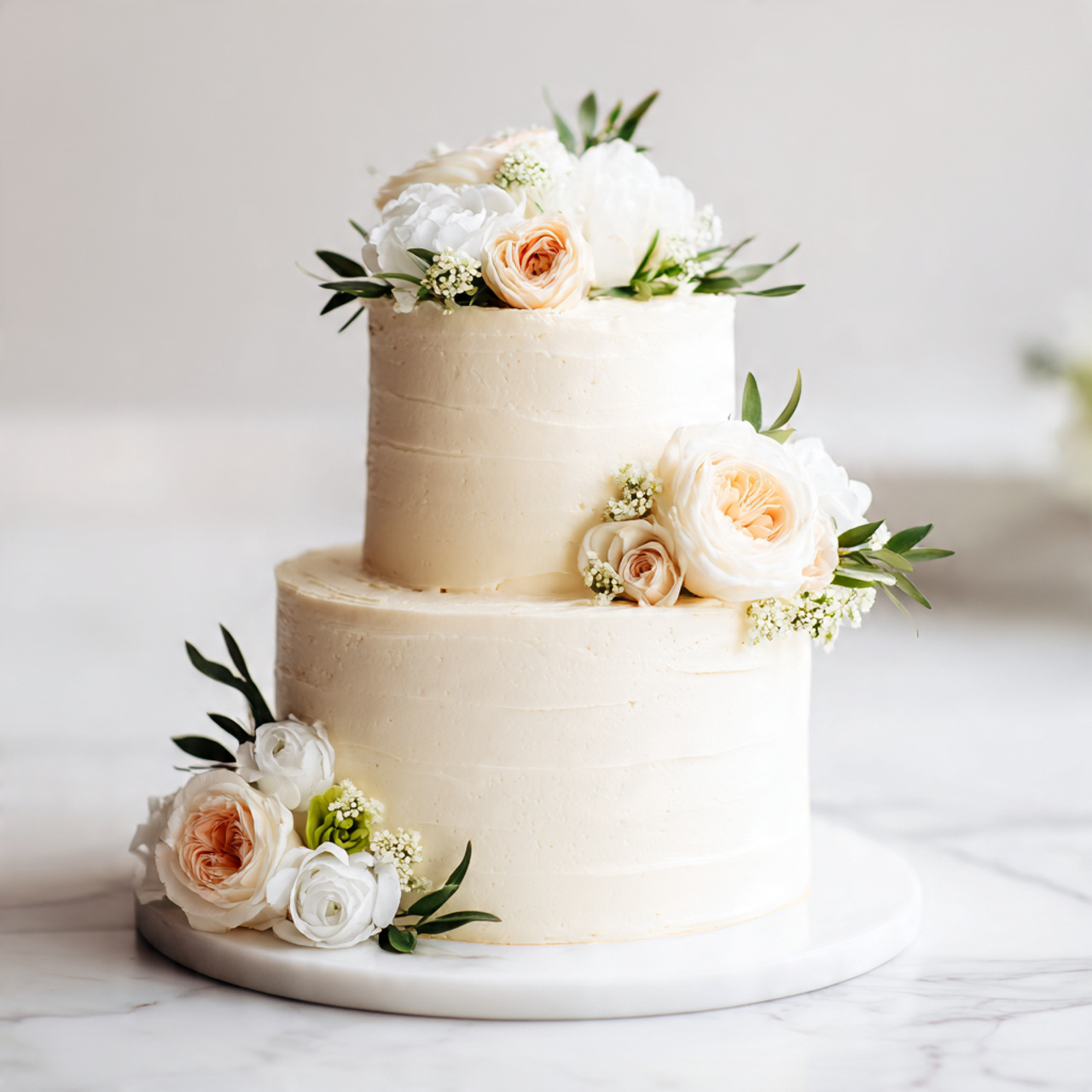
Picture soft, fine-crumbed vanilla layers with a tender pull, each one sandwiched with a silky, barely-sweet buttercream that melts into the cake rather than sitting on top of it. The frosting catches the light in the best way, a warm vanilla scent fills your kitchen from the moment the layers come out of the oven, and the finished cake has that clean, elevated look that makes people ask which bakery it came from.
This is the kind of cake that earns its place at small weddings, anniversary dinners, and intimate bridal showers — but it’s equally at home on a Sunday afternoon when you want to make something that feels meaningful. If you’ve been searching for a homemade wedding cake that doesn’t require pastry training, this is the one. Let’s get baking.
Why You’ll Love This Recipe
A Classic Vanilla Flavor That Pleases Every Palate
Vanilla is called a classic for a reason — it pairs with everything and offends no one, which is exactly what you want at a celebration. This cake carries a warm, rounded vanilla flavor that isn’t plain at all. Real vanilla extract and quality butter together give each bite a depth that tastes intentional and indulgent, not like something that came out of a box.
Soft, Moist Layers in Every Single Slice
The batter uses a careful balance of fat and liquid that keeps the crumb tender and moist for days after baking. You won’t find a dry edge or a dense center here — just even, pillowy layers that hold their shape beautifully when sliced and look just as good on the plate as they taste.
Much Easier to Make Than It Looks
Tiered cakes sound intimidating, but this recipe is genuinely beginner-friendly. The process is broken into manageable steps, each one designed to take the guesswork out of timing, temperatures, and assembly. If you’ve baked a single-layer cake before, you can absolutely do this — and you’ll finish feeling far more confident than when you started.
Built for Any Celebration, Big or Small
Whether you’re feeding four people at a quiet anniversary dinner or a table of twelve at a small celebration cake gathering, this recipe scales gracefully. The two-tier format already looks impressive without elaborate decoration, making it ideal when you want real visual impact without a dozen extra steps.
Endlessly Customizable to Make It Your Own
The base recipe is a beautiful blank canvas. Add lemon zest to the batter, swap vanilla for almond extract, layer in fresh berries between the tiers, or finish with edible flowers. Whatever direction you take it, the structure is solid enough to support your creativity.
Ingredients
For the Cake Layers
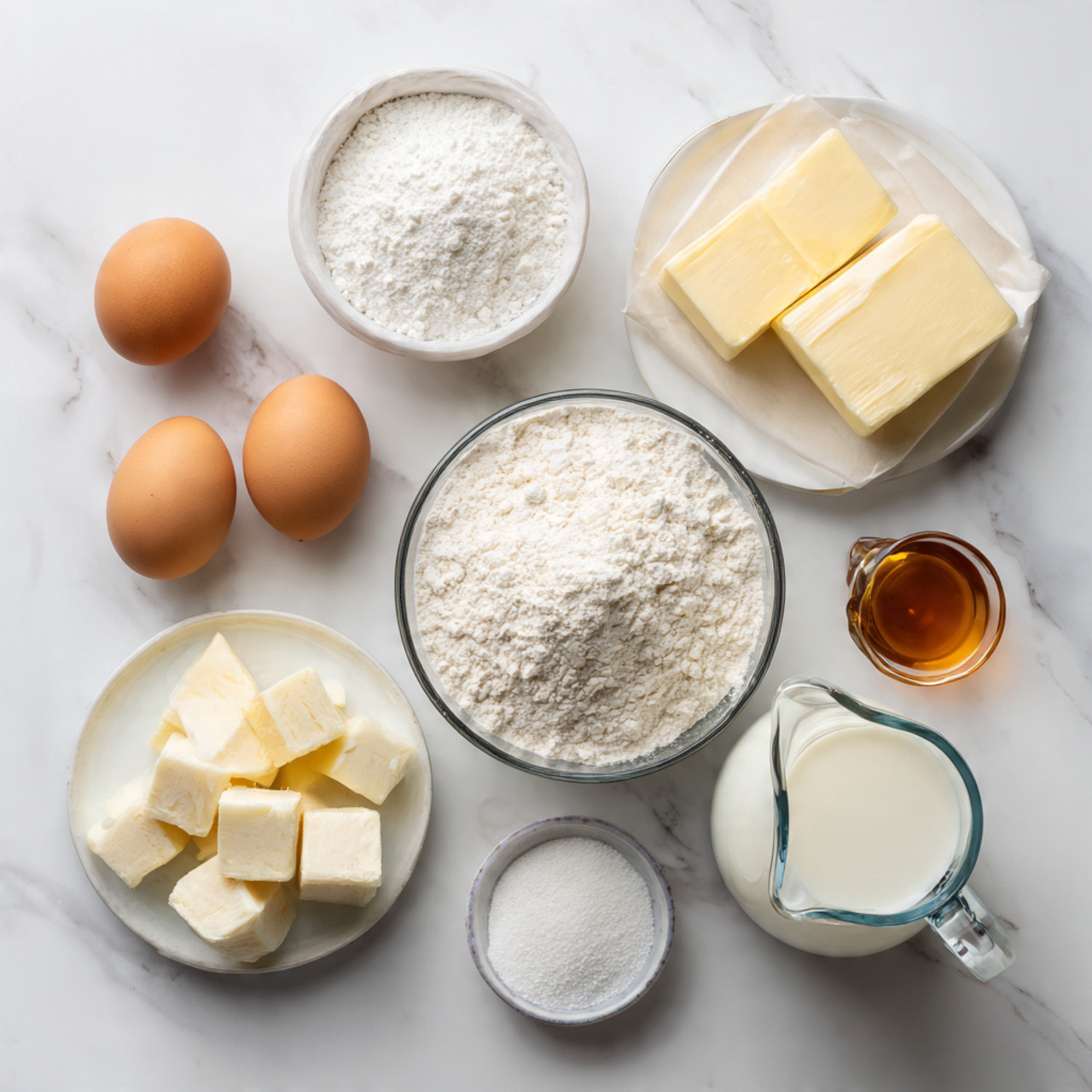
- 2½ cups all-purpose flour
- 1½ cups granulated sugar
- 1 cup unsalted butter, softened (room temperature is essential — cold butter won’t cream properly)
- 4 large eggs (room temperature)
- 1 cup whole milk (full-fat gives the best moisture and tenderness)
- 2 teaspoons baking powder
- 1 teaspoon pure vanilla extract (not imitation — the flavor difference is genuinely noticeable)
- ¼ teaspoon salt
For the Vanilla Buttercream
- 2 cups unsalted butter, softened
- 4 cups powdered sugar, sifted (sifting prevents lumps in your finished frosting)
- 2–3 tablespoons whole milk (add gradually to control consistency)
- 1 teaspoon pure vanilla extract
Together, the buttery vanilla cake and silky buttercream create a combination that feels both comforting and celebratory — the kind of dessert that tastes like it belongs at a special occasion, even when the occasion is simply baking something beautiful at home.
How to Make Two Tier Wedding Cake — Step-by-Step
Step 1: Prepare Your Pans and Preheat the Oven
Preheat your oven to 180°C (350°F) and thoroughly grease and flour two small round pans and two larger round pans. For a proper two-tier effect, aim for 6-inch pans for the top tier and 8-inch pans for the bottom tier. Line the bases with rounds of parchment paper — this makes release much easier and keeps your layers intact when you turn them out. Don’t worry if you only have one set of pans; you can bake in batches, and the batter holds well while it waits.
Step 2: Cream the Butter and Build the Batter
In a large mixing bowl, beat the softened butter and sugar together on medium speed for 3 to 4 full minutes, until the mixture turns noticeably pale and fluffy. This step is one of the most important in the whole recipe — proper creaming incorporates air into the batter, which is what gives the cake its light, tender texture. Add the eggs one at a time, mixing fully after each one, then stir in the vanilla extract. Don’t worry if the batter looks slightly curdled at this stage — it comes back together the moment the flour goes in.
Step 3: Combine the Batter and Fill the Pans
In a separate bowl, whisk together the flour, baking powder, and salt. Add the dry ingredients to the butter mixture in three additions, alternating with the milk, beginning and ending with the flour. Mix only until just combined after each addition — the batter should look smooth and slightly thick. Divide it as evenly as you can between your four prepared pans. A kitchen scale makes this easier, but eyeballing it works just fine.
Step 4: Bake Until Golden and a Toothpick Comes Out Clean
Bake the layers in the preheated oven for 28 to 35 minutes, checking the smaller pans a few minutes earlier than the larger ones. The cakes are ready when the tops are lightly golden, the edges have pulled slightly away from the sides of the pan, and a toothpick inserted into the center comes out clean with no wet batter clinging to it. Let them cool in their pans for 10 minutes before turning out onto wire racks to cool completely. Don’t worry if the tops have a slight dome — you can trim those flat once the layers are cool and it takes less than a minute.
Step 5: Make the Buttercream, Then Assemble and Frost
Beat the softened butter on its own for 2 minutes until it turns pale and creamy. Add the sifted powdered sugar one cup at a time on low speed, mixing after each addition. Add the vanilla and milk, then increase the speed to medium-high and beat for another 3 minutes until the frosting is light, white, and smooth. Once your cake layers are completely cool, level the tops if needed using a serrated knife, then spread buttercream generously between each layer. Carefully set the smaller tier on top of the larger one, then frost the entire outside in an even layer using an offset spatula. Chill the finished cake for at least 20 minutes before serving — this firms everything up and makes slicing much cleaner.
Perfecting This Recipe
- Cream your butter and sugar longer than feels necessary — a full 3 to 4 minutes produces a noticeably lighter crumb than 90 seconds does.
- Measure flour by spooning it into the measuring cup and leveling off the top, rather than scooping directly from the bag. Packed flour is one of the most common causes of dry, dense cake.
- Always alternate your flour and milk additions, starting and ending with flour. This technique prevents the batter from separating and keeps the texture even throughout.
- Do not stack the tiers until both sets of layers are fully cool and the bottom tier has had its crumb coat applied and chilled. A warm cake will cause the buttercream to melt and the structure to shift.
- If your frosting becomes too soft while you’re working, place the bowl in the fridge for 10 minutes, then beat again briefly before continuing — it will firm right back up.
- For the cleanest slices at the table, wipe the knife with a warm, damp cloth between each cut.
Common Mistakes to Avoid
- Using cold butter in the batter — Cold butter won’t aerate properly during creaming, which leads to a denser cake with an uneven crumb. Pull your butter out at least an hour before you start, or until it gives slightly when pressed.
- Overmixing after adding the flour — Once flour enters the bowl, gluten develops quickly. Mixing too long at this stage makes the cake tough and chewy rather than soft. Mix only until the batter just comes together.
- Stacking warm or even slightly warm layers — This is the single most common reason tiered cakes lean, crack, or collapse. Patience here genuinely pays off: cool on wire racks fully, then chill the crumb-coated bottom tier before placing the top.
- Skipping the crumb coat — A thin first layer of frosting traps loose crumbs and gives the final coat a smooth, clean surface. It takes five extra minutes and makes the finished cake look dramatically more polished.
- Not leveling the layers — Uneven layers create an unstable stack and uneven slices. Running a serrated knife or cake leveler across any domed tops takes under a minute and keeps your tiers from shifting.
Add Your Touch
- Stir the zest of one lemon or orange directly into the batter for a bright, citrusy version of the classic vanilla cake.
- Add a thin layer of raspberry or strawberry jam between the cake layers alongside the buttercream — the fruity contrast with the vanilla is beautiful.
- Swap the vanilla extract for almond extract for a slightly more floral, nutty flavor that feels distinctly elegant at a special occasion.
- Spread a layer of chocolate ganache between the tiers instead of extra buttercream for a deeper, more indulgent twist.
- Replace the whole milk in the batter with oat milk or almond milk for a dairy-lite version that still bakes up soft and moist.
- Finish the outside with fresh edible flowers, halved strawberries along the base, or a simple dusting of powdered sugar for a look that requires no special skills.
Visit Also: Horse Cake
What to Serve With This
Fresh strawberries or raspberries on the side bring brightness and cut through the richness of the buttercream beautifully. A pot of Earl Grey or a freshly brewed coffee alongside thin slices turns this into the coziest afternoon. Light sparkling lemonade makes everything feel summery and festive without competing with the cake’s flavors. A small scoop of vanilla bean ice cream beside each slice turns a simple dessert into something genuinely indulgent. If you’re serving this at a celebration, a simple cheese or fruit board on the side rounds out the spread without overshadowing the star of the table.
Storing and Serving
Fridge Wrap the assembled cake in plastic wrap or store in an airtight container and refrigerate for up to 3 days. If storing cut slices, press a piece of plastic wrap directly against the exposed crumb to prevent it from drying out between servings.
Freezer Unfrosted cake layers freeze exceptionally well. Wrap each cooled layer tightly in plastic wrap, then in a layer of foil, and freeze for up to one month. Thaw overnight in the fridge before frosting and assembling. A fully assembled and frosted cake can also be frozen in a pinch, though the buttercream texture is noticeably at its best when freshly made.
Reheating This cake is best served at room temperature. If slices have been refrigerated, remove them 20 to 30 minutes before serving to allow the crumb to soften and the butter flavors to come forward properly. Avoid microwaving — it dries out the edges and can melt the frosting unevenly.
Make-Ahead Tip Bake the cake layers up to one day in advance, wrap them well once cool, and store at room temperature overnight. The buttercream can also be made the day before — store it covered in the fridge and bring it to room temperature, then re-whip briefly before using. Assemble and frost as close to serving time as possible for the cleanest presentation.
Servings This recipe yields approximately 8 to 10 slices depending on how the tiers are portioned.
Nutrition (Approximate Per Serving)
- Calories: ~400
- Total Fat: 22g
- Saturated Fat: 14g
- Carbohydrates: 48g
- Sugar: 36g
- Protein: 4g
- Sodium: 120mg
Nutritional values are approximate and may vary based on specific ingredients and brands used.
Chef’s Helpful Tips
- Always bring your butter, eggs, and milk to room temperature before starting. Room temperature ingredients blend far more smoothly, producing a batter with better structure and a more even bake throughout all four layers.
- Sift your powdered sugar before making the buttercream — it takes 30 seconds and completely eliminates any lumps that would otherwise show up in your frosting.
- Use an offset spatula to frost the cake rather than a regular knife. It gives you significantly more control and makes achieving a smooth, professional-looking exterior much easier.
- Start checking for doneness a few minutes before the stated bake time. Every oven runs slightly differently, and pulling the cakes at the right moment is the best insurance against a dry crumb.
- If your baked layers have cracked tops or slightly uneven surfaces, don’t stress about it — that’s exactly what buttercream is for. Once the cake is frosted, nobody will ever know.
Frequently Asked Questions
Q1. Can I make this two tier wedding cake ahead of time? Absolutely — and honestly, making it in stages is the smartest approach. Bake and cool the layers the day before, wrap them well, and store at room temperature. Make the buttercream the same day or refrigerate it overnight and re-whip before using. Assemble and frost on the day you plan to serve for the freshest look and most stable structure.
Q2. Can I substitute the butter in the frosting or batter? Margarine works as a swap for the buttercream, though the flavor is slightly less rich and the frosting can be a little softer — chill it a bit longer before using if you go that route. For the cake itself, stick with real butter where you can, as it has a direct impact on the flavor and tenderness of the crumb.
Q3. Is this recipe beginner-friendly? Very much so. The method — creaming, mixing, baking, and frosting — doesn’t require any specialized techniques or equipment beyond a hand or stand mixer. The trickiest part is the assembly, and once you understand the importance of the cooling and chilling steps, even that becomes entirely manageable on your first attempt.
Q4. How far in advance can I make this for a wedding or celebration? The baked layers can be made up to 24 hours ahead and kept wrapped at room temperature. If you need more time, freeze the unfrosted layers and thaw them in the fridge the day before. Fully assembled and frosted, the cake holds beautifully in the refrigerator for up to 3 days, making it a genuinely practical choice for planned events.
Q5. Can I freeze the assembled cake once it’s frosted? Yes, though the frosting texture is noticeably better when freshly made. For the best result, freeze the individual unfrosted layers and make fresh buttercream when you’re ready to assemble. If you do need to freeze the fully assembled cake, wrap it very well and use within three weeks, thawing slowly in the fridge overnight before serving.
Conclusion
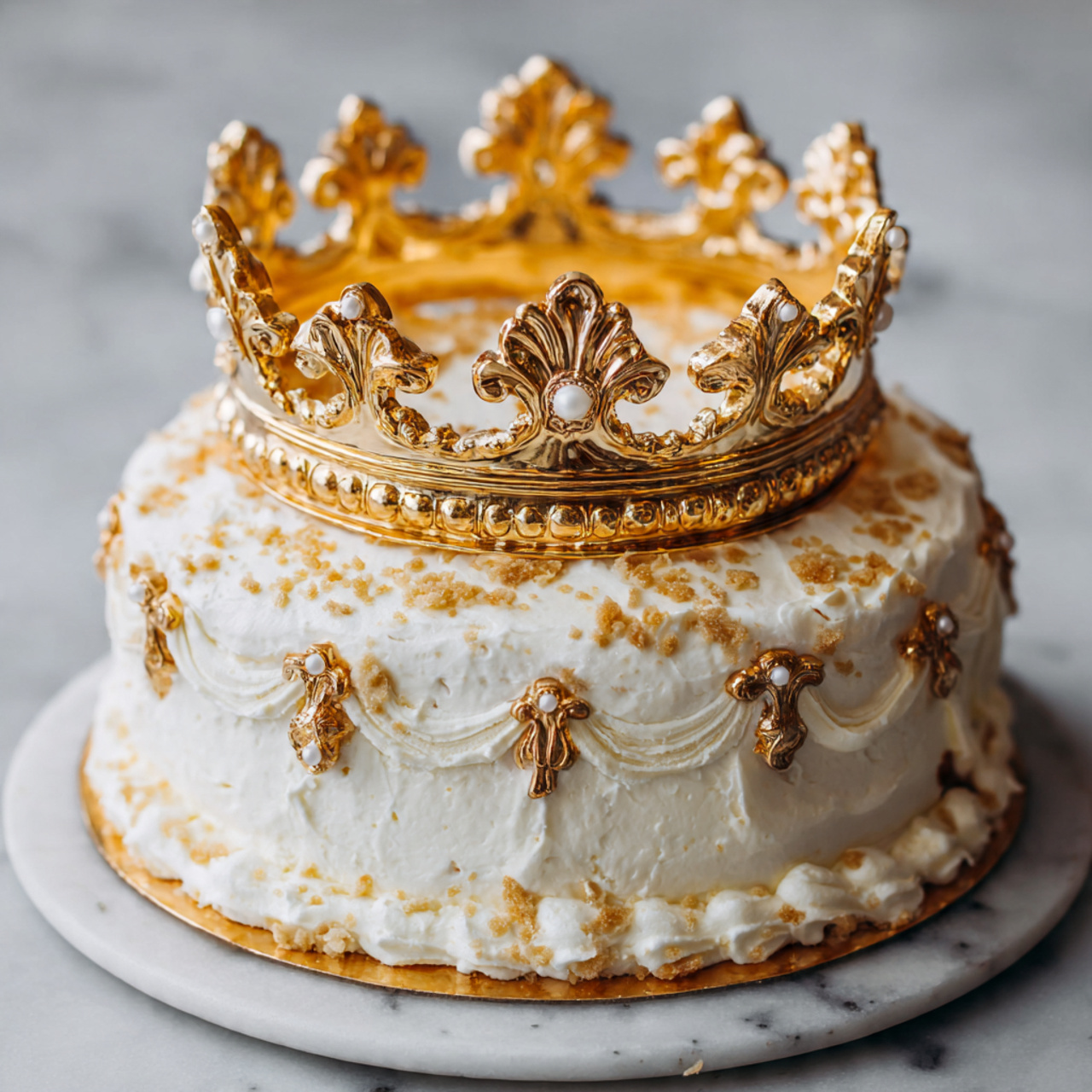
There’s something deeply satisfying about carrying a two tier wedding cake to the table knowing you made every layer yourself. It doesn’t have to be flawless to be beautiful — and with this recipe, you have everything you need to get it right. Soft vanilla layers, silky homemade buttercream, and a structure that holds together the way it should: this is a celebration cake that delivers on its promise every single time.
So whether you’re baking this for a small wedding, a quiet anniversary, or simply because someone you love deserves something made with care — go ahead and make it. Adjust the flavors, add your own finishing touches, and don’t be too precious about getting it perfect. The best cakes are always the ones baked with intention, and this one already has everything it needs to earn a permanent place in your kitchen.
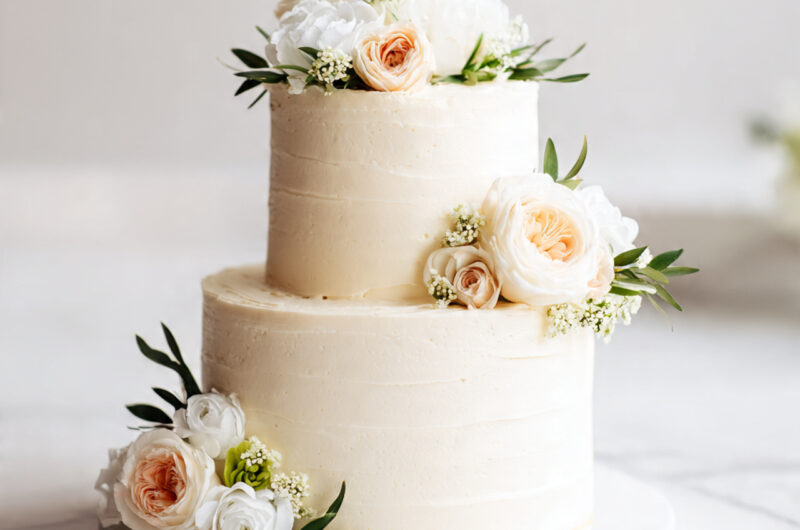
Two Tier Wedding Cake
Course: Trending Cake4
servings25
minutes35
minutes400
kcal1
hour20
minutesSoft, moist vanilla layers stacked with silky homemade buttercream — this two-tiered cake is easier to make than it looks and stunning enough for weddings, anniversaries, and every celebration worth remembering.
Ingredients
For the Cake Layers:
2½ cups all-purpose flour
1½ cups granulated sugar
1 cup unsalted butter, softened
4 large eggs
1 cup whole milk
2 teaspoons baking powder
1 teaspoon pure vanilla extract
¼ teaspoon salt
For the Vanilla Buttercream:
2 cups unsalted butter, softened
4 cups powdered sugar, sifted
2–3 tablespoons whole milk
1 teaspoon pure vanilla extract
Directions
- Preheat oven to 180°C (350°F). Grease and line two small round pans and two larger round pans with parchment paper.
- Beat softened butter and sugar on medium speed for 3–4 minutes until pale and fluffy.
- Add eggs one at a time, mixing fully after each. Stir in vanilla extract.
- Whisk flour, baking powder, and salt together in a separate bowl.
- Add dry ingredients to the butter mixture in three additions, alternating with milk. Mix until just combined.
- Divide batter evenly between pans. Bake for 28–35 minutes, until golden and a toothpick comes out clean.
- Cool in pans for 10 minutes, then turn onto wire racks. Cool completely before frosting.
- Beat butter for frosting 2 minutes until pale. Add powdered sugar one cup at a time. Add vanilla and milk, then beat on medium-high for 3 minutes until light and smooth.
- Level cake tops if needed. Spread buttercream between layers, stack smaller tier on larger tier, frost the outside evenly, and chill 20 minutes before serving.