The Fluffiest Mug Cake You’ll Ever Make — Ready in Under 5 Minutes
Most mug cakes come out rubbery, dense, or dry — and if that’s happened to you, it’s almost always a timing problem. Even ten extra seconds in the microwave is enough to transform a perfectly tender crumb into something that bounces back like a foam mattress. This recipe solves that completely, giving you a reliably fluffy, moist result every single time with no guesswork involved.
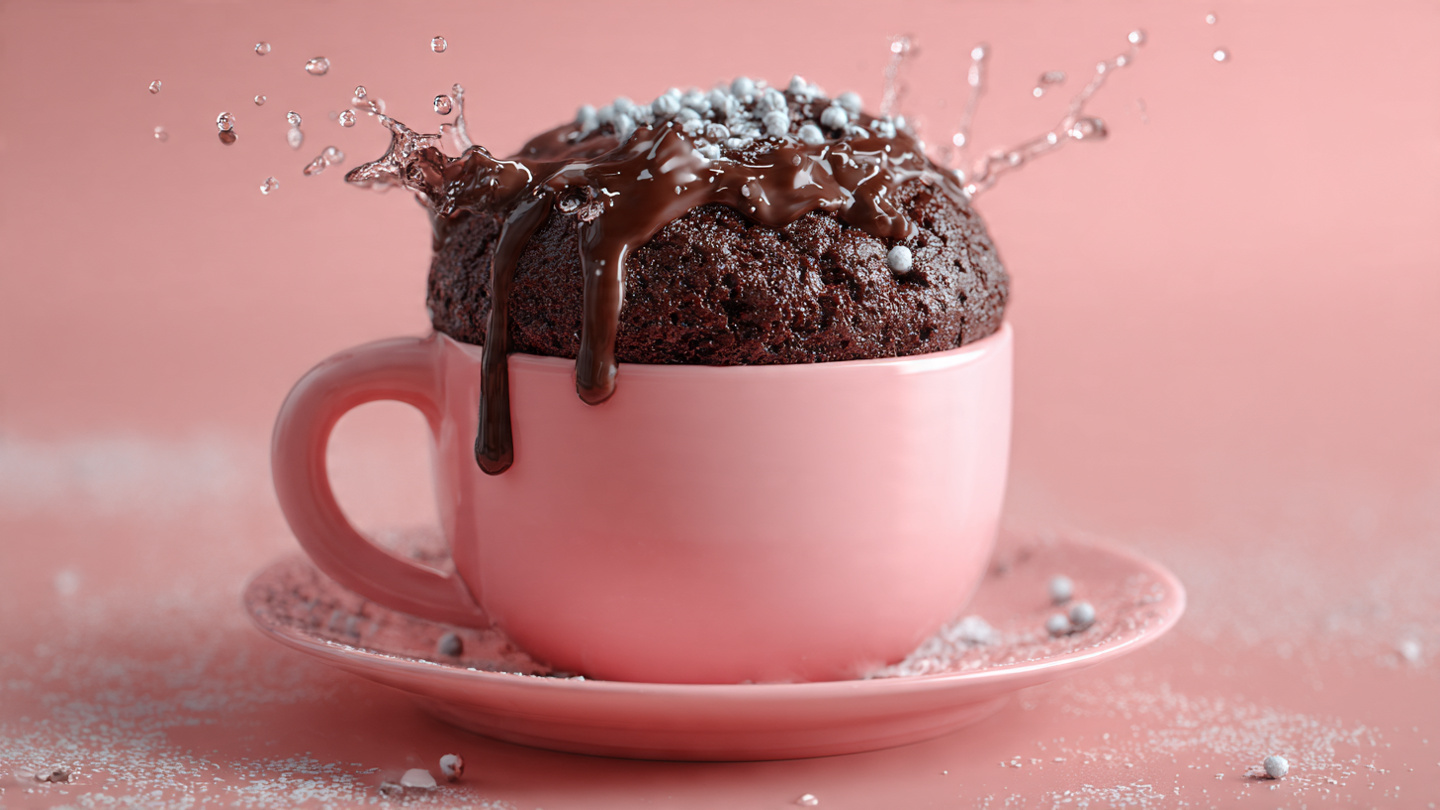
When you get it right, a mug cake is genuinely something special. The top sets into a soft, slightly domed layer while the inside stays warm and cloud-like, pulling apart in tender, moist ribbons with every spoonful. The moment the microwave beeps, rich cocoa and vanilla fill the kitchen with that fresh-baked aroma you’d normally only get after an hour of oven time. Melted chocolate chips pool in little pockets throughout the crumb, adding bursts of deep sweetness that make the whole thing feel indulgent far beyond what a five-minute effort deserves.
This easy microwave mug cake is exactly what you reach for on a busy weeknight when you want something sweet without touching a mixing bowl, during late-night cravings when the oven is not even an option, or whenever you want a single gorgeous chocolate mug cake with absolutely no leftovers to tempt you tomorrow. It’s also surprisingly great as a quick dessert to offer guests who drop in unexpectedly — everyone is impressed by fresh, warm cake that appeared in minutes. Once you make it once, you’ll have the method memorized for good.
Why You’ll Love This Recipe
It’s Genuinely Ready in Under Five Minutes
From measuring to eating, the total time is five to seven minutes. There’s no preheating, no greasing a pan, and no waiting around. When the craving hits, you act on it immediately — and that immediacy is half the appeal.
The Texture Is Actually Fluffy, Not Rubbery
The right balance of oil, flour, and baking powder creates a genuinely light, airy crumb. When the timing and measurements are followed as written, you get a cake with a tender, soft bite that feels nothing like the dense, spongy results most people have accidentally made before.
Everything Comes from Your Pantry Right Now
Flour, sugar, cocoa powder, baking powder, milk, oil, and vanilla — that’s the whole list. There is nothing unusual, nothing that requires a special trip, and nothing that will sit in your fridge half-used for months.
Cleanup Is Literally One Mug and One Fork
Because everything mixes and bakes in the same mug you eat from, cleanup is exactly those two items. That’s the kind of dessert that’s genuinely easy, not just easy-adjacent.
It’s Built to Be Customized
The base recipe is a perfect launching pad. Chocolate, vanilla, peanut butter lava, berry swirl — once you get the foundation down, the variations are only limited by what’s already in your kitchen.
Ingredients
Use a standard 10–12 oz microwave-safe mug for best results. A mug that’s too small will cause the batter to rise over the rim.
For the Base
- 4 tablespoons all-purpose flour
- 2 tablespoons granulated sugar
- 1/8 teaspoon baking powder
- Pinch of salt
For the Batter
- 2 tablespoons unsweetened cocoa powder (omit for vanilla version)
- 3 tablespoons milk (dairy or plant-based both work perfectly)
- 2 tablespoons vegetable oil or melted butter (oil gives a more tender crumb; butter adds a richer flavor)
- 1/4 teaspoon vanilla extract (pure, not imitation — the difference is noticeable)
Optional Mix-In
- 1 tablespoon chocolate chips (semi-sweet or dark — these melt into warm little pockets throughout the cake)
The cocoa and vanilla together build the deep, rounded flavor base of this recipe, while the oil is what keeps the crumb moist and soft even as the microwave cooks quickly. The baking powder does the entire job on lift and rise, so it’s worth making sure yours is fresh before you start.
How to Make Mug Cake — Step-by-Step
Step 1: Combine the Dry Ingredients
Add the flour, sugar, cocoa powder, baking powder, and salt directly into your mug. Use a fork to stir everything together until the mixture is evenly blended with no pockets of any single ingredient sitting in one spot. This step matters more than it seems — unevenly distributed baking powder means uneven rise.
Step 2: Add the Wet Ingredients and Stir
Pour in the milk, oil, and vanilla extract. Stir with the same fork using a circular motion, making sure to scrape along the bottom of the mug — that’s exactly where dry flour loves to hide. Keep going until the batter is smooth and glossy with no visible streaks or lumps.
Don’t worry if the batter looks thinner than you expected. That’s completely normal for a mug cake and is precisely how it should look at this stage.
Step 3: Fold In the Chocolate Chips
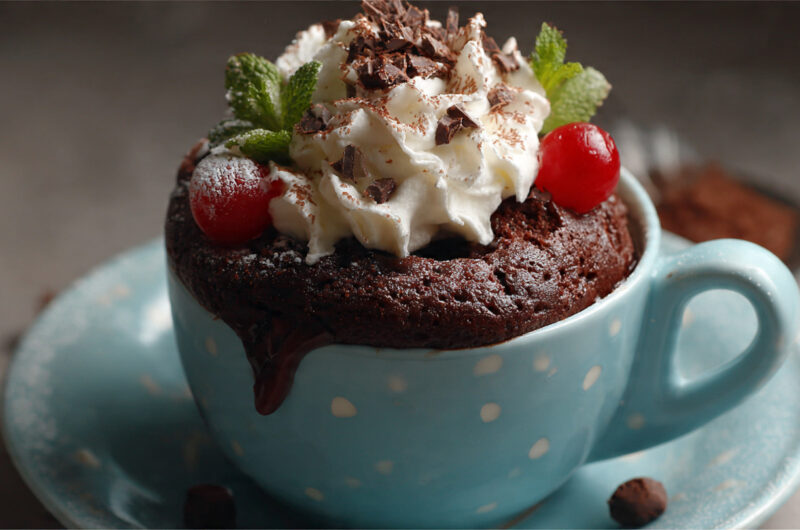
If you’re using chocolate chips, gently fold them in now with a couple of strokes of the fork. Press a few extras on top if you want that café-style look. Those chips are going to melt into warm, melty pockets throughout the crumb as the cake cooks — worth it every time.
Step 4: Microwave to Perfection
Microwave on high for 60 to 90 seconds, starting at 60 seconds and then checking. The top should look set and slightly puffed, with the very center still appearing just a touch soft. If the center still looks fully liquid, add 10-second intervals until it just sets.
Don’t worry if the top looks a little uneven or domed — that’s the rise doing exactly what it’s supposed to do, and everything settles as the cake rests.
Step 5: Rest Before You Dig In
Set the mug on the counter for 1 to 2 minutes before eating. This is the step most people skip, and it’s the single biggest reason mug cakes turn out tougher than they should. The residual heat gently finishes the center, and resting allows steam to redistribute through the crumb, resulting in a noticeably softer, more cohesive texture. Top with a scoop of ice cream, a cloud of whipped cream, or enjoy it exactly as is — warm, straight from the mug.
Perfecting This Recipe
- Measure carefully. Mug cake is a small-batch formula, which means even a slight difference in flour or liquid shifts the texture more than you’d expect.
- Stir until no dry flour remains. Dry pockets at the bottom lead to gummy, undercooked spots in the finished cake.
- Never skip the resting time. Two minutes of patience genuinely produces a significantly better result.
- Know your microwave’s wattage. Models above 1000W typically finish in 60 seconds; lower-wattage microwaves may need the full 90 seconds.
- Use a mug that’s larger than you think you need. The batter rises considerably as it cooks, and overflow is frustrating and entirely avoidable.
- Oil produces a more tender crumb than butter. Both work beautifully, but vegetable oil keeps the texture lighter and moister through the full cooking time.
Common Mistakes to Avoid
Overcooking the batter — This is the single most common reason mug cakes turn rubbery. Always start at 60 seconds, check the result, and only add time in 10-second increments if the center is still visibly unset.
Using a mug that’s too small — Any mug under 10 oz risks overflowing as the batter rises. Always size up when in doubt — a roomier mug costs you nothing.
Skipping the dry-ingredient mixing step — Adding wet ingredients directly to unmixed dry ingredients leaves the baking powder and salt unevenly distributed, which affects both rise and flavor balance throughout the cake.
Using old baking powder — Leavening that’s past its prime simply won’t give you the lift you’re counting on. Drop a pinch into hot water — if it bubbles actively, it’s still good to go.
Eating it straight out of the microwave — Skipping the rest time means you’re eating a cake that hasn’t finished its internal cooking. Those 90 seconds make a real difference in how the crumb comes together.
Visit Also: Gender Reveal Cake
Add Your Touch
- Vanilla version: Leave out the cocoa powder and add one extra tablespoon of flour to keep the batter balanced.
- Peanut butter lava: Press a heaped teaspoon of peanut butter into the center of the batter before microwaving for a rich, gooey core.
- Molten chocolate center: Tuck a square of dark chocolate into the middle of the batter for a proper lava cake moment.
- Brown sugar swap: Replace the granulated sugar with packed brown sugar for a deeper, caramel-edged sweetness.
- Coconut oil version: Use melted coconut oil in place of vegetable oil for a subtle tropical note that works beautifully with chocolate.
- Berry swirl: Spoon a teaspoon of raspberry jam or crushed fresh berries into the batter before cooking for a fruity twist that cuts through the richness.
What to Serve With This
- A generous scoop of vanilla bean ice cream — the contrast of warm cake and cold, creamy ice cream is genuinely one of life’s small pleasures.
- A drizzle of salted caramel sauce for a sweet-salty depth that makes the chocolate flavor pop.
- Lightly sweetened whipped cream and a few fresh raspberries or sliced strawberries for a lighter, brighter finish.
- A dusting of powdered sugar for a simple, bakery-style presentation that takes two seconds and looks effortlessly polished.
- A small pour of warm chocolate ganache when you’re fully leaning into the indulgence and not apologizing for it.
Storing and Serving
Fridge Cover the mug tightly with plastic wrap and refrigerate for up to 1 day. The texture will firm up in the fridge, but a brief reheat brings it right back.
Freezer Mug cake doesn’t freeze well — the delicate crumb breaks down during the freeze-thaw cycle. Since the recipe takes under five minutes from scratch, it’s always worth making fresh.
Reheating Microwave refrigerated mug cake on high for 10 to 15 seconds. You’re warming it, not re-cooking it, so keep the time short.
Make-Ahead Tip Mix all the dry ingredients directly into the mug and cover with plastic wrap up to 24 hours in advance. When you’re ready, just add the wet ingredients, stir, and microwave as directed. It’s a genuinely handy shortcut for busy evenings.
Servings This recipe makes one generous single-serving mug cake.
Nutrition (Approximate Per Serving)
- Calories: 370–400
- Total Fat: 18–22g
- Saturated Fat: 3–4g
- Carbohydrates: 47–52g
- Sugar: 18–22g
- Protein: 5–6g
- Sodium: 90–110mg
Nutritional values are approximate and may vary based on specific ingredients and brands used.
Chef’s Helpful Tips
- Let your milk come to room temperature. Cold milk straight from the fridge can make the batter mix unevenly. Setting it out for a few minutes before you start makes a small but noticeable difference.
- Check your baking powder’s freshness. A tin that’s past its date won’t give you the lift you need. It’s the kind of thing that’s easy to overlook until your cake comes out flat.
- Stir just until combined — then stop. Overworking the batter develops gluten in the flour, and that’s what leads to a chewier, tougher texture. A few extra strokes aren’t helping.
- Keep your toppings generous. The cake base itself isn’t overly sweet, which is intentional — it means ice cream, caramel, or berries complement it rather than competing with it.
- Dial in your microwave over one or two rounds. If 60 seconds is consistently overdoing it for your machine, try 50 next time. If it’s underdone, go to 70. One or two test runs is all it takes to find your ideal time.
Frequently Asked Questions
Q1. Can I make a mug cake without baking powder? You can, but the texture will be noticeably denser. For this easy mug cake recipe, a small pinch of baking soda combined with two or three drops of lemon juice can stand in as a substitute — it creates a similar leavening reaction and gets you closer to the fluffy result you’re after.
Q2. Can I make this dairy-free? Absolutely. Swap the milk for almond milk, oat milk, or soy milk and use vegetable oil in place of butter. The finished texture and flavor stay remarkably close to the original — most people wouldn’t notice the difference.
Q3. How does a mug cake compare to a slice of regular chocolate cake? It’s similar in flavor but slightly more fudgy and tender because of how quickly it cooks. Think of it as sitting somewhere between a soft brownie and a classic slice of chocolate cake — rich, moist, and completely satisfying in its own right, even if the two are a little different in character.
Q4. Can I prep this ahead for a gathering? Mug cakes are best eaten immediately after cooking, but a fun approach for groups is to pre-measure and mix the dry ingredients into individual mugs, cover them, and let guests add their own wet ingredients and microwave one at a time. It becomes an interactive dessert moment that’s surprisingly popular.
Q5. Can I freeze mug cake? It’s not recommended. The crumb breaks down during freezing and doesn’t recover well after thawing. Since this recipe takes under five minutes from scratch, you’re always better off making it fresh to order.
Conclusion
There’s something quietly wonderful about having a recipe in your back pocket that solves the “I need something sweet right now” problem in under five minutes. This mug cake isn’t just fast — it’s genuinely good, with a soft and airy crumb, deep chocolate flavor, and that fresh-baked warmth that hits you immediately. It feels a little luxurious for how little effort it actually takes, and that’s exactly the point.
So the next time the craving strikes at ten in the evening, or you want to end a weeknight dinner on a high note without breaking out a single baking pan, grab your favorite mug and make this. Top it generously, eat it straight from the mug with zero apologies, and customize it in whichever direction sounds best tonight. If it becomes your most-made dessert, you’ll be in excellent company.
The Fluffiest Chocolate Mug Cake
1
servings30
minutes40
minutes370–400
kcal1
hour10
minutesA soft, fluffy single-serve chocolate cake made entirely in your mug and ready in under 5 minutes — the perfect quick dessert for late-night cravings or an effortless after-dinner treat.
Ingredients
Base:
4 tablespoons all-purpose flour
2 tablespoons granulated sugar
2 tablespoons unsweetened cocoa powder
1/8 teaspoon baking powder
Pinch of salt
Batter:
3 tablespoons milk
2 tablespoons vegetable oil or melted butter
1/4 teaspoon vanilla extract
Optional:
1 tablespoon chocolate chips
Directions
- Add flour, sugar, cocoa powder, baking powder, and salt to a 10–12 oz microwave-safe mug. Stir with a fork until evenly combined.
- Add milk, oil, and vanilla extract. Stir until smooth, making sure no dry flour remains at the bottom of the mug.
- Fold in chocolate chips if using.
- Microwave on high for 60–90 seconds, starting at 60 and checking every 10 seconds until the top looks set and slightly puffed.
- Rest for 1–2 minutes before eating. Top with ice cream, whipped cream, or serve as is.