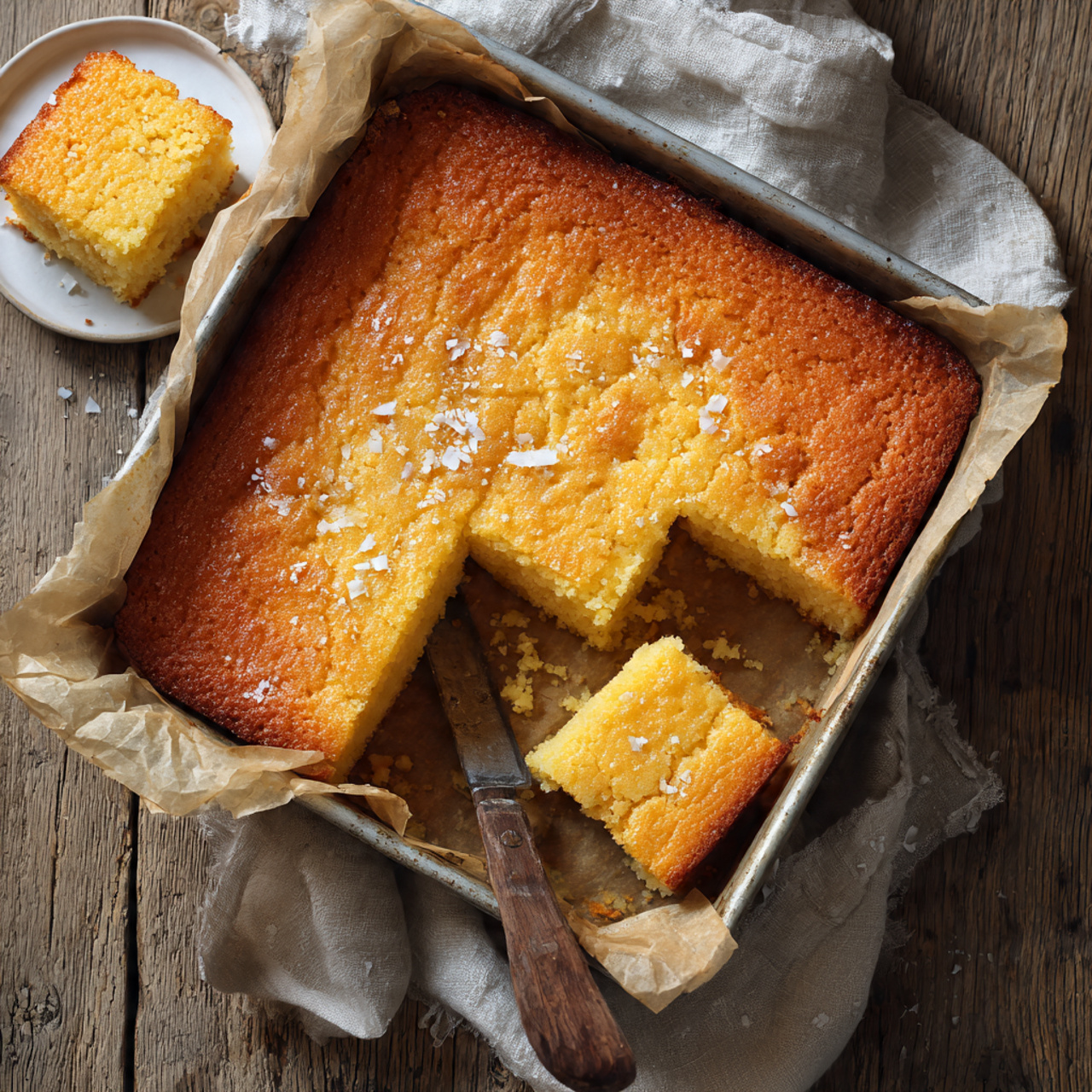
Soft and Simple Eggless Cake Recipe That Never Fails
Running out of eggs right when a cake craving hits is genuinely frustrating — and for most home bakers, the assumption is that a soft, springy crumb simply isn’t possible without them. Dense, gummy, or flat results have put a lot of people off eggless baking entirely. This eggless cake recipe changes that, delivering a genuinely tender, fluffy crumb every single time with nothing but pantry staples and about ten minutes of prep.
Imagine pulling a golden-topped cake from the oven — the kind that fills every corner of the kitchen with a warm, vanilla-sweet smell. The crumb is light and pillowy, just firm enough to hold a clean slice without crumbling, with a gentle sweetness that makes it the kind of cake you keep coming back to for one more piece. It’s not heavy or overly rich; it’s soft, familiar comfort in cake form.
This no egg cake is the one you reach for on a quiet weeknight when something sweet is needed, on a lazy Sunday afternoon with a pot of tea, or when you need a last-minute birthday treat that still looks and tastes like real effort went into it. It’s easy enough for everyday baking and nice enough to serve to guests. Whether you’re just starting out with eggless baking or looking for a reliable simple eggless cake you can count on, this is the one worth keeping in your rotation.
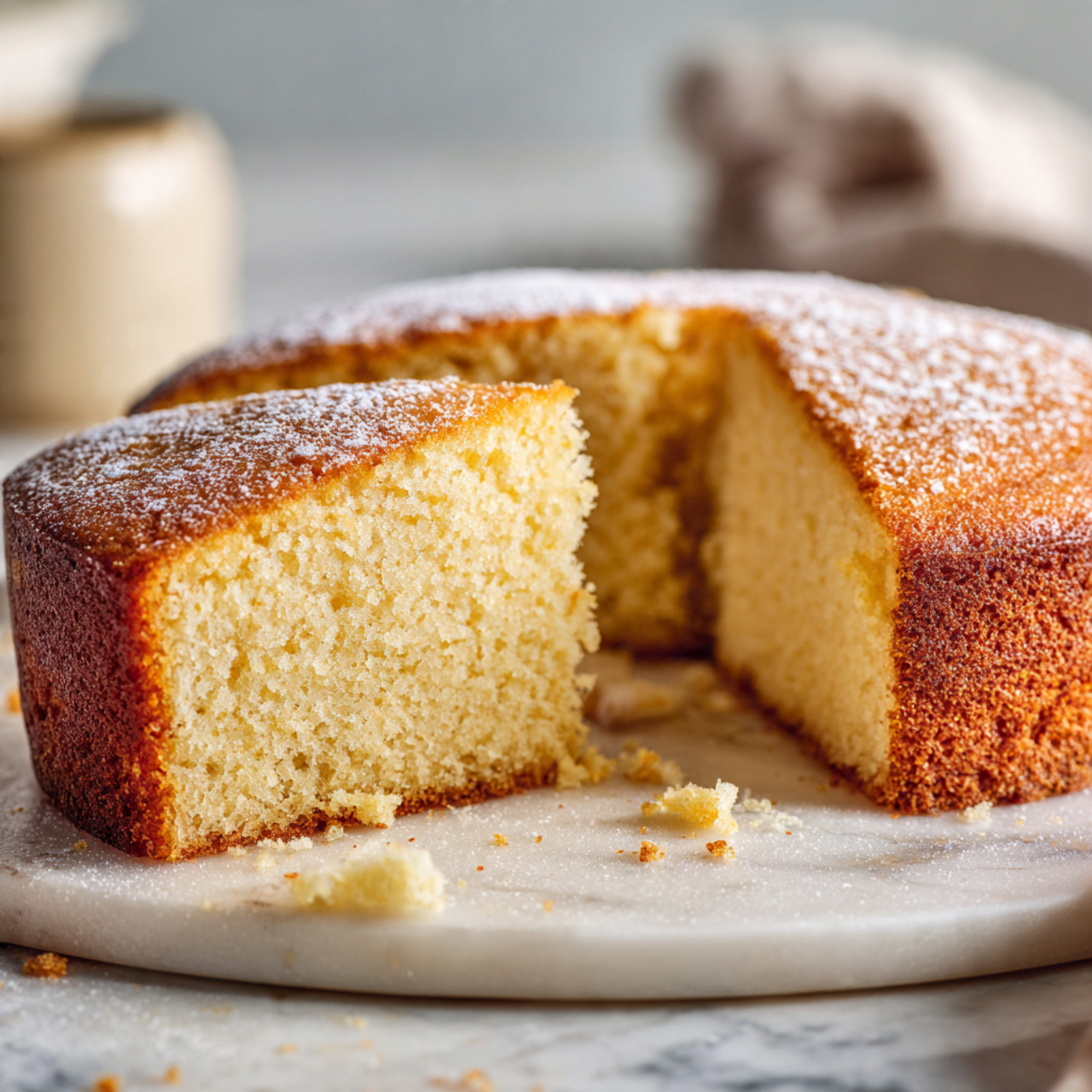
Why You’ll Love This Recipe
A Crumb That Stays Tender
The texture here is the real surprise — genuinely soft and moist in a way that most eggless cakes struggle to deliver. The combination of vinegar and baking soda creates just the right lift, leaving the crumb springy and light without any gumminess or heaviness.
Simple Enough for Any Day
There’s no creaming butter, no separating eggs, no complicated steps at all. Everything comes together in one bowl in about ten minutes, which makes this eggless cake recipe the kind of thing you can throw together on a whim without planning or extra equipment.
Made From Pantry Staples
Every ingredient in this recipe is something most kitchens already have sitting in a cupboard — flour, sugar, oil, milk, and a splash of vinegar. No specialty items, no extra trips to the store, no expensive substitutes needed.
Endlessly Flexible
Once you’ve made the base recipe, it’s easy to make it your own. Stir in cocoa powder for a chocolate version, add a pinch of cinnamon for warmth, fold in chopped nuts for crunch. The base adapts to whatever you’re in the mood for without any changes to the method.
Stores Well for Days
This cake holds up beautifully in the fridge for up to four days and freezes well too, which makes it a smart choice for baking ahead. It tastes just as good the next day — sometimes even better once the flavors have had a little time to settle.
Ingredients
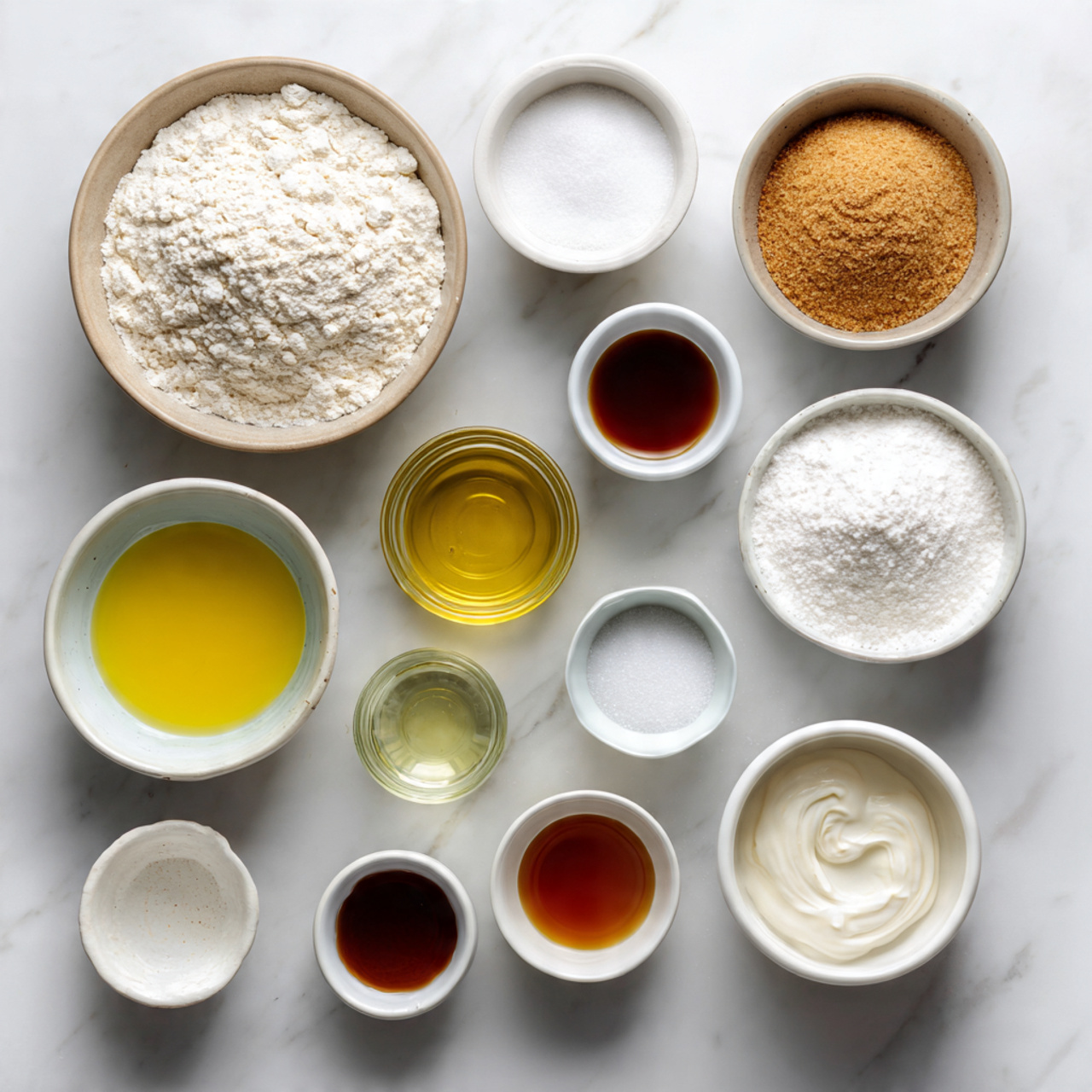
For the Cake Batter
- 1½ cups all-purpose flour (fresh flour gives the lightest crumb)
- 1 cup sugar
- 1 teaspoon baking soda
- ½ teaspoon salt
- 1 cup milk (room temperature; plant-based milk works just as well)
- ½ cup neutral oil (vegetable, sunflower, or canola all work)
- 1 tablespoon white vinegar (activates the baking soda for a beautiful rise)
- 1 teaspoon vanilla extract (pure vanilla makes a noticeable difference here)
The vinegar and baking soda work as a leavening team, creating the bubbles that lift this cake into something genuinely fluffy — no eggs required.
How to Make This Eggless Cake — Step-by-Step
Step 1: Prep Your Pan and Preheat
Grease a medium-sized round or square baking pan lightly with oil or butter, then line the base with parchment paper. Preheat your oven to 180°C (350°F). Don’t skip the preheat — putting batter into a cold oven is one of the most common reasons cakes don’t rise evenly, and it makes a bigger difference than most people expect.
Step 2: Combine the Dry Ingredients
Add the flour, sugar, baking soda, and salt into a large mixing bowl. Whisk them together gently until everything is evenly distributed and no pockets of baking soda remain. Don’t worry if you see a few small flour clumps — they’ll mix out in the next step. Getting the dry ingredients well combined before adding any liquid is what keeps the texture consistent throughout the cake.
Step 3: Add the Wet Ingredients
Pour the milk, oil, vinegar, and vanilla extract directly into the dry mixture. Using a spatula or wooden spoon, stir slowly and steadily until you have a smooth, pourable batter. You’ll notice a bit of fizzing when the vinegar meets the baking soda — that’s exactly what you want to see. Don’t worry if it looks a little bubbly at first; that’s the leavening doing its job. Stop mixing the moment the batter looks smooth.
Step 4: Pour and Bake
Pour the batter into your prepared pan and smooth the top lightly with the back of a spoon. Slide it into the preheated oven and bake for 30 to 35 minutes. The top should turn a warm golden color and feel just slightly springy when you press it gently with your fingertip. Don’t worry if it looks a little pale at the 20-minute mark — the color develops in the final stretch of baking.
Step 5: Test, Cool, and Slice
At the 30-minute mark, insert a toothpick into the center of the cake. If it comes out clean or with just a dry crumb or two, the cake is done. If it looks wet, give it another 3 to 5 minutes and test again. Once out of the oven, let the cake rest in the pan for 10 minutes before turning it out onto a wire rack to cool completely. Slicing into a warm cake is tempting, but letting it cool all the way through gives you the cleanest slices and the best texture.
Perfecting This Recipe
- Use room-temperature milk and oil — cold ingredients make the batter uneven and can affect how the cake rises.
- Measure flour by spooning it into the measuring cup rather than scooping directly from the bag; scooping packs it down and often adds more than the recipe calls for.
- Once the vinegar hits the baking soda, work quickly to get the batter into the pan. The fizzing is what gives the cake its lift, and you don’t want to lose that by letting the batter sit.
- Overmixing is the single biggest reason eggless cakes turn out tough and dense. Stir just until the batter comes together and stop there — a few strokes at the end is plenty.
- Every oven runs a little differently. Start checking the cake at the 28-minute mark rather than trusting the timer blindly, especially if your oven runs hot.
- Let the cake cool completely on a rack before wrapping or storing. Trapping heat in an airtight container too soon can create condensation and make the top sticky.
Common Mistakes to Avoid
- Overmixing the batter — Once the liquids go in, stirring too much develops the gluten in the flour and turns the crumb tough and rubbery. Mix only until no dry patches remain, then stop.
- Skipping the oven preheat — A cold oven means the baking soda reacts before the cake structure has time to set, which often causes a sunken center or uneven rise.
- Packing the flour — Scooping flour directly from the bag compresses it, which means more flour than the recipe intends. Always spoon and level for accuracy.
- Opening the oven door too early — Checking on the cake before the 25-minute mark lets heat escape and can cause the center to collapse. Wait it out and check at the right time.
- Cutting before it cools — A warm cake is still setting internally. Cutting too soon leads to crumbly slices and a slightly gummy texture in the middle, so give it the full cooling time.
Add Your Touch
- Stir a tablespoon of cocoa powder into the dry ingredients for a light, chocolatey version.
- Add a teaspoon of cinnamon or a pinch of cardamom for a warm, spiced flavor that pairs beautifully with tea.
- Fold in a handful of chopped walnuts or almonds before baking for crunch and a little heartiness.
- Swap vanilla extract for almond extract to get a subtle nutty sweetness that feels a bit more special.
- Replace the milk with oat milk, almond milk, or soy milk for a fully dairy-free version — the cake bakes up just as soft either way.
- Drizzle the cooled cake with a simple powdered sugar glaze (powdered sugar mixed with just a splash of milk) for a bakery-style finish with minimal effort.
Visit Also: Gingerbread Cake
What to Serve With This
- A cup of black tea or milky chai is the most natural pairing — the mild sweetness of the cake and the warmth of the tea are made for each other.
- Strong filter coffee or a latte cuts through the sweetness just enough to make each bite more interesting.
- Fresh sliced bananas or a small bowl of mixed berries add brightness and a touch of acidity that contrasts nicely with the soft crumb.
- A spoonful of plain yogurt or lightly whipped cream keeps things light and turns a simple slice into something that feels a little more considered.
- Dust the top with powdered sugar right before serving for a clean, celebration-ready look with zero extra effort.
Storing and Serving
Fridge Store the cake in an airtight container in the refrigerator for up to 4 days. Wrapping individual slices in parchment or plastic wrap keeps them from drying out and makes grabbing a piece easy.
Freezer Wrap cooled slices tightly in plastic wrap, then place them in a freezer-safe bag. The cake keeps well in the freezer for up to 2 months. Smaller slices thaw more evenly and quickly than large portions.
Reheating Warm individual slices in the microwave for 15 to 20 seconds on medium power. This brings back the soft, fresh-baked texture without drying it out. Only heat what you plan to eat — reheating the full cake at once can dry out the parts you’re not ready for.
Make-Ahead Tip This cake can be baked a full day ahead and stored covered at room temperature or in the fridge. It holds its texture beautifully overnight and is actually very easy to slice cold, making it a smart choice for gatherings.
Servings This recipe yields approximately 8 to 10 slices depending on how the cake is cut.
Nutrition (Approximate Per Serving)
- Calories: 200–220
- Total Fat: 9g
- Saturated Fat: 1g
- Carbohydrates: 30g
- Sugar: 17g
- Protein: 3g
- Sodium: 180mg
Nutritional values are approximate and may vary based on specific ingredients and brands used.
Chef’s Helpful Tips
- Pull the milk and oil out of the fridge about 20 minutes before you start — room-temperature ingredients blend into the batter far more smoothly than cold ones.
- Use a light-colored metal pan rather than a dark one; dark pans absorb more heat and can cause the edges to overbrown before the center is fully set.
- For perfectly clean slices, refrigerate the cooled cake for 30 minutes before cutting. A chilled cake holds its structure much better against the knife.
- If your cake turns out slightly dense, the most likely culprit is overmixing or old baking soda. Check that your baking soda is still active by dropping a small pinch into hot water — if it fizzes, it’s good to go.
- For an extra-golden top, move the rack to the upper-middle position in the oven for the final 5 minutes of baking.
Frequently Asked Questions
Q1. Can I make this eggless cake recipe ahead of time? Yes, and it works really well that way. Bake it a day before you need it, let it cool completely, then store it covered at room temperature or in the fridge. It stays soft and slices cleanly the next day, sometimes even better than fresh.
Q2. What can I use instead of regular milk? Any plant-based milk works beautifully here — oat milk, almond milk, and soy milk all give a similarly soft, moist result. Use the exact same quantity as the recipe calls for and don’t change anything else.
Q3. Is this recipe beginner-friendly? Very much so. Everything mixes in one bowl and there are no technical steps — no creaming, no folding, no special equipment. If you can stir a bowl of batter, you can make this cake.
Q4. Can I bring this to a potluck or party? Absolutely. It travels well, slices cleanly, and holds up at room temperature for several hours. For a crowd, double the recipe and bake it in a 9×13 pan — just expect to add a few extra minutes to the baking time and test with a toothpick before pulling it out.
Q5. Can I freeze this cake? Yes. Slice the fully cooled cake, wrap each piece tightly in plastic wrap, and store in a freezer-safe bag for up to 2 months. Thaw slices at room temperature for about an hour, or microwave a slice for 20 seconds when you need it quickly.
Conclusion
There’s a reason this eggless cake recipe has a way of becoming a regular in people’s baking rotation — it’s just consistently good. No fuss, no special techniques, no ingredients that are hard to find. Just a soft, tender cake that comes together in one bowl and delivers real comfort every single time. Whether you make it plain, add a dusting of powdered sugar, or dress it up with fruit and cream, it fits whatever the moment calls for without asking much in return.
Give it a try the next time a craving hits — or even before one does, just to have something warm and homemade ready to share. Bring it to the table for family, tuck a slice away for a quiet evening with tea, or bake it for someone who could use a little something thoughtful. However you serve it, this is the kind of recipe that earns its place and stays there.
Soft Eggless Cake Recipe
Course: Trending Cake4
servings10
minutes35
minutes200–220
kcal55
minutesA tender, golden cake made with everyday pantry ingredients — no eggs required. Light and moist with a gentle vanilla sweetness, this is the go-to bake for tea time, casual celebrations, or any time a craving strikes with an empty egg carton.
Ingredients
For the Cake Batter:
1½ cups all-purpose flour
1 cup sugar
1 teaspoon baking soda
½ teaspoon salt
1 cup milk
½ cup neutral oil
1 tablespoon white vinegar
1 teaspoon vanilla extract
Directions
- Preheat the oven to 180°C (350°F). Grease a medium baking pan and line the base with parchment paper.
- Whisk together the flour, sugar, baking soda, and salt in a large bowl until evenly combined.
- Add the milk, oil, vinegar, and vanilla. Stir until a smooth batter forms — do not overmix.
- Pour the batter into the prepared pan and smooth the top.
- Bake for 30 to 35 minutes, until the top is golden and a toothpick inserted in the center comes out clean.
- Cool in the pan for 10 minutes, then transfer to a wire rack and cool completely before slicing.