The Warmest Gingerbread Cake That Gets Better the Next Day
Most homemade gingerbread cake bakes up dry and crumbly — and the spices almost always taste muddy rather than warm and balanced. Nearly every time, the culprit is a combination of overbaking by just a few minutes and cold butter that never properly creamed. This recipe fixes both problems with a simple, forgiving method that delivers a moist, tender crumb and a rich spice flavor that deepens beautifully overnight.
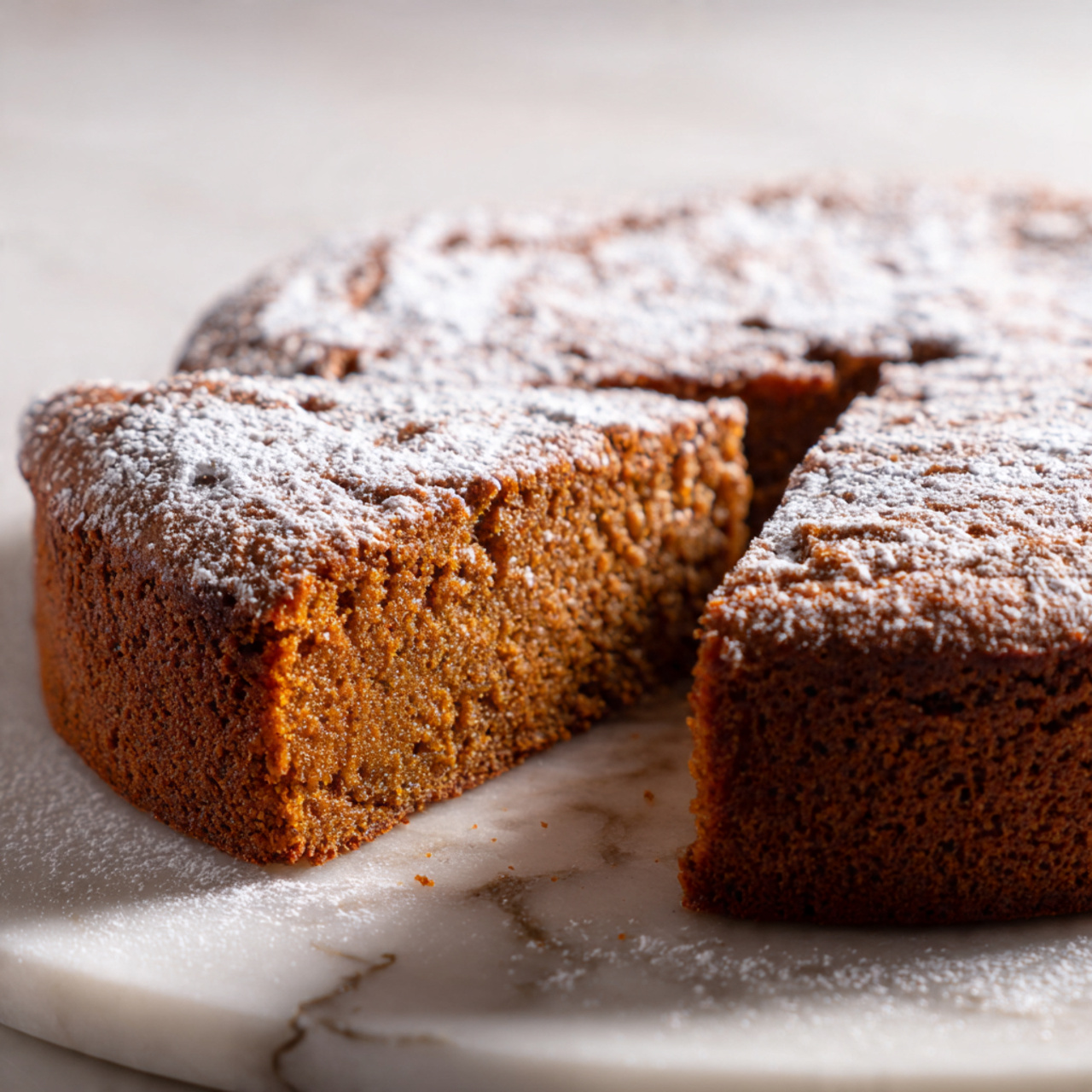
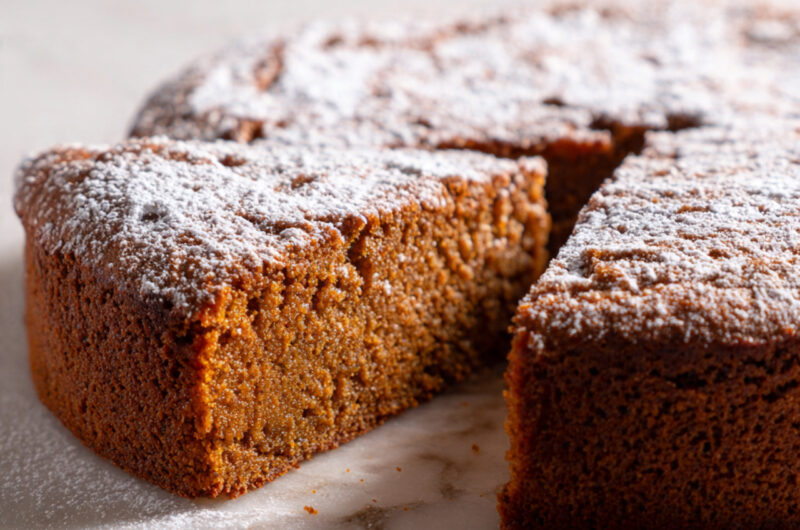
Picture a slice of this cake, still slightly warm from the pan: the crumb is soft and faintly sticky, yielding gently under a fork and releasing a dark, sweet wave of molasses layered with ginger, cinnamon, and a whisper of cloves. The aroma hits the kitchen long before the timer sounds — something between a well-stocked spice cabinet and a winter market, impossibly comforting and unmistakably homemade. It’s the kind of smell that pulls people out of other rooms without announcement.
This is the kind of easy gingerbread you reach for on a cold Tuesday evening when you want something from scratch without a big production. It holds its own on a holiday dessert table, travels beautifully to a potluck, and makes the most quietly satisfying breakfast the morning after. Once you’ve baked it, you’ll understand why the ingredients stay stocked year-round. Whether it’s your first or your fifteenth, this one earns a permanent spot in your rotation.
Why You’ll Love This Recipe
The Flavor Is Rich Without Being Complicated
Three warming spices — ginger, cinnamon, and cloves — work in harmony to give this molasses cake its signature depth. The dark, bittersweet character of the molasses ties everything together so the result is complex but completely approachable. It tastes like something that took far more effort than it actually did.
The Texture Stays Soft for Days
This cake doesn’t dry out the way many spiced cakes do. The combination of butter, egg, and milk keeps the crumb moist and slightly dense — the kind of texture that actually improves with a day in the fridge, making it one of the most reliable bakes in your weekly rotation.
It’s Built on Pantry Staples
There are no specialty ingredients here. Everything on the list is either already in your pantry or available at any grocery store. From start to slice, this is a weeknight-friendly bake that doesn’t ask you to make any extra trips or investments before you get started.
It Scales Without Fuss
Whether you’re baking for two or feeding a crowd, this recipe adjusts without drama. Halve the ingredients for a small pan, double them for a larger group — the method stays exactly the same, and the results stay consistently good. That flexibility is hard to find in a baking recipe.
It Wins Over Everyone at the Table
There’s something about the smell of this cake in the oven that draws people into the kitchen. It’s familiar and comforting in a way that lands with almost every crowd — picky eaters, spice skeptics, kids, and the person who insists they don’t like cake. It’s simply one of those recipes that never fails.
Ingredients
For the Cake Batter
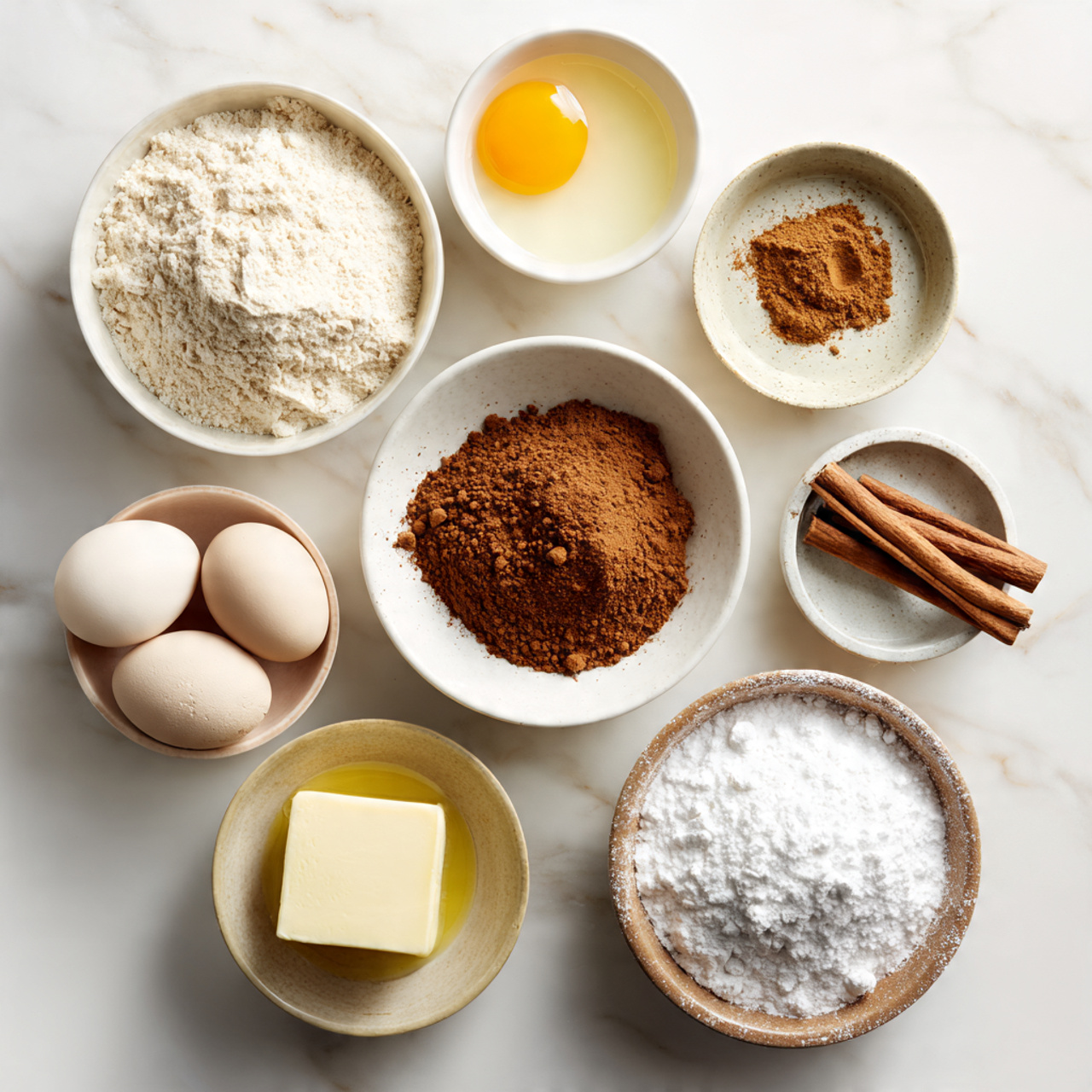
- 1½ cups all-purpose flour
- 1 teaspoon baking soda
- 1 tablespoon ground ginger
- 1 teaspoon cinnamon
- ½ teaspoon cloves
- ½ teaspoon salt
- ½ cup unsalted butter, softened (pull it from the fridge at least 45 minutes before you start)
- ½ cup brown sugar, packed
- ½ cup molasses (dark or full-flavored molasses gives the richest, deepest result)
- 1 large egg, room temperature
- ½ cup milk (whole milk gives the best texture, though 2% works fine)
The real magic in this recipe is how the molasses and brown sugar layer sweetness differently — one deep and almost smoky, the other soft and caramel-like — while the trio of spices provides the warm, rounded backbone. Together these ingredients create a flavor that is genuinely greater than the sum of its parts.
How to Make Gingerbread Cake — Step-by-Step
Step 1: Prep Your Pan and Dry Mix
Preheat your oven to 180°C (350°F) and lightly grease a medium baking pan with butter or a light spray. In a medium bowl, whisk together the flour, baking soda, ginger, cinnamon, cloves, and salt until evenly combined. Set this aside — having your dry mix ready before you touch the wet ingredients keeps everything moving smoothly and prevents scrambling mid-batter.
Step 2: Cream the Butter and Sugar
In a large bowl, beat the softened butter and brown sugar together until the mixture is pale, fluffy, and noticeably lighter — this takes about 2 to 3 minutes by hand or just over a minute with a hand mixer. Those tiny air pockets you’re creating are what give the cake its lift and tender crumb, so this step matters more than it looks. Don’t worry if the butter seems lumpy at first — keep beating and it will smooth out into something light and almost creamy.
Step 3: Add the Egg and Molasses
Add the egg to the butter-sugar mixture and stir until fully incorporated. Then pour in the molasses slowly, mixing as you go — you’ll watch the batter turn a rich, dark caramel color with a glossy sheen. That depth of color is exactly what you’re after. Don’t worry if the mixture looks slightly curdled or broken at this point; the moment the flour goes in, it comes back together completely.
Step 4: Bring the Batter Together
Add the dry mixture to the wet bowl in three small additions, alternating with the milk — start and end with the flour mixture. Stir gently after each addition, just until the streaks disappear. The batter should be thick, smooth, and scoopable. Overmixing from this point forward is the main cause of a tough crumb, so resist the urge to keep stirring once everything looks combined.
Step 5: Bake, Rest, and Slice
Pour the batter into your prepared pan and spread it evenly. Bake for 30 to 35 minutes, until the top feels firm to a gentle press and a toothpick inserted in the center comes out clean or with just a few dry crumbs. You’ll also notice the edges beginning to pull away from the sides of the pan — that’s your cue it’s done. Let the cake rest in the pan for at least 10 minutes before slicing; the interior continues to set as it cools, and cutting too early releases the moisture the crumb needs to finish.
Perfecting This Recipe
- Use butter that is truly softened rather than melted. Press a finger into it — if it leaves a clean indent with no resistance, it’s ready. This makes the difference between a light, airy crumb and a greasy one.
- Don’t rush the creaming step. The more air you work into the butter and sugar, the more lift you build into the finished cake before a single drop of leavening goes in.
- Alternate the dry and wet ingredients rather than adding everything at once. This keeps the gluten relaxed and the batter smooth rather than tough.
- Check the cake a few minutes before the timer is up. Every oven runs a little differently, and pulling it out at exactly the right moment — when the center is just set — is the difference between moist and dry.
- Measure flour by spooning it into your measuring cup and leveling off with a knife, not by scooping directly from the bag, which compacts it and can make the batter too stiff.
- If you can bake this the day before you need it, do. The spices deepen significantly overnight and the texture evens out into something even better than what came out of the oven.
Common Mistakes to Avoid
Using cold butter — Cold butter won’t cream properly with the sugar, so the air you need for a light, tender texture never gets incorporated. The result is a dense, heavy cake that had no reason to be. Give yourself time and let the butter come fully to room temperature.
Pouring in the molasses all at once — Adding it in one go can break the emulsion and leave the batter looking curdled and greasy. Pour it slowly and stir as you go — it takes an extra thirty seconds and makes a real difference to the final texture.
Overmixing after the flour goes in — Once the dry ingredients are added, stir only until the batter comes together. Overworking the gluten turns the texture from tender and soft to chewy and dense in a way that no amount of time in the oven will fix.
Overbaking — This is the single most common reason a gingerbread cake turns out dry. Start checking at the 28-minute mark and remove it the moment a toothpick comes out clean. Residual heat in the pan will finish setting the center.
Cutting too soon — Slicing into the cake straight out of the oven releases the steam and moisture the crumb needs to stabilize. Ten minutes of patience produces a noticeably cleaner, better slice.
Add Your Touch
- Add a pinch of freshly grated nutmeg or a small amount of white pepper to the dry mix for extra warmth and subtle complexity.
- Stir a teaspoon of orange zest into the batter for a bright citrus lift that cuts through the deep spice and keeps it from feeling heavy.
- Fold in a small handful of finely chopped crystallized ginger for chewy, fiery pockets throughout each slice.
- Swap regular milk for buttermilk for a slightly tangier flavor and an even more tender, delicate crumb.
- Replace the egg with ½ cup of plain yogurt or mashed ripe banana for a fully egg-free version that stays moist and holds together well.
- Finish with a pinch of flaky sea salt scattered over the top right before serving — it balances the sweetness in a way that feels intentional and elevated.
Visit Also: Yellow Cake Mix Recipes
What to Serve With This
A spoonful of thick Greek yogurt or lightly whipped cream is the simplest and most satisfying pairing — the tang balances the molasses richness without overwhelming it.
A warm mug of spiced tea or a strong black coffee turns a slice into a genuinely complete afternoon moment worth setting aside the to-do list for.
A light drizzle of warm caramel sauce transforms it into something fully dessert-table worthy without any additional baking.
Served slightly warm alongside a scoop of vanilla ice cream, it becomes a completely different experience — in the best possible way.
A cold glass of milk, especially for kids, is the most classic pairing and always works without any thought required.
Storing and Serving
Fridge Store the cooled cake in an airtight container in the refrigerator for up to 4 days. The flavor actually improves after the first day as the spices deepen, so there is no rush to finish it quickly.
Freezer Slice the cake before freezing so you can thaw only what you need. Wrap individual slices in plastic wrap and place them in a zip-lock bag or airtight container. The cake keeps well in the freezer for up to 2 months with no real loss of quality.
Reheating A quick 15 to 20 seconds in the microwave brings a refrigerated slice back to life — warm, soft, and almost fresh. For a slightly crisper edge, warm it in a low oven at 150°C (300°F) for about 10 minutes.
Make-Ahead Tip This cake is ideal for baking the evening before you need it. Store it covered at room temperature overnight or in the fridge if your kitchen is warm. Slice just before serving for the cleanest edges and the most even texture.
Servings This recipe yields approximately 8 to 10 generous slices from a standard medium baking pan.
Nutrition (Approximate Per Serving)
- Calories: 265
- Total Fat: 11g
- Saturated Fat: 7g
- Carbohydrates: 39g
- Sugar: 23g
- Protein: 4g
- Sodium: 225mg
Nutritional values are approximate and may vary based on specific ingredients and brands used.
Chef’s Helpful Tips
- Room temperature ingredients matter more in baking than most people realize. Cold butter won’t cream and a cold egg added to warm butter can cause it to seize. Pull everything out of the fridge at least 45 minutes before you start mixing.
- If you’re not sure whether your baking soda is still active, stir a teaspoon into a little hot water — it should bubble vigorously within seconds. Old or expired leavening is one of the most common and least suspected causes of flat, dense cakes.
- Molasses sticks to everything. Spray your measuring cup lightly with cooking spray first and it slides out cleanly without any scraping required.
- For clean, neat slices, let the cake cool completely before cutting and use a sharp knife wiped clean between each cut.
- If the finished cake feels denser than you’d like, the likely culprits are overmixed batter or slightly too much flour. Use the spoon-and-level method when measuring and stir gently from the moment the dry ingredients go in.
Frequently Asked Questions
Q1. Can I make this gingerbread cake ahead of time? Yes — and you really should. The flavor deepens noticeably after a day in the fridge, so baking it the evening before serving is genuinely the move here. Store it wrapped tightly or in an airtight container and let it come back to room temperature before slicing.
Q2. What can I use instead of molasses? Dark honey, treacle, or dark corn syrup can all work as a 1:1 substitute, though the flavor will be lighter and less complex. Molasses is really what makes this a proper gingerbread cake, so try to track some down if you can — it’s worth it.
Q3. Is this recipe beginner-friendly? Completely. There is no complicated technique here — just creaming, gentle stirring, and baking. If you’ve ever made a basic cookie dough, this is well within comfortable reach. The method is forgiving and the result is consistent even on a first attempt.
Q4. Can I bring this to a potluck? This cozy winter bake is one of the best things you can bring to a potluck. It travels well, doesn’t need refrigeration for a few hours, and appeals to almost everyone at the table. Bake it, let it cool fully, wrap it securely, and slice it there for the best presentation.
Q5. Can I freeze this cake? Yes, and it freezes really well. Slice the cake first so you can thaw only what you need at a time, wrap each slice individually, and freeze for up to 2 months. To serve, thaw at room temperature for a couple of hours, or warm a slice from frozen in the microwave for about 30 to 40 seconds.
Conclusion
There’s something quietly dependable about a recipe that delivers warmth without demanding too much of you. This gingerbread cake is exactly that — a bake you can return to on a cold weekday evening, set out on a holiday dessert table, or wrap up and send home with someone who could use a little comfort in edible form. It’s approachable enough to feel easy and flavorful enough to feel genuinely special, which is a combination that’s harder to find than it should be.
If you make it, try to let a slice sit overnight before you form your final opinion. You’ll find the spice has settled into something deeper, the texture has evened out, and the whole thing feels more considered than anything this simple has any right to be. That’s the quiet trick of this cake — a little time makes it better. Share it, save a slice for yourself, and don’t be surprised when someone asks for the recipe before the pan is empty.
The Warmest Gingerbread Cake
Course: Cake4
servings15
minutes35
minutes265
kcal1
hourA soft, deeply spiced cake with rich molasses warmth that stays moist for days. Perfect for holiday gatherings, easy weeknight baking, or any occasion that calls for something comforting and homemade.
Ingredients
For the Cake Batter:
1½ cups all-purpose flour
1 teaspoon baking soda
1 tablespoon ground ginger
1 teaspoon cinnamon
½ teaspoon cloves
½ teaspoon salt
½ cup unsalted butter, softened
½ cup brown sugar, packed
½ cup molasses
1 large egg
½ cup milk
Directions
- Preheat oven to 180°C (350°F). Grease a medium baking pan.
- Whisk flour, baking soda, ginger, cinnamon, cloves, and salt in a bowl. Set aside.
- Beat softened butter and brown sugar until pale and fluffy, about 2 to 3 minutes.
- Add egg and stir until combined. Slowly pour in molasses, mixing as you go.
- Add dry mixture in three additions, alternating with milk. Stir until just combined — do not overmix.
- Pour batter into prepared pan and spread evenly.
- Bake 30 to 35 minutes, until top is firm and a toothpick comes out clean.
- Rest in pan 10 minutes before slicing.