The Fluffiest 21st Birthday Cake Your Celebration Has Been Waiting For
Dense, dry cake layers are the most common birthday baking letdown — and almost every time, they trace back to two avoidable mistakes: butter that wasn’t softened and a batter that got stirred one too many times. When butter goes into the bowl cold, it can’t cream properly, and the whole structure of the cake collapses before it ever hits the oven. This recipe solves both problems from the very first step, so what comes out of the oven actually lives up to the occasion.
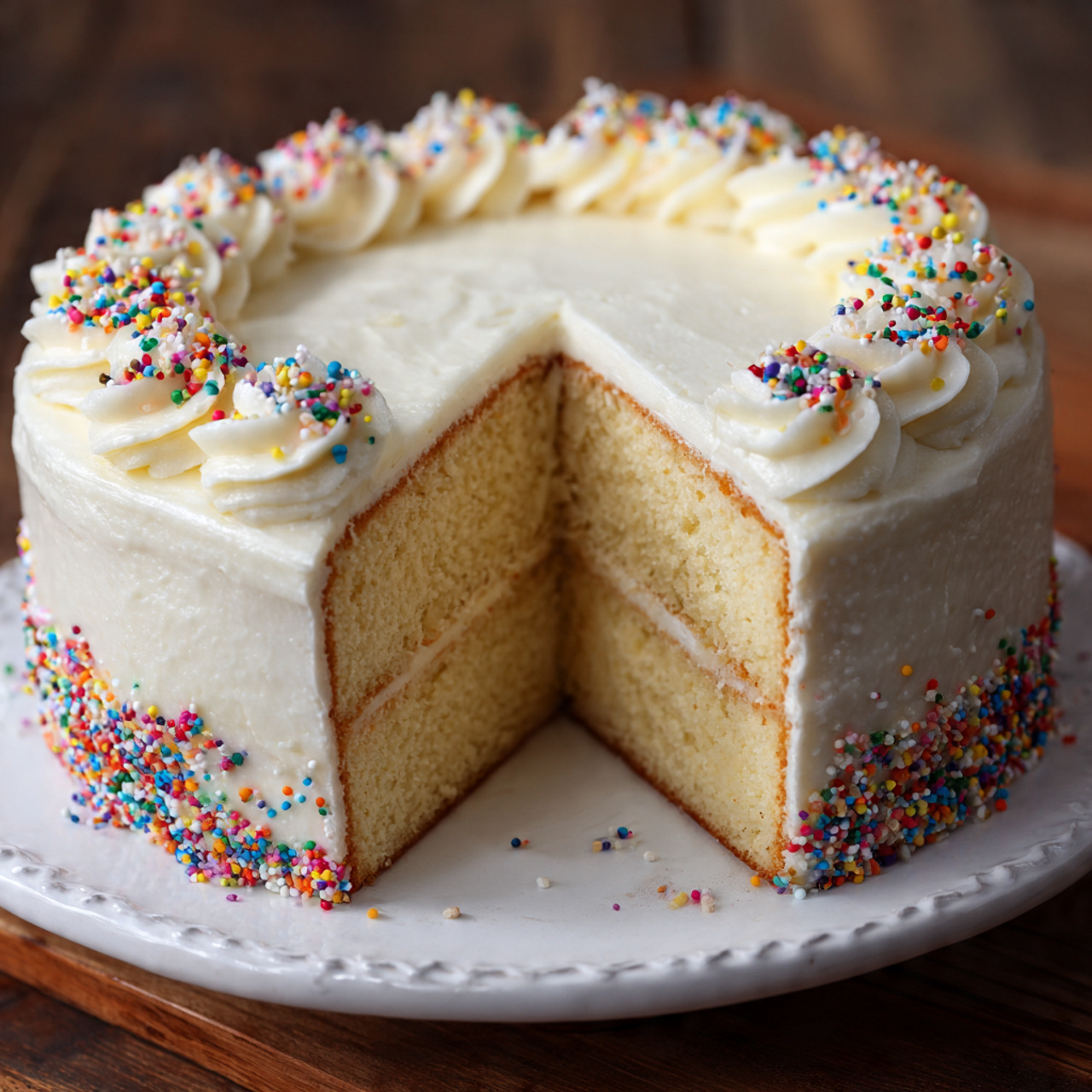
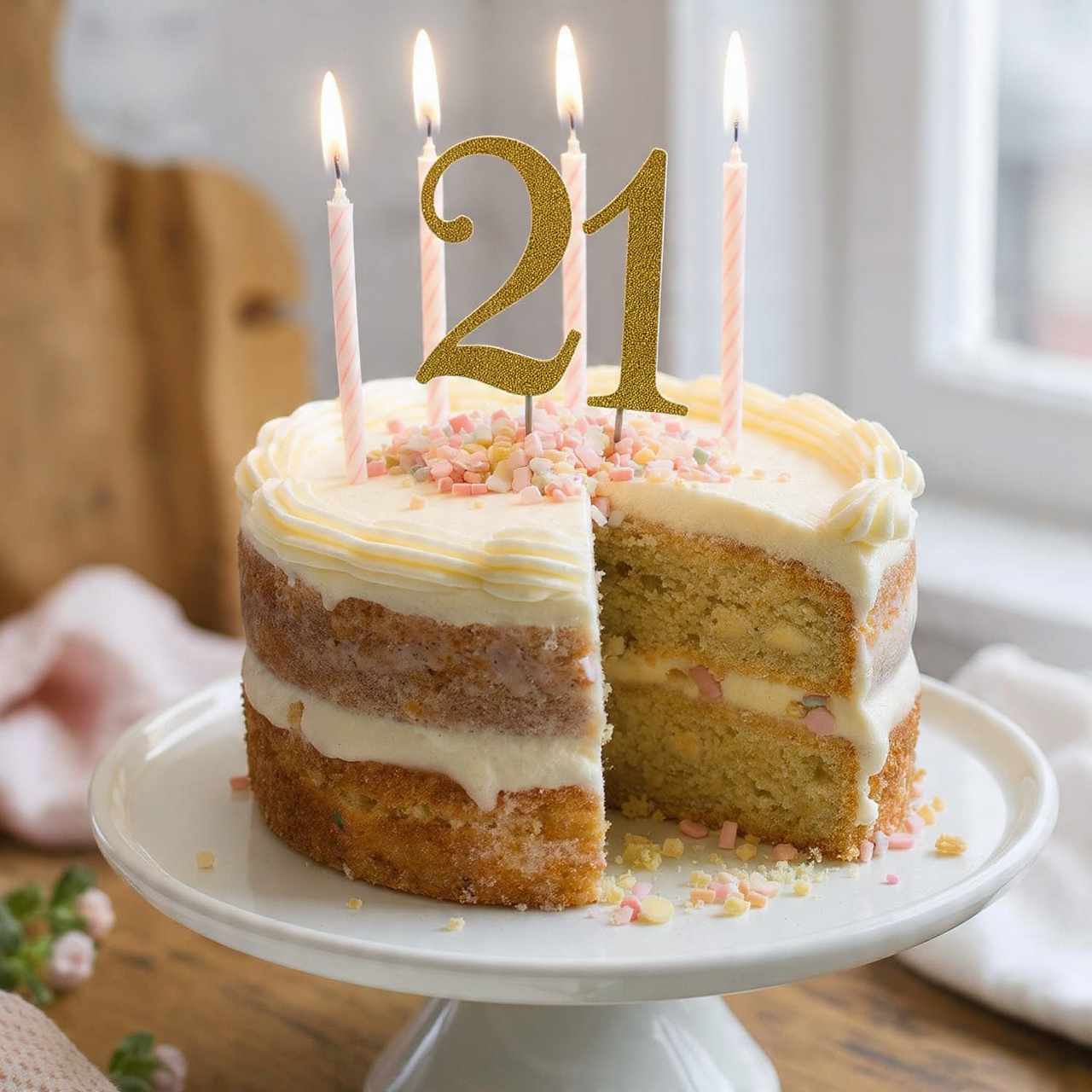
Picture the way this cake smells when it’s baking — warm vanilla mingling with the buttery sweetness of golden layers just beginning to brown at the edges. The crumb is soft without being crumbly, each layer springy and light in a way that holds together beautifully under a smooth coat of buttercream. The frosting is silky and just sweet enough, spreading in wide, clean strokes that look effortlessly polished. It’s the kind of cake that makes the whole kitchen feel like a celebration before the first slice is even cut.
This birthday layer cake was built for the moments that actually matter — an intimate dinner for two, a cozy gathering of close friends, or a full family party with candles and singing. It’s flexible enough for a small celebration and easy to scale up for a crowd. If you’ve been looking for a homemade vanilla cake that tastes as good as it looks and comes together without stress, this is the one.
Why You’ll Love This Recipe
The Flavor Is Classic, Balanced, and Just Right
Pure vanilla, real butter, and a touch of salt — that’s all this cake needs. The flavor is warm and familiar in the best way, tasting like something someone made with intention and care. The buttercream adds sweetness and richness without masking the delicate crumb beneath it.
A Crumb That’s Genuinely Light and Tender
The texture is where this cake earns its permanent place in the recipe rotation. Each layer bakes up with an even, open crumb that slices cleanly and softens beautifully against the frosting. It doesn’t feel heavy or stodgy — it feels like the birthday cake you always hoped for.
Easy Enough for Any Skill Level
The batter comes together in about 15 minutes with two bowls and a hand mixer. No special techniques, no hard-to-find ingredients, and no complicated decorating required. If you can cream butter and sugar, you can bake this cake confidently on your first try.
Built for Celebrations of Every Size
Eight to ten slices from one batch makes this ideal for a small party, and it doubles without any adjustments to technique for a larger gathering. Leftovers stay moist in the fridge the next day, and the flavor actually deepens slightly overnight.
A Homemade Cake Carries Something a Store Cake Never Can
There’s a reason people remember homemade birthday cakes long after the celebration. The texture, the smell, the fact that someone took time — it all comes through in the final result. This 21st Birthday Cake delivers that warmth in every single slice.
Ingredients
For the Cake Layers
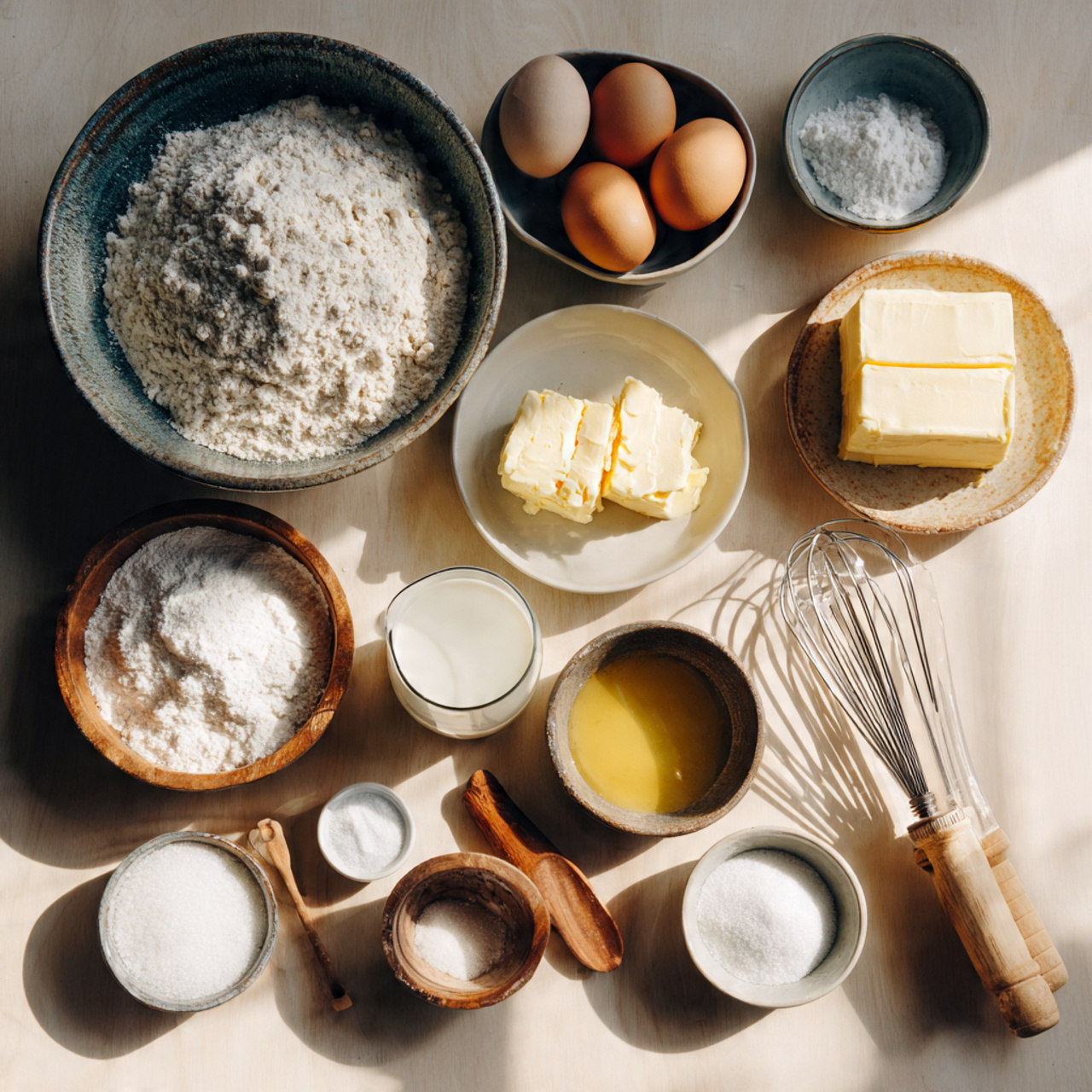
- 2 cups all-purpose flour
- 1½ teaspoons baking powder
- ½ teaspoon salt
- ¾ cup unsalted butter, softened (leave it out for at least 20 minutes before starting)
- 1 cup granulated sugar
- 3 large eggs
- 1 tablespoon vanilla extract (pure, not imitation — the difference is genuinely noticeable in a simple vanilla cake)
- ¾ cup milk (whole milk gives the richest, most tender result)
For the Buttercream Frosting
- 2 cups powdered sugar (sifted for a smooth, lump-free finish)
- ½ cup unsalted butter, softened
- 2–3 tablespoons milk (add one tablespoon at a time until the frosting is spreadable)
- 1 teaspoon vanilla extract
The flour and milk alternate into the batter to keep the crumb tender and even, while the butter provides both richness and structure. The buttercream brings it all together with a smooth, slightly sweet coating that makes every forkful feel complete.
How to Make This 21st Birthday Cake — Step-by-Step
Step 1: Set Up Your Pans and Prep the Dry Ingredients
Preheat your oven to 350°F (175°C) and let it come to full temperature before anything else goes in. Lightly grease two round cake pans and line the bottoms with a small circle of parchment paper — it makes releasing the layers completely stress-free. In a medium bowl, whisk together the flour, baking powder, and salt until evenly combined, then set it aside. Don’t worry if this step feels almost too simple — having the dry ingredients prepped before you start the wet mixing keeps the whole process smooth and prevents the kind of rushed scrambling that leads to overmixed batter.
Step 2: Cream the Butter and Sugar Until Pale and Fluffy
Add the softened butter and sugar to a large mixing bowl. Beat on medium speed for about 2–3 minutes, until the mixture turns noticeably lighter in color and looks almost cloud-like when you lift the beaters. You’ll see the texture shift from gritty and pale yellow to airy and white — that pale, fluffy appearance is exactly what you’re after. This step is the foundation of a light crumb, so give it the full time it needs.
Step 3: Mix In the Eggs and Vanilla
Add the eggs one at a time, mixing on low after each addition until just blended before adding the next. Pour in the vanilla extract and give everything a brief final stir. Don’t worry if the mixture looks slightly curdled or uneven at this stage — that’s completely normal and smooths out the moment the flour is folded in.
Step 4: Fold In the Flour and Milk
Add the flour mixture and milk in alternating additions, starting and ending with the flour. A good rhythm: one third of the flour, half the milk, another third of flour, the rest of the milk, then the final third of flour. Fold gently with a spatula or stir on the lowest mixer setting after each addition. The moment the last streak of flour disappears, stop. Every extra stir from this point builds gluten and makes the layers denser — this is the single most important step for getting that soft, fluffy crumb.
Step 5: Bake Until Golden and Springy
Divide the batter evenly between the prepared pans and smooth the tops gently with a spatula. Bake for 22–25 minutes. At the 22-minute mark, press the center lightly — it should spring back rather than sink, and a toothpick inserted in the middle should come out clean or with just a dry crumb. The edges will have pulled away slightly from the sides of the pan and taken on a faint golden color. Let the pans rest on a cooling rack for 10 minutes, then carefully turn the layers out onto the rack.
Step 6: Frost and Celebrate
Cool the layers completely — at least 30 minutes — before any frosting touches them. Beat the frosting ingredients together until smooth and fluffy: start with the softened butter, then gradually add the powdered sugar, vanilla, and milk one tablespoon at a time. Apply a thin crumb coat first (a light, imperfect first layer that seals in loose crumbs), chill the cake for 10 minutes, then finish with the final frosting layer in long, even strokes. Add sprinkles, fresh fruit, or candles to finish it your way.
Perfecting This Recipe
- Room temperature butter, eggs, and milk are non-negotiable for a smooth, airy batter. Take everything out at least 20 minutes before you start.
- Cream the butter and sugar until the mixture is genuinely pale and fluffy — it should look almost like whipped cream before you move on to the eggs.
- Always alternate flour and milk rather than adding either all at once. This keeps the gluten from developing too fast and the texture stays tender.
- Sifting the flour and powdered sugar takes less than a minute and measurably improves both the crumb and the frosting’s smoothness.
- Use the springback test at 22 minutes — pressing the center gently and feeling it bounce back is a more reliable indicator than color alone.
- Cooling the layers completely before frosting is not optional. Even 10 minutes of impatience here results in sliding, melting buttercream.
Common Mistakes to Avoid
Using butter straight from the fridge: Cold butter doesn’t aerate properly during creaming, which means the sugar can’t work air into the fat. The result is a heavier, tighter crumb than this recipe should produce. Let it soften at room temperature for at least 20 minutes first.
Adding all the flour at once: Dumping the full flour mixture in one go causes the batter to tighten suddenly and encourages overmixing to get it smooth. The alternating method keeps things gradual and the gluten relaxed.
Skipping the crumb coat: Applying a thick layer of frosting directly to uncoated cake pulls crumbs to the surface and creates a messy, uneven finish. One thin chilled layer first gives you a smooth, clean base for the final coat.
Opening the oven before the 20-minute mark: The center of the cake is still setting during the first part of baking, and a sudden drop in oven temperature can cause it to sink. Trust the process and check at the 22-minute mark.
Frosting warm layers: This is the most common reason for a cake that slides and looks uneven. The butter in the frosting softens on contact with warm cake almost immediately. Completely cooled layers make frosting easy and clean.
Add Your Touch
- Swap vanilla extract for almond extract in the batter for a more delicate, slightly floral flavor that feels a little unexpected.
- Stir in the zest of one lemon or orange before baking — it adds a bright, fresh note that pairs beautifully with the vanilla frosting.
- Add a tablespoon of coffee liqueur or caramel sauce into the finished buttercream for a richer, more grown-up flavor profile that fits a 21st perfectly.
- Fold mini chocolate chips or rainbow sprinkles into the batter before pouring it into the pans for a confetti effect throughout the layers.
- Replace whole milk with oat milk or almond milk for a dairy-free-friendly version that still bakes up moist and tender.
- Swap all three eggs for ¾ cup of plain yogurt to keep the cake egg-free without losing its soft, springy texture.
Visit Also: Lemon Cake
What to Serve With This
Sliced strawberries, raspberries, or fresh peaches arranged around the cake platter add a beautiful pop of color and balance the richness of the buttercream. A scoop of vanilla bean ice cream alongside each slice turns dessert into a full moment — the cold and creamy contrast with the soft, warm layers is hard to beat. Strong black coffee or a pot of hot tea pairs naturally with the sweetness of the frosting and keeps the whole experience feeling balanced rather than overwhelming. For a party setting, build a small milestone birthday dessert board with the cake, a few cookies, chocolate pieces, and fresh berries — guests love having something to share and graze on together.
Storing and Serving
Fridge Store leftover slices in an airtight container in the refrigerator for up to 3 days. The crumb stays moist and the frosting holds its texture well throughout.
Freezer Wrap individual slices tightly in plastic wrap and transfer to a freezer-safe container. They keep well for up to 2 months. Thaw overnight in the refrigerator before serving.
Reheating Allow refrigerated slices to sit at room temperature for about 15 minutes before serving. For a slightly warmer slice, 10 seconds in the microwave is plenty — enough to take the chill off without melting the frosting.
Make-Ahead Tip Bake the cake layers up to a day ahead and store them wrapped at room temperature. Frost the cake the following morning for the freshest-looking result. This makes the day of the celebration significantly more relaxed.
Servings This recipe yields approximately 8–10 generous slices from a standard two-layer round cake.
Nutrition (Approximate Per Serving)
- Calories: 360
- Total Fat: 16g
- Saturated Fat: 10g
- Carbohydrates: 50g
- Sugar: 34g
- Protein: 4g
- Sodium: 175mg
Nutritional values are approximate and may vary based on specific ingredients and brands used.
Chef’s Helpful Tips
- Pure vanilla extract makes a real difference in a simple cake where nothing else is masking the flavor. It’s one small upgrade that pays off noticeably.
- For clean, bakery-style slices, run a long knife under hot water, wipe it dry, then cut. Repeat between every slice and the portions will look professional.
- If the buttercream feels too stiff to spread, add milk one teaspoon at a time until it loosens. If it’s too runny, stir in powdered sugar a tablespoon at a time until it holds.
- Sift the powdered sugar before making the frosting — lumps that form in unsifted sugar are frustratingly difficult to smooth out once mixing begins.
- If you forgot to take the eggs out of the fridge, place them in a bowl of warm (not hot) water for 5 minutes. Cold eggs don’t blend as smoothly into the batter and can cause the mixture to look curdled.
Frequently Asked Questions
Q1. Can I make this 21st Birthday Cake a day ahead? Absolutely, and it actually works out beautifully. Bake the layers the day before, wrap them individually once cooled, and store at room temperature overnight. Frost the cake the next morning and it will taste freshly baked when you serve it at the celebration.
Q2. Why did my cake turn out dense instead of fluffy? The most likely reason is overmixing after the flour was added. Once flour meets liquid, gluten develops quickly, and every extra stir makes the crumb tighter and heavier. Mix only until the flour just disappears, then stop completely. Using cold butter or skipping the full creaming time can also contribute to a denser texture.
Q3. Can I replace the eggs with something else? Yes — swap all three eggs for ¾ cup of plain yogurt and the cake will still bake up soft and moist with a gentle sweetness. Mashed banana is another option, though it brings a subtle banana flavor through the layers. Either substitution works at any batch size.
Q4. Is this a good cake to bring to a party or potluck? It’s genuinely one of the better options for sharing. The layers hold up well during transport, the vanilla flavor appeals to almost everyone, and the cake slices into neat, clean portions without falling apart. Frost it the morning of the event and it’ll look and taste fresh all day.
Q5. Can I freeze leftovers after the party? Definitely. Wrap individual slices tightly in plastic wrap, place them in a freezer-safe container, and freeze for up to 2 months. Thaw overnight in the refrigerator and let them sit at room temperature for about 15 minutes before eating for the best texture.
Conclusion
A birthday cake made by hand carries something a store-bought one simply can’t replicate — the time, the care, and the thought that went into it. This 21st Birthday Cake brings all of that to the table in the most approachable way possible: soft, fluffy layers, smooth and creamy frosting, and a flavor that feels familiar enough for everyone but special enough to mark something significant. It’s the kind of recipe worth holding onto long after the candles are blown out.
The best part is how naturally it becomes yours. Add a citrus twist to the batter, swirl something unexpected into the frosting, or keep it beautifully simple with a clean coat of vanilla buttercream and a scattering of sprinkles. However you bake it, this is a celebration cake made to be shared — and that’s exactly what makes it worth making.
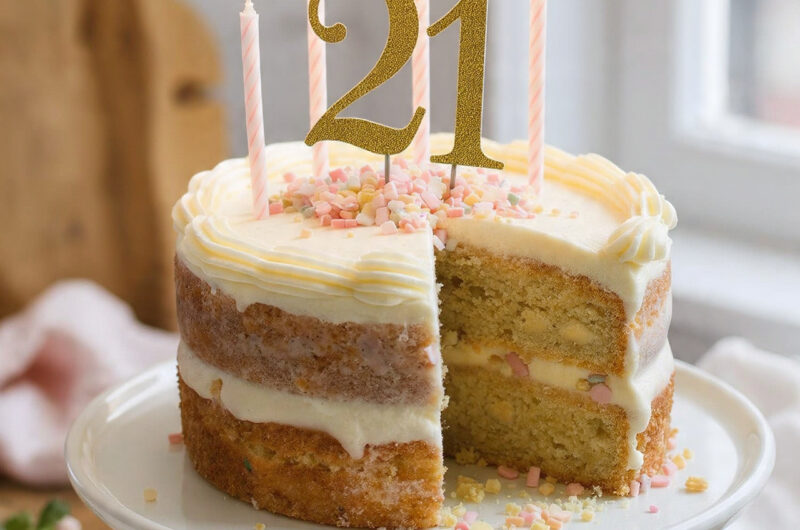
Fluffy 21st Birthday Cake
Course: Cake, Trending Cake8–10 slices
servings15
minutes25
minutes360
kcal1
hour10
minutesA soft, tender vanilla layer cake with silky buttercream frosting — beginner-friendly, easily scalable, and special enough for the most important birthday of the year.
Ingredients
For the Cake Layers:
2 cups all-purpose flour
1½ teaspoons baking powder
½ teaspoon salt
¾ cup unsalted butter, softened
1 cup granulated sugar
3 large eggs
1 tablespoon vanilla extract
¾ cup milk
For the Buttercream Frosting:
2 cups powdered sugar
½ cup unsalted butter, softened
2–3 tablespoons milk
1 teaspoon vanilla extract
Directions
- Preheat oven to 350°F (175°C). Grease two round cake pans and line bottoms with parchment.
- Whisk flour, baking powder, and salt in a medium bowl. Set aside.
- Beat softened butter and sugar on medium speed for 2–3 minutes until pale and fluffy.
- Add eggs one at a time, mixing after each. Stir in vanilla extract.
- Alternate folding in flour mixture and milk, starting and ending with flour. Mix until just combined — stop the moment flour disappears.
- Divide batter evenly between pans. Bake 22–25 minutes until a toothpick comes out clean and the center springs back when pressed.
- Cool in pans 10 minutes, then turn out onto a rack. Cool completely before frosting.
- Beat frosting ingredients until smooth and fluffy. Apply a thin crumb coat, chill 10 minutes, then finish with the final frosting layer.