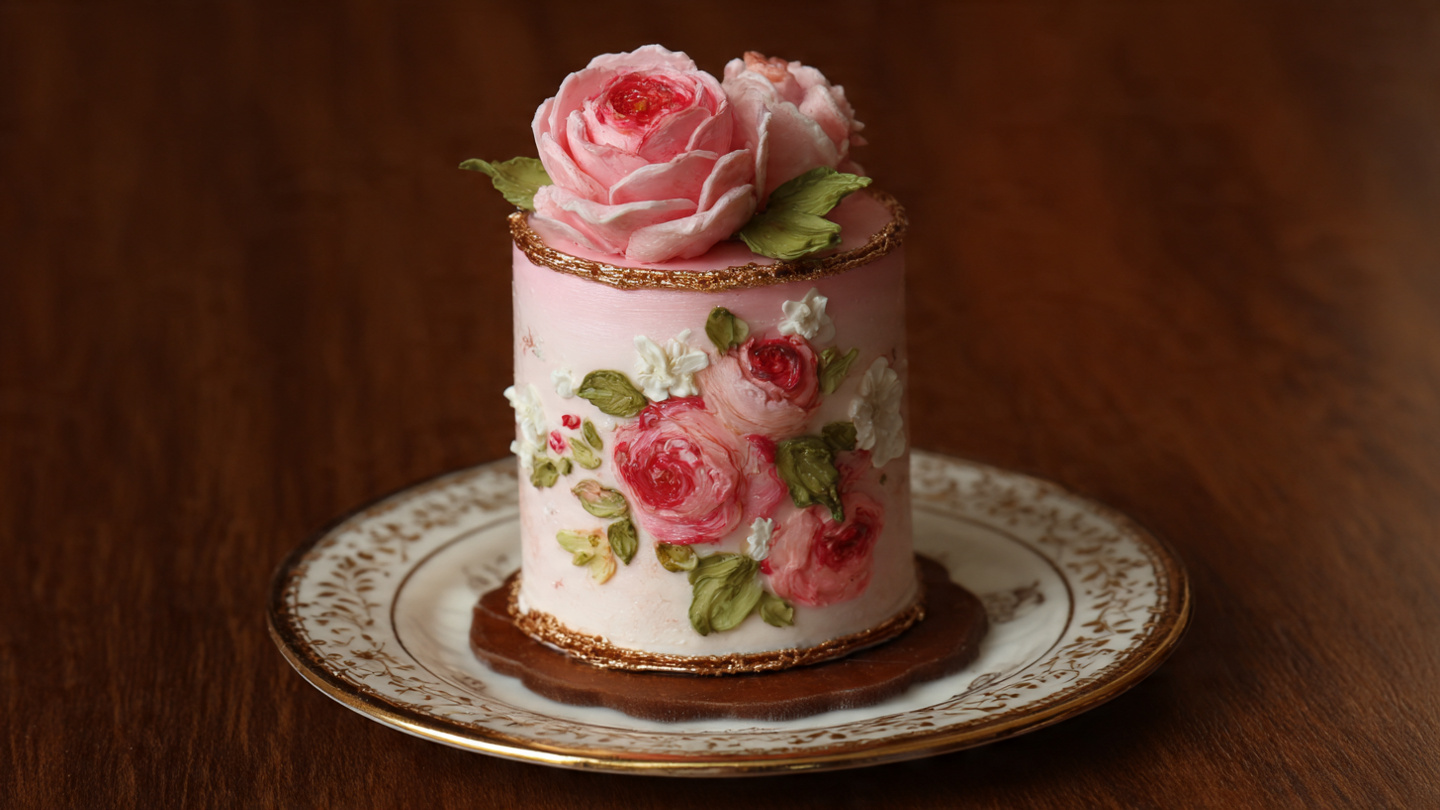
The Softest Flower Cake That Makes Every Table Feel Like Spring
Most cakes made with edible flowers end up a disappointment — the blooms sink straight to the bottom, turn an unappetizing shade of grey, or add no real flavor to the finished crumb. It almost always comes down to how and when the flowers are folded into the batter. Get this one step right, and your flower cake will look as stunning as it tastes, every single time.
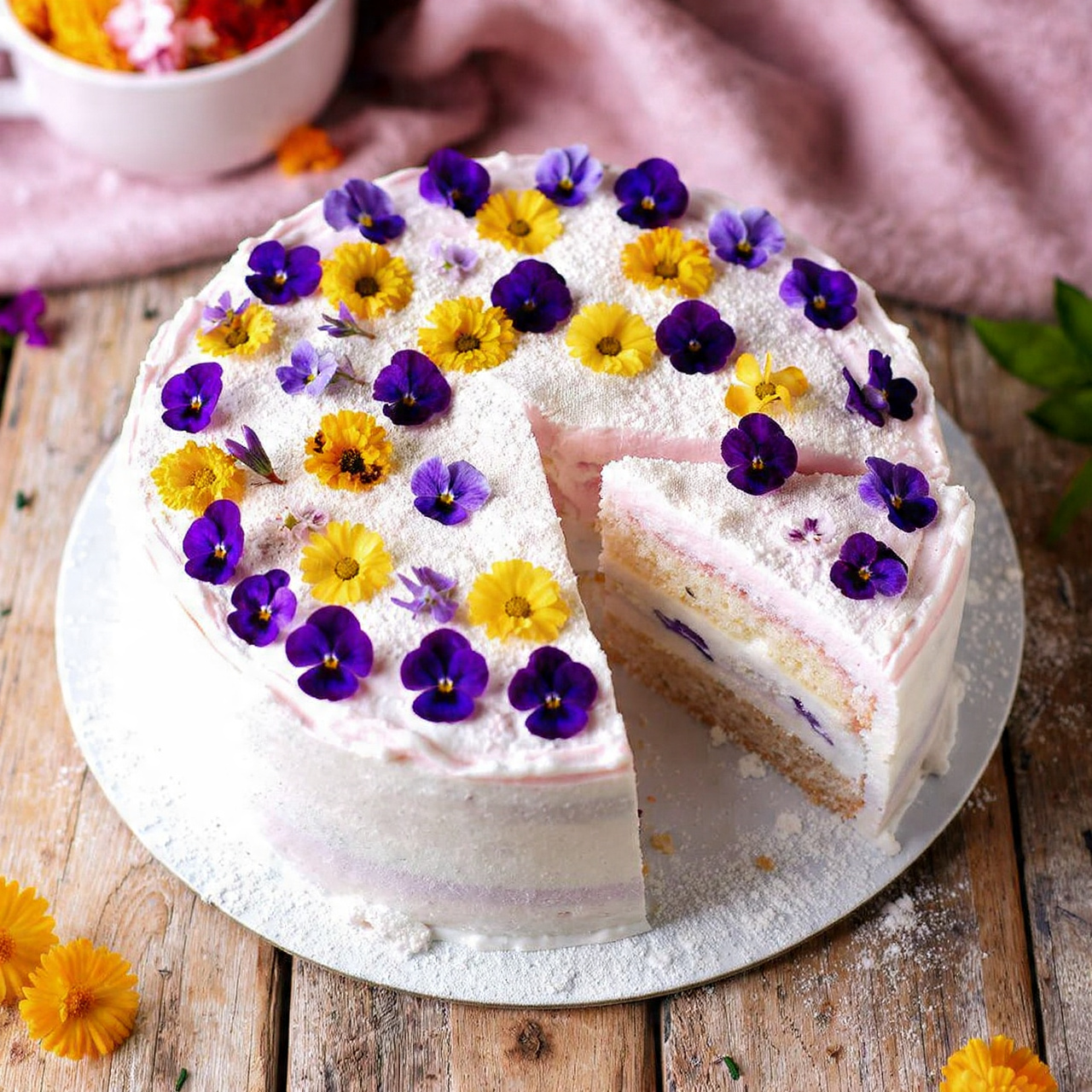
Imagine pulling a warm, golden cake from the oven with its surface studded with soft, jewel-toned petals — pale violet pansies, deep orange marigolds, and tiny bursts of purple scattered throughout. The first slice reveals a feather-light crumb that practically melts on the tongue, carrying a whisper of vanilla and the faintest breath of something floral. The aroma alone fills your kitchen with something that feels almost summery, like fresh blooms and brown butter swirled gently together.
This flower cake earns a place at an afternoon tea, a spring birthday brunch, a Mother’s Day table, or a quiet Wednesday evening when you simply feel like baking something lovely. It’s the kind of floral dessert that looks Pinterest-worthy yet takes no more than an hour from pantry to plate. Whether you’re new to baking with edible flowers or you’ve been saving pansies from your garden for exactly this purpose, this recipe is your invitation to make something genuinely beautiful.
Why You’ll Love This Recipe
A Flavor That’s Delicate, Not Overwhelming
The vanilla-scented batter gives the flowers a warm, neutral canvas to shine against without competing with bold or heavy flavors. You get a gentle sweetness with just enough floral fragrance to make each bite feel special — soft and subtle rather than perfumed or artificial.
A Crumb So Tender It Practically Sighs
Thanks to melted butter and a carefully balanced ratio of wet to dry ingredients, this cake bakes up with a moist, fine crumb that holds together beautifully when sliced. It’s soft without being dense and light without crumbling apart at the touch of a fork.
Ready in Under an Hour, Start to Finish
With a 15-minute prep and a 35-minute bake, this easy flower cake recipe is genuinely weeknight-friendly. There’s no chilling, no waiting for butter to soften, and no complicated technique standing between you and a gorgeous cake on the table.
Stunning Enough for Any Occasion
Edible flowers transform even the simplest batter into something that looks as though it came from a proper bakery. Whether you’re baking for a celebration or just because you deserve something beautiful on a Tuesday, this cake always looks like you put in extra effort.
Flexible from the First Fold
The recipe welcomes swaps and add-ins without protest. Change the flowers with the seasons, trade milk for a non-dairy alternative, or stir in a few drops of rose water — the base is forgiving and adapts beautifully to wherever you take it.
Ingredients
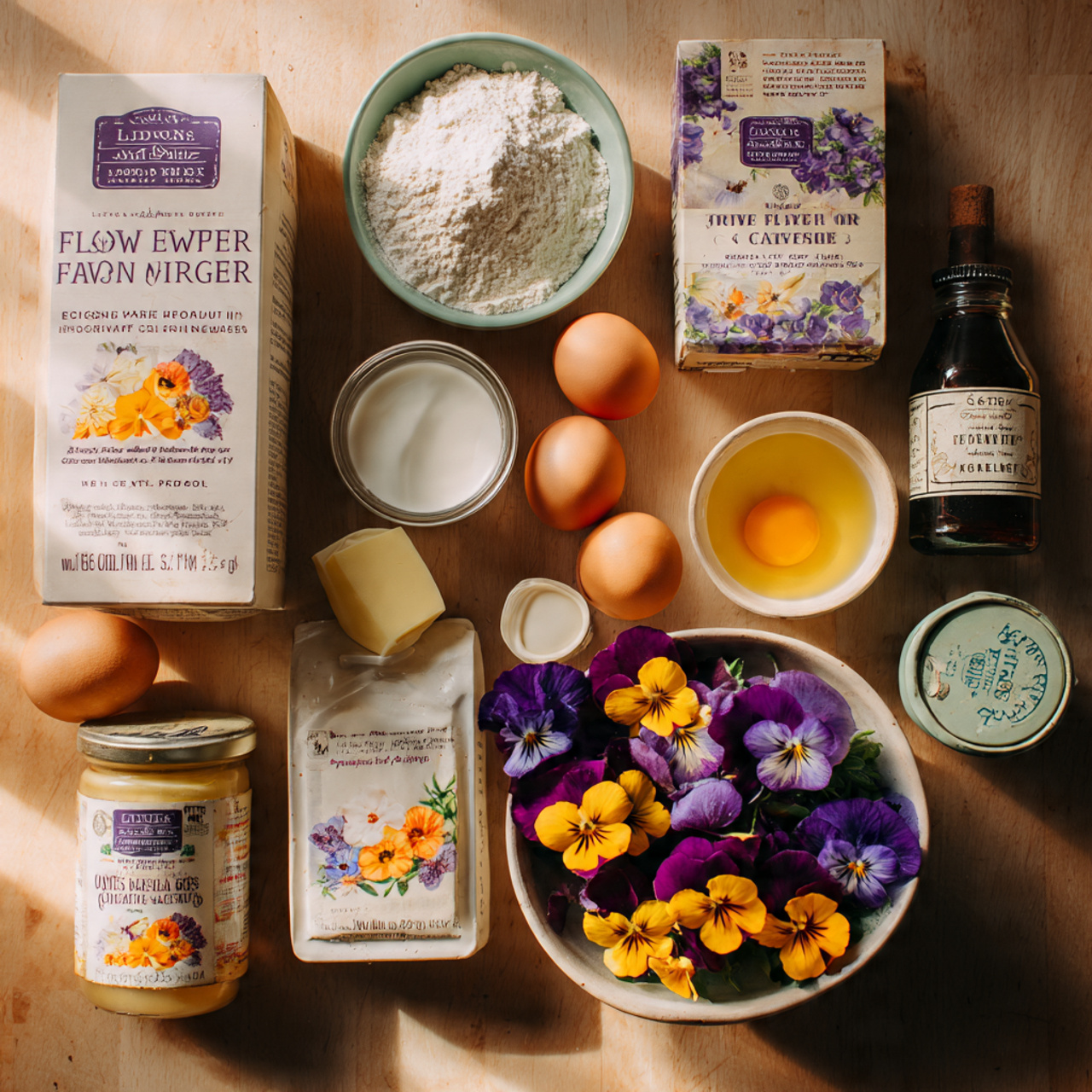
For the Batter
- 1½ cups all-purpose flour
- 1 cup sugar
- 1½ tsp baking powder
- ¼ tsp salt
- 2 large eggs
- ¾ cup milk (whole milk gives the richest result, though any variety works)
- ½ cup unsalted butter, melted and slightly cooled
- 1 tsp vanilla extract (pure, not imitation, for the cleanest flavor)
For the Floral Finish
- ½ cup edible flowers, gently washed and patted completely dry (pansies, violets, and marigolds all work beautifully — choose whatever is seasonal and confirmed safe to eat)
The buttery, vanilla-kissed batter gives the flowers a warm and neutral backdrop — flavors stay light and uncluttered while the colors pop through every slice.
How to Make Flower Cake — Step-by-Step
Step 1: Prep Your Oven and Pan
Preheat your oven to 350°F (175°C) and lightly grease a 9-inch round cake pan. Add a small dusting of flour after greasing, then tap out any excess — this creates a clean, easy release once the cake is baked. Don’t worry if a little flour clings to the sides; that’s exactly what you’re going for.
Step 2: Mix the Dry Ingredients
In a large bowl, whisk together the flour, sugar, baking powder, and salt until everything is evenly combined and lump-free. This takes about 30 seconds and sets the foundation for an even, well-risen cake with no pockets of bitter baking powder hiding in the crumb.
Step 3: Combine the Wet Ingredients
In a separate bowl or large measuring jug, beat the eggs with the milk, melted butter, and vanilla extract until the mixture looks smooth and just slightly frothy. Don’t worry if the melted butter appears to separate a little at this stage — it will come together perfectly once it meets the dry ingredients.
Step 4: Bring the Batter Together
Pour the wet mixture into the dry ingredients and fold gently with a spatula — about 12 to 15 steady folds, until just combined. A few small streaks of flour are absolutely fine at this point. Overmixing is the main thing to avoid here, as it develops the gluten and turns what should be a tender crumb into something tough and flat.
Step 5: Fold In the Flowers
Add your edible flowers to the batter and fold them in using 3 to 4 slow, deliberate strokes. You want the petals distributed evenly without bruising them — fold slowly and stop as soon as you no longer see large clusters of flowers gathered in one spot.
Step 6: Bake and Cool
Pour the batter into your prepared pan and bake for 30 to 35 minutes. You’ll know it’s ready when the top turns a gentle golden color, the edges pull just slightly from the sides of the pan, and a toothpick inserted in the center comes out clean. Allow the cake to rest in the pan for 10 minutes before turning it out onto a wire rack — this prevents cracking and gives the crumb time to settle into its final shape.
Perfecting This Recipe
- Use eggs and milk at room temperature — they incorporate more smoothly and help the batter bake evenly from edge to center rather than cooking faster on the outside than the middle.
- Fold, don’t stir. A wide spatula and gentle folding motions protect the flowers and keep the crumb tender by limiting gluten development.
- Measure your flour correctly by spooning it into the measuring cup and leveling off the top with a straight edge — scooping directly from the bag can pack in up to 20% more flour than the recipe intends.
- Pull the cake at the 30-minute mark and test it; ovens run hot, and even five extra minutes can dry out the crumb significantly.
- Let the cake cool fully before slicing for the cleanest cuts and a more settled, sliceable texture — cutting into a warm cake compresses the crumb and leaves a gummy edge.
- Pat your flowers completely dry before folding them in. Excess moisture introduces extra liquid into the batter and can make the petals turn brown or weep during baking.
Common Mistakes to Avoid
- Overmixing the batter: Once the wet and dry ingredients come together, gluten starts developing with every extra stir. Too many folds leads to a tough, rubbery crumb instead of the tender, melt-in-your-mouth texture you’re after — mix until the flour just disappears, then stop.
- Adding wet flowers: Flowers that haven’t been fully dried after washing will release extra moisture into the batter. This causes the petals to brown, sink unevenly, or turn limp during baking. Always pat them thoroughly dry before they go anywhere near the batter.
- Using decorative or untreated flowers: Not every flower is safe to eat, and flowers sold for floral arrangements are frequently treated with pesticides. Stick to confirmed edible varieties — pansies, violets, marigolds, rose petals, chamomile — and always source them from a trusted, food-safe supplier or your own unsprayed garden.
- Skipping the resting time: Removing the cake from the pan too soon risks it breaking apart along the still-soft sides. Give it the full 10 minutes in the pan so the edges can pull away naturally and cleanly.
- Overbaking because the top looks pale: Flower cakes bake up lighter in color than a classic butter cake. Trust the toothpick rather than the color — if it comes out clean with just a few moist crumbs clinging to it, the cake is done and ready to rest.
Visit Also: Happy Birthday Cake
Add Your Touch
- Swap vanilla extract for rose water or lavender extract for a more pronounced, clearly floral character that perfumes the whole cake
- Add the zest of one lemon or orange to the batter for a bright, citrusy lift that complements the flowers without overpowering them
- Replace milk with coconut milk for a subtly richer, slightly tropical undertone
- Use a mix of different edible flowers — pansies for vivid color, rose petals for fragrance, and chamomile for an earthy warmth
- Fold in a tablespoon of poppy seeds with the dry ingredients for a delicate, pleasant crunch scattered through every bite
- Finish the cooled cake with a simple honey glaze and a handful of fresh petals scattered loosely on top for a clean, elegant look that takes about two minutes
What to Serve With This
- A pot of Earl Grey or chamomile tea — the floral notes in the cup echo beautifully with the petals in the cake
- Lightly whipped cream loosened with a splash of rose water for something indulgent without feeling heavy
- A small bowl of warm strawberry or blueberry compote for color contrast and a welcome tartness
- Vanilla bean yogurt and sliced peaches for a light, warm-weather dessert plate that works just as well at brunch
- A scoop of honey ice cream alongside a warm slice for any occasion that calls for something a little more celebratory
Storing and Serving
Fridge Store in an airtight container in the refrigerator for up to 3 days. The flowers may fade gently in color over time, but the flavor and texture stay intact.
Freezer Wrap individual slices tightly in plastic wrap, then in a layer of foil. Freeze for up to 2 months. Thaw overnight in the fridge — the texture holds up well, though the flowers will soften and their color will fade noticeably after freezing.
Reheating Warm individual slices in the microwave for 20 to 25 seconds, or in a 300°F (150°C) oven for 5 to 8 minutes. Either method brings back that soft, just-baked texture without drying out the crumb.
Make-Ahead Tip Bake up to one day in advance. Let the cake cool completely, wrap it tightly in plastic wrap, and refrigerate until needed. Add any fresh flower garnish right before serving so the petals stay bright and vibrant.
Servings This recipe yields approximately 8 slices from a 9-inch round pan.
Nutrition (Approximate Per Serving)
- Calories: ~320
- Total Fat: ~14g
- Saturated Fat: ~8g
- Carbohydrates: ~44g
- Sugar: ~24g
- Protein: ~6g
- Sodium: ~115mg
Nutritional values are approximate and may vary based on specific ingredients and brands used.
Chef’s Helpful Tips
- Room-temperature eggs and milk blend into the batter faster and more evenly, helping the cake rise consistently and preventing dense, undercooked pockets in the center.
- The toothpick is your most reliable guide — pull the cake the moment it comes out with clean, slightly moist crumbs rather than wet batter attached.
- For clean, neat slices, run a sharp knife under hot water, wipe it completely dry, then cut in one smooth downward stroke — no sawing back and forth.
- Fresh, food-safe flowers make a real difference to both color and flavor. If possible, use organic, pesticide-free varieties from a trusted supplier or your own garden.
- If the cake comes out denser than expected, overmixed batter or too much flour is almost always the reason. Next time, fold more gently and spoon-measure your flour rather than scooping directly from the bag.
Frequently Asked Questions
Q1. Can I make this flower cake ahead of time? Yes, this flower cake bakes beautifully a full day in advance. Once it’s completely cool, wrap it tightly and refrigerate it overnight. Take it out about 30 minutes before serving so it comes to room temperature, and add any fresh flower garnish right before it goes on the table for the most vivid presentation.
Q2. Which flowers are safe to use in this recipe? Pansies, violets, marigolds, rose petals, and chamomile are all reliable, food-grade choices. Always confirm that your flowers are specifically labeled edible and haven’t been treated with pesticides — flowers sold in the floral section of grocery stores are not always safe to consume.
Q3. Is this recipe beginner-friendly? Absolutely. The steps are clear and straightforward, the batter comes together in minutes, and there are no complicated techniques involved. As long as you fold gently and avoid overmixing, even a first-time baker will get a soft, beautiful result they’ll be proud of.
Q4. Can I freeze this cake? Yes — wrap individual slices tightly in plastic and then foil before freezing for up to 2 months. The texture holds up well after thawing, though the flowers will soften and their color will fade. Thaw slices overnight in the fridge for the best results before serving.
Q5. What does this cake taste like compared to a regular vanilla cake? It’s very close to a classic vanilla butter cake, but with a softer, more delicate sweetness. The edible flowers contribute a subtle floral note — gentle rather than perfume-like — that gives this cake its own quiet character without straying too far from the familiar.
A Cake Worth Coming Back To
Some recipes become the ones you return to again and again, not because they’re the most elaborate or technically impressive, but because they feel right. This flower cake is that kind of recipe — simple enough for a weeknight bake, beautiful enough for a celebration table, and forgiving enough to welcome both beginners and confident bakers. It takes something lovely and seasonal and turns it into something you can actually share and remember.
When you pull this cake from the oven, petals glowing softly through the golden crumb, the quiet sense of satisfaction it brings is hard to match. Try it once and I have a feeling you’ll find yourself making it again — swapping the flowers with the seasons, playing with new flavor combinations, making it unmistakably yours. That first slice is waiting.
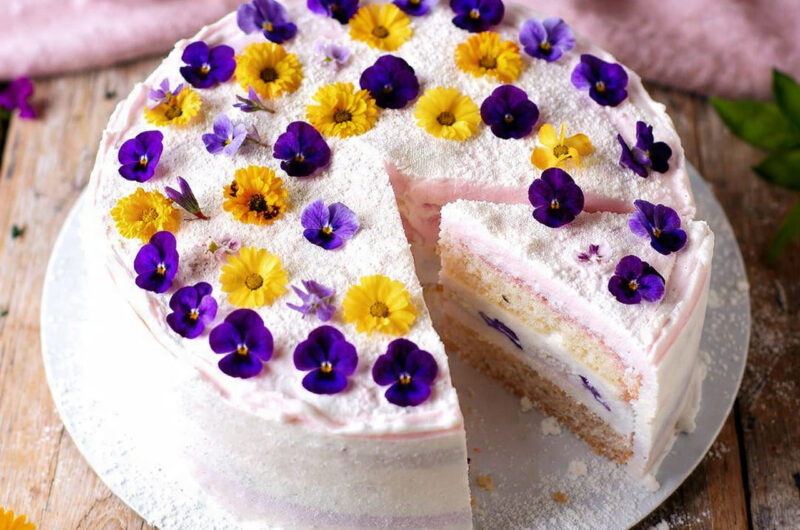
The Softest Flower Cake
Course: Cake, Trending Cake8 slices
servings15
minutes35
minutes320
kcal1
hourA tender, vanilla-scented butter cake folded with fresh edible flowers — soft, fragrant, and gorgeous for spring gatherings, afternoon tea, or any day that deserves something quietly beautiful.
Ingredients
For the Batter:
1½ cups all-purpose flour
1 cup sugar
1½ tsp baking powder
¼ tsp salt
2 large eggs
¾ cup milk
½ cup unsalted butter, melted
1 tsp vanilla extract
For the Floral Finish:
½ cup edible flowers, washed and patted dry (pansies, violets, or marigolds)
Directions
- Preheat oven to 350°F (175°C). Grease and flour a 9-inch round cake pan.
- Whisk flour, sugar, baking powder, and salt together in a large bowl.
- In a separate bowl, beat eggs, milk, melted butter, and vanilla until smooth.
- Pour wet ingredients into dry and fold gently until just combined — stop as soon as the flour disappears.
- Fold in edible flowers with 3 to 4 slow strokes until evenly distributed.
- Pour batter into prepared pan. Bake 30 to 35 minutes until golden and a toothpick comes out clean.
- Cool in pan for 10 minutes, then turn out onto a wire rack to cool completely before slicing.