The Fluffiest Homemade Coconut Cake That Feels Like a Warm Hug Every Time
Most coconut cakes come out of the oven either bone dry or so dense they feel more like a doorstop than a dessert — and the coconut flavor? Barely there. That’s because most recipes skip the details that actually matter: the mixing method, the fat ratio, and how to coax real coconut flavor into every crumb. This coconut cake recipe fixes all of that, and it does it with pantry staples and a method anyone can follow on the first try.
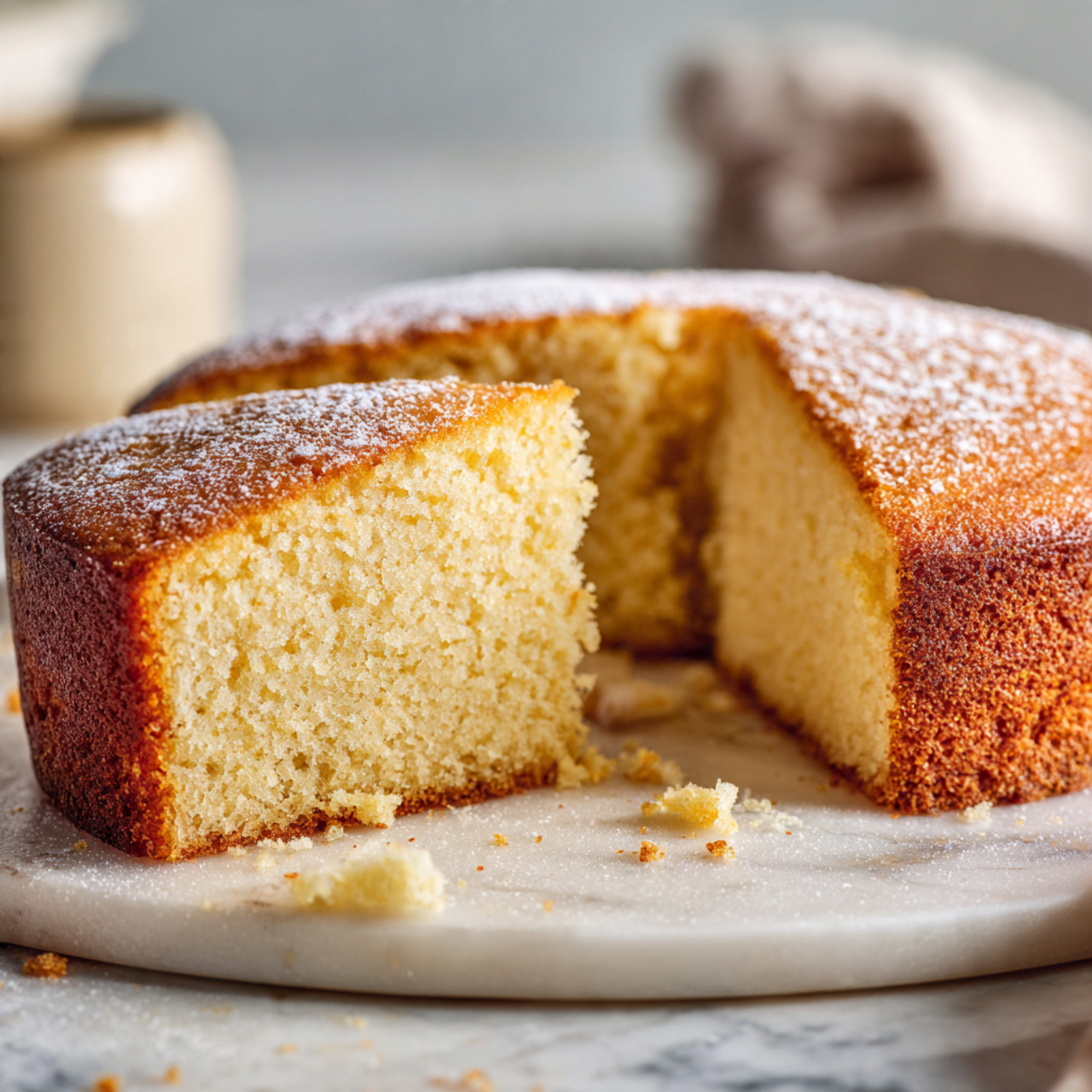
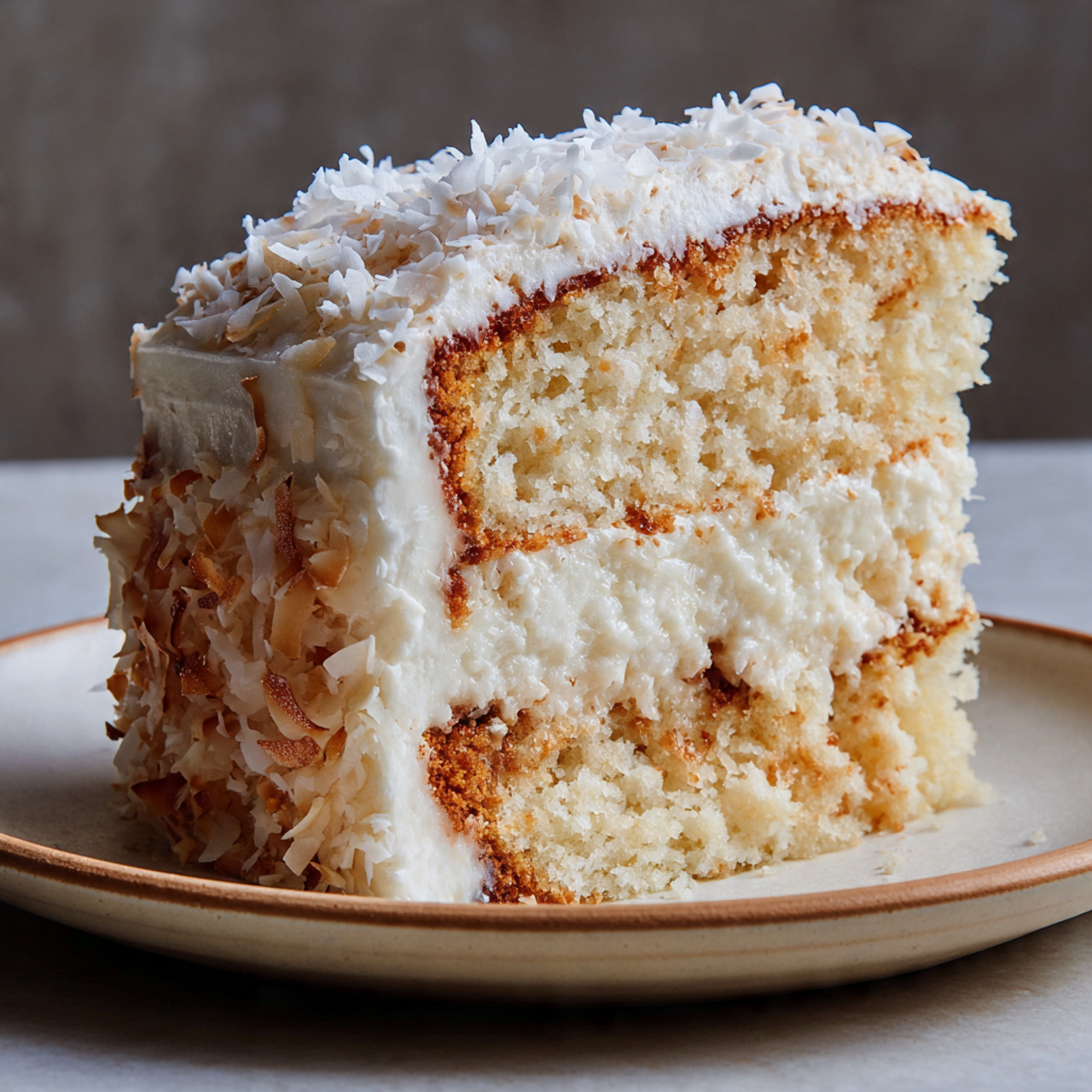
Once you pull this one from the oven, the whole kitchen smells like toasted coconut and warm vanilla — that gentle, sweet fragrance that makes everyone drift toward the kitchen without knowing why. The crumb is soft and tender, with just enough texture from the desiccated coconut to keep every bite interesting. It’s not overpoweringly sweet, not too rich, and the coconut flavor is present in the best way — warm, familiar, and comforting rather than artificial.
This is the kind of cake that earns a place at the family tea table on a Tuesday afternoon just as easily as it does at a birthday dinner or a casual weekend gathering. It’s wonderful alongside a pot of chai, lovely with a simple dusting of icing sugar, and genuinely ideal for anyone who needs a reliable, crowd-pleasing coconut dessert without the fuss. Whether you’re baking it for guests or just treating yourself, let’s get into it.
Why You’ll Love This Recipe
It Comes Together with Everyday Pantry Ingredients
You don’t need anything specialty or hard to find. Flour, butter, eggs, sugar, milk, and desiccated coconut — that’s really it. If you bake even occasionally, most of this is already sitting in your cupboard, which means this cake can happen on a whim.
The Texture Is Genuinely Soft and Moist
This isn’t one of those cakes that dries out the moment it cools. The balance of butter and milk keeps the crumb tender, and the desiccated coconut adds a subtle chewiness that makes each bite feel satisfying without being heavy. It stays moist through the next day, too.
It’s Beginner-Friendly Without Cutting Corners
No special equipment, no tricky techniques, no chilling or multi-layer fuss. The method is straightforward and forgiving — perfect for newer bakers who want a result that actually looks and tastes like something they’re proud of.
Perfect for Sharing or Saving for Later
This simple coconut cake travels well, stores beautifully, and slices cleanly — all things that matter when you’re baking for others. Pack it into a tin for a friend, bring it to a small gathering, or wrap slices for the week ahead. It holds up every time.
A Classic Flavor with Real Warmth
There’s something genuinely nostalgic about a good coconut cake. It’s not trendy or over-the-top — it’s the kind of dessert that feels like home. That gentle coconut sweetness paired with vanilla is timeless, and that’s exactly what makes people go back for a second slice.
Ingredients
For the Cake Batter
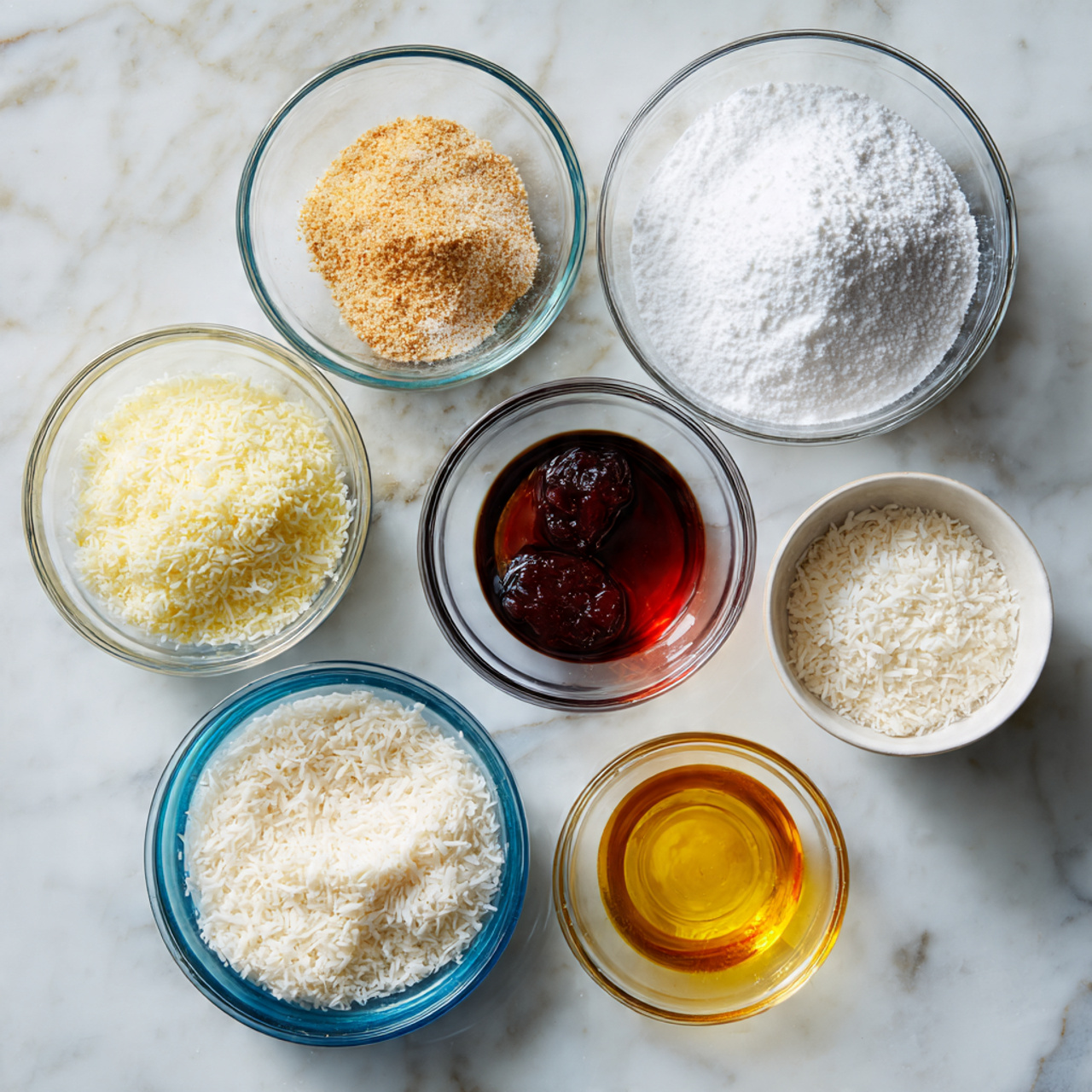
- 1 ½ cups all-purpose flour (spooned and leveled, not packed)
- 1 cup sugar
- 1 cup desiccated coconut (finely shredded works best for an even, soft texture)
- 2 eggs (room temperature — they incorporate more smoothly)
- ½ cup butter, softened (not melted; soft enough to press a finger in easily)
- 1 cup milk (whole milk gives the richest result, but 2% works fine)
- 1 ½ tsp baking powder
- 1 tsp vanilla extract (pure, not imitation — it makes a difference here)
- Pinch of salt
The butter and sugar create the tender base, while the coconut adds both flavor and a light texture. The milk keeps everything moist, and the vanilla ties the whole thing together into something that tastes like it took far more effort than it did.l ingredients. For more than 4 people, double everything while keeping the same method.
How to Make Coconut Cake — Step-by-Step
Step 1: Prep Your Oven and Pan
Preheat your oven to 180°C (350°F) and lightly grease your baking pan — a standard 9-inch round or a similar-sized rectangular pan both work well here. Line the base with a small piece of parchment if you want extra insurance for easy removal. Getting this step done first means your batter won’t sit and wait once it’s mixed.
Step 2: Mix Your Dry Ingredients
In a medium bowl, whisk together the flour, baking powder, salt, and desiccated coconut until evenly combined. Don’t worry if the coconut clumps slightly — it’ll distribute itself once everything comes together in the batter. Setting this aside now makes the next steps much smoother.
Step 3: Cream the Butter and Sugar
In a large bowl, beat the softened butter and sugar together until the mixture looks pale, light, and slightly fluffy — this usually takes about 2–3 minutes with a hand mixer or a bit of elbow grease with a wooden spoon. Don’t worry if it doesn’t look perfectly smooth at first; keep going and it’ll come together. This step is what gives the cake its soft, tender crumb, so don’t rush it.
Step 4: Add the Eggs, Milk, and Vanilla
Add the eggs one at a time into your butter-sugar mixture, stirring gently after each addition until just combined. Then pour in the milk and vanilla extract and mix until the batter looks smooth and slightly loose — it should pour easily but still have some body to it. Don’t worry if it looks a little curdled at this stage; once the dry ingredients go in, it all comes together beautifully.
Step 5: Fold in the Dry Ingredients
Add the dry ingredients to the wet mixture in two or three additions, folding gently with a spatula or large spoon after each. Stop mixing the moment you no longer see streaks of flour — overmixing is the number one reason this cake turns out dense, so a light hand here is everything. The batter will feel slightly textured from the coconut, which is exactly right.
Step 6: Bake Until Golden
Pour the batter into your prepared pan, smooth the top gently, and slide it into the oven. Bake for 30–35 minutes until the top is a warm, light golden color and a toothpick inserted into the center comes out clean. Start checking at the 28-minute mark — ovens vary, and pulling it even two minutes early can mean the difference between moist and dry. Let it cool in the pan for 10 minutes before turning it out.
Perfecting This Recipe
- Use room temperature butter and eggs. Cold butter won’t cream properly, and cold eggs can cause the batter to split. Set them out 30–45 minutes before you start.
- Spoon and level your flour. Scooping directly from the bag packs the flour and can easily add an extra quarter cup without you realizing — which leads to a dry, heavy cake.
- Fold, don’t beat. Once the dry ingredients go in, switch to a spatula and use slow, sweeping folds. The batter doesn’t need to be perfectly smooth — just combined.
- Don’t open the oven before 25 minutes. A rush of cold air can cause the center to sink before it’s had time to set properly.
- Let it cool before slicing. Ten minutes in the pan, then fully cool on a rack. Cutting into a warm cake crushes the crumb and makes clean slices impossible.
- Toast the coconut for a deeper flavor. Spread the desiccated coconut on a dry pan over low heat and stir until lightly golden before adding it to the batter. It takes five minutes and transforms the whole cake.
Common Mistakes to Avoid
- Using melted butter instead of softened — Melted butter skips the creaming process entirely, which means you lose the air that gives this cake its lift. Your result will be flat and greasy rather than light and fluffy. Soft butter is non-negotiable.
- Overmixing after adding the flour — Gluten develops the moment flour meets liquid, and the more you work it, the tougher the crumb becomes. Mix only until the dry streaks disappear — not a stroke more.
- Skipping the cooling time — It’s tempting to slice straight away, but the cake needs time to finish setting as it cools. Slicing too early leads to a gummy, collapsing center even if the toothpick came out clean.
- Overbaking by even a few minutes — This cake goes from perfectly moist to noticeably dry quickly. Trust the toothpick test and start checking at 28 minutes, not 35.
- Using imitation vanilla extract — In a simple cake like this, vanilla is a lead flavor, not a background note. Artificial extract has a synthetic aftertaste that’s especially noticeable once the cake cools.
Add Your Touch
- Stir in lemon or orange zest for a bright, citrusy contrast to the coconut sweetness.
- Swap milk for coconut milk to deepen the coconut flavor all the way through — this is a game changer.
- Add a pinch of cardamom or cinnamon to the dry ingredients for a warm, spiced variation that’s lovely in cooler months.
- Fold in a small handful of white chocolate chips for pockets of creamy sweetness throughout.
- Make it egg-free by replacing each egg with 3 tablespoons of plain yogurt — the texture stays soft and the batter behaves nearly identically.
- Press a handful of flaked coconut onto the top before baking for a lightly toasted, decorative crust that adds crunch and visual appeal.
- Layer with whipped cream and fresh mango or pineapple between two thin rounds for a tropical celebration version that feels genuinely special.
Visit Also: Bridal Shower Cake
What to Serve With This
- A pot of masala chai or Earl Grey — the spiced warmth of tea against the mild sweetness of the cake is a combination that never misses.
- A dollop of lightly whipped cream — unsweetened or just barely sweetened, it balances the cake without overpowering it.
- Fresh berries on the side — strawberries or raspberries cut through the richness beautifully and add a pop of color to the plate.
- A simple lemon glaze drizzled over the top — just icing sugar and lemon juice, thin enough to soak slightly into the surface.
- Vanilla ice cream — served slightly warm, the cake alongside a scoop becomes a proper dessert rather than a casual slice.
Storing and Serving
Fridge Store the cake in an airtight container in the refrigerator for up to 3–4 days. If you’ve already sliced it, press a piece of plastic wrap against the cut edge to keep it from drying out.
Freezer This moist coconut cake freezes remarkably well. Wrap individual slices in plastic wrap, then place them in a zip-lock bag or airtight container. Freeze for up to one month. Thaw at room temperature for an hour or overnight in the fridge.
Reheating A quick 10–15 seconds in the microwave brings a slice back to that fresh-baked softness. Don’t overheat it — warm is perfect; hot makes it tough.
Make-Ahead Tip You can bake this cake a full day in advance. Once completely cooled, wrap it tightly and keep it at room temperature overnight or refrigerated. Add any toppings — cream, glaze, toasted coconut — just before serving.
Servings This recipe yields approximately 8–10 slices depending on how generously you cut.
Nutrition (Approximate Per Serving)
- Calories: ~280
- Total Fat: 12g
- Saturated Fat: 8g
- Carbohydrates: 38g
- Sugar: 22g
- Protein: 5g
- Sodium: 110mg
Nutritional values are approximate and may vary based on specific ingredients and brands used.
Chef’s Helpful Tips
- Bring your butter and eggs to room temperature before you start. It takes under an hour on the counter and makes the batter come together much more smoothly — no lumps, no splitting.
- Use a toothpick, not a timer, as your true doneness guide. Insert it into the very center of the cake; it should come out with no wet batter, just the occasional moist crumb.
- For clean, bakery-style slices, use a sharp knife dipped in hot water and wiped dry between each cut. It glides through without dragging or crumbling the crumb.
- If your cake sinks slightly in the center, it was likely underbaked or the oven door was opened too early. It’ll still taste wonderful — just fill the dip with a spoonful of whipped cream and call it intentional.
- Finely desiccated coconut gives a softer texture than coarser shredded coconut. If yours is a bit coarse, pulse it quickly in a food processor before adding it to the batter.
Frequently Asked Questions
Q1. Can I make this coconut cake ahead of time? Absolutely — in fact, it’s one of those cakes that tastes even better the next day once the flavors have had time to settle. Bake it the evening before, let it cool completely, then wrap it tightly and store it in the fridge or at room temperature overnight. Add any toppings right before you serve it.
Q2. Can I replace the eggs in this recipe? Yes, you can substitute each egg with 3 tablespoons of plain yogurt. The texture stays soft and the batter behaves similarly — just mix it in gently and proceed as usual. It’s a reliable swap and a great option if you’re baking for someone with an egg allergy.
Q3. Is this cake beginner-friendly? Very much so. There’s no special equipment required, no chilling, and no complicated techniques. If you can stir and fold, you can make this cake. The most important thing to remember is not to overmix once the flour goes in — keep it gentle and you’ll be fine.
Q4. Can I bring this to a potluck or bake it for a crowd? It’s a great potluck cake — it slices cleanly, travels well in a covered container, and appeals to most people without being polarizing. You can easily double the recipe and bake it in a larger pan; just add 5–8 minutes to the bake time and check with a toothpick before pulling it out.
Q5. Can I freeze this cake? Yes, it freezes really well. Slice it first, wrap each piece individually in plastic wrap, and store them in a freezer-safe bag for up to one month. Thaw at room temperature for an hour or pop a slice in the microwave for 15 seconds and it comes back beautifully soft.
Conclusion
A good coconut cake doesn’t need to be complicated to be memorable. This one proves that comfort, flavor, and ease can all live in the same recipe — and that the kind of baking that actually becomes part of your regular routine is usually the kind that doesn’t ask too much of you. It’s soft, it’s warm, it’s genuinely delicious, and it comes together without a single stressful moment.
So whether you’re making this for a quiet evening at home, a friend who needs a little something sweet, or just because you had coconut in the cupboard and an hour to spare — go for it. Bake it, share it, make it your own. Leave a comment below if you try it, or tag your photos so I can see how it turned out. This one’s a keeper, and I have a feeling you’ll agree after the very first slice.
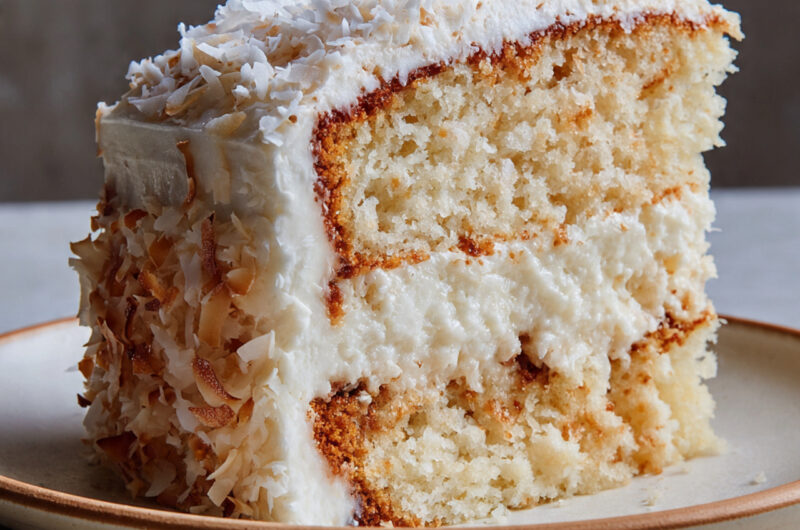
Soft Homemade Coconut Cake
Course: Cake4
servings15
minutes35
minutes280
kcal1
hourA tender, fluffy coconut cake with a moist crumb and warm vanilla flavor — simple enough for weeknights, lovely enough for celebrations. Made with everyday pantry staples and ready in under an hour.
Ingredients
For the Cake Batter:
1 ½ cups all-purpose flour
1 cup sugar
1 cup desiccated coconut
2 eggs
½ cup butter, softened
1 cup milk
1 ½ tsp baking powder
1 tsp vanilla extract
Pinch of salt
Directions
- Preheat oven to 180°C (350°F). Grease a 9-inch baking pan and line the base with parchment.
- Whisk together flour, baking powder, salt, and desiccated coconut in a bowl. Set aside.
- Beat softened butter and sugar in a large bowl until pale and slightly fluffy, about 2–3 minutes.
- Add eggs one at a time, mixing gently after each. Pour in milk and vanilla; stir until smooth.
- Fold dry ingredients into the wet mixture in two to three additions, mixing until just combined. Do not overmix.
- Pour batter into the prepared pan and smooth the top. Bake 30–35 minutes until golden and a toothpick inserted in the center comes out clean.
- Cool in the pan for 10 minutes, then turn out onto a wire rack. Cool fully before slicing.