The Fluffiest 21 Birthday Cake That Makes Every Milestone Taste Like Magic
Most homemade birthday cakes come out dry and dense before they even make it to the table — and the culprit is almost always cold butter that never properly creamed, or a batter that got overworked the moment the flour went in. This 21 Birthday Cake addresses both of those problems from the very first step, so you end up with something genuinely soft, genuinely beautiful, and genuinely worth celebrating.
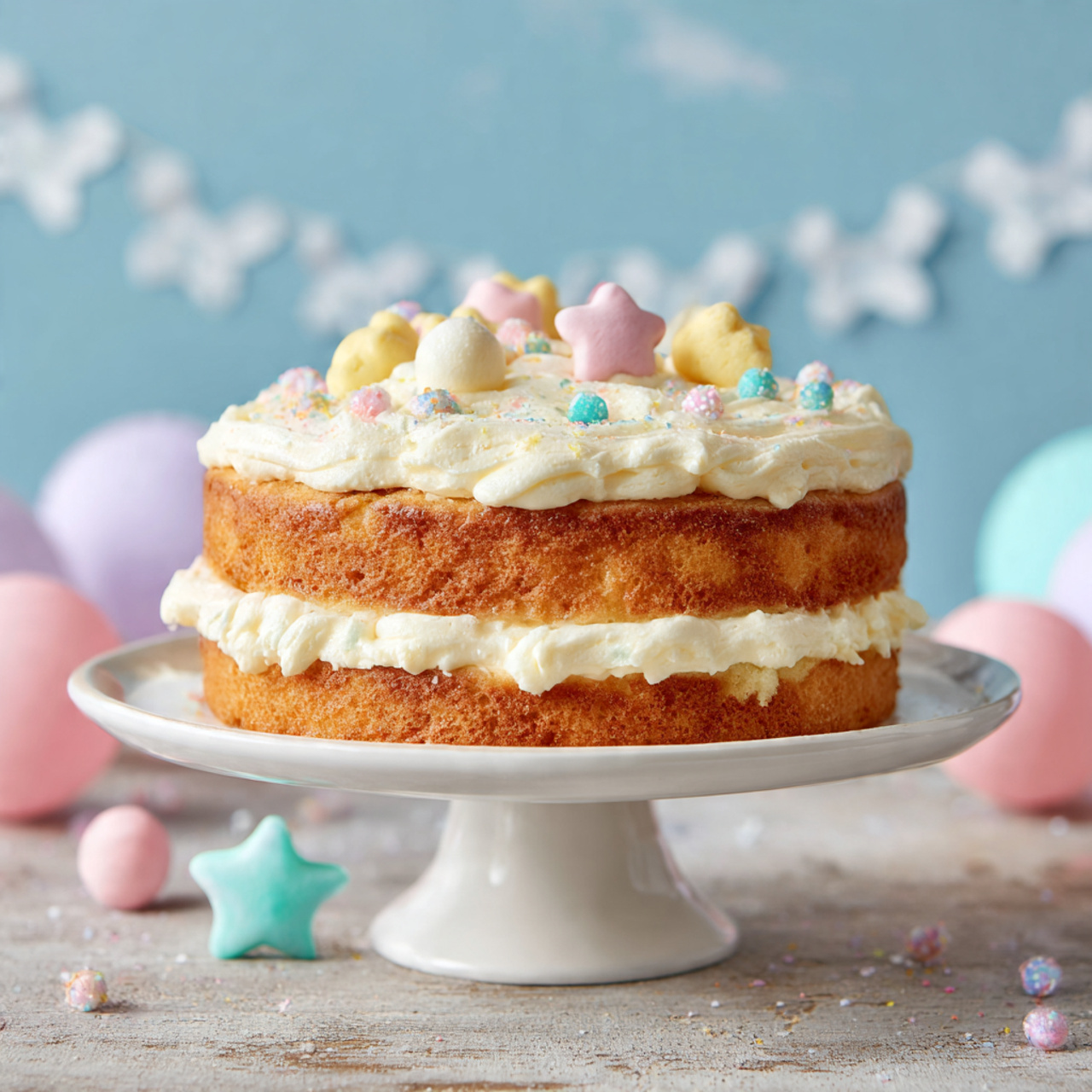
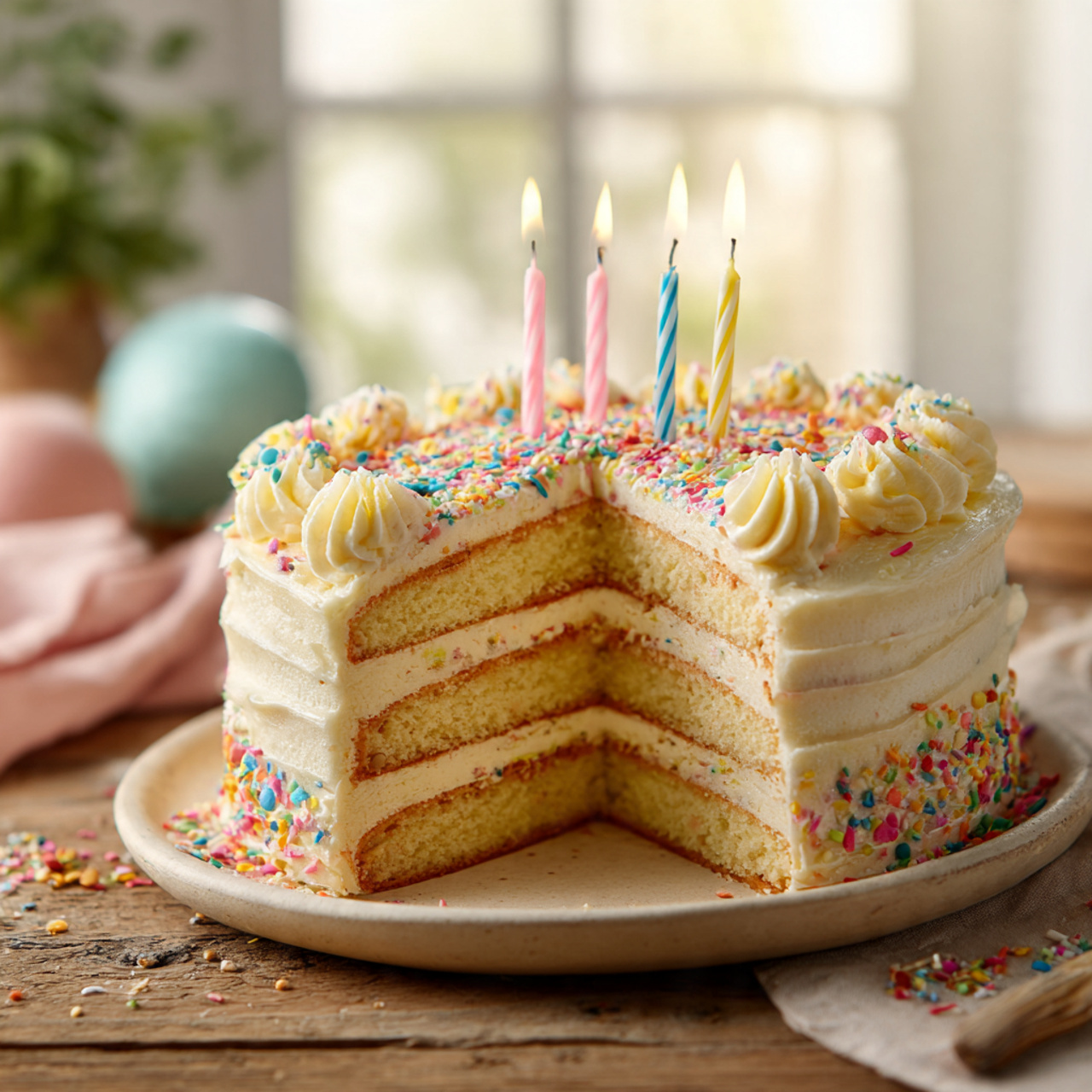
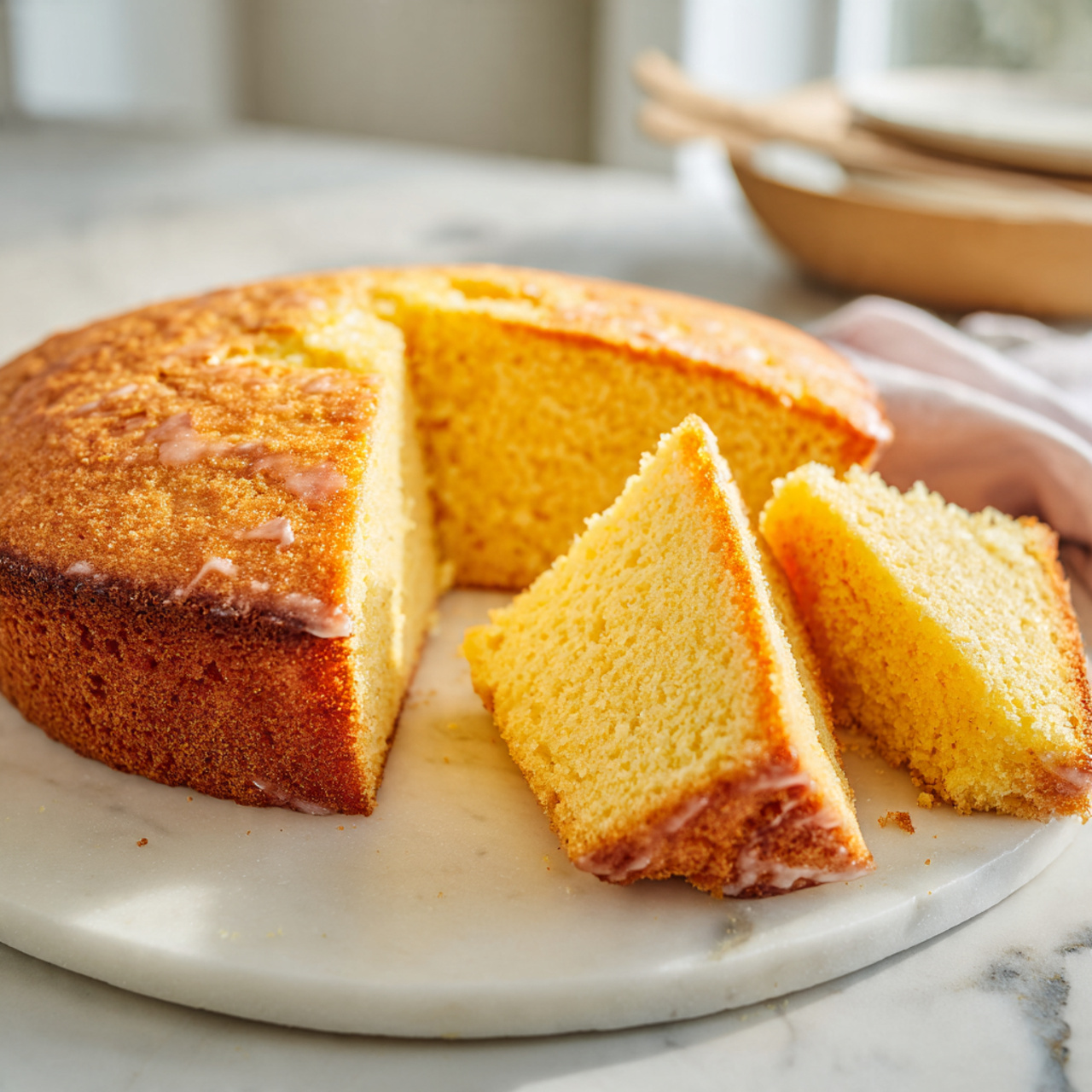
Picture a cake that’s golden on the outside but pillowy and tender when you cut through it. The crumb is light and buttery, with just enough sweetness and that warm, unmistakable vanilla note that fills your whole kitchen while it bakes. The edges pull cleanly away from the pan, the top springs back when you press it gently, and the whole thing smells like a real celebration before a single candle gets lit.
Whether you’re planning a quiet birthday dinner at home, a small family gathering, or looking for a simple birthday cake from scratch that you can dress up any way you like, this recipe fits beautifully. It works for an intimate evening for two just as well as it scales up for a crowd, and it comes together in one bowl without any fuss. Once you bake it, you’ll understand why this easy birthday cake recipe earns a permanent spot in your kitchen.
Why You’ll Love This Recipe
It Stays Soft for Days
Unlike cakes that turn dry overnight, this one holds its moisture beautifully for up to three days in the fridge. The combination of softened butter and whole milk keeps the crumb tender, so it tastes just as good the morning after the celebration as it did the night it was served.
The Flavor Is Warm and Classic
This is a proper vanilla butter cake — not overly sweet, not flat, just that cozy, familiar flavor that actually tastes homemade. Real vanilla extract makes a noticeable difference here, giving the cake a depth that artificial versions simply can’t replicate.
It Comes Together in One Bowl
You don’t need a stand mixer or any special equipment. Everything can be done in one large bowl with a whisk, which means less washing up and less stress on a day that should feel celebratory, not exhausting.
It’s Endlessly Customizable
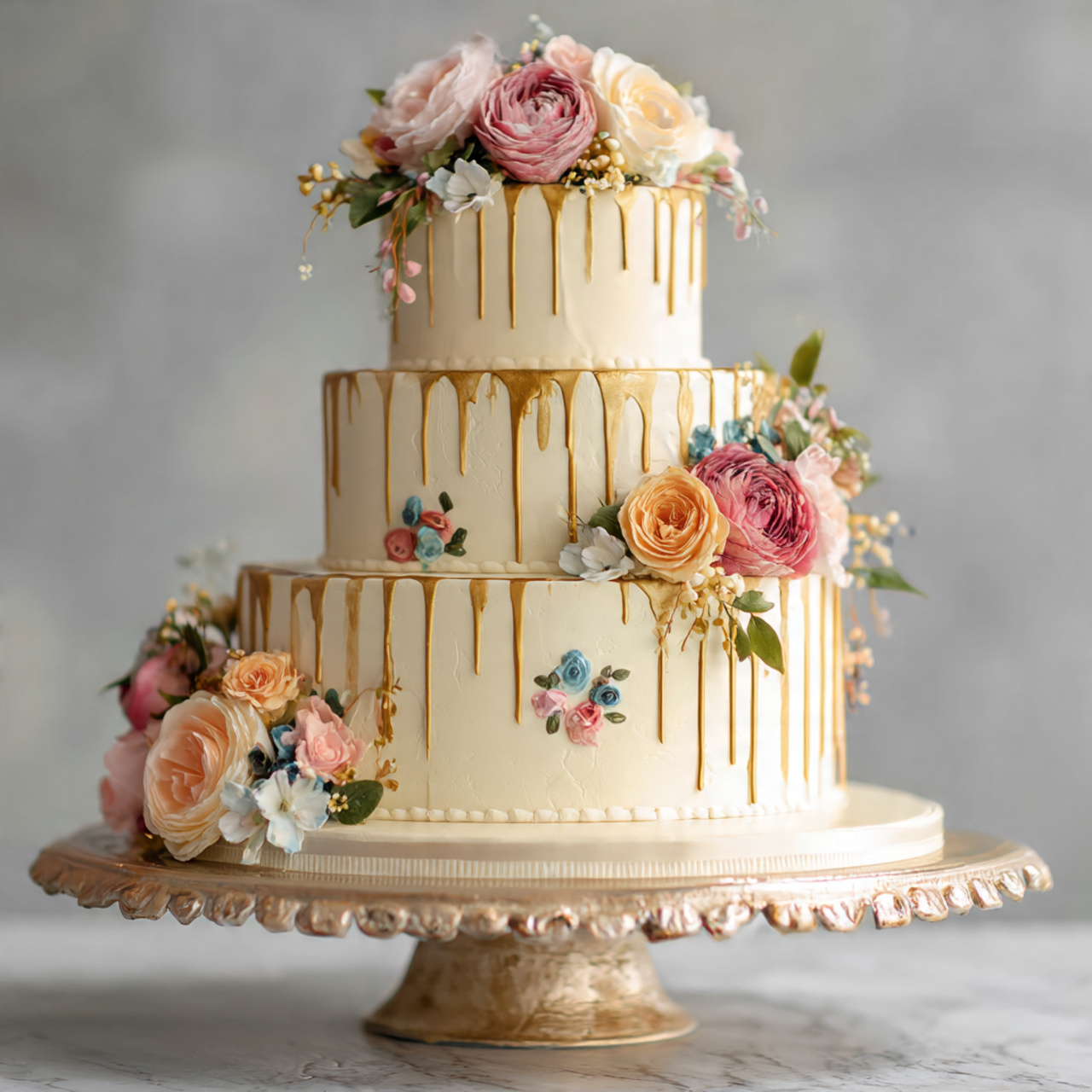
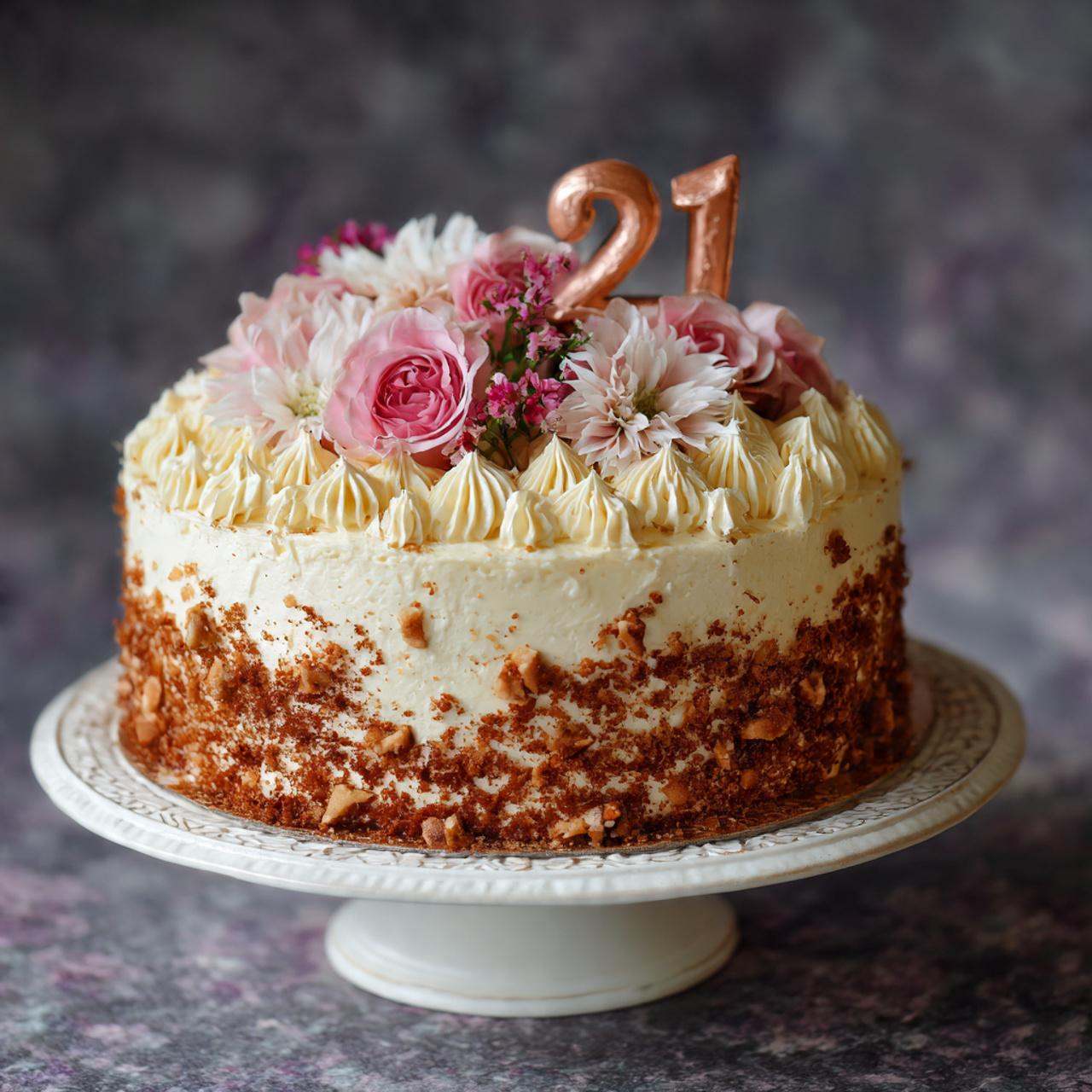
Swirl in a cocoa layer, pile on fresh strawberries, pour over a warm chocolate drip, or keep it minimal with whipped cream and a “21” topper — this cake works as your canvas. It holds frosting and decoration well and adapts to whatever creative direction you’re in the mood for.
Perfect for Any Size Gathering
Making it for two? Halve the recipe. Feeding a bigger group? Double it. The batter scales beautifully without changing the texture, which makes this a birthday cake from scratch that genuinely earns its place in your repertoire.
Ingredients
For the Cake Batter
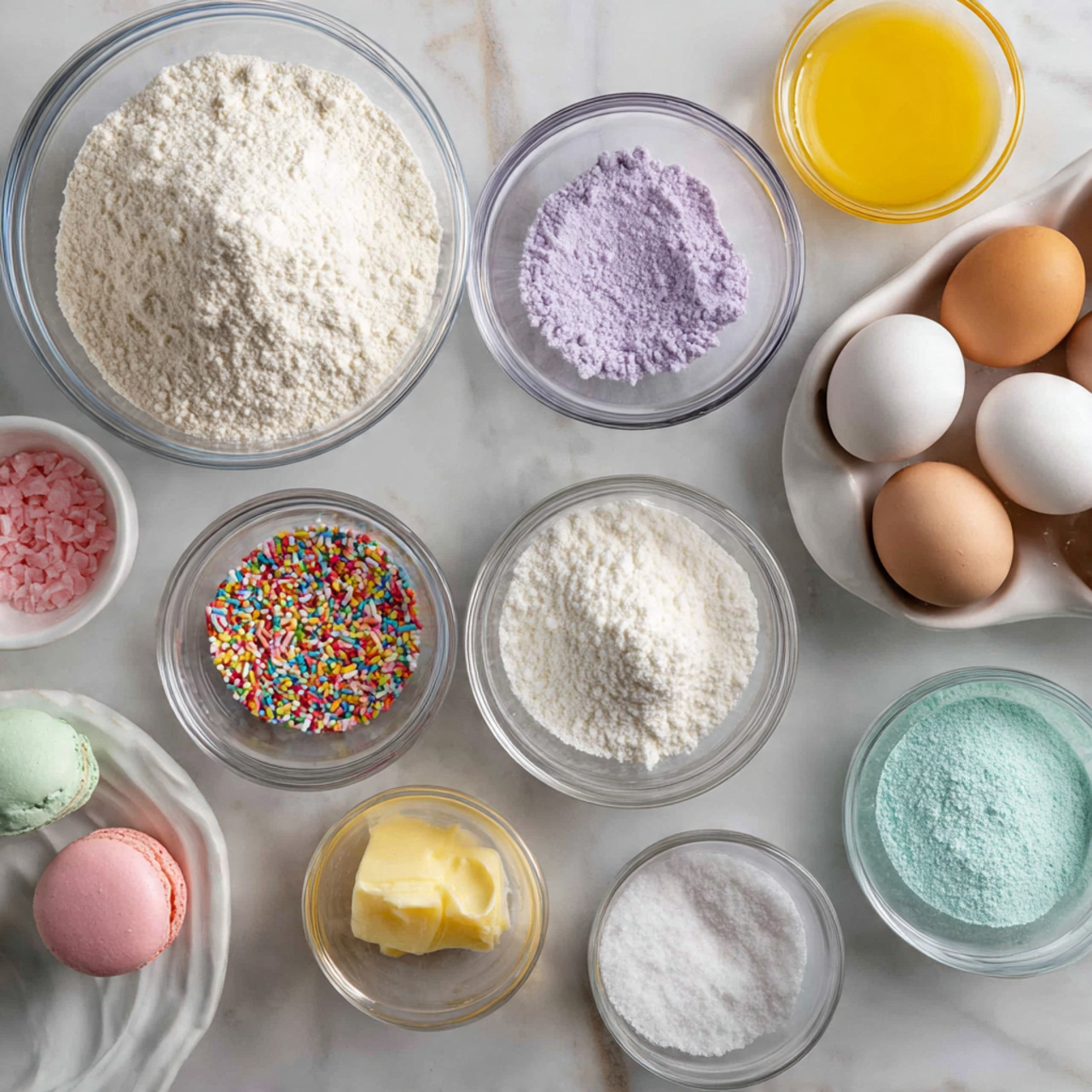
- 2 cups all-purpose flour (spooned into the cup and leveled — don’t scoop directly from the bag)
- 1 cup granulated sugar
- ½ cup unsalted butter, softened (room temperature — it should leave an indent when pressed, but not melt on contact)
- 2 large eggs
- 1 cup whole milk (full-fat gives the best crumb and richness)
- 1 tsp pure vanilla extract (not imitation — the flavor difference is worth it in a simple cake like this)
- 1½ tsp baking powder
- ¼ tsp salt
For the Frosting
- 1 cup heavy whipping cream (for a light whipped cream finish) or 1 cup unsalted butter, softened (for buttercream)
- 2–3 cups powdered sugar for buttercream, or 2 tbsp powdered sugar for whipped cream
- 1 tsp pure vanilla extract
The butter and milk in the batter work together to create a crumb that’s soft without being fragile — it slices cleanly, holds up under frosting, and keeps that tender texture for days.
How to Make 21 Birthday Cake — Step-by-Step
Step 1: Prep Your Pan and Oven
Preheat your oven to 180°C (350°F) and grease a round 9-inch cake pan with butter, then dust it lightly with flour. This takes about two minutes and makes the difference between a cake that releases in one clean piece and one that tears or sticks to the sides. Don’t worry if you only have an 8-inch pan — it works fine; just expect the cake to be slightly taller and may need an extra 3–5 minutes in the oven.
Step 2: Mix Your Dry Ingredients
In a large bowl, whisk together the flour, baking powder, and salt until evenly combined. This step distributes the leavening evenly throughout the flour, which is what gives you a consistent rise across the whole cake rather than an uneven dome on one side. Set the bowl aside — you’ll fold it in at the end.
Step 3: Cream the Butter and Sugar
In a separate large bowl, beat the softened butter and sugar together for 2–3 minutes until the mixture looks pale, fluffy, and noticeably lighter in color than when you started. This is the step that most home bakers rush, and it’s the one that matters most — the air you trap here is what gives the crumb its lift and softness. Don’t worry if it looks slightly grainy at first; keep going and it will smooth out completely.
Step 4: Add Eggs, Milk, and Vanilla
Add the eggs one at a time, mixing after each addition until just incorporated. Then pour in the milk and vanilla extract and stir to combine. The batter may look slightly curdled or broken at this point — that is completely normal and will come back together the moment the flour is added.
Step 5: Fold in the Dry Ingredients and Bake
Add the dry ingredients to the wet mixture and fold gently with a spatula or wooden spoon until the batter just comes together and looks smooth. A few small streaks of flour are absolutely fine — they’ll disappear in the oven. Stop mixing as soon as it looks uniform; overmixing past this point develops gluten and turns your cake dense and chewy. Pour the batter into the prepared pan, tap it lightly on the counter to release any air bubbles, and bake for 30–35 minutes. The top should be golden and a toothpick inserted in the center should come out clean. Let the cake cool in the pan for 10 minutes before turning it out onto a wire rack to cool completely before frosting.
Perfecting This Recipe
- Make sure your butter is genuinely room temperature before you begin. Press it with your finger — it should leave a clean indent without sliding. If it melts immediately, it’s too warm and won’t trap air during creaming.
- Don’t scoop flour directly from the bag. Spoon it into the measuring cup and level it off with the back of a knife. Scooping compacts the flour and can add up to 30% more than the recipe intends, which leads to a dense, heavy cake.
- Add the milk gradually rather than pouring it in all at once. This keeps the emulsion stable and helps the batter mix into a smooth, lump-free consistency.
- The golden color on top is not just visual — it tells you the Maillard reaction has happened and the cake has developed flavor. Pale, light-colored tops often mean underbaked centers, even if the timer has gone off.
- Resting the cake in the pan for the first 10 minutes after baking is important. Removing it too soon can cause the sides to tear. Be patient — the extra few minutes make a real difference.
- For a layer cake, let the cake cool completely (at least an hour at room temperature) before slicing it horizontally. A warm cake crumbles and drags under the knife.
Common Mistakes to Avoid
- Using cold butter — Cold butter won’t incorporate air properly during creaming, which is the foundation of a fluffy crumb. If you forgot to take it out in advance, cut it into small cubes and let it sit on the counter for 20–25 minutes before starting.
- Overmixing after adding the flour — Once the dry ingredients go in, every extra stir develops gluten and makes the cake tougher. Fold gently and stop the moment the batter looks smooth.
- Opening the oven door too early — The first 20 minutes are critical for the cake’s structure. A sudden drop in temperature during this window can cause the center to sink and never recover.
- Frosting a warm cake — Even a slightly warm cake will melt your frosting and cause it to slide right off. Let it cool completely on a wire rack before picking up a spatula.
- Skipping the pan prep — A properly greased and floured pan is the difference between a clean, confident release and a cake that breaks apart. Don’t skip this, even with non-stick pans.
Add Your Touch
- Fold ½ cup of mini chocolate chips into the finished batter for a chocolate-studded crumb throughout.
- Add the zest of one lemon or orange to the batter for a bright, citrusy variation that pairs beautifully with whipped cream frosting.
- Swirl 2 tablespoons of cocoa powder mixed with a small splash of oil through the poured batter just before baking for a simple marble effect.
- Replace ¼ cup of the milk with brewed coffee to deepen the vanilla flavor without adding any noticeable coffee taste.
- Layer the cake with strawberry jam and whipped cream between the layers for a classic strawberry shortcake feel.
- Add a pinch of cardamom or cinnamon to the dry ingredients for a warm, gently spiced version that works beautifully in cooler months.
Visit Also: Texas Sheet Cake
What to Serve With This
- A scoop of good vanilla or strawberry ice cream alongside each slice turns this into a full dessert moment.
- Fresh berries — strawberries, raspberries, or blueberries — add color and a little tartness that balances the sweetness beautifully.
- A warm cup of chai or Earl Grey tea makes this cake feel like a complete, cozy celebration.
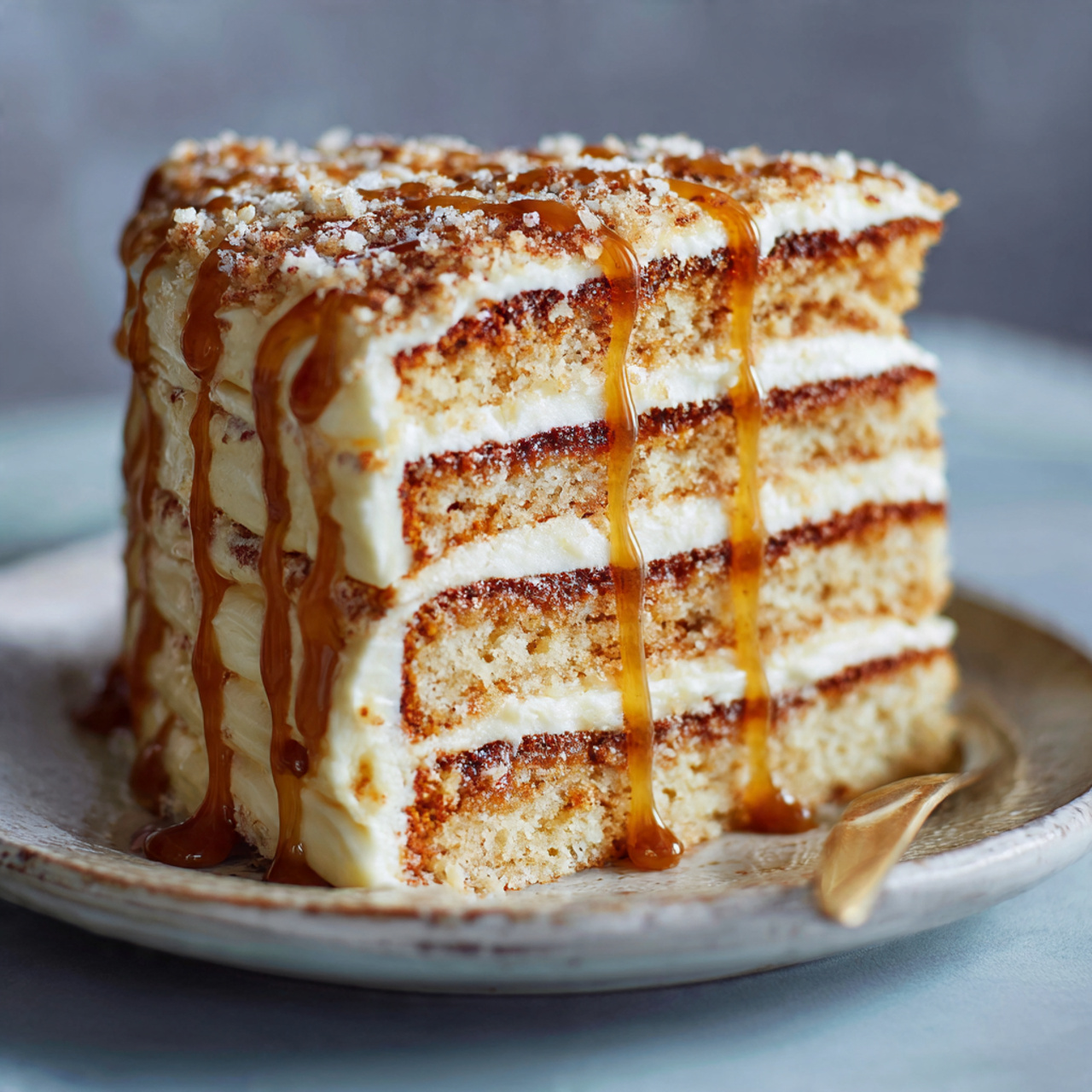
- A small drizzle of salted caramel sauce over each individual slice elevates the whole thing for barely any extra effort.
- Sparkling lemonade or a light prosecco pairs wonderfully with the vanilla base for a drinks-and-cake combination that feels genuinely festive.
Storing and Serving
Fridge Store the frosted cake in an airtight container in the refrigerator for up to 3 days. The crumb stays soft and moist throughout — in fact, this cake often tastes better on day two once the flavors have had time to settle.
Freezer Freeze unfrosted cake layers wrapped tightly in plastic wrap, then a layer of foil, for up to one month. Thaw at room temperature for 2–3 hours before frosting and serving. Frosted slices can also be frozen, though whipped cream frosting will change in texture after thawing — buttercream holds up better.
Reheating Warm individual slices in the microwave for 10–15 seconds to bring back that fresh-from-the-oven softness. Avoid reheating frosted slices at high power — the frosting melts quickly and can become oily.
Make-Ahead Tip Bake the cake layer up to one day in advance and store it unfrosted, wrapped tightly, at room temperature. Frost fresh on the day you’re serving for the cleanest, most polished presentation.
Servings This recipe makes one 9-inch round cake, yielding approximately 8–10 generous slices.
Nutrition (Approximate Per Serving)
- Calories: 290–320
- Total Fat: 12g
- Saturated Fat: 7g
- Carbohydrates: 44g
- Sugar: 24g
- Protein: 5g
- Sodium: 160mg
Nutritional values are approximate and may vary based on specific ingredients and brands used.
Chef’s Helpful Tips
- Room temperature ingredients are non-negotiable for the best texture. Cold eggs or cold milk added to creamed butter can cause the mixture to seize or curdle slightly, and while the cake will still bake, the crumb won’t be as light.
- To check doneness without a toothpick, press gently on the center of the cake — it should spring back immediately and completely. If it leaves an indent, give it 3–4 more minutes.
- For clean, even slices, run your knife under hot water and wipe it dry between each cut. It glides through frosting and crumb without dragging or tearing.
- Use pure vanilla extract rather than vanilla flavoring or essence. In a simple cake where vanilla does most of the flavor work, the quality genuinely shows in the final result.
- If your cake domes significantly on top — common when pans are overfilled — level it with a long serrated knife once fully cool before frosting. It takes two minutes and gives you a clean, professional-looking surface.
Frequently Asked Questions
Q1. Can I make this 21 Birthday Cake ahead of time? Absolutely — it’s actually one of the best things about this recipe. Bake the cake up to a day in advance, wrap it well once fully cooled, and store it at room temperature. Frost fresh on the day of the celebration so everything looks its best when you serve it.
Q2. What can I use instead of eggs in this recipe? A quarter cup of plain yogurt or mashed banana per egg works really well as a direct substitute. Yogurt keeps the crumb soft and moist without altering the flavor much, while banana adds a very subtle natural sweetness. Both work in a simple one-to-one swap.
Q3. Is this recipe beginner-friendly? Very much so. The steps are forgiving, the technique is uncomplicated, and the ingredient list is short enough that you likely have everything on hand already. The two biggest tips for beginners are to not rush the butter-creaming step and to stop mixing the moment the flour disappears into the batter.
Q4. Can I double this recipe for a bigger group? Yes, this recipe doubles cleanly without adjusting any ratios. Mix the batter in two separate batches rather than one enormous bowl to keep the consistency light, and bake in two pans simultaneously if your oven allows. The texture stays just as good.
Q5. Can I freeze leftover slices? You can freeze individual slices wrapped tightly in plastic wrap for up to one month. Thaw at room temperature for about an hour before eating. If the slices have whipped cream frosting, expect the texture to soften slightly after freezing — buttercream holds up significantly better in the freezer.
Conclusion
There’s something deeply satisfying about a cake you made yourself — especially one that actually delivers. This 21 Birthday Cake isn’t trying to be complicated or impressive in a showy way. It’s trying to be exactly what a birthday cake should be: soft, sweet, personal, and something you’ll come back to. Whether it ends up under a tower of candles, shared over coffee the next morning, or packed up as leftovers that disappear suspiciously fast, it earns its place every single time.
So make it your own. Add the chocolate drip, pile on the fruit, write “21” in frosting across the top, or keep it wonderfully minimal. However you dress it up, the cake underneath is going to be wonderful — and that’s really the whole point.
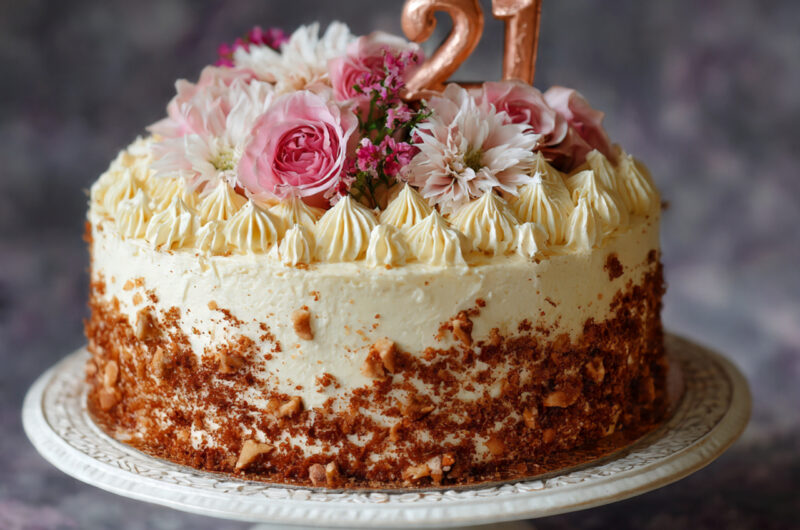
Fluffy 21 Birthday Cake
Course: Trending Cake4
servings15
minutes35
minutes290–320
kcal1
hour10
minutesA soft and simple homemade cake perfect for a 21st birthday. Easy to bake, easy to decorate, and great for small or big celebrations.
Ingredients
For the Cake Batter:
2 cups all-purpose flour
1 cup granulated sugar
½ cup unsalted butter, softened
2 large eggs
1 cup whole milk
1 tsp pure vanilla extract
1½ tsp baking powder
¼ tsp salt
For the Frosting:
1 cup heavy whipping cream (whipped cream) or 1 cup unsalted butter, softened (buttercream)
2–3 cups powdered sugar (buttercream) or 2 tbsp powdered sugar (whipped cream)
1 tsp pure vanilla extract
Directions
- Preheat oven to 180°C (350°F). Grease and flour a 9-inch round cake pan.
- Whisk flour, baking powder, and salt in a bowl. Set aside.
- Beat softened butter and sugar for 2–3 minutes until pale and fluffy.
- Add eggs one at a time, mixing after each. Stir in milk and vanilla extract.
- Fold dry ingredients into wet until just smooth — do not overmix.
- Pour into prepared pan. Tap lightly on counter to release air bubbles.
- Bake 30–35 minutes until golden and a toothpick comes out clean.
- Cool in pan 10 minutes, then turn out onto a wire rack to cool completely.
- Frost with whipped cream or buttercream once fully cooled.