The Easiest Texas Sheet Cake That Disappears Before You Can Cut It Twice
Sheet cakes have a reputation for coming out dry and flat — a thin slab of chocolate that crumbles at the edges and tastes like it could have come from a box mix. If that’s been your experience, here’s where it usually goes wrong: the frosting timing. Texas Sheet Cake only hits that signature fudgy finish when the chocolate frosting lands on the surface while the cake is still warm, sinking in just enough to change the whole texture. This recipe nails that window every single time.
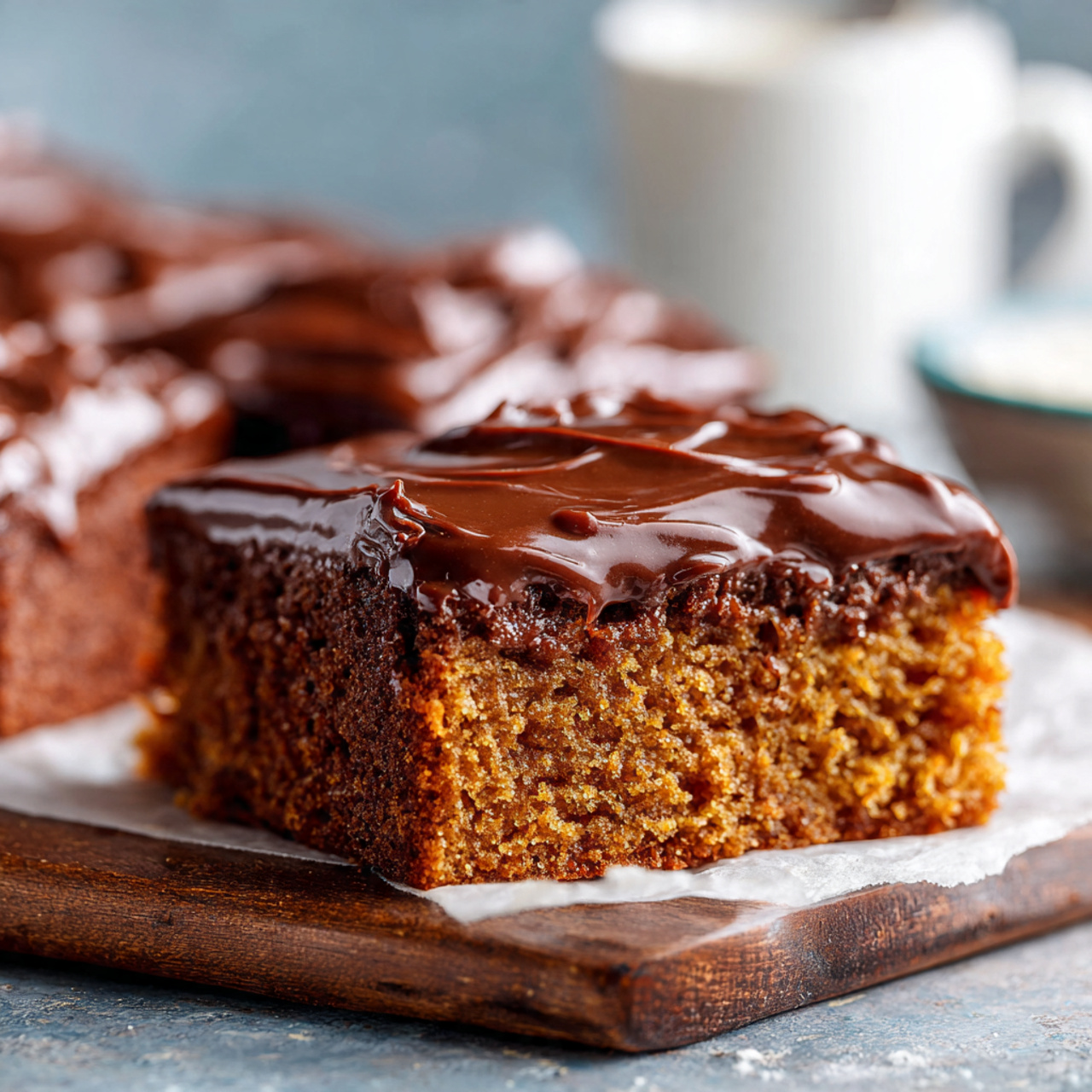
When you slice into it, you get a soft, tender crumb with just enough density to hold that glossy poured chocolate frosting on top. It doesn’t sit stiffly on the surface — it soaks into the edges, creates the faintest crisp at the corners, and melts right through the middle. The scent of warm cocoa fills the kitchen while it bakes, and once the frosting goes on, the whole thing smells like a warm brownie. It’s deeply chocolatey without being heavy, sweet without being cloying.
This is the kind of recipe that earns a permanent spot at family dinners, casual potlucks, and those weeknight evenings when you want something homemade but genuinely don’t have the time or energy for anything fussy. It doubles easily for a crowd and scales down just as well for a quiet evening treat. Whether you need an easy chocolate cake for a celebration or simply want something warm and comforting tonight, this homemade chocolate cake is exactly what you’re looking for.
Why You’ll Love This Recipe
It’s Practically Foolproof
Texas Sheet Cake doesn’t ask much of you. No layers to stack, no frosting to pipe, no delicate timing windows to stress over. You mix the batter in one bowl, bake it flat, and pour the warm frosting right over the top. Even beginner bakers walk away from this one looking like they’ve been making it for years.
The Texture Is Unlike Any Other Chocolate Cake
This cake lands somewhere between a brownie and a classic chocolate cake — soft through the center with a fudgy layer where the frosting settles in. The wide, shallow pan gives you more of those coveted edges with a barely-there crunch, while the middle stays completely tender and moist.
It Uses Only Pantry Staples
No specialty ingredients and no last-minute grocery runs needed. Everything in this recipe — cocoa powder, butter, buttermilk, flour — is already sitting in most kitchens. The whole thing comes together in under 40 minutes from start to first bite.
It’s Built for Sharing
The sheet format means it feeds a crowd without any awkward serving logistics. You cut it into squares and go. It’s exactly the kind of crowd-pleasing dessert that gets passed around twice at every gathering and always comes back with an empty pan.
It Tastes Even Better the Next Day
Most cakes lose something overnight. Texas Sheet Cake gains it. The frosting continues to settle, the flavors deepen, and the texture becomes even more satisfying. Bake it the night before and genuinely thank yourself in the morning.
Ingredients
For the Cake
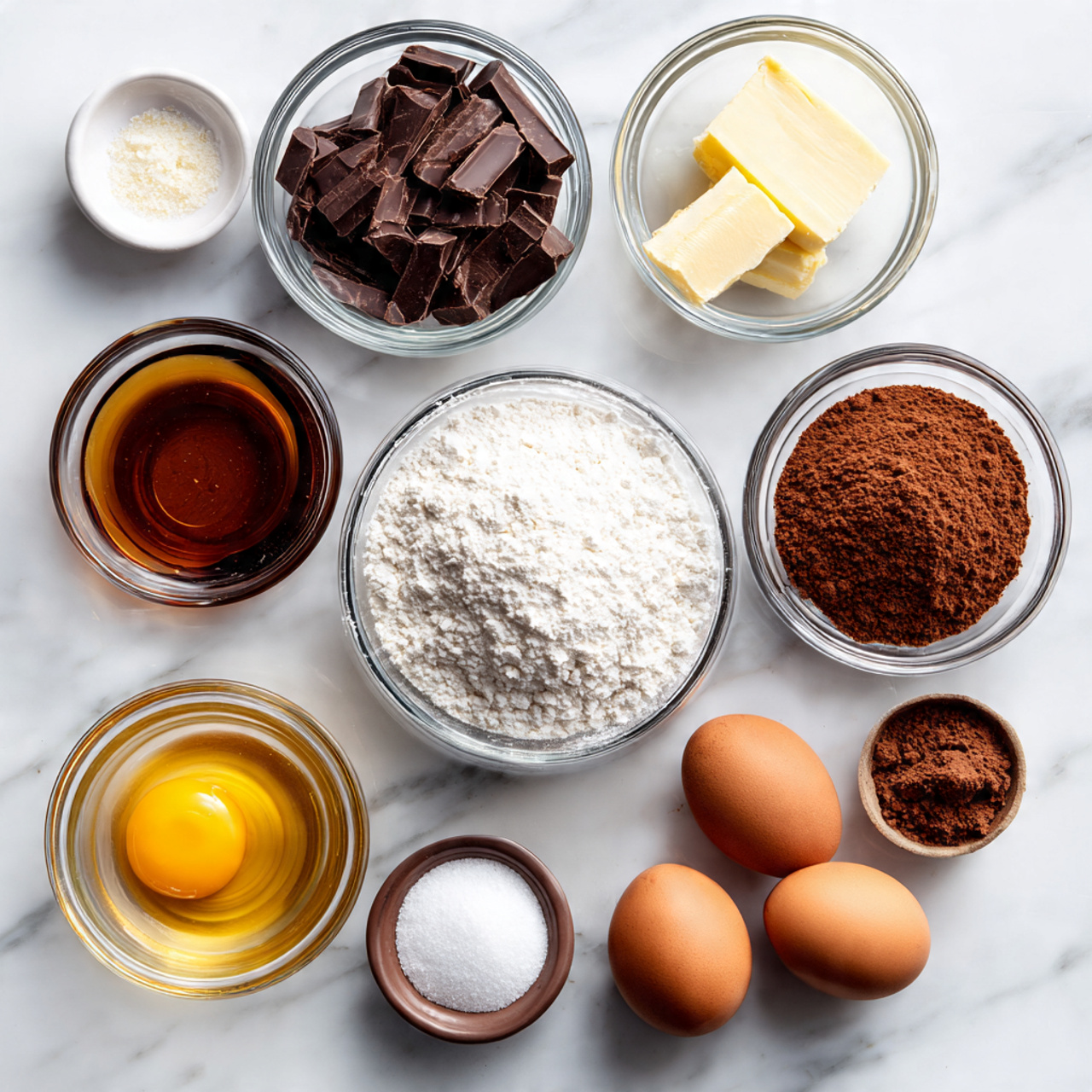
- 1 cup all-purpose flour
- 1 cup granulated sugar
- ¼ cup unsweetened cocoa powder (smooth and natural — not Dutch-process — for best rise and flavor)
- ½ tsp baking soda
- ¼ tsp salt
- ½ cup butter (unsalted works best)
- ½ cup water
- ¼ cup buttermilk (no buttermilk? combine ¼ cup milk with 1 tsp lemon juice and let sit 5 minutes)
- 1 large egg (room temperature)
- ½ tsp vanilla extract (pure, not imitation)
For the Chocolate Frosting
- ¼ cup butter
- 2 tbsp cocoa powder
- 3 tbsp milk
- 1½ cups powdered sugar (sifted to avoid lumps)
- ½ tsp vanilla extract
The cake batter gets its deep chocolate flavor from the warm butter mixture poured right into the dry ingredients, while the poured frosting adds a silky, fudgy finish that seeps gently into the surface and sets up beautifully as it cools.
How to Make Texas Sheet Cake — Step-by-Step
Step 1: Prep Your Pan and Preheat
Preheat your oven to 180°C (350°F) and lightly grease a small sheet pan. Give it a dusting of flour or a quick spray of non-stick cooking spray so the cake releases cleanly later. Since the frosting goes directly onto the warm cake while it’s still in the pan, clean edges matter here.
Step 2: Mix the Dry Ingredients
In a large mixing bowl, whisk together the flour, sugar, cocoa powder, baking soda, and salt until the mixture looks uniform and fine. Cocoa tends to clump, so take a moment to break up any lumps with the back of your spoon or a quick sift. Don’t worry if everything looks very dry and powdery at this stage — that’s exactly what you want before the wet ingredients go in.
Step 3: Make the Butter Mixture and Combine
In a small saucepan over medium heat, melt the butter with the water, stirring gently until smooth and just warmed through — you’re looking for warm and melted, not bubbling and boiling. Pour this mixture into the dry ingredients and stir until the batter comes together and turns glossy. It should smell like warm chocolate almost immediately.
Step 4: Add the Remaining Wet Ingredients
Add the buttermilk, egg, and vanilla extract to the batter and mix until everything is smooth and slightly thin — this batter will look a little runnier than a typical cake batter, and that’s completely intentional. Pour it into your prepared pan and use a spatula to spread it all the way to the corners. Don’t worry if it shifts slightly toward one side; just tilt the pan gently to level it before it goes in.
Step 5: Bake and Frost While Warm
Bake for 18–20 minutes until the top looks set and a toothpick inserted in the center comes out clean or with just a crumb or two. About 5 minutes before the cake comes out, start the frosting: warm the butter, cocoa, and milk in a small saucepan over medium-low heat, stirring until smooth. Remove from heat and whisk in the sifted powdered sugar and vanilla until glossy and pourable. Pour the frosting over the warm cake immediately — this is the step that creates that signature fudgy finish. Let it rest for 10 minutes before slicing.
Perfecting This Recipe
- Use room temperature egg and buttermilk so the batter combines smoothly without any streaks or uneven patches.
- The butter-water mixture should be warm and melted, not boiling — too much heat when it hits the dry ingredients can cook the flour unevenly before mixing is complete.
- Pour the frosting while the cake is still warm, not piping hot and not fully cooled. That specific window is what makes this cake what it is.
- If the frosting thickens too quickly as you whisk, add half a teaspoon of milk and stir over the lowest heat for 30 seconds — it’ll loosen right back up.
- Don’t overmix once wet and dry ingredients are combined. Stir just until the batter is smooth.
- Always check the cake at the 18-minute mark. Sheet cakes are shallow and can cross from perfectly done to overbaked quickly.
- Let the frosted cake rest for at least 10 minutes before slicing so the topping sets up properly.
Common Mistakes to Avoid
- Pouring frosting on a fully cooled cake — Once the cake has cooled completely, the frosting won’t absorb into the surface. Instead of that fudgy merged layer, you’ll end up with a stiff, separate topping. Start the frosting while the cake is still in the oven.
- Skipping room temperature ingredients — Cold butter won’t melt evenly with the water, and a cold egg can cause the batter to mix unevenly. Take 20 minutes to bring things to room temperature before you start.
- Overbaking by just a few minutes — The cake is shallow and the margin between done and dry is narrow. Check at 18 minutes and use the toothpick test rather than relying on the timer alone.
- Not sifting the powdered sugar — Lumpy frosting almost always comes from skipping this step. It takes 30 seconds and makes a noticeable difference in the smoothness of the final pour.
- Using Dutch-process cocoa instead of natural unsweetened — These two types behave differently with baking soda. Dutch-process won’t react the same way, which can affect how the cake rises. Stick with natural unsweetened cocoa here.
Add Your Touch
- Stir a small handful of finely chopped pecans or walnuts into the frosting before pouring for the most classic Texas-style version.
- Add a pinch of cinnamon or a teaspoon of instant espresso powder to the dry ingredients — it deepens the chocolate without making the cake taste like coffee.
- Swap the vanilla in the frosting for a tiny splash of almond extract for a subtle flavor twist.
- For a mocha spin, replace 2 tablespoons of the water in the batter with strong brewed coffee.
- To make it egg-free, replace the egg with 3 tablespoons of plain yogurt. The texture stays soft and moist.
- A light drizzle of melted white chocolate over the set frosting makes a simple but striking presentation if you’re serving guests.
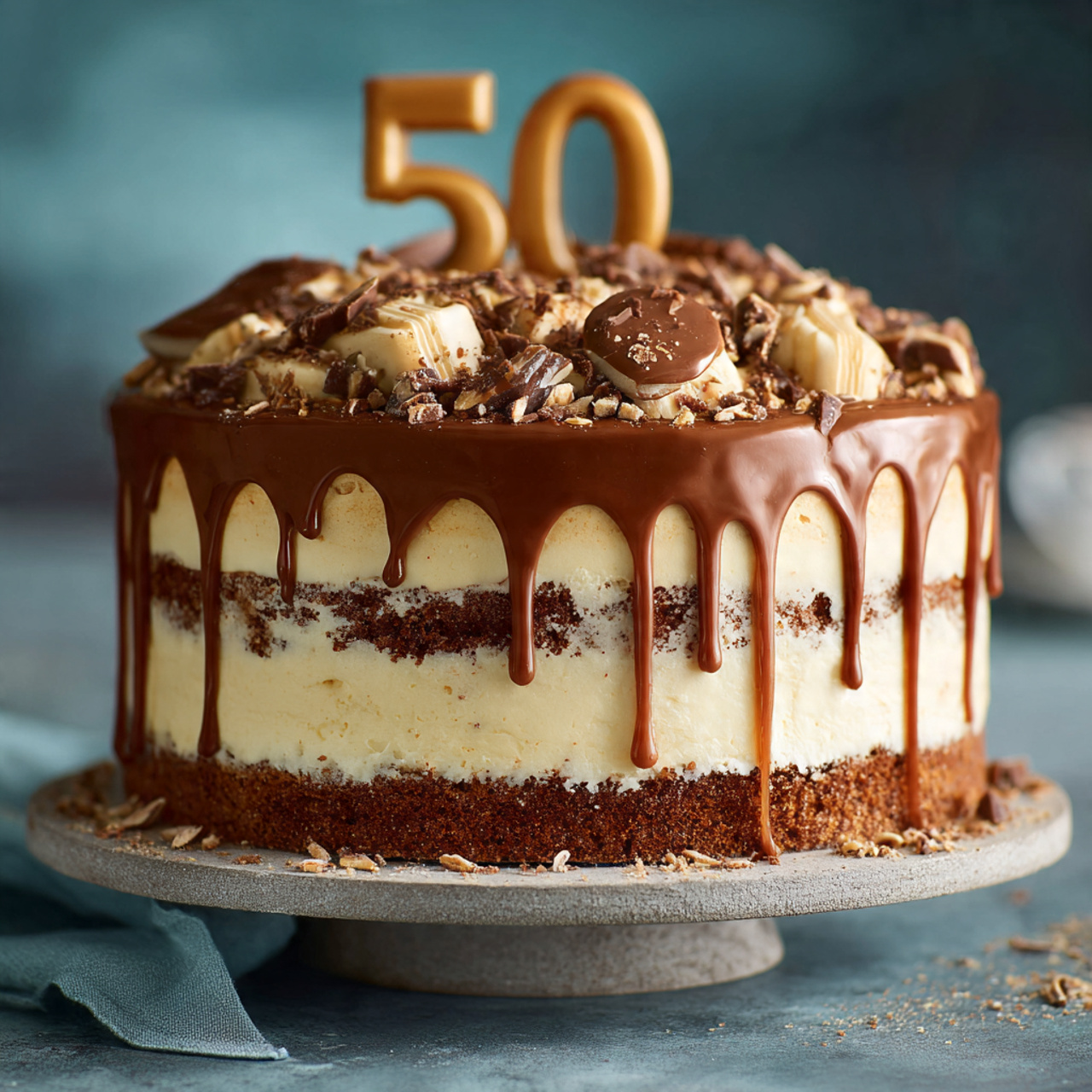
Visit Also: 50th Birthday Cake
What to Serve With This
- A scoop of vanilla ice cream — the contrast between fudgy warm cake and cold ice cream is hard to improve on.
- Freshly brewed coffee or espresso — the bitterness cuts right through the sweetness in the best way.
- A cold glass of milk — the classic pairing for a reason, especially with kids at the table.
- Fresh raspberries or sliced strawberries — a little acidity alongside a rich chocolate cake works beautifully.
- Lightly whipped cream with a dusting of cocoa — a simpler finish if you want something lighter than ice cream.
Storing and Serving
Fridge Cover the cake tightly with plastic wrap or store in an airtight container. It keeps well in the fridge for up to 4 days, and the frosting actually improves by day two as it settles further into the cake.
Freezer Wrap individual slices in plastic wrap and place them in a freezer-safe bag. They freeze well for up to 2 months. Thaw at room temperature for about an hour before eating — the texture holds up beautifully.
Reheating Warm individual slices in the microwave for 10–15 seconds. Go slowly — overheating will melt the frosting and dry out the crumb. Short intervals are key.
Make-Ahead Tip This cake is an excellent make-ahead dessert. Bake it, frost it, and cover it at room temperature overnight. By the next day, the frosting has fully set and the flavors have deepened noticeably.
Servings This recipe yields approximately 9 generous squares or 12 smaller portions depending on how you cut it.
Nutrition (Approximate Per Serving)
- Calories: ~290
- Total Fat: 13g
- Saturated Fat: 8g
- Carbohydrates: 42g
- Sugar: 30g
- Protein: 3g
- Sodium: 160mg
Nutritional values are approximate and may vary based on specific ingredients and brands used.
Chef’s Helpful Tips
- Always bring your egg and buttermilk to room temperature before you start — cold dairy meeting warm butter can cause the batter to look slightly broken before everything comes together.
- Use a rubber spatula to get the batter fully into the corners of the pan before baking so the cake bakes evenly from edge to edge.
- For the cleanest squares, refrigerate the fully frosted cake for 20 minutes before slicing, then wipe the knife clean between each cut.
- Cocoa is the only chocolate in both the cake and the frosting, so it matters. Use a brand you genuinely like the flavor of — the difference is noticeable.
- If the frosting seizes up before you can pour it, return the saucepan to the lowest possible heat and whisk for 30 seconds. It will come right back to a pourable consistency.
Frequently Asked Questions
Q1. Can I make Texas Sheet Cake ahead of time? Absolutely, and it’s genuinely better that way. The frosting settles overnight, the flavors deepen, and the texture gets even more satisfying by day two. Bake it the day before your event, cover it well, and it’ll be at its very best when you serve it.
Q2. I don’t have buttermilk — can I substitute it? Yes, and it takes less than a minute to make your own. Add 1 teaspoon of lemon juice or white vinegar to ¼ cup of regular milk and let it sit for 5 minutes. It will curdle slightly and give you the same slight tang and acidity that buttermilk provides to the batter.
Q3. Is this a beginner-friendly recipe? It genuinely is one of the most forgiving cakes you can make. There’s no creaming, no folding, and no layering involved. If you can melt butter and stir a bowl of batter, you can make this successfully on your very first attempt.
Q4. Can I bring this to a potluck? Texas Sheet Cake was basically made for potlucks. It travels well right in the pan, slices into neat squares without any drama, and feeds a crowd without any complicated serving setup. Cover it with foil once the frosting sets and you’re ready to go.
Q5. Can I freeze leftover slices? Yes — wrap individual slices in plastic wrap, place them in a freezer-safe bag, and freeze for up to 2 months. Thaw at room temperature for about an hour before eating. The texture holds up well and the frosting survives freezing without any significant change.
Conclusion
There’s a reason Texas Sheet Cake turns up at nearly every Southern potluck, family birthday table, and church gathering — it’s the rare dessert that asks very little and consistently delivers. The combination of a soft, fudgy crumb and warm poured chocolate frosting creates something that feels far more impressive than the actual effort involved. It’s exactly the kind of easy chocolate cake that earns real compliments, even from people who don’t typically make a fuss about dessert.
Whether you bake it for a weekend dinner, make it ahead for a busy week, or bring it somewhere to share, this homemade chocolate cake fits naturally into the occasion. Make it once and you’ll understand why it never gets old. Toss in some pecans, add a pinch of cinnamon, or serve it warm with a scoop of ice cream — make it yours, and it might just become the recipe people ask you for by name.
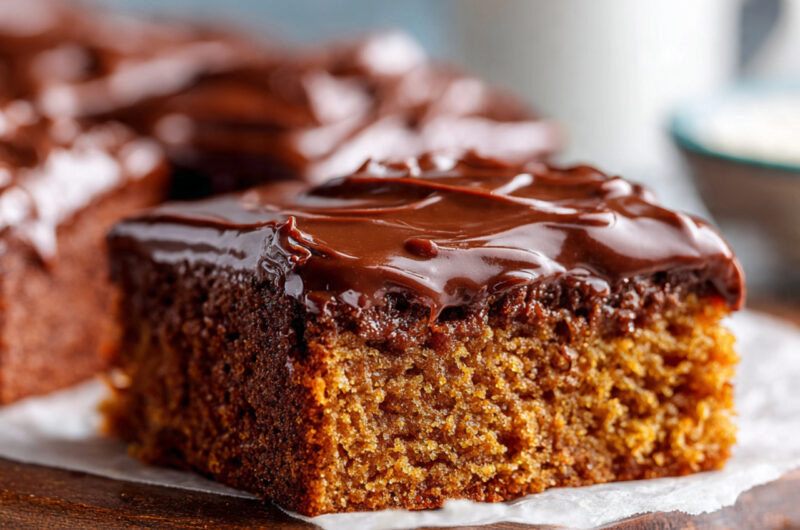
Easy Texas Sheet Cake with Warm Poured Chocolate Frosting
Course: Cake4
servings10
minutes20
minutes290
kcal40
minutesA soft, fudgy chocolate cake topped with glossy warm-poured frosting that soaks into the surface just enough to create a melt-in-your-mouth finish. Ready in 40 minutes using only pantry staples — perfect for potlucks, family dinners, or any evening you want something comforting without the fuss.
Ingredients
For the Cake:
1 cup all-purpose flour
1 cup granulated sugar
¼ cup unsweetened cocoa powder
½ tsp baking soda
¼ tsp salt
½ cup butter
½ cup water
¼ cup buttermilk
1 large egg
½ tsp vanilla extract
For the Chocolate Frosting:
¼ cup butter
2 tbsp cocoa powder
3 tbsp milk
1½ cups powdered sugar
½ tsp vanilla extract
Directions
- Preheat oven to 180°C (350°F). Grease and lightly flour a small sheet pan.
- Whisk flour, sugar, cocoa powder, baking soda, and salt together in a large bowl until evenly combined.
- Melt butter with water in a saucepan over medium heat until smooth. Pour into dry ingredients and stir until glossy.
- Add buttermilk, egg, and vanilla. Mix until smooth and slightly thin. Pour into prepared pan and spread evenly to the corners.
- Bake 18–20 minutes until the top is set and a toothpick comes out clean.
- In the last 5 minutes of baking, warm butter, cocoa, and milk in a saucepan until smooth. Remove from heat and whisk in sifted powdered sugar and vanilla until pourable.
- Pour frosting immediately over the warm cake. Rest 10 minutes before slicing.