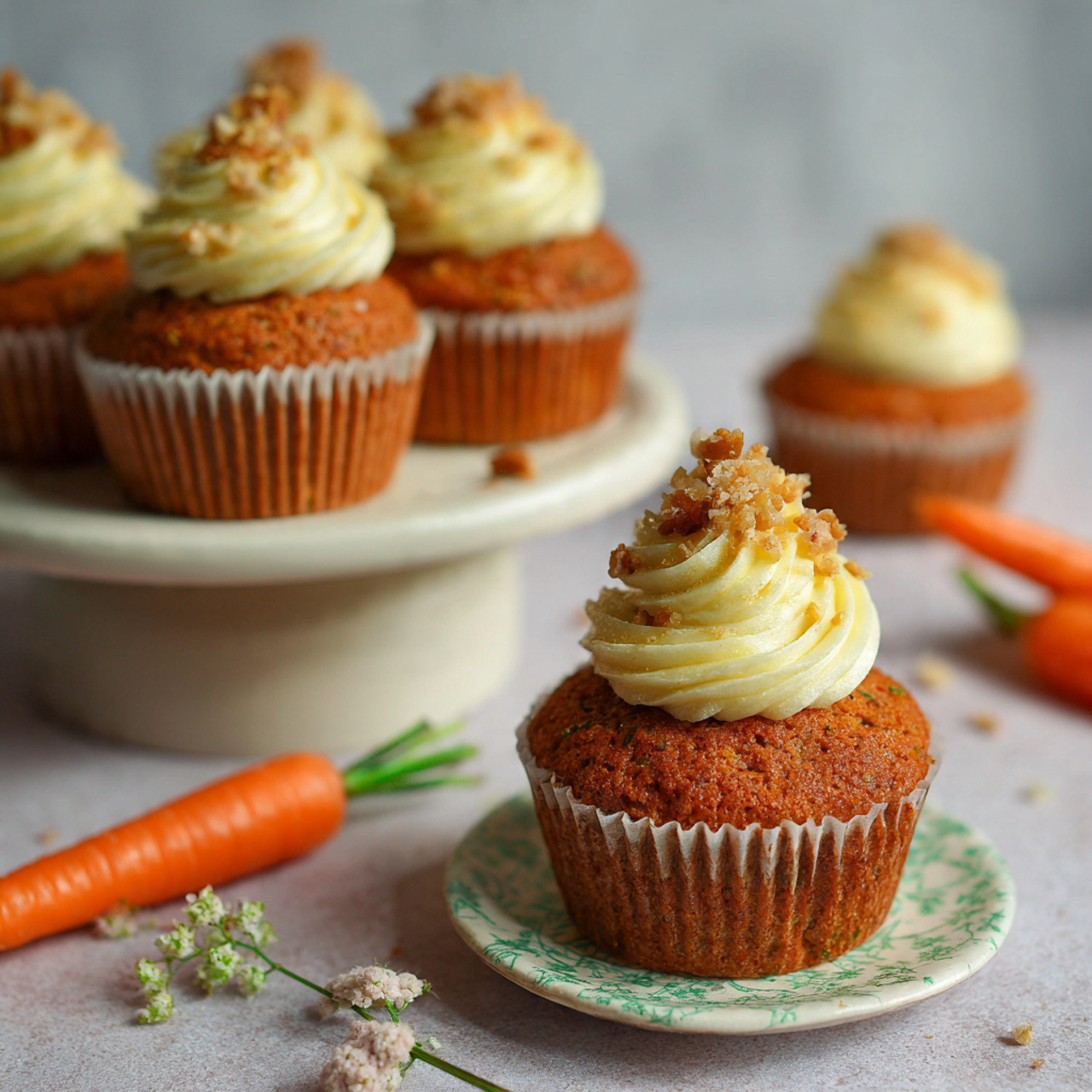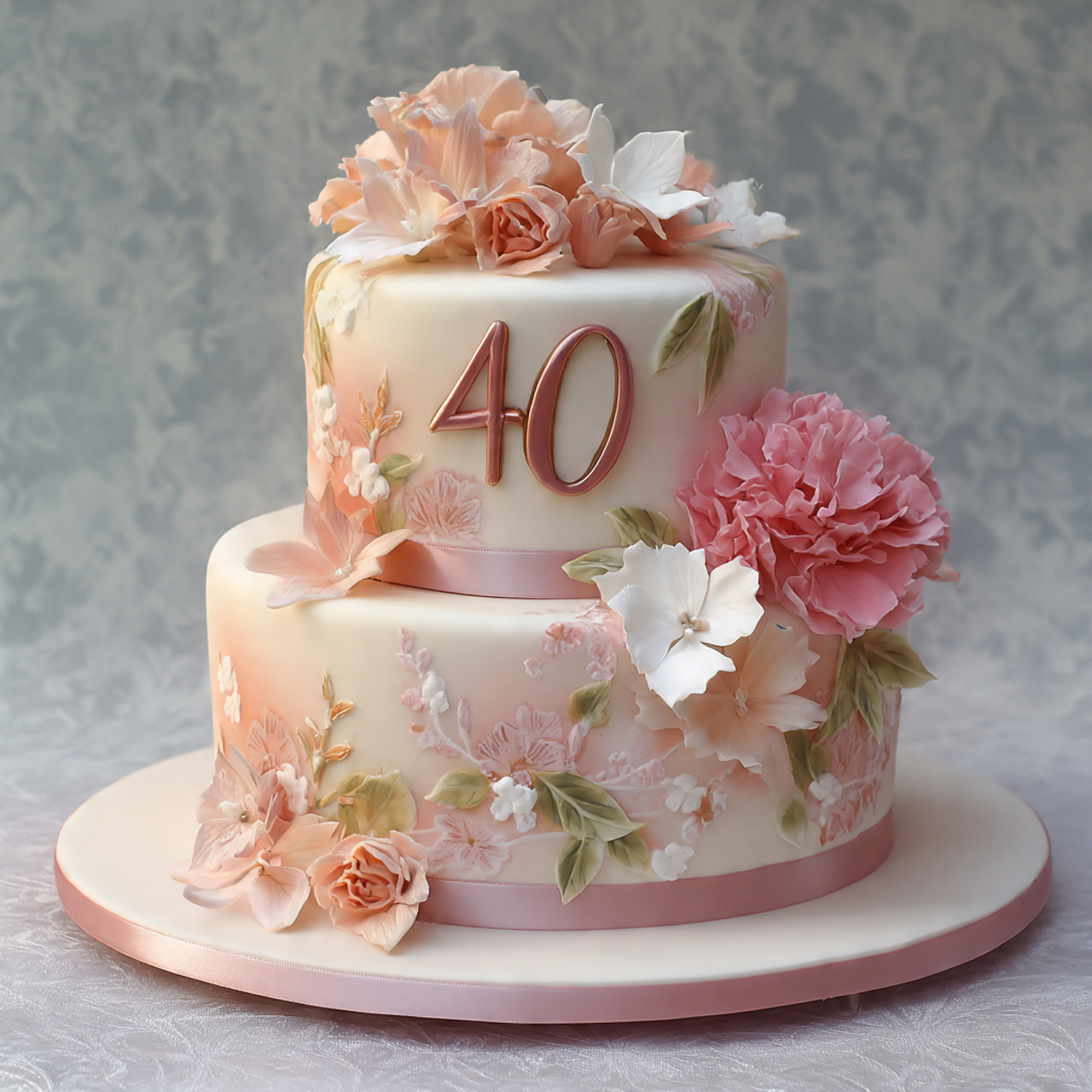
The Fluffiest Homemade Yellow Cake for Any Occasion Worth Celebrating
Homemade yellow cake has one reputation problem: it comes out flat, dense, or weirdly dry — and most of the time, it’s because of how the butter and eggs were incorporated. Cold ingredients fight each other instead of blending, and by the time the batter hits the pan, the damage is already done. This recipe takes that problem off the table completely, giving you a soft, tall, properly golden yellow cake every single time.
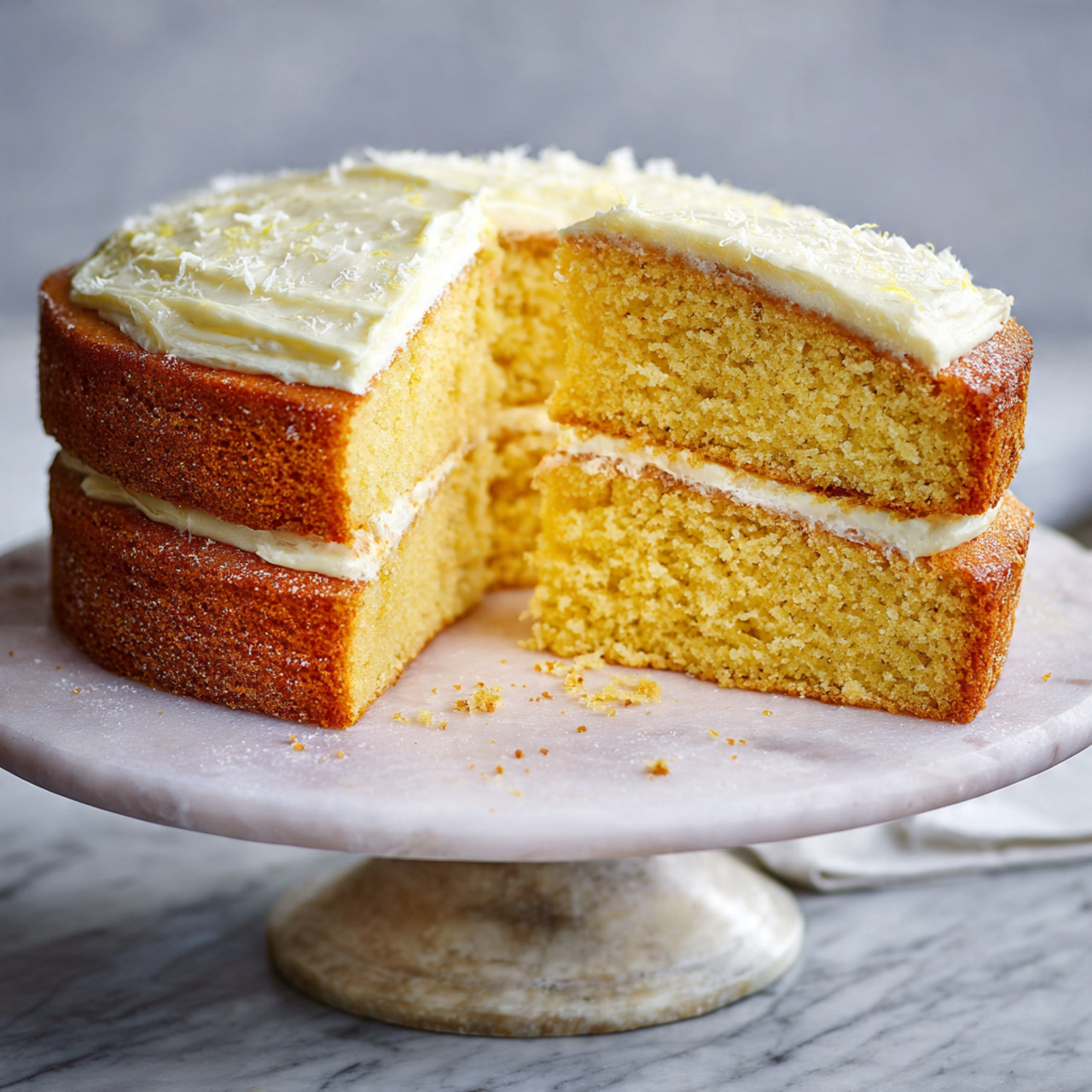
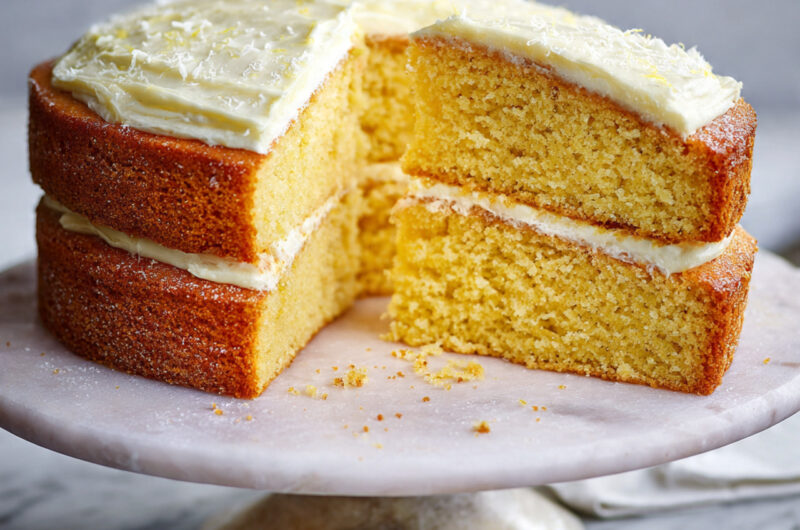
Once it’s out of the oven, you’ll understand exactly why this is a classic. The crumb is tender and springy, with that unmistakable buttery warmth that smells like a bakery and tastes like something a grandmother spent all morning making. There’s a gentle sweetness, a slight vanilla depth, and a moist, pillowy texture that holds together beautifully when you cut into it.
This easy homemade cake is the kind of recipe that earns a permanent place on your counter. It’s perfect for birthdays, weekend tea, last-minute family gatherings, or any quiet afternoon when you just want something warm from the oven. Pair it with a simple buttercream or serve it plain alongside a cup of chai — either way, once you try this classic yellow cake recipe, you’ll stop looking for another one.
Why You’ll Love This Recipe
It Tastes Like a Real Bakery Cake
There’s a richness here that boxed mixes simply can’t replicate. The combination of real butter, whole eggs, and vanilla extract creates a flavor that’s deep, warm, and genuinely satisfying — not artificially sweet or one-dimensional.
The Texture Is Perfectly Tender
This cake bakes up with a soft, even crumb that’s moist without being dense and light without falling apart. Alternating the dry ingredients with milk is the quiet trick behind that structure, and it works every single time.
You Probably Have Everything Already
One cup of sugar, basic pantry flour, butter, eggs, milk — there’s no specialty shopping required. This is the kind of recipe you can decide to make at 3 p.m. and have ready by 5.
It’s Endlessly Versatile
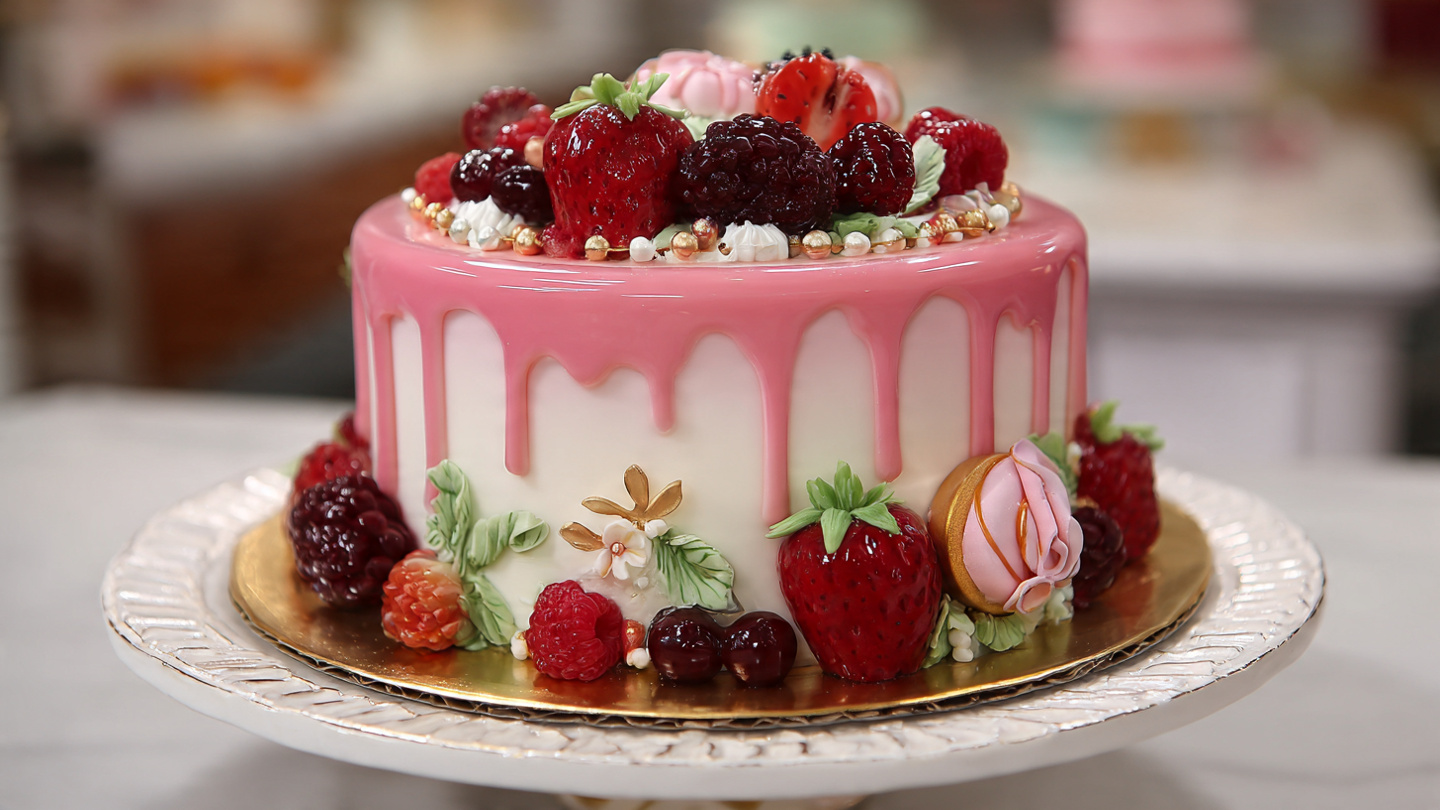
Serve it plain, dust it with powdered sugar, layer it with jam, pile on fresh fruit, or frost it for a birthday. This buttery yellow cake is a blank canvas that works with almost anything you throw at it.
It’s Genuinely Beginner-Friendly
The steps are forgiving, the timing is predictable, and there are no tricky techniques to master. If you’ve never baked a cake before, this is one of the best places to start.
Ingredients
For the Cake Batter
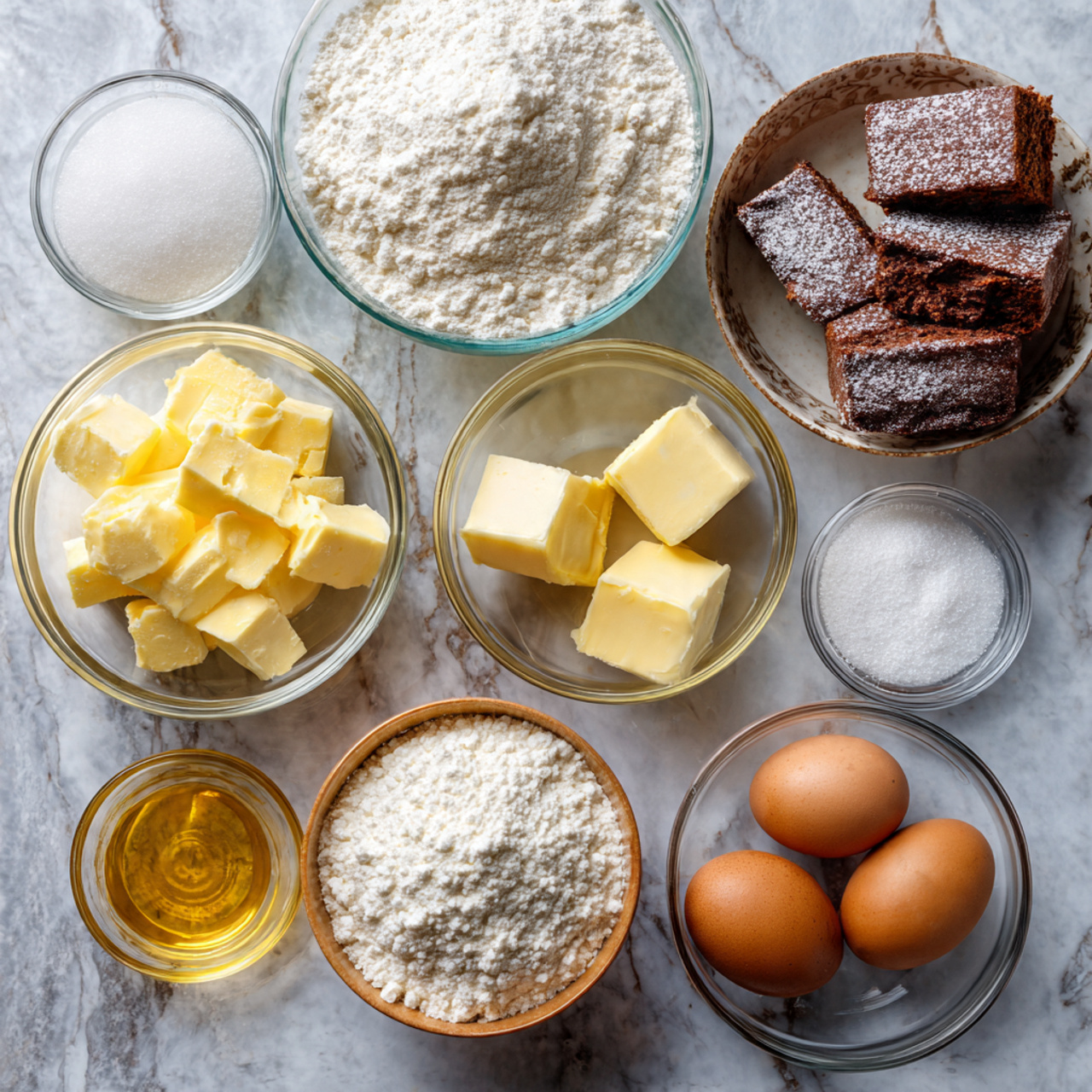
- 1 ½ cups all-purpose flour (spooned and leveled, not packed)
- 1 cup granulated sugar
- ½ cup unsalted butter, softened (room temperature — this is non-negotiable)
- 2 large eggs (also at room temperature)
- ½ cup whole milk (or any milk you have on hand)
- 1 ½ teaspoons baking powder
- 1 teaspoon pure vanilla extract (pure, not imitation, for the best flavor)
- ¼ teaspoon salt
Together, the butter and sugar create a light, aerated base, the eggs add richness and structure, and the milk keeps everything tender and moist all the way through. It’s a simple combination that’s been working for generations — and it shows.
How to Make Yellow Cake — Step-by-Step
Step 1: Prep Your Pan and Preheat
Preheat your oven to 180°C (350°F) and grease your baking pan well. Line the bottom with parchment if you want extra insurance against sticking. Before you do anything else, pull out all your ingredients and let them sit at room temperature for at least 20 minutes — this single step makes an enormous difference in how the batter comes together. Don’t worry if you’re short on time; even 10 minutes off the fridge helps.
Step 2: Cream the Butter and Sugar
Add the softened butter and sugar to a large bowl and beat together until the mixture turns pale, fluffy, and noticeably lighter in volume — about 3 to 4 minutes with an electric mixer. This step builds air into the batter, which is what gives the cake its lift. Don’t rush it. The mixture should look almost whipped and smell faintly sweet and buttery.
Step 3: Add the Eggs and Vanilla
Add the eggs one at a time, mixing well after each addition. Add the vanilla extract and mix again. The batter will look smooth and glossy at this point, almost like a thick cream. Don’t worry if it looks slightly curdled after the second egg — it will smooth out once you start adding the flour.
Step 4: Alternate Dry Ingredients and Milk
In a separate bowl, whisk together the flour, baking powder, and salt. Add the dry mixture to the butter mixture in three additions, alternating with the milk — start and end with flour. Stir gently after each addition, just until combined. As soon as you can no longer see dry flour, stop mixing. Overmixing past this point develops gluten and turns your tender cake dense and rubbery.
Step 5: Bake and Cool
Pour the batter into your prepared pan and smooth the top with a spatula. Bake for 25 to 30 minutes, until the top is golden and a toothpick inserted into the center comes out clean. The edges will have just started to pull away from the pan — that’s a good sign. Let the cake cool in the pan for 10 minutes before turning it out. Don’t skip this rest; cutting into a warm cake tears it apart and makes it harder to frost or slice cleanly.
Perfecting This Recipe
- Always bring butter and eggs to room temperature before you begin. Cold butter won’t cream properly, and cold eggs can cause the batter to seize.
- Use the spoon-and-level method to measure flour — scooping directly from the bag packs in too much and leads to a denser cake.
- Alternate dry ingredients and milk in three additions each, starting and ending with flour. This keeps the batter emulsified and prevents overmixing.
- Stop mixing the moment you no longer see dry streaks. A few turns of the spatula by hand at the end can save you from overworking the batter.
- Let the cake cool completely before frosting. A warm cake melts buttercream and makes everything slide off.
- Baking times vary by pan size. A wider, shallower pan will bake faster; a deeper one may need 5 extra minutes. Watch the color and test with a toothpick rather than relying purely on the clock.
Common Mistakes to Avoid
- Using cold butter — Butter that’s still firm won’t aerate properly when creamed with sugar, and you’ll end up with a flatter, denser cake. Let it sit out until it dents easily when you press it with a finger.
- Adding eggs all at once — Dumping both eggs in together shocks the emulsion and can cause the batter to separate. Always add them one at a time, mixing fully between each.
- Overmixing after the flour goes in — This is the most common reason yellow cakes turn out tough and chewy. Once the flour hits the batter, mix only until just combined.
- Opening the oven too early — Checking on the cake before the 20-minute mark causes heat to escape and can cause the center to sink. Trust the process and wait until it’s nearly done before peeking.
- Skipping the cooling time — Impatience here costs you clean slices. The structure of the cake finishes setting as it cools, so give it the full 10 minutes in the pan before you turn it out.
Add Your Touch
- Stir in a teaspoon of lemon zest or orange zest for a bright, citrusy version that pairs beautifully with a simple glaze.
- Add a pinch of cinnamon or cardamom to the batter for a warmly spiced variation — especially lovely in autumn.
- Fold in a small handful of mini chocolate chips just before pouring into the pan for a classic birthday-cake twist.
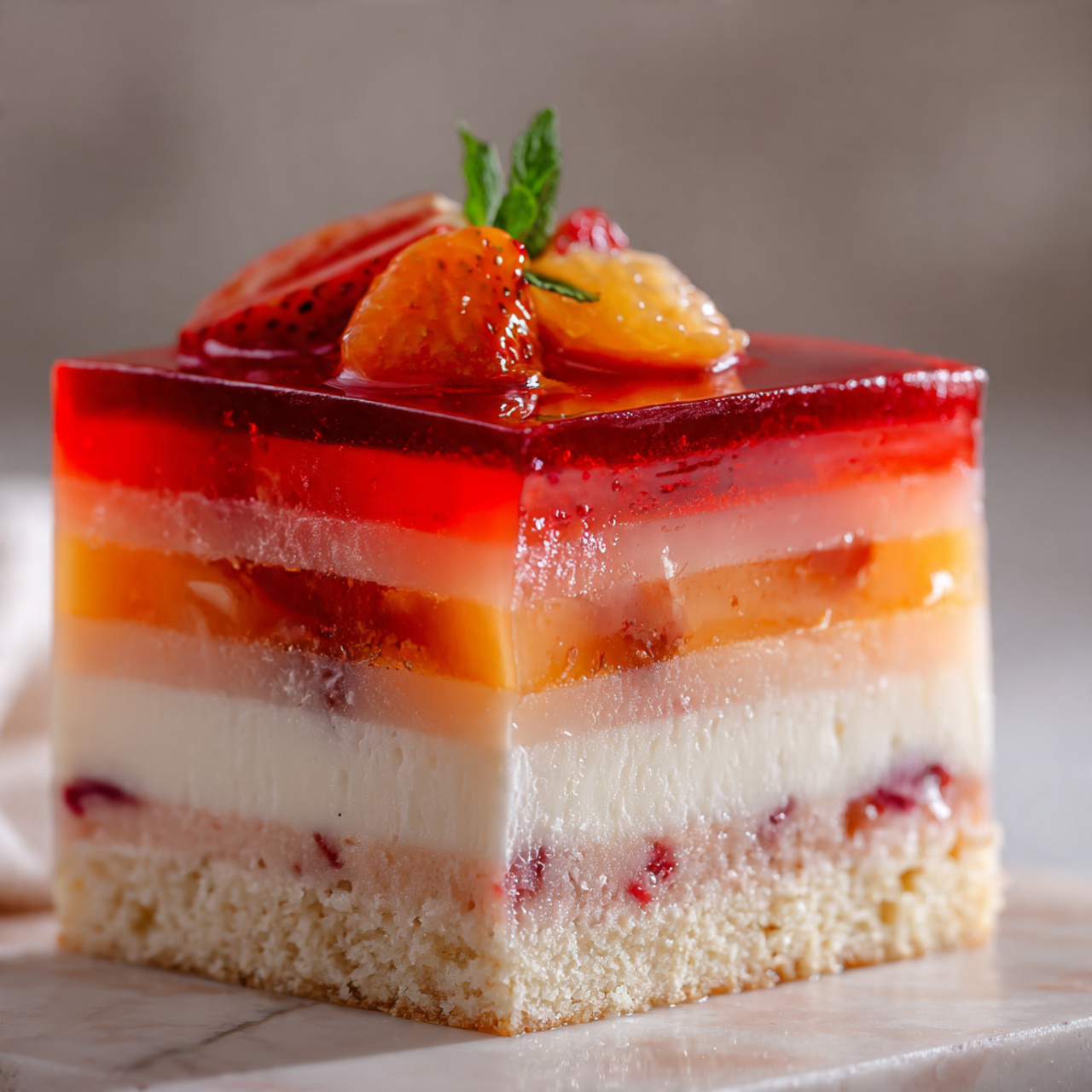
- Split the cooled cake into two layers and spread strawberry jam or lemon curd in the middle before frosting.
- Replace the vanilla extract with almond extract for a more aromatic, nutty flavor that feels a little more special.
- For a dairy-free version, swap the butter for coconut oil and the milk for oat milk — the texture shifts slightly but stays delicious.
Visit Also: Cake Designs For Kids
What to Serve With This
- Classic vanilla buttercream — the obvious choice, and one that never fails to impress.
- Fresh sliced strawberries or raspberries — their tartness cuts through the cake’s richness perfectly.
- A strong cup of chai or masala tea — the spice in the tea makes the vanilla in the cake taste even more pronounced.
- Lightly sweetened whipped cream — airy and simple, great for warm-weather serving.
- A drizzle of honey and a pinch of sea salt — sounds unconventional, but it’s quietly brilliant.
Storing and Serving
Fridge Wrap the cake tightly or store slices in an airtight container. It keeps well in the refrigerator for up to 3 days without drying out.
Freezer Individual slices freeze beautifully. Wrap each one in plastic wrap and place in a freezer bag. They’ll keep for up to one month. Thaw at room temperature for about an hour before serving.
Reheating If you want that just-baked warmth, microwave a slice for 10 to 15 seconds. Any longer and it starts to dry out quickly.
Make-Ahead Tip Bake the cake up to one day ahead and store it covered at room temperature. If you’re frosting it, wait until the day of serving for the best presentation.
Servings This recipe makes approximately 8 generous slices from a standard 8- or 9-inch round or square pan.
Nutrition (Approximate Per Serving)
- Calories: 240
- Total Fat: 10g
- Saturated Fat: 6g
- Carbohydrates: 34g
- Sugar: 20g
- Protein: 4g
- Sodium: 105mg
Nutritional values are approximate and may vary based on specific ingredients and brands used.
Chef’s Helpful Tips
- Room temperature really does matter. It’s the difference between a batter that comes together in minutes and one that looks broken and lumpy. Set your butter and eggs out while you preheat the oven.
- Check for doneness at 25 minutes. Ovens run differently, and a minute or two of overbaking is all it takes to go from moist to dry. A toothpick that comes out with just a few moist crumbs — not raw batter — is your signal to pull it out.
- For clean slices, use a sharp knife wiped clean between cuts. If the cake is fully cooled and unfrosted, it slices like a dream.
- Don’t substitute salted butter without reducing or eliminating the added salt in the recipe. The salt balance matters more than it seems in a simple cake like this.
- If your cake comes out too dense, it’s almost always one of two things: cold ingredients or overmixed batter. Both are easy to fix for next time.
Frequently Asked Questions
Q1. Can I make this yellow cake the day before serving? Absolutely — it actually holds up wonderfully overnight. Bake it, let it cool completely, then wrap it tightly in plastic wrap or cover it with an airtight dome. If you’re adding frosting, wait until the day of serving so it looks fresh.
Q2. Why did my cake turn out dense instead of fluffy? Nine times out of ten it comes down to one of two things: cold butter that didn’t cream properly, or overmixing after the flour was added. Both are easy to watch for next time. Make sure your butter is genuinely soft — not just slightly cool — before you start.
Q3. Can I use plant-based milk instead of regular milk? Yes, any unsweetened plant-based milk works as a straight swap. Oat milk and soy milk give the closest result to whole milk in terms of moisture and richness. Avoid heavily flavored varieties like vanilla-sweetened oat milk, which can throw off the flavor balance.
Q4. Is this a good recipe for a first-time baker? It’s one of the best ones to start with. The ingredients are basic, the steps are clear, there’s no special equipment required, and it’s a very forgiving batter. If you follow the room-temperature rule and don’t overmix, you’ll be delighted with the result.
Q5. Can I freeze this cake? Yes, it freezes really well. Slice it first, wrap each piece individually in plastic wrap, and store in a zip-lock freezer bag for up to a month. Thaw at room temperature — don’t microwave straight from frozen or the texture suffers.
Conclusion
There’s a reason yellow cake has been showing up on family tables for generations — it’s one of those recipes that manages to feel both effortless and special at the same time. This version is exactly that: straightforward enough for a Tuesday night, lovely enough for a birthday, and reliable enough that you’ll reach for it again and again without ever needing to second-guess it.
So go ahead and bake it. Make it plain for tea, dress it up for a celebration, or sneak a slice straight off the cooling rack because you deserve it. However you serve this yellow cake, it’s the kind of homemade treat that has a way of turning an ordinary moment into a good memory.
Fluffy Homemade Yellow Cake
Course: Cake4
servings10
minutes30
minutes240
kcal50
minutesA buttery, tender yellow cake with a soft crumb and warm vanilla flavor — perfect for birthdays, weekend tea, or any occasion that deserves something homemade.
Ingredients
For the Cake Batter:
1 ½ cups all-purpose flour
1 cup granulated sugar
½ cup unsalted butter, softened
2 large eggs
½ cup milk
1 ½ teaspoons baking powder
1 teaspoon pure vanilla extract
¼ teaspoon salt
Directions
- Preheat oven to 180°C (350°F). Grease and line an 8- or 9-inch pan.
- Beat softened butter and sugar together until pale and fluffy, about 3–4 minutes.
- Add eggs one at a time, mixing well after each. Add vanilla and mix.
- Whisk flour, baking powder, and salt in a separate bowl.
- Add dry ingredients to the butter mixture in three additions, alternating with milk. Start and end with flour. Mix until just combined.
- Pour batter into the prepared pan and smooth the top.
- Bake for 25–30 minutes until golden and a toothpick comes out clean.
- Cool in the pan for 10 minutes, then turn out onto a wire rack to cool completely.