Silky Homemade Chocolate Buttercream Frosting Your Cakes Have Been Waiting For
My grandmother kept a small handwritten card tucked inside her recipe binder — no title, just a list of five ingredients and the words “beat until you can’t stop eating it.” That was her chocolate buttercream frosting, and the first time I made it on my own, standing in my tiny apartment kitchen with powdered sugar dusted across my sleeves, I understood exactly what she meant.
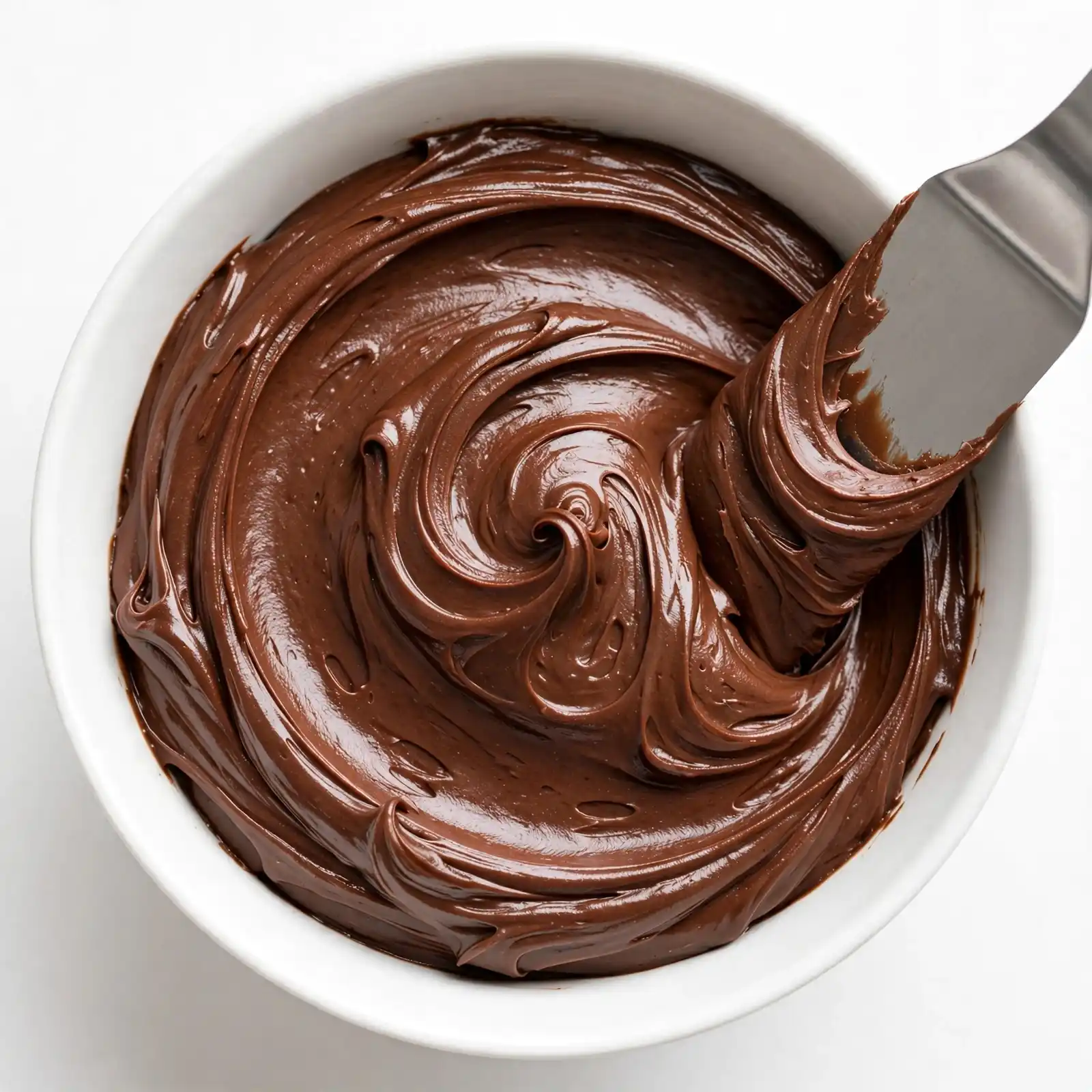
The moment this frosting comes together is nothing short of satisfying. It goes from crumbled and pale to deeply chocolatey and glossy right before your eyes. The aroma is somewhere between a warm brownie and a cup of hot cocoa — cocoa-forward and slightly sweet, with that unmistakable buttery richness that fills the whole kitchen. The texture is where it really shines: thick enough to hold swirls and peaks, yet soft enough to melt on your tongue without a single heavy note.
Whether you’re stacking a birthday layer cake, topping a batch of midnight fudge brownies, or dressing up a pan of cupcakes for a last-minute school bake sale, this easy frosting for cakes is the one you’ll reach for again and again. It’s the kind of recipe that gets scribbled down on a napkin at dinner parties and shared in group chats at midnight. Once you try it, you’ll understand why.
Why You’ll Love This Recipe
It Tastes Like Pure Chocolate Comfort
This frosting leans into deep, bittersweet cocoa flavor without tipping into bitter territory. The balance of Dutch-process cocoa and powdered sugar creates a chocolate intensity that feels indulgent but never overwhelming — the kind of thing you eat off the spatula before the cake even gets frosted.
The Texture Is Absolutely Dreamy
Whipping real butter with heavy cream gives this frosting a mousse-like airiness that you simply don’t get from store-bought tubs. It spreads like a dream, pipes beautifully into rosettes, and holds its shape at room temperature for hours without turning greasy or stiff.
It Comes Together in Under 10 Minutes
No double boiler, no melting chocolate, no complicated steps. If you have a hand mixer or stand mixer, you’re already halfway there. Even beginners who’ve never made frosting before can pull this off on the first try — that’s the beauty of a recipe built on technique, not equipment.
It’s the Crowd-Pleaser at Every Table
Chocolate frosting recipe fans and casual dessert lovers alike will scrape their plates for this one. It works on yellow cake, chocolate cake, vanilla cupcakes, red velvet — basically anything that deserves a proper chocolate crown. Bring a frosted cake to a potluck and watch it disappear first.
Classic Flavor With One Game-Changing Twist
A small splash of espresso powder amplifies the cocoa without making the frosting taste like coffee. It’s a baker’s trick that takes a classic homemade chocolate frosting from good to genuinely unforgettable — and most people won’t even know it’s in there.
Ingredients
For the Frosting Base
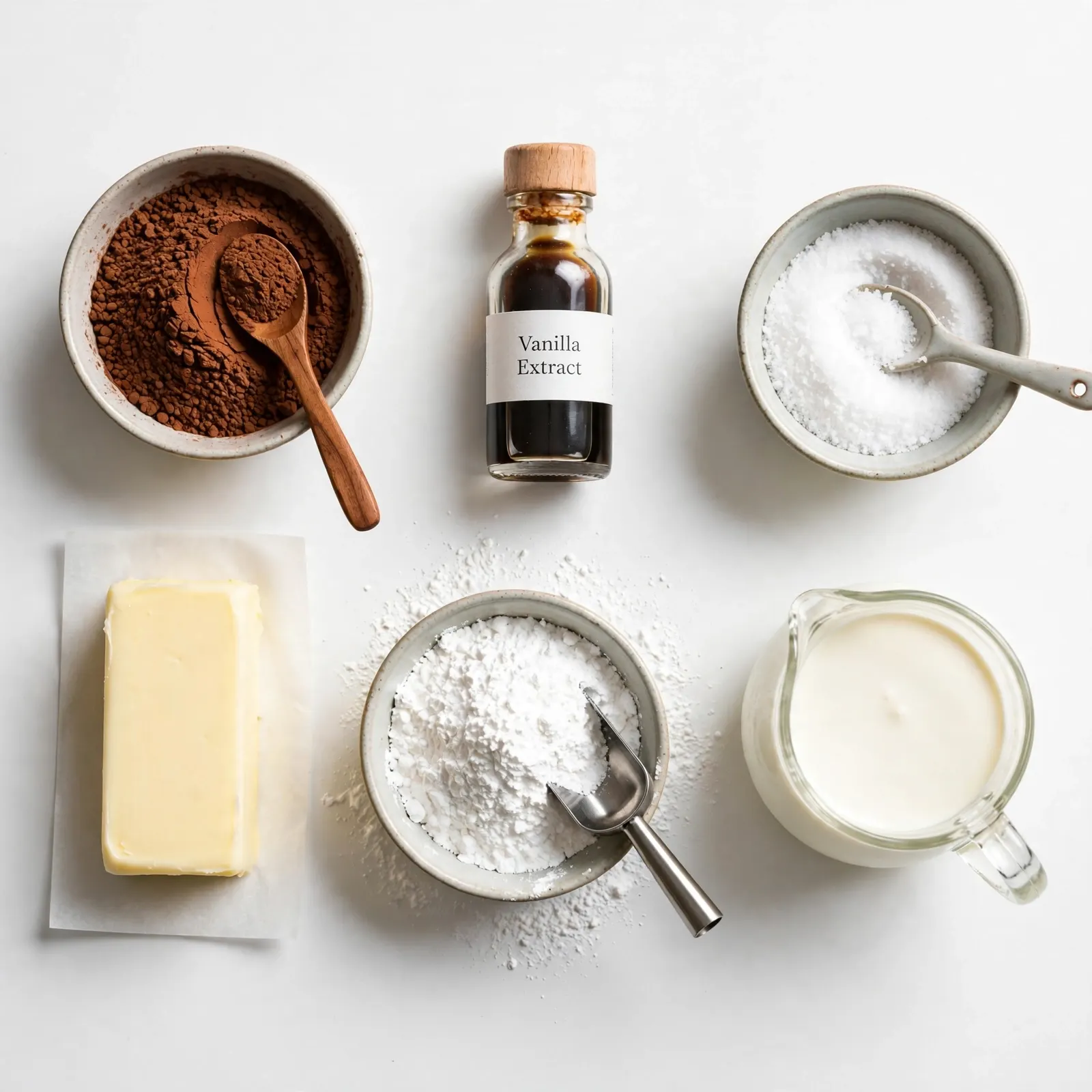
- 1 cup (2 sticks / 226g) unsalted butter, softened to room temperature
- 3½ cups (420g) powdered sugar, sifted
- ¾ cup (75g) Dutch-process cocoa powder, sifted (natural cocoa works too, but Dutch-process gives a richer, darker color)
- ½ tsp fine sea salt (balances the sweetness beautifully — don’t skip it)
For the Liquid & Flavor
- 6 tbsp heavy cream (or whole milk for a slightly lighter texture)
- 2 tsp pure vanilla extract (pure, not imitation — it makes a noticeable difference)
- ½ tsp instant espresso powder (optional but highly recommended; deepens the chocolate flavor)
The butter forms the creamy, stable foundation, the sifted cocoa brings that velvety chocolate depth, and the heavy cream loosens everything just enough to achieve a perfectly spreadable, cloud-like finish. Together, they create a frosting that’s bold in flavor but elegant in texture.
How to Make Chocolate Buttercream Frosting — Step-by-Step
Step 1: Start With Perfectly Softened Butter
Cut your butter into tablespoon-sized pieces and beat it alone in the bowl of a stand mixer (or with a hand mixer) on medium speed for 2–3 minutes until it looks pale, fluffy, and creamy — almost like whipped cream. This step is the secret to a light, airy frosting rather than a dense one. Don’t worry if your butter looks a little lumpy at first; it will smooth out quickly.
Step 2: Add the Cocoa and Powdered Sugar
Turn the mixer to low and add the sifted cocoa powder first, mixing until it’s fully incorporated before adding the powdered sugar in two or three additions. Adding it slowly keeps a cloud of sugar from erupting across your countertop and ensures everything blends evenly. The mixture will look dry and crumbly at this stage — that’s completely normal and exactly where you want it.
Step 3: Stream In the Cream and Vanilla
With the mixer still on low, pour in the heavy cream one tablespoon at a time, followed by the vanilla extract and espresso powder if using. Once added, bump the speed up to medium-high and beat for 3 full minutes. Watch as the frosting transforms — it’ll go from stiff and dull to glossy, voluminous, and deeply chocolatey right before your eyes.
Step 4: Taste and Adjust
This is the most important step. Dip a clean spoon in and taste. Too sweet? Add a pinch more salt and beat for another 30 seconds. Too thick? Add cream a teaspoon at a time. Too thin? Add a tablespoon of powdered sugar. The perfect fluffy chocolate buttercream should hold a soft peak when you lift the beater and feel luxuriously smooth on your tongue — not gritty, not heavy.
Step 5: Frost Immediately or Refrigerate
If you’re frosting a completely cooled cake right away, you’re ready to go. Scoop the frosting onto your cake and spread using an offset spatula for smooth sides or a piping bag fitted with a star tip for decorative swirls. Don’t worry if your first swirl isn’t perfect — the second one always looks better. Leftover frosting keeps beautifully and even improves after a night in the fridge.
Perfecting This Recipe
- Sift everything. Both the cocoa and the powdered sugar should be sifted before they go in the bowl. Even small lumps of cocoa will leave specks in your finished frosting.
- Room temperature butter is non-negotiable. Press a finger into your butter — it should indent easily but hold its shape. Too cold and it won’t cream; too warm and the frosting will turn greasy.
- Beat longer than you think you need to. Most home bakers under-beat their frosting. Give it a solid 3 minutes on medium-high after all the ingredients are added to build that airy, mousse-like texture.
- Heavy cream makes a real difference. Milk works in a pinch, but heavy cream gives the frosting a richer body and a creamier mouthfeel that’s hard to replicate otherwise.
- Cooling matters for the cake, not the frosting. Never frost a warm cake — even slightly warm layers will melt your buttercream instantly. Let layers cool completely at room temperature, then refrigerate for 20 minutes before frosting for the cleanest finish.
- Taste as you go. Every brand of cocoa powder has a slightly different intensity, so adjust with an extra pinch of salt or a little more cream based on what your palate tells you.
Common Mistakes to Avoid
- Using cold butter — Cold butter won’t cream properly and leads to a lumpy, curdled-looking frosting that no amount of extra beating will fully fix. Pull it from the fridge at least an hour before you start.
- Skipping the sifting step — Unsifted cocoa or powdered sugar leaves tiny lumps that never fully disappear, resulting in a frosting that looks speckled and feels slightly grainy rather than silky-smooth.
- Adding too much cream at once — Dumping in all the cream at once can make the frosting runny too fast, and it’s much harder to thicken a loose frosting than to thin a thick one. Go slowly, tablespoon by tablespoon.
- Frosting a warm cake — This is the most common mistake and the most heartbreaking. A warm cake melts the butter in the frosting, causing it to slide right off. Always wait until the cake is completely cool.
- Under-beating the butter first — Many recipes skip the step of beating butter alone before adding anything else. That 2–3 minute solo beat is what creates the air pockets responsible for a light, fluffy final texture.
Add Your Touch
- Mocha swirl: Increase the espresso powder to 1 full teaspoon for a pronounced coffee-chocolate flavor that pairs beautifully with vanilla cake.
- Peanut butter ribbon: Swirl 3 tablespoons of creamy peanut butter into the finished frosting with a spatula — don’t fully blend it for a marbled effect.
- Salted caramel drizzle: Pipe the chocolate buttercream on cupcakes and finish with a thin drizzle of salted caramel sauce over the top.
- Mint chocolate: Add ¼ teaspoon of pure peppermint extract along with the vanilla for a cool, refreshing twist that’s especially popular at the holidays.
- Dark and bitter: Use 100% cacao cocoa powder and reduce the powdered sugar by ½ cup for a deeply bittersweet frosting that lets the chocolate do all the talking.
- Dairy-free version: Substitute the butter with high-quality vegan butter (Miyoko’s works beautifully) and replace the heavy cream with full-fat coconut cream.
Visit Also: Apple Muffins
What to Serve With This
- Classic yellow birthday cake — The sweet, buttery crumb of a yellow cake is the perfect canvas for this bold, chocolatey frosting.
- Fudgy brownies — Spread a thick layer over a pan of brownies, chill until set, and slice into bars for a next-level treat.
- Chocolate sandwich cookies — Use this as the filling between two chocolate wafer cookies for a stunning homemade version of a classic.
- Banana bread — Spread a generous swipe over a warm slice of banana bread for a surprisingly perfect flavor pairing.
- A cold glass of whole milk — Simple, essential, and non-negotiable.
Storing and Serving
Fridge: Transfer any unused frosting to an airtight container and refrigerate for up to 2 weeks. Before using, let it sit at room temperature for 30–45 minutes, then re-whip briefly with a hand mixer to restore its creamy texture.
Freezer: This frosting freezes exceptionally well. Spoon it into a zip-top freezer bag or freezer-safe container and freeze for up to 3 months. Thaw overnight in the refrigerator, then bring to room temperature and re-whip before using.
Reheating: Frosting doesn’t need to be reheated, but if it’s come straight from the fridge and feels stiff, microwave in 5-second intervals at 50% power, stirring between each, until it’s spreadable again.
Make-Ahead Tip: This frosting can be made up to 3 days in advance and stored in the refrigerator. Pull it out 30–45 minutes before you plan to frost, let it soften at room temperature, and give it a quick beat. It’ll taste just as fresh as the day you made it.
Servings: This recipe makes approximately 3 cups of frosting — enough to generously frost a 9-inch 2-layer cake, 24 standard cupcakes, or a 9×13-inch sheet cake.
Nutrition (Approximate Per Serving)
Based on 16 servings (approximately 3 tablespoons per serving)
- Calories: 245
- Total Fat: 13g
- Saturated Fat: 8g
- Carbohydrates: 32g
- Sugar: 29g
- Protein: 1g
- Sodium: 80mg
Nutritional values are approximate and may vary based on specific ingredients and brands used.
Chef’s Helpful Tips
- Butter temperature is everything. The ideal temperature for butter is around 65–68°F. If you’re in a hurry, cut it into small cubes and let it sit on the counter for 20–30 minutes rather than microwaving, which creates hot spots that melt the fat unevenly.
- Sift twice for the smoothest results. If you want a truly luxurious, lump-free frosting, pass the cocoa powder and powdered sugar through your sifter twice before adding them to the bowl. It takes 60 extra seconds and makes a noticeable difference.
- For clean slices on a frosted cake, dip your knife in hot water, wipe dry, and then cut. The warmth glides through cold frosting without dragging or smearing.
- If your frosting is too sweet, a small extra pinch of salt and a teaspoon of fresh espresso powder can dial back the sweetness significantly without altering the flavor in any other way.
- If your frosting is too stiff to pipe, add heavy cream half a teaspoon at a time and beat on high for 30 seconds between each addition. If it’s too loose to hold a swirl, add powdered sugar one tablespoon at a time until it tightens back up.
Frequently Asked Questions
Q1. Can I use natural cocoa powder instead of Dutch-process? Yes, absolutely. Natural cocoa powder will give you a slightly lighter color and a more acidic, fruity chocolate flavor, while Dutch-process delivers a deeper, mellower, more fudge-like taste. Both work beautifully — it really comes down to personal preference and what you have on hand.
Q2. What does this chocolate buttercream frosting taste like compared to store-bought? It’s genuinely in a different category. Store-bought frosting tends to be waxy, overly sweet, and one-dimensional. This homemade version is buttery, deeply chocolatey, and has a complexity that you can actually taste — especially with the touch of espresso and vanilla working in the background.
Q3. I’ve never made frosting before. Is this beginner-friendly? Truly, yes. If you can operate a hand mixer, you can make this. The only real skill involved is patience — beating the butter long enough and adding the cream slowly. Follow the steps in order and you’ll have a gorgeous, professional-looking frosting on your first attempt.
Q4. Can I make this for a potluck or frost the cake the night before? This is one of the best make-ahead frostings you’ll find. You can frost your cake up to 24 hours ahead and store it loosely covered at room temperature (if your kitchen is cool) or in the refrigerator. Pull it from the fridge about an hour before serving to let the frosting soften to its creamy best.
Q5. Can I freeze leftover frosting? Yes, and it freezes beautifully. Spoon it into a freezer-safe bag or container and it will keep for up to 3 months. Thaw it in the refrigerator overnight, let it come to room temperature, and then re-whip it for 1–2 minutes. It’ll taste exactly like fresh.
Conclusion
There’s a reason chocolate buttercream frosting appears on birthday cakes, celebration sheet cakes, and casual Tuesday-night brownies alike — it’s the kind of recipe that lives at the intersection of comfort and joy. It doesn’t require a pastry degree or an expensive stand mixer. It just requires good ingredients, a little patience with the butter, and the willingness to taste as you go. Once you make it from scratch, the kind from a plastic tub will never quite satisfy in the same way again.
So grab a spatula, pull your butter out of the fridge, and give yourself permission to lick the beaters. Whether you’re frosting a towering birthday cake or just a single layer for a quiet dinner at home, this is the recipe that turns an ordinary dessert into something worth remembering. Make it once, make it yours, and share it generously — that’s what frosting was always meant for.
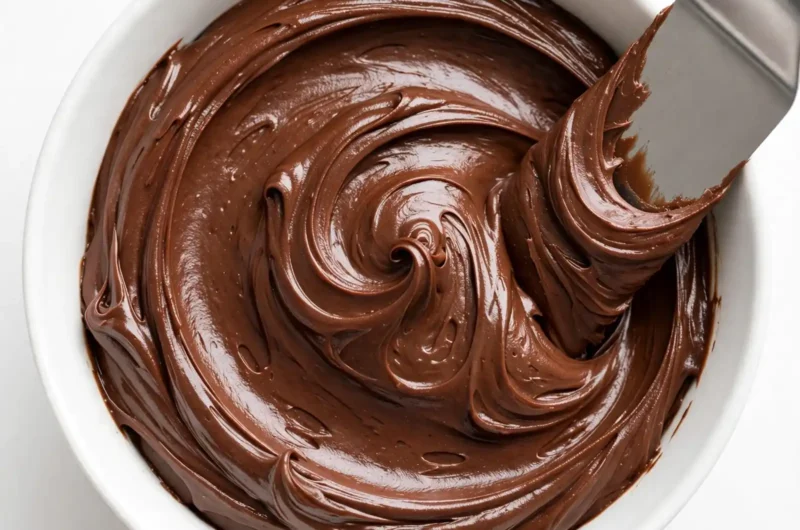
Silky Chocolate Buttercream Frosting
Course: Trending Recipes16
servings5
minutes5
minutes245
kcal10
minutesA rich, fluffy, and deeply chocolatey frosting that comes together in under 10 minutes — perfect for layer cakes, cupcakes, brownies, and everything in between. Smooth enough to spread, stiff enough to pipe, and irresistible enough to eat straight from the bowl.
Ingredients
Frosting Base:
1 cup (226g) unsalted butter, softened
3½ cups (420g) powdered sugar, sifted
¾ cup (75g) Dutch-process cocoa powder, sifted
½ tsp fine sea salt
Liquid & Flavor:
6 tbsp heavy cream
2 tsp pure vanilla extract
½ tsp instant espresso powder (optional)
Directions
- Beat softened butter alone on medium speed for 2–3 minutes until pale and fluffy.
- Add sifted cocoa, then sifted powdered sugar in 2–3 additions on low speed. Mix until just combined.
- Add salt, vanilla, espresso powder, and heavy cream one tablespoon at a time on low.
- Increase speed to medium-high and beat for 3 full minutes until glossy, light, and fluffy.
- Taste and adjust — add cream to loosen, powdered sugar to stiffen, or salt to balance sweetness.
- Use immediately or refrigerate in an airtight container.