The Silkiest Mini Cheesecakes — Creamy, Easy, and Endlessly Crowd-Pleasing
Most homemade cheesecakes crack right through the middle, and the culprit is almost always the same thing: a full-size cake baking too thick and unevenly, demanding a water bath most home cooks dread setting up. Mini cheesecakes sidestep the whole problem entirely. No water bath, no guesswork about doneness, no split top right before guests arrive. You get the same rich, creamy result in a fraction of the time — and they come out right on the very first try.
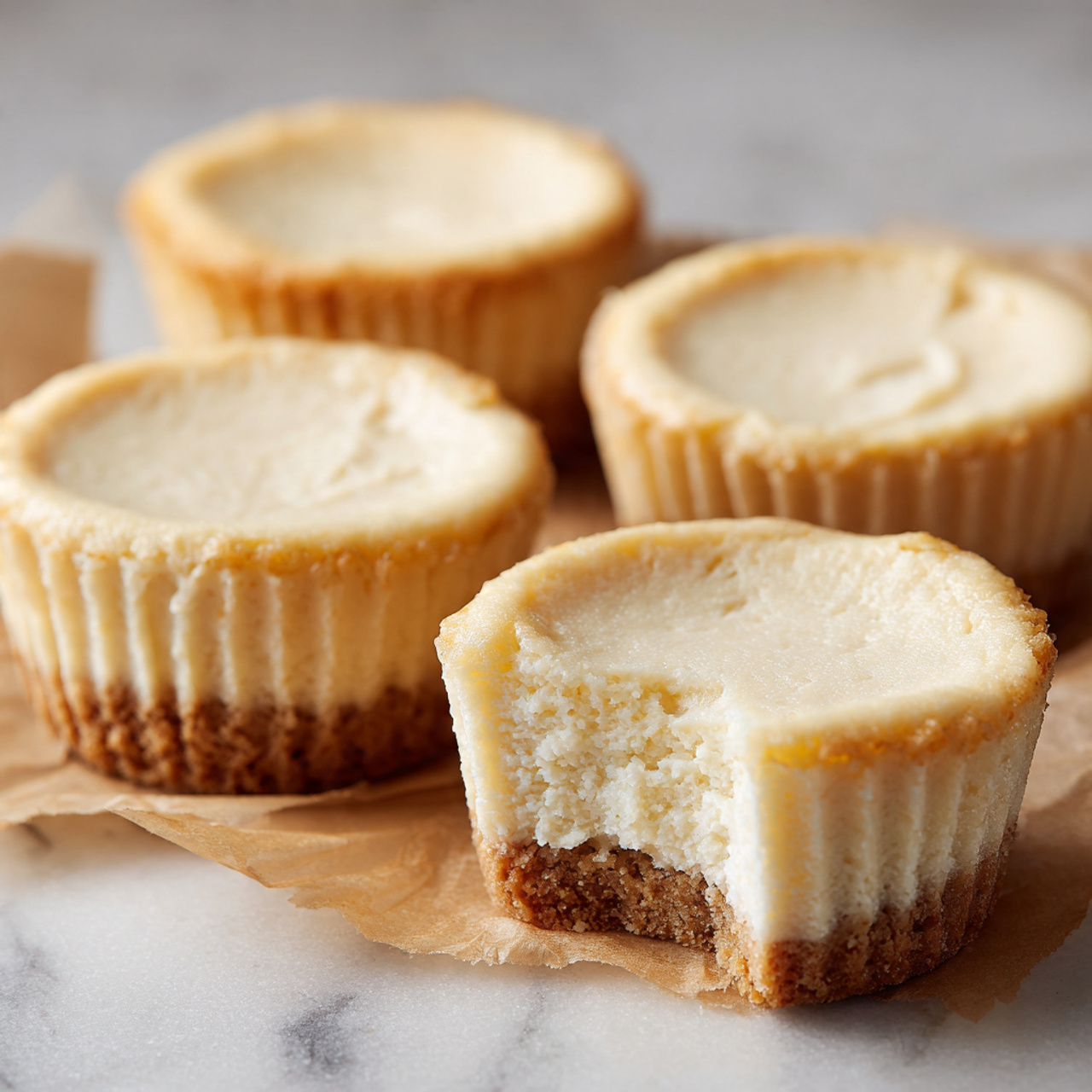
Bite into one and the contrast hits you immediately — a crisp, buttery biscuit base giving way to a filling that is dense and silky in the best possible way, lightly tangy with vanilla woven quietly through every bite. They’re indulgent without ever tipping into heavy. The smell coming out of the oven is exactly the kind that pulls people into the kitchen before the timer goes off.
These mini cheesecakes are just as comfortable on a Tuesday night dessert plate as they are lined up on a tray at a birthday party, holiday table, or potluck spread. They’re a natural fit for anyone looking for an easy cheesecake recipe that holds up beautifully when made ahead. Serve them plain and cold for a bite-sized cheesecake experience that speaks for itself, or dress them up with fresh fruit and a drizzle of caramel for something genuinely showstopping. Either way, this one earns a permanent place in your recipe rotation.
Why You’ll Love This Recipe
No Water Bath, No Stress
The biggest barrier to baking cheesecake at home is the water bath — the fussy, leak-prone step that most full-size recipes insist on. These skip it completely. Because of their small size, the filling bakes through gently and evenly on its own, giving you that smooth, creamy result without any extra setup or anxiety.
That Perfect Silky Texture
Every bite is dense and satiny — the kind of texture that holds its shape when you peel back the liner, then melts the moment it hits your tongue. Full-fat cream cheese does all the heavy lifting here, and using the right kind makes a noticeable difference. Once chilled, these have exactly the texture you’d hope to find at a good bakery.
Real Results with Minimal Effort
Prep takes about 15 minutes, and the oven handles the next 20. After that, the fridge does the rest while you go about your evening. The hands-on time is genuinely low, and the finished result looks and tastes like it required much more of you than it actually did.
Already Portioned, Easy for Any Size Crowd
Individual sizing means no slicing, no crumbling on the serving spoon, and no arguments over who got the bigger piece. Whether you’re making these for two people or twenty, the recipe scales simply and each mini cheesecake comes out looking deliberate and polished.
A Classic You Can Make Your Own
The base recipe is beautifully simple, which makes it an ideal canvas for anything you want to add. Lemon zest, fruit compote baked right into the filling, a swirl of jam — each option transforms the same four ingredients into something that feels entirely new and personal.
Ingredients
For the Crust
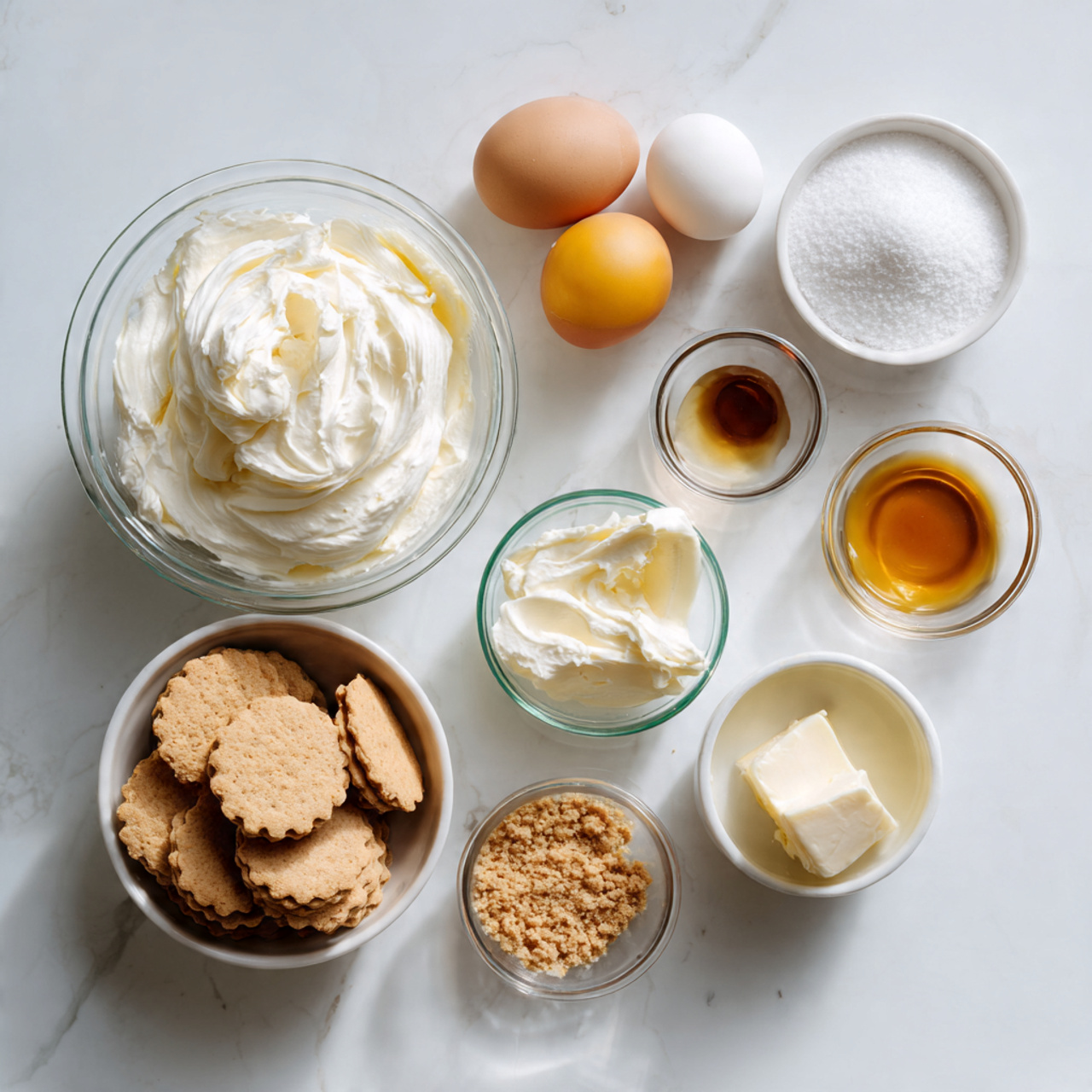
- ½ cup crushed biscuits (digestive biscuits or graham crackers work equally well)
- 3 tablespoons unsalted butter, melted
For the Cheesecake Filling
- 200g (7 oz) full-fat cream cheese, softened to room temperature
- ½ cup granulated sugar
- 2 large eggs, at room temperature
- 1 teaspoon pure vanilla extract (not imitation — the real thing makes a noticeable difference in the finished flavor)
The buttery, lightly crisp crust anchors the tangy richness of the cream cheese filling in a way that feels complete and balanced from the very first bite. Four simple filling ingredients are all you need here — no sour cream, no heavy cream, nothing complicated.
How to Make Mini Cheesecakes — Step-by-Step
Step 1: Preheat and Prepare Your Pan
Set the oven to 160°C (325°F) — this lower temperature is intentional and important. Cheesecakes baked at a gentle heat come out with that characteristically pale, smooth, barely golden surface rather than a puffed or browned top. Line a standard 12-cup muffin tin with paper liners, pressing each one flat so it sits flush in the cup. Don’t worry if you only fill 8 to 10 of the cups; leave the rest empty and everything will bake just fine.
Step 2: Make the Biscuit Crust
Combine the crushed biscuits and melted butter in a bowl and stir until the mixture looks like damp sand and holds together when pressed between your fingers. Spoon about 1 tablespoon into each liner and press it down firmly with the back of a spoon or the flat bottom of a small glass. You’ll catch a warm, faintly toasty smell from the butter as it bakes — that’s exactly what a flavorful crust should do.
Step 3: Mix the Cream Cheese Filling
Beat the softened cream cheese and sugar together until the mixture is completely smooth, lump-free, and a little fluffy, about 2 full minutes. Don’t worry if the cream cheese looks stubborn at the start — once it’s at room temperature it will smooth out quickly and evenly. Add the eggs one at a time, mixing gently after each one, then stir in the vanilla. The finished batter should look glossy and silky, with no foam on the surface.
Step 4: Fill and Bake
Spoon the cream cheese filling over each biscuit base, filling each liner to about three-quarters full. Give the pan a gentle tap on the counter to release any trapped air bubbles, then slide it into the oven. Bake for 18 to 20 minutes — you’re looking for the edges to be just set while the center still has a soft, gentle wobble when you nudge the tray. Don’t worry if they look slightly underdone; they firm up completely as they chill.
Step 5: Cool, Then Chill
Remove the pan from the oven and let the mini cheesecakes rest at room temperature for 30 minutes. Then transfer them to the refrigerator for at least 2 hours before serving — overnight if you have the patience. This resting time is where everything comes together: the filling firms into that dense, sliceable, deeply creamy texture that makes cheesecake worth making in the first place. The oven gives you the bake; the fridge gives you the dessert.
Perfecting This Recipe
- Use full-fat block cream cheese, not the spreadable kind from a tub. Tub cream cheese has higher moisture content and produces a filling that sets too soft.
- Both the cream cheese and the eggs should be at room temperature before you start. Cold ingredients resist blending smoothly, and the resulting texture of the baked filling shows it.
- Mix gently once the eggs go in. Overbeating at this stage whips air into the batter, and that air expands in the oven and escapes through the surface — taking your smooth top with it.
- The wobble in the center at the end of baking is correct and expected. These don’t finish setting until they’re cold.
- Press the biscuit base firmly enough that it holds together cleanly when you peel back the liner, but avoid compacting it so hard that it turns dense.
- If you can plan even a day ahead, chilling overnight gives noticeably better flavor and texture. The extra time is passive and costs nothing.
Common Mistakes to Avoid
Using cold cream cheese — This is the most common reason for lumpy batter. Cold cream cheese doesn’t break down smoothly no matter how long you run the mixer. Pull it from the fridge at least 45 minutes before you start.
Overmixing after the eggs go in — Once the eggs are added, mix just until combined. Too much mixing from this point on introduces air that rises during baking and cracks the surface as the cheesecakes cool.
Skipping or shortening the chill time — Fresh from the oven, these are still too soft and fragile to serve properly. The fridge is what sets the structure. Two hours is the minimum, and overnight is noticeably better.
Filling the liners too full — Three-quarters full is the ceiling. Filling all the way to the rim causes overflow and uneven baking. Leave that last quarter-inch of space.
Pulling them out too late — A fully set center in the oven means an overbaked cheesecake at the table. Watch for set edges with a soft wobble in the middle, and pull them right there. The fridge handles everything else.
Add Your Touch
- Swirl a teaspoon of strawberry jam, raspberry compote, or lemon curd into the top of each filled liner before baking for a fruity ribbon through the filling.
- Stir a teaspoon of fresh lemon or orange zest into the batter for a bright, citrusy version that works especially well in spring and summer.
- Swap the digestive biscuits for chocolate sandwich cookies or speculoos biscuits in the crust — each one brings a completely different personality to the base.
- Top each chilled cheesecake with a spoonful of salted caramel and a pinch of flaky sea salt just before serving.
- For a tangier, slightly creamier filling, replace 2 tablespoons of the cream cheese with full-fat sour cream.
- Fresh mango slices, blueberries, or sliced strawberries piled on top right before serving add color and freshness with almost zero extra effort.
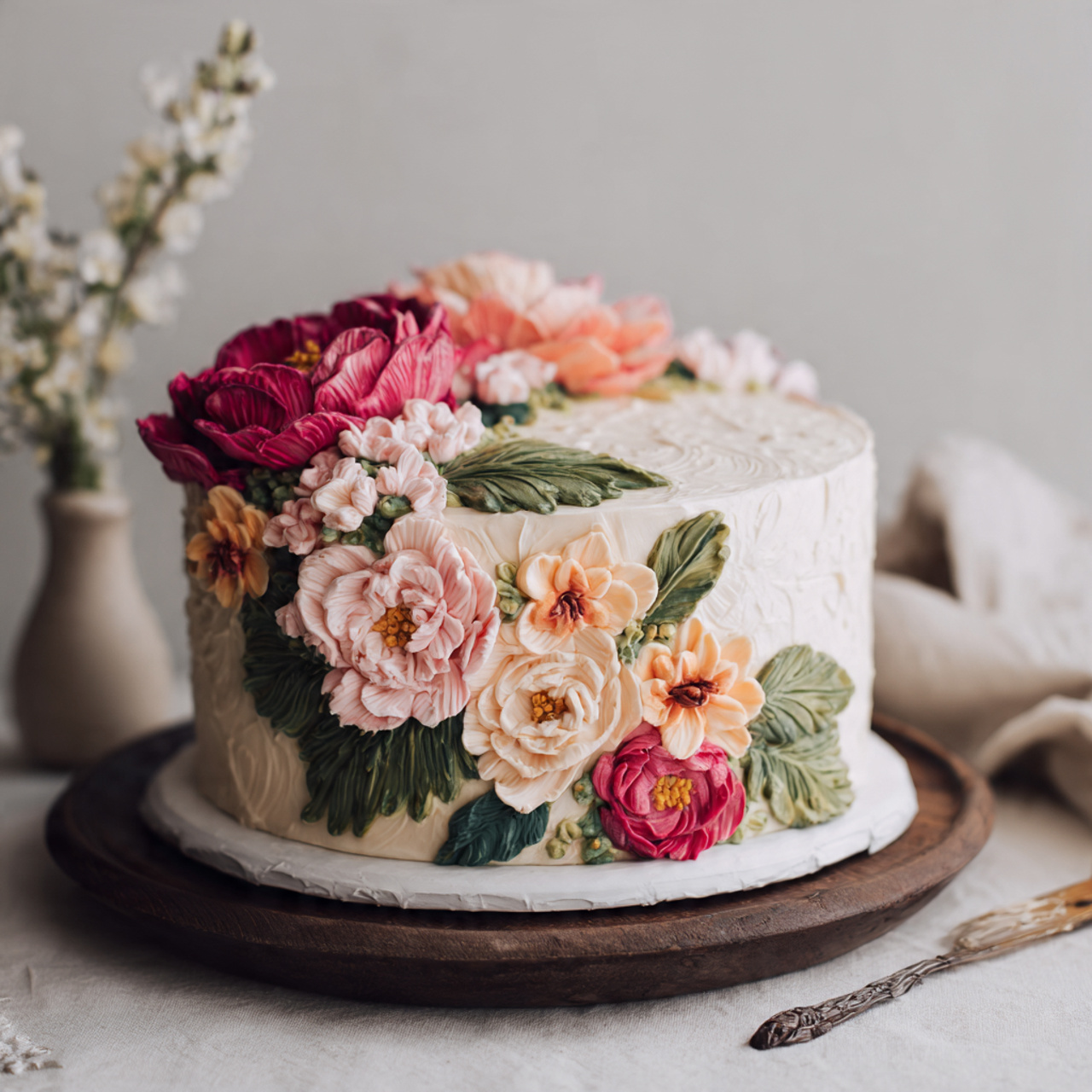
Visit Also: Flower Birthday Cake
What to Serve With This
A strong cup of coffee or a single espresso is the most natural pairing — the slight bitterness plays beautifully against the sweet, tangy filling and keeps each bite feeling fresh.
Fresh berries alongside each cheesecake add brightness and a little tartness that stops the dessert from ever feeling too heavy.
A warm fruit coulis — just simmered berries with a spoonful of sugar — spooned over the top turns these into something genuinely restaurant-quality without much extra work.
Sparkling water with lemon, or a light sparkling wine, makes these feel like a proper occasion even on an ordinary Tuesday night.
A scoop of vanilla ice cream alongside a plain, well-chilled mini cheesecake is one of those low-effort, high-reward combinations that never needs an occasion to justify it.
Storing and Serving
Fridge Keep mini cheesecakes in an airtight container in the refrigerator for up to 4 days. If stacking them, place a sheet of parchment paper between layers to protect the surfaces.
Freezer Wrap each cooled cheesecake individually in plastic wrap, then transfer to a freezer-safe bag or container. They freeze well for up to 2 months. To serve, thaw them overnight in the refrigerator — not at room temperature, as that can affect the texture.
Reheating These are best served cold or at cool room temperature. If you prefer a slightly softer texture, pull them from the fridge 10 to 15 minutes before eating. The microwave is not recommended; it changes the texture significantly.
Make-Ahead Tip This is one of the most reliable make-ahead desserts you can keep in your repertoire. Bake them up to 2 days in advance, keep them covered in the fridge, and they’ll actually taste better than they did fresh out of the oven — the flavor deepens and the texture settles perfectly with time.
Servings This recipe makes approximately 8 to 10 individual mini cheesecakes, depending on how generously you fill each liner.
Nutrition (Approximate Per Serving)
- Calories: 185
- Total Fat: 12g
- Saturated Fat: 7g
- Carbohydrates: 16g
- Sugar: 12g
- Protein: 4g
- Sodium: 130mg
Nutritional values are approximate and may vary based on specific ingredients and brands used.
Chef’s Helpful Tips
- Always use full-fat block cream cheese — not spreadable cream cheese from a tub. Block cream cheese has the right density and moisture level for a clean, firm set.
- Set a timer for 18 minutes on your first bake and check before adding more time. The difference between perfectly done and slightly overbaked is only 2 or 3 minutes in a small cheesecake.
- A small cookie scoop makes filling the liners neatly and consistently easy. A regular spoon works fine — just aim for the same amount in each cup so they bake evenly.
- If the tops crack anyway, a small spoonful of fruit or a swirl of whipped cream covers it completely and looks intentional. Nobody needs to know.
- These taste genuinely better the day after baking. If you can make them ahead, do — your future self will be glad you did.
Frequently Asked Questions
Q1. What do these taste like compared to a regular full-size cheesecake? They have the same rich, tangy, vanilla-forward flavor as a classic cheesecake, but the texture is slightly denser since there’s no water bath to add steam during baking. Think of them as the most concentrated, satisfying version of cheesecake you can make — like a New York-style cheesecake in its most honest, compact form.
Q2. Is this recipe manageable for a first-time baker? Absolutely. There’s no water bath, no complicated technique, and no special equipment beyond a muffin tin and a hand mixer. The steps are straightforward, the ingredient list is short, and even if the tops crack a little on your first attempt, they still taste exactly right. This is genuinely one of the most forgiving baked cheesecake recipes around.
Q3. Can I substitute the cream cheese with something else? Full-fat block cream cheese is strongly recommended for the right texture and that characteristic tangy flavor. In a pinch, a well-drained firm ricotta or mascarpone can work, but the result will be softer and less tangy. The classic flavor and structure really depend on the cream cheese — it’s worth getting the right one.
Q4. Can I make these ahead of time or bring them to a potluck? These are practically made for it. They’re individually portioned, travel well in a covered container, and can be made up to 2 days in advance — which takes a lot of pressure off the day of the event. Add any fresh toppings when you arrive for the cleanest presentation.
Q5. Can I freeze mini cheesecakes? Yes, they freeze beautifully. Wrap each one individually in plastic wrap and store in a freezer-safe bag for up to 2 months. Thaw overnight in the refrigerator before serving, and they’ll taste just as good as the day you made them.
Conclusion
There’s something quietly satisfying about a dessert that asks very little of you and still delivers something worth sitting down for. Mini cheesecakes sit right in that space — the kind of thing you make on a weeknight simply because you want something sweet and simple after dinner, and end up making again and again because they’re just that good. The recipe is easy enough to become a habit and polished enough to set out for company without a second thought.
Bake a batch this week and find out what all the fuss is about. Top them with berries, swirl in jam, swap the crust, or keep them completely plain and let that silky cream cheese filling speak for itself. Share them, keep them, or do both. However you serve them, these are the kind of individual cheesecakes that earn a permanent spot in your folder — and that is exactly where they belong.
Mini Cheesecake
Course: Uncategorized4
servings15
minutes20
minutes185
kcal2
hours35
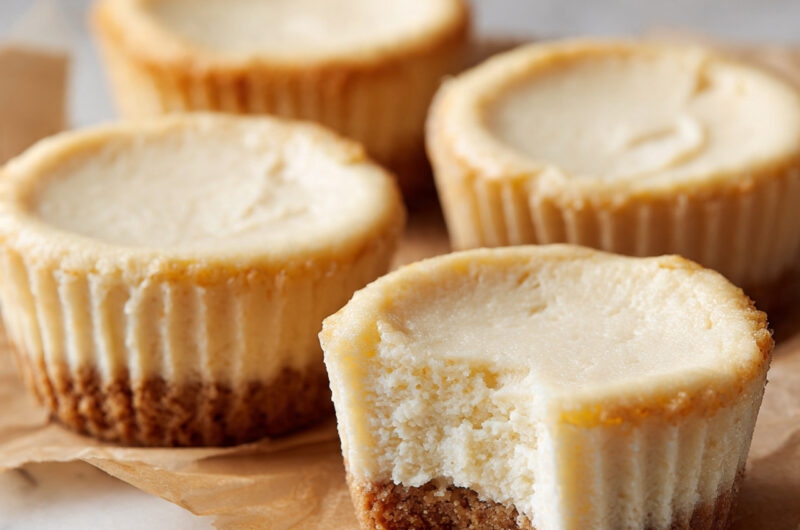
minutesRich, creamy, and perfectly portioned — these mini cheesecakes have a buttery biscuit crust and a silky vanilla cream cheese filling. They’re ideal for weeknights, parties, and every occasion in between.
Ingredients
For the Crust:
½ cup crushed biscuits (digestive biscuits or graham crackers)
3 tablespoons unsalted butter, melted
For the Cheesecake Filling:
200g (7 oz) full-fat cream cheese, softened to room temperature
½ cup granulated sugar
2 large eggs, at room temperature
1 teaspoon pure vanilla extract
Directions
- Preheat the oven to 160°C (325°F). Line a muffin tin with paper liners.
- Mix crushed biscuits with melted butter until it resembles damp sand. Press 1 tablespoon firmly into each liner.
- Beat cream cheese and sugar until completely smooth and lump-free, about 2 minutes.
- Add eggs one at a time, mixing gently after each. Stir in vanilla.
- Spoon filling over each crust, filling each liner three-quarters full.
- Bake 18–20 minutes until edges are set and centers have a slight wobble.
- Cool at room temperature 30 minutes, then refrigerate at least 2 hours before serving.