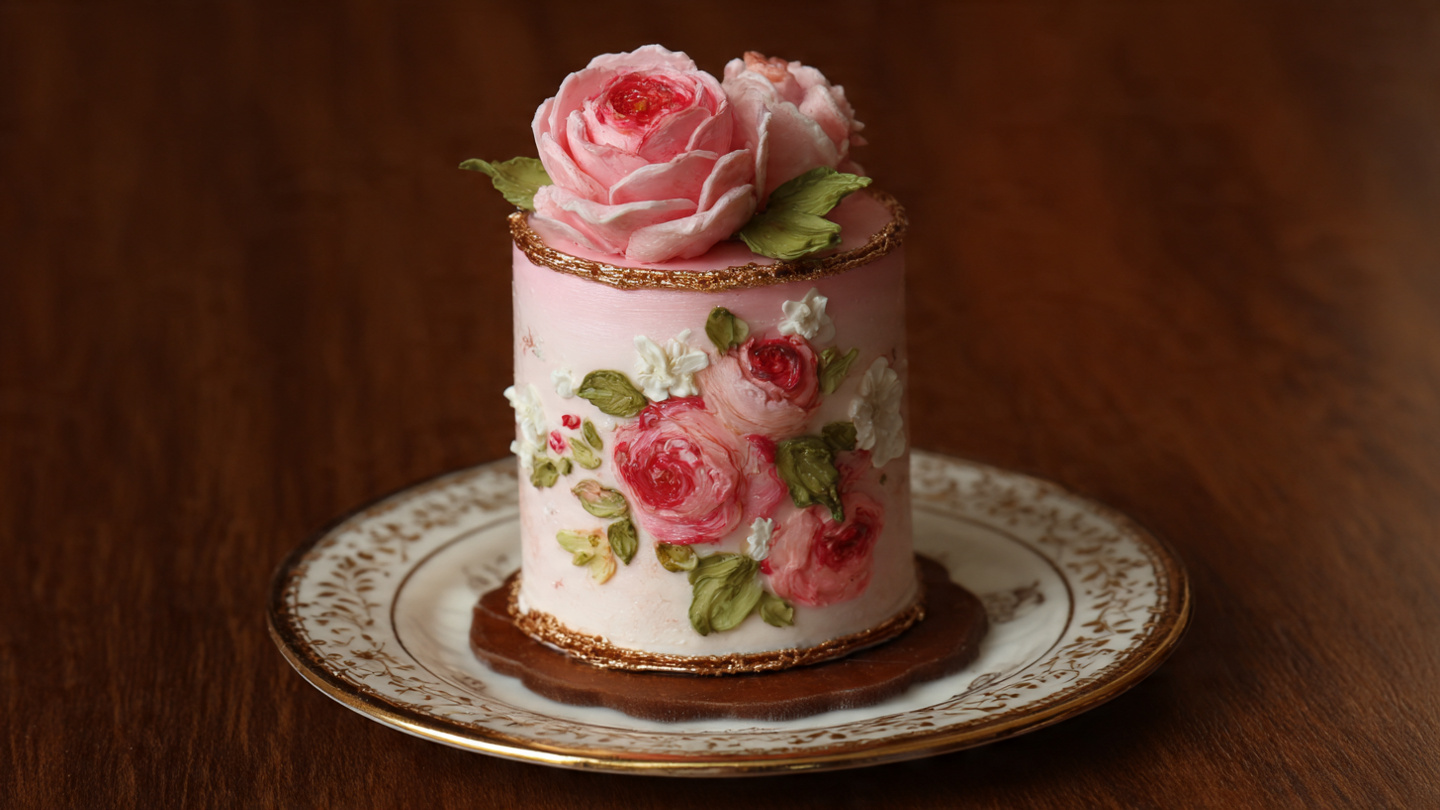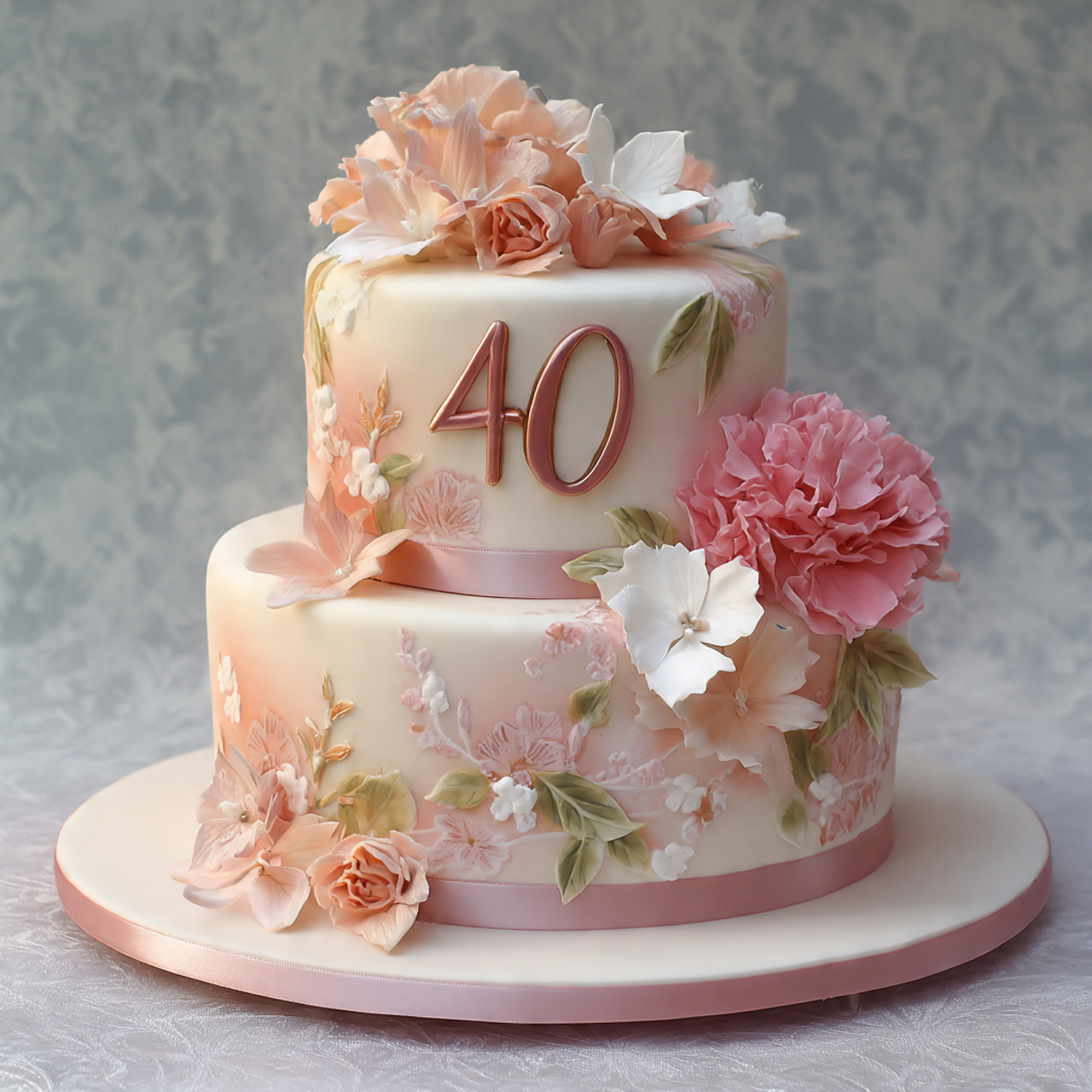
The Fluffiest One-Bowl Vegan Cake — Easy, Moist, and Perfect for Any Occasion
Vegan cakes have a reputation for coming out dense, gummy, or flat the moment eggs and butter leave the equation — and if you’ve baked one that sank in the middle or had the texture of a wet sponge, you already know the disappointment. The problem isn’t the concept; it’s the chemistry. Most recipes simply remove animal ingredients without replacing what they actually do structurally. This recipe solves that with one clever little ingredient — and once you understand why it works, you’ll never second-guess vegan baking again.
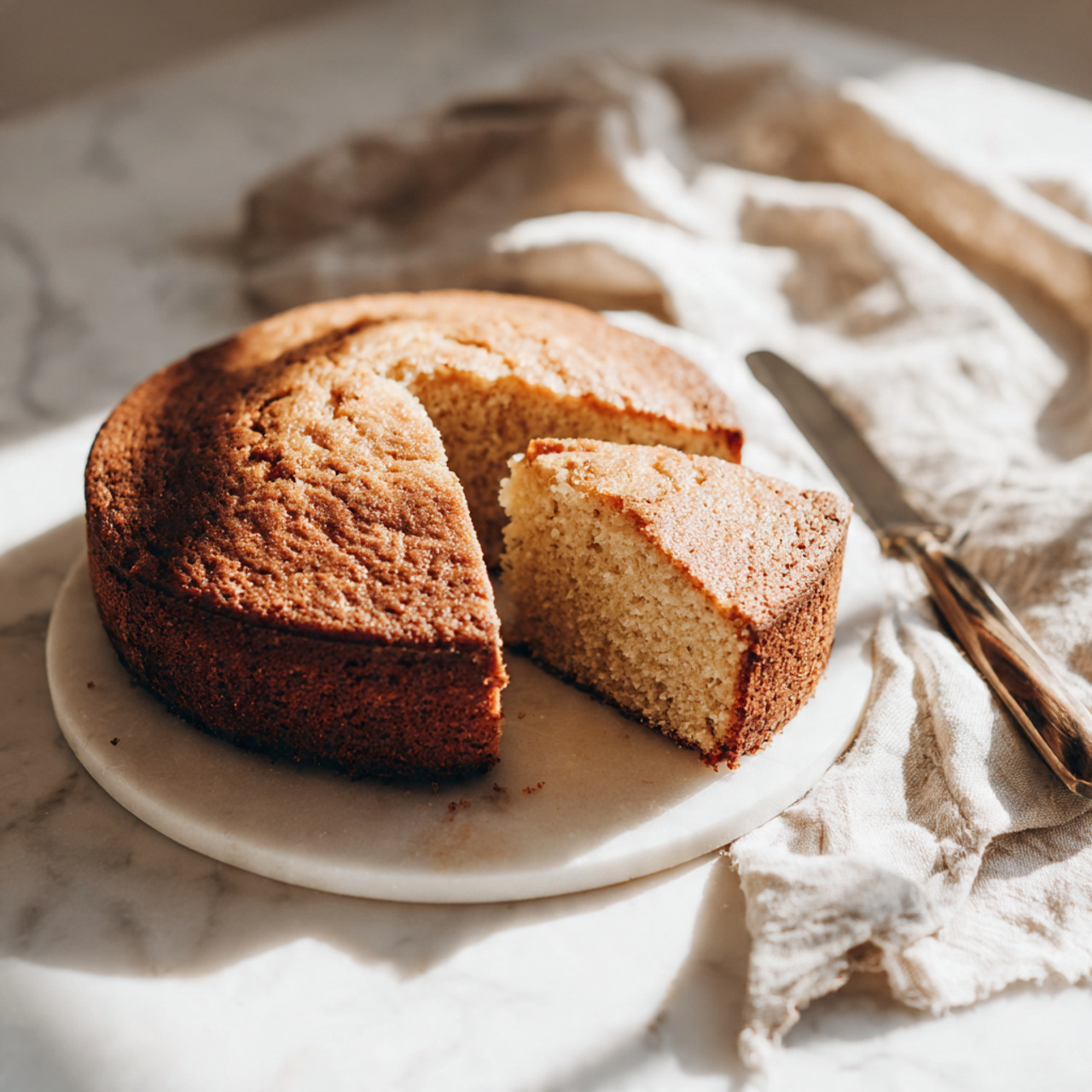
Imagine pulling a pan from the oven and finding a top that’s golden, domed just slightly, and perfectly set. When you cut into it, the crumb is fine and even, soft enough to give under the gentlest pressure without crumbling apart. The aroma is warm vanilla with a clean sweetness, and the flavor follows — gently rich, comforting, and far more satisfying than you’d expect from eight pantry ingredients and under an hour of effort.
This dairy-free cake belongs at birthday tables, Sunday afternoon tea spreads, and busy weeknight dessert cravings in equal measure. It also happens to be a natural choice as a plant-based dessert when you’re cooking for a mixed crowd, since it wins over skeptics as often as it wins over committed vegans. Let’s get into it.
Why You’ll Love This Recipe
Perfectly Moist Texture Every Time
The crumb on this cake holds its moisture from the moment it cools to the moment the last slice disappears — no dryness, no gumminess, no guessing. Neutral oil rather than butter keeps the texture consistent as the cake sits, which means day-two slices are just as good as day-one.
Everything Comes Together in One Bowl
You don’t need a stand mixer, multiple pans, or an elaborate mise en place. Whisk the dry ingredients, stir in the wet, pour, and bake. The entire hands-on process takes about ten minutes, and cleanup is as low-effort as the prep.
Made Entirely from Pantry Staples
Every ingredient on this list is something most home kitchens already have. No specialty store runs, no obscure egg replacers — just flour, sugar, oil, plant milk, and a few supporting players that deliver a genuinely impressive result.
Crowd-Pleasing at Any Occasion
Whether you’re serving vegans, vegetarians, or someone who just showed up and wants dessert, this cake works for everyone. It’s approachable enough for a casual Tuesday evening and polished enough to bring to a potluck or birthday gathering without explanation.
A Beautiful Base for Endless Variations
Keep it plain and it’s quietly wonderful. Add frosting, fold in chocolate chips, or swirl in citrus zest — the base is neutral and cooperative enough to go in almost any flavor direction you feel like taking it.
Ingredients
Dry Ingredients
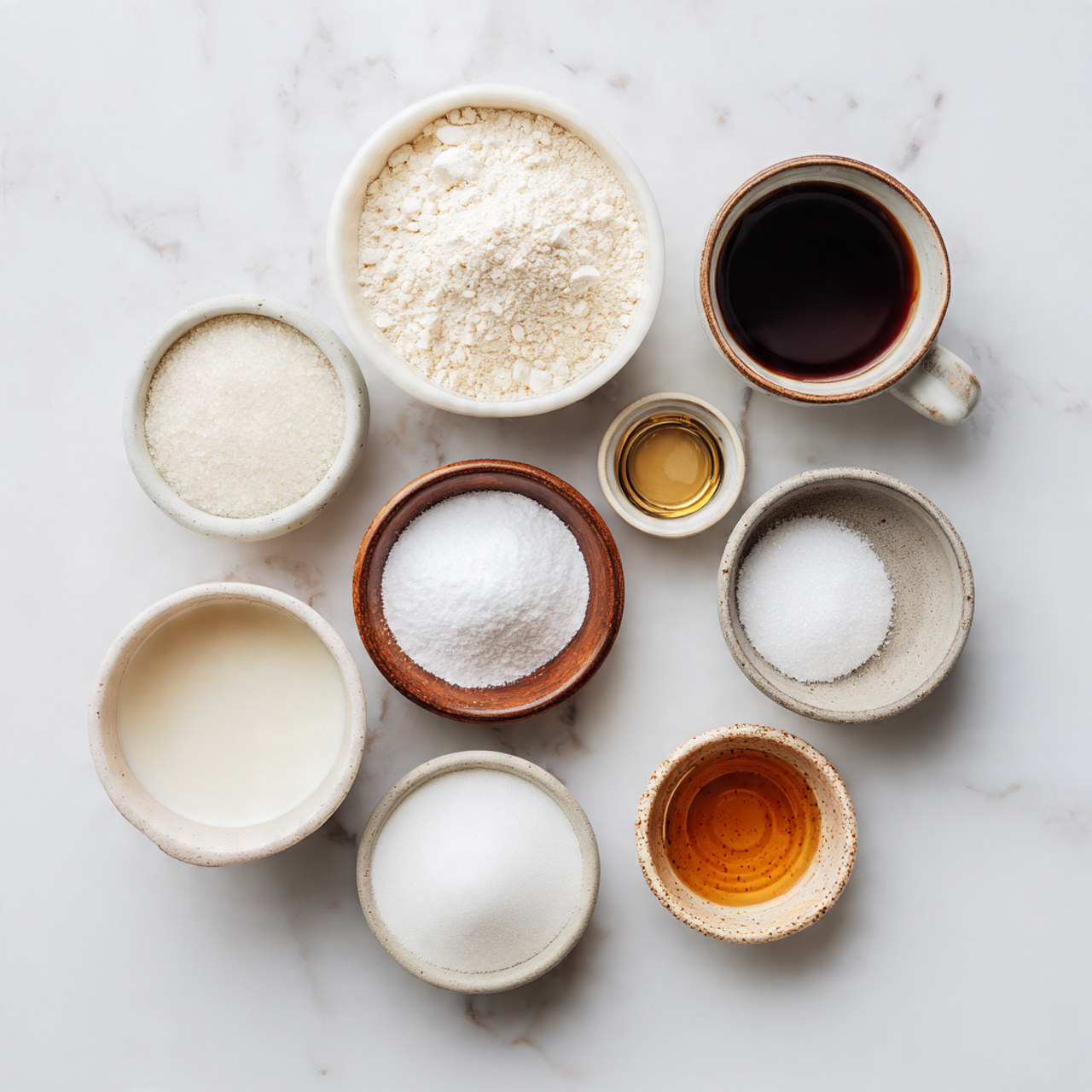
- 1½ cups all-purpose flour (spooned and leveled, not scooped directly from the bag)
- 1 cup granulated sugar
- 1 teaspoon baking soda (fresh — this is your leavening, and it has to be active)
- ½ teaspoon salt
Wet Ingredients
- 1 cup plant-based milk (almond or soy work well; use unsweetened for better control over sweetness)
- ⅓ cup vegetable oil (or any neutral-flavored oil such as sunflower or light olive oil)
- 1 tablespoon white vinegar or apple cider vinegar (this is what activates the baking soda and gives the cake its lift)
- 1 teaspoon pure vanilla extract (not imitation — the flavor difference is noticeable)
The real workhorse here is the vinegar. The moment it meets the baking soda in the batter, it creates tiny bubbles that aerate and lighten the crumb in a way that replaces exactly what eggs would otherwise provide. Don’t skip it, and don’t substitute it.
How to Make This Vegan Cake — Step by Step
Step 1: Preheat and Prepare Your Pan
Set your oven to 180°C (350°F) and give it a full 10 minutes to come up to temperature before anything goes in. Meanwhile, lightly grease an 8-inch round or square baking pan with oil and line the bottom with a sheet of parchment paper. This small step guarantees clean release and clean slices every single time — don’t worry if your parchment isn’t perfectly cut; it just needs to cover the base.
Step 2: Whisk the Dry Ingredients
Add the flour, sugar, baking soda, and salt to a large mixing bowl and whisk them together until evenly combined. You want the baking soda distributed throughout before any liquid touches it, because the moment acid hits leavening, the reaction begins. Don’t worry if the mixture looks extremely dry and powdery at this stage — that’s exactly right.
Step 3: Combine the Wet Ingredients
In a separate measuring cup or small bowl, stir together the plant milk, vegetable oil, vinegar, and vanilla extract. Give it a quick mix to start incorporating the oil. You may notice the mixture looks faintly curdled or slightly thickened where the vinegar meets the milk — that’s the acid doing its job, and it’s a good sign.
Step 4: Bring the Batter Together
Pour the wet mixture directly into the bowl of dry ingredients. Using a spatula or wooden spoon, stir slowly and gently until just combined. A few small lumps are completely fine. Don’t worry if the texture looks a little uneven; overmixing at this point is the enemy — it develops the gluten and turns a delicate crumb into something tough and dense. Stop stirring the moment you can no longer see streaks of dry flour.
Step 5: Bake Until Golden and Set
Pour the batter into your prepared pan and slide it onto the center rack of the oven. Bake for 30 to 35 minutes, until the top is set and lightly golden and a toothpick inserted into the very center comes out clean. Let the cake rest in the pan for at least 10 minutes before turning it out — cutting into it while it’s still hot tears the crumb and collapses the structure before it’s finished setting. When it finally cools, it’ll smell like a proper bakery, and it will have earned every second of that wait.
Perfecting This Recipe
- Add the vinegar to the wet mixture before combining, not directly to the dry ingredients. The reaction should happen in the batter, not in your flour bowl.
- Spoon flour into your measuring cup and level it off with a straight edge rather than scooping. Scooping packs flour and quietly adds 20–30% more than the recipe intends, leading to a dense, dry cake.
- Bring your plant milk to room temperature before mixing. Cold liquid doesn’t incorporate into oil as smoothly and can affect how evenly the batter comes together.
- Resist opening the oven door in the first 20 minutes. Heat fluctuation during the early bake can cause the center to sink before it’s had time to set.
- If you want a taller, more dramatic crumb, bake in an 8-inch pan rather than a 9-inch. The smaller pan forces the batter to rise higher and produces a slightly more defined texture.
- Cool the cake completely before adding any frosting or glaze. A warm cake will melt toppings instantly and make clean slicing nearly impossible.
Common Mistakes to Avoid
- Using old or expired baking soda — Leavening loses potency over time, and a tired baking soda means a flat, dense cake regardless of everything else you do right. Test it by dropping a small amount into hot water; if it doesn’t fizz vigorously, replace it before you start.
- Overmixing the batter — Once the wet and dry ingredients meet, stir only until the flour disappears, then put the spoon down. Overmixing develops gluten and turns a soft crumb into something closer to a chewy bread texture.
- Skipping the vinegar — It may look like a minor ingredient, but it’s doing essential structural work. Without the acid-base reaction between the vinegar and baking soda, the cake bakes up noticeably flatter and more compact.
- Baking in an unpreheated oven — Batter that goes into a slowly warming oven rises unevenly and can develop a gummy interior. Always give your oven the full preheating time before the pan goes in.
- Slicing before the cake cools — The interior of a freshly baked cake is still setting as it comes to room temperature. Cut too early and the crumb tears, the layers compress, and the texture isn’t what it should be.
Add Your Touch
- Fold in ½ cup of dairy-free chocolate chips before pouring the batter into the pan for a chocolate-studded version that never needs explaining.
- Add 1 teaspoon of ground cinnamon or cardamom to the dry ingredients for a warm spice variation that feels especially right in cooler months.
- Stir a tablespoon of lemon or orange zest into the wet ingredients for a bright, citrus-forward twist that pairs beautifully with tea.
- Replace ¼ cup of the flour with unsweetened cocoa powder for a light chocolate flavor without a full chocolate cake.
- Swirl a handful of crushed walnuts or pecans into the batter before baking for added texture and a nutty richness in every slice.
- Top with a simple two-ingredient glaze made from powdered sugar and plant milk, or go further with a swirl of vegan buttercream for a celebration-worthy finish.
Visit Also: Mini Cheesecake
What to Serve With This
A warm mug of black tea or an oat milk latte is the most natural pairing — the vanilla in the cake plays effortlessly against the earthiness of tea. Fresh berries or sliced stone fruit alongside a plain slice add brightness and keep the dessert feeling light. For birthdays or dinner parties, a scoop of dairy-free vanilla ice cream turns it into a full plated dessert moment. At brunch, a drizzle of maple syrup and a few banana slices make it feel intentional rather than impromptu. And for something a little indulgent, a generous spoonful of coconut whipped cream alongside is always a good idea.
Storing and Serving
Fridge Store leftover cake in an airtight container in the refrigerator for up to 4 days. If the cake is unfrosted, it will also keep well at room temperature, loosely covered, for up to 2 days.
Freezer Let the cake cool completely, then slice it and wrap each piece individually in plastic wrap before placing in a zip-top freezer bag. It keeps well frozen for up to 2 months without any noticeable change in texture.
Reheating Warm refrigerated or thawed slices in the microwave for 15 to 20 seconds. This brings the crumb back to a soft, fresh-baked feel without drying it out. Avoid reheating the same slice more than once.
Make-Ahead Tip This cake can be baked a full day in advance and stored wrapped at room temperature overnight. If you’re planning to frost it, hold off until the day of serving so the topping stays fresh. The flavor actually deepens slightly after the first day, making it genuinely worth planning ahead.
Servings One 8-inch pan yields approximately 8 to 10 slices, depending on how generously you cut.
Nutrition (Approximate Per Serving)
- Calories: ~200
- Total Fat: 7g
- Saturated Fat: 0.5g
- Carbohydrates: 32g
- Sugar: 19g
- Protein: 2g
- Sodium: 220mg
Nutritional values are approximate and may vary based on specific ingredients and brands used.
Chef’s Helpful Tips
- Room-temperature plant milk incorporates more evenly into oil than cold milk does. Leave it on the counter for 15 minutes before you start, and you’ll notice a smoother batter with less effort.
- Choose a light, neutral oil like sunflower or refined coconut oil rather than strong-flavored options like extra-virgin olive oil, which can compete with the vanilla and alter the finished flavor.
- For clean, picture-perfect slices, let the cake cool completely and use a sharp knife wiped clean between each cut — especially important if you’re serving guests or photographing the result.
- If you’re baking at altitude (above 3,500 feet), reduce the baking soda to ¾ teaspoon and add an extra tablespoon of plant milk to compensate for the drier air and lower air pressure.
- If the top starts browning more quickly than expected before the center is set, loosely tent a piece of aluminum foil over the pan for the last 8 to 10 minutes of baking without disturbing the oven temperature.
Frequently Asked Questions
Q1. Can I make this vegan cake ahead of time? Absolutely. Bake it the day before, wrap it tightly once cooled, and store it at room temperature overnight. The texture holds up beautifully, and the flavor actually improves slightly after resting. You’ll have one less thing to think about on the day you’re serving it.
Q2. What does this cake taste like compared to a regular cake? It’s honestly much closer to a classic vanilla sponge than most people expect. The crumb is soft and even, the flavor is gently sweet and warm, and without knowing it’s dairy-free, most people won’t be able to tell the difference. It’s one of those eggless cakes that converts skeptics quietly.
Q3. Is this recipe beginner-friendly? Very much so. There’s no mixer required, no tricky folding techniques, and no timing pressure beyond checking for doneness at the 30-minute mark. If you can measure and stir, you can make this cake — it’s genuinely one of the most forgiving plant-based bakes out there.
Q4. Can I bring this to a potluck or make it for a crowd? It’s made for exactly that. Bake it a day ahead, keep it wrapped, and bring it along unfrosted or with a simple glaze. It slices cleanly into 8 to 10 portions and holds up well at room temperature for several hours, which makes it a low-stress, crowd-friendly choice.
Q5. Can I freeze this cake? Yes, it freezes beautifully. Cool completely, slice, and wrap each piece individually in plastic wrap before placing in a freezer bag. When you’re ready, thaw slices at room temperature for about an hour, or warm them gently in the microwave for 20 seconds and they’ll taste freshly baked.
Conclusion
There’s a reason this vegan cake tends to become a regular in people’s baking rotation without them ever really planning it that way. It’s not asking much of you — one bowl, eight ingredients, under an hour — and in return it gives you something genuinely satisfying, both to make and to share. Whether you’re baking it out of curiosity the first time or pulling it out for the fourth time because someone in your family specifically requested it, the result is the same: a soft, moist cake that earns its place on any table without needing to announce that it’s dairy-free.
So make it yours. Add the lemon zest, fold in the chocolate chips, pile on the frosting, or keep it completely plain and eat it warm from the pan with a cup of tea. Bring it to the birthday, the potluck, the Sunday brunch, or just to yourself on a weeknight when you want something homemade and uncomplicated. That’s exactly what it’s here for.
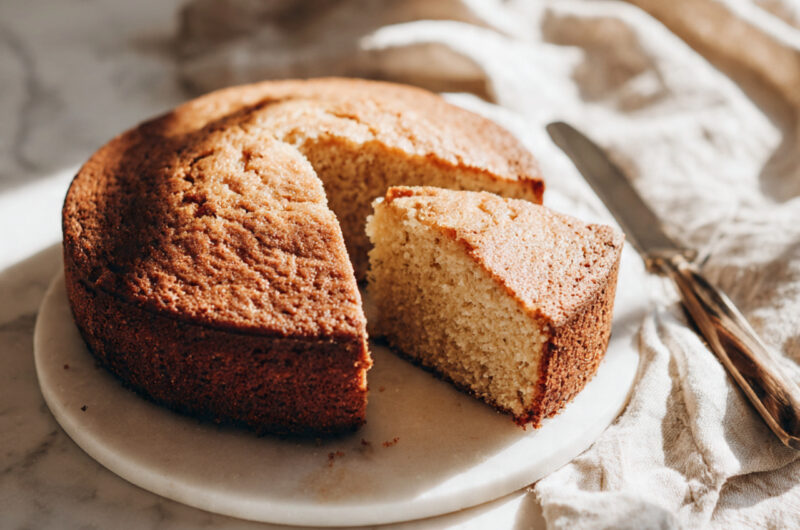
Easy One-Bowl Vegan Cake
Course: Cake4
servings10
minutes35
minutes200
kcal55
minutesSoft, moist, and gently sweet, this one-bowl vegan cake comes together with eight simple pantry ingredients in about ten minutes of hands-on time. No eggs, no dairy, and no sacrifice on texture — ideal for birthdays, afternoon tea, or any occasion a homemade cake feels right.
Ingredients
Dry Ingredients:
1½ cups all-purpose flour
1 cup granulated sugar
1 tsp baking soda
½ tsp salt
Wet Ingredients:
1 cup plant-based milk (almond or soy, unsweetened)
⅓ cup vegetable oil
1 tbsp white vinegar or apple cider vinegar
1 tsp pure vanilla extract
Directions
- Preheat oven to 180°C (350°F). Grease and line an 8-inch baking pan with parchment.
- Whisk flour, sugar, baking soda, and salt together in a large bowl.
- In a separate cup or bowl, stir together plant milk, oil, vinegar, and vanilla.
- Pour wet ingredients into dry. Stir until just combined — stop as soon as flour disappears.
- Pour batter into prepared pan. Bake 30–35 minutes, until a toothpick inserted in the center comes out clean.
- Cool in pan 10 minutes, then turn out onto a rack and cool completely before slicing.