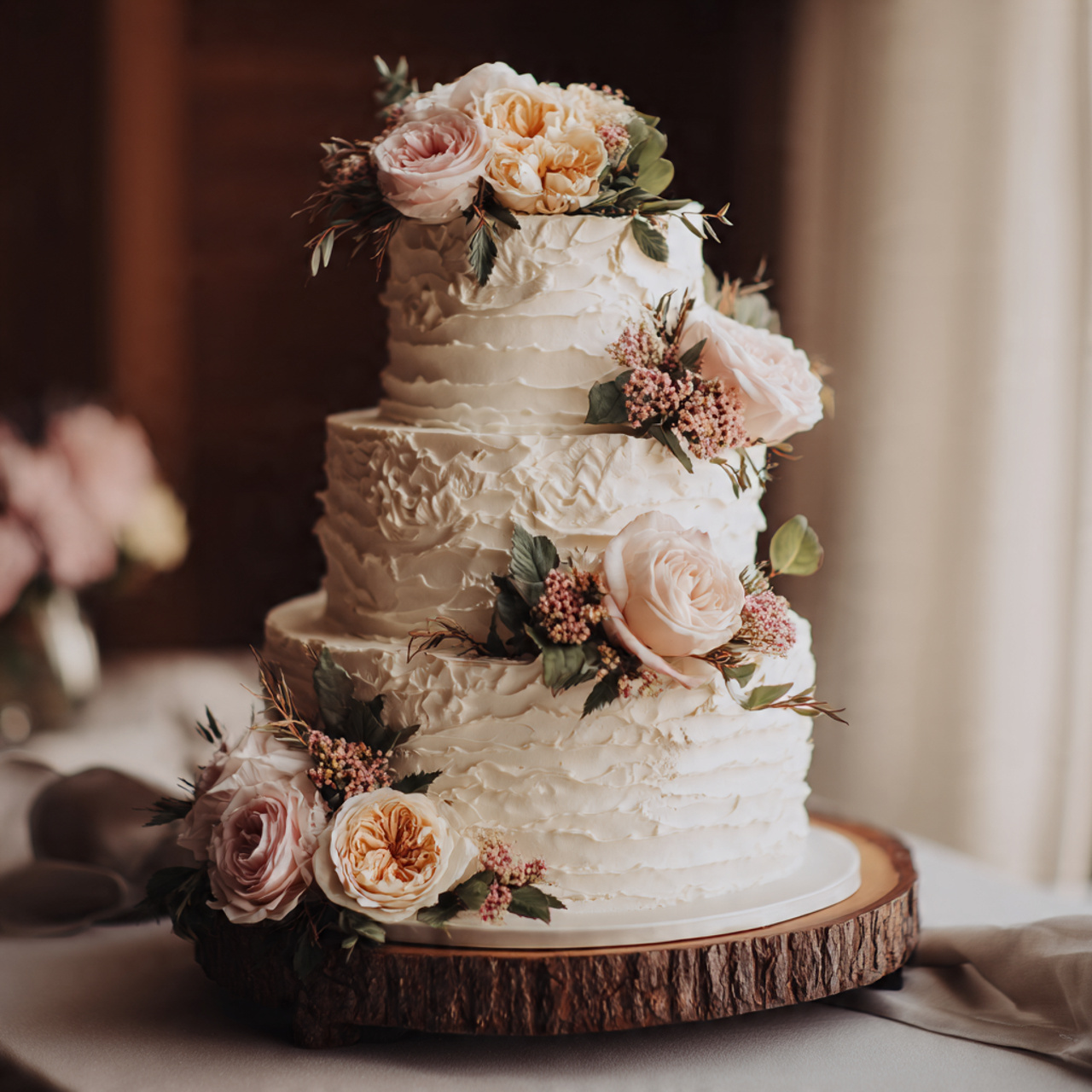
The Most Elegant Homemade Wedding Cake You Can Actually Bake Yourself
Most homemade wedding cakes come out dense, heavy, and nothing like the tender, bakery-beautiful layers you imagined. The culprit is almost always the same: cold ingredients that never properly combine, or a batter that gets overworked right when it needs to stay light. This recipe fixes both problems from the start, so what comes out of your oven is soft, even, and exactly what a celebration deserves.
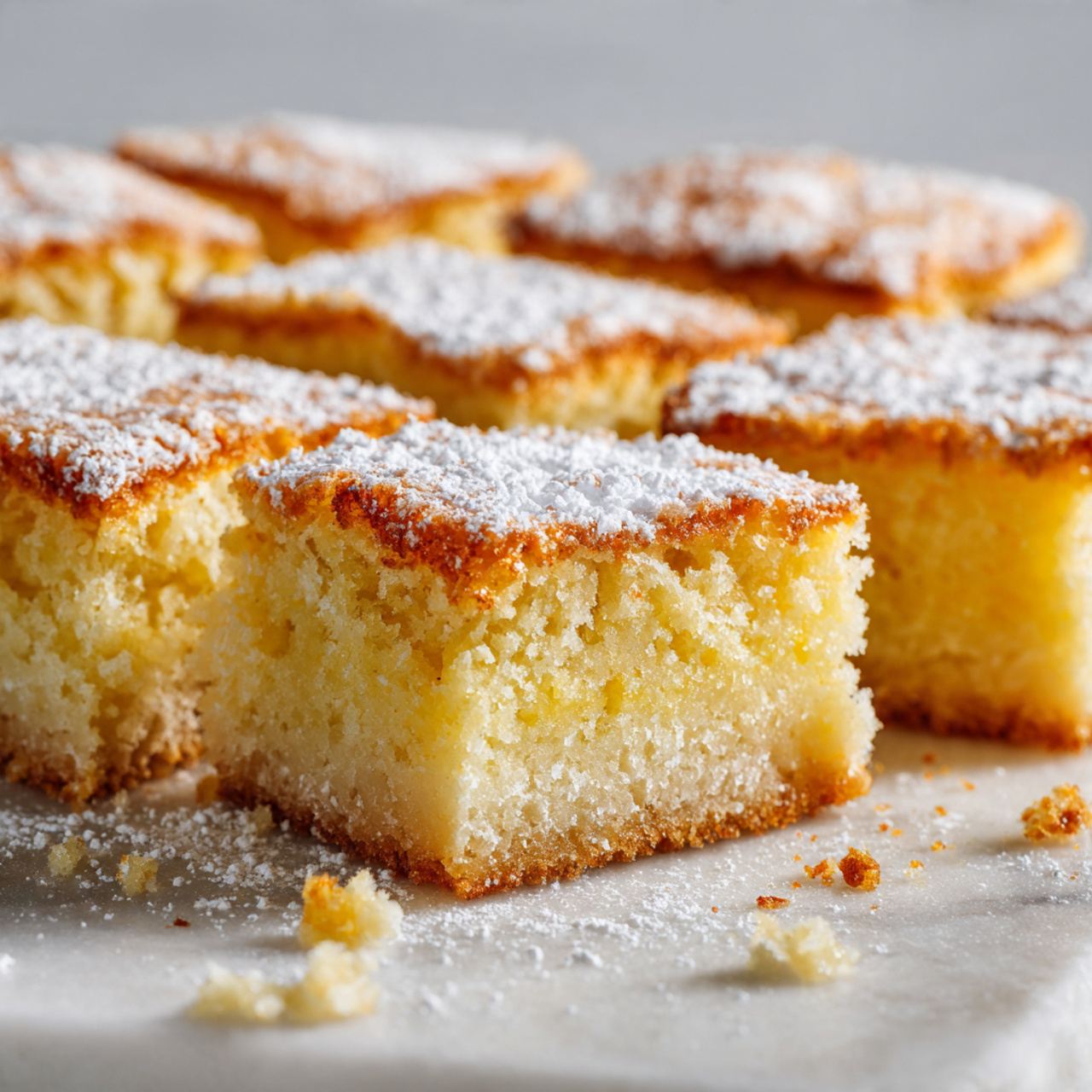
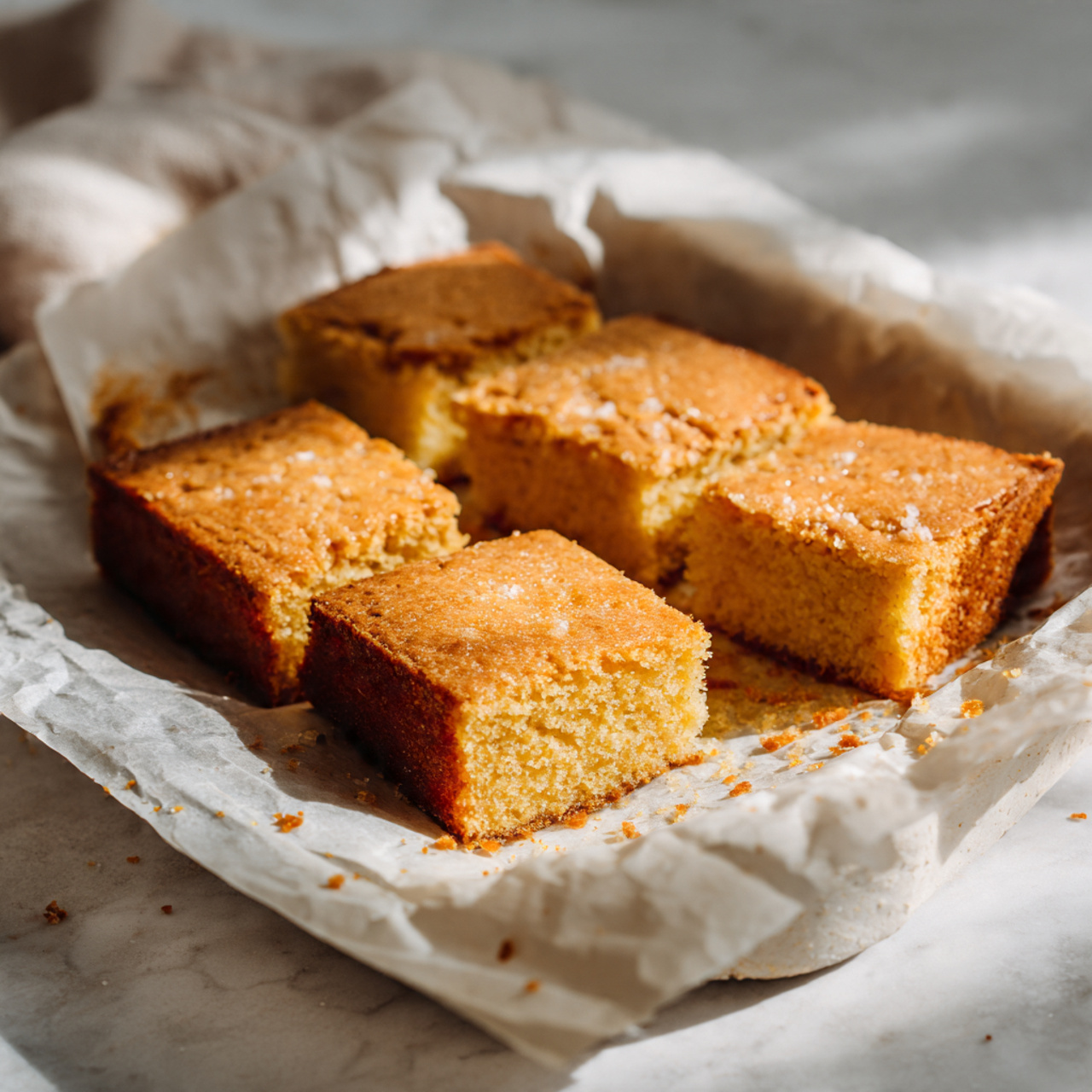
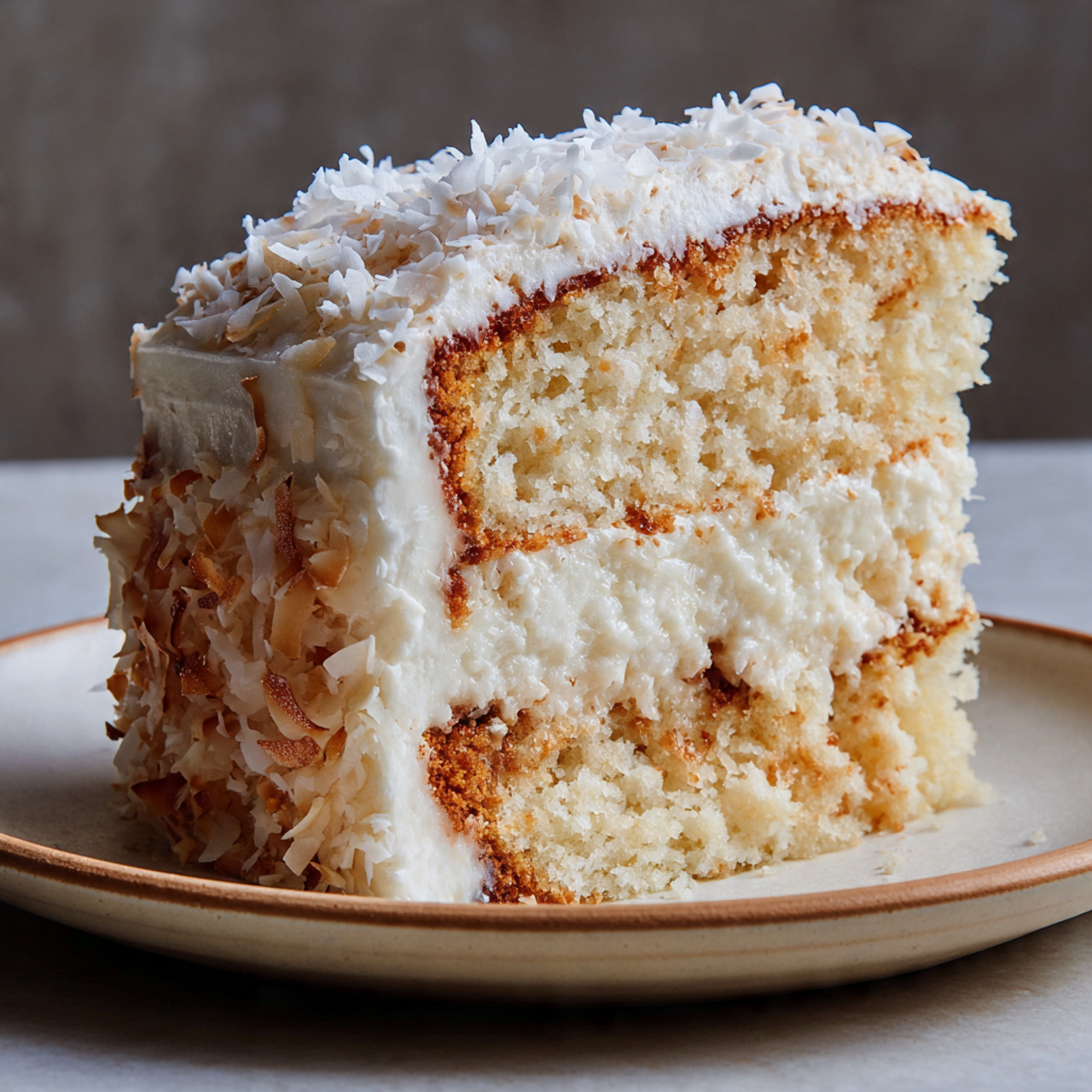
Picture cutting into a slice where the crumb is light enough to feel almost airy but sturdy enough to hold a generous layer of frosting without the whole thing sinking. The vanilla warmth rises the moment the knife goes through. The edges are just barely golden, the center pillowy and soft, and every bite carries that quiet, familiar sweetness that makes people reach for a second piece without thinking twice.
Whether you’re baking for a small backyard gathering, an intimate bridal shower, or just a weekend afternoon when you want something beautiful on the table, this easy wedding cake recipe fits the occasion without fuss. It works beautifully as a layered celebration cake for family dinners, potlucks, or holiday spreads — and it’s simple enough to make a weeknight feel like an event. Let’s walk through every step so yours turns out exactly the way you pictured it.
Why You’ll Love This Recipe
Tender, Bakery-Style Layers at Home
The crumb on this cake is impossibly soft without being fragile. Each layer holds its shape beautifully under frosting while still melting gently the moment it hits your tongue — no dense, brick-like center, no dry edges.
Perfectly Balanced Sweetness
This recipe hits that ideal sweet spot — rich enough to feel celebratory, but never cloying. The butter and vanilla work together to create a warm, familiar flavor that pleases everyone at the table, from small children to grandparents.
Simple Ingredients, Zero Stress
You won’t need a special trip to the grocery store. Every ingredient is a pantry staple, and the method is forgiving enough for first-time bakers. No stand mixer required, no complicated technique — just a bowl, a whisk, and a little patience.
Made for Sharing
This cake slices cleanly, plates beautifully, and holds up well even after a few hours on the table. It’s exactly what you want when you need something impressive that doesn’t stress you out to make.
Endlessly Customizable
Lemon zest, almond extract, fresh fruit between the layers — the base recipe welcomes nearly any flavor twist you can dream up. Make it yours every single time.
Ingredients
For the Cake Batter
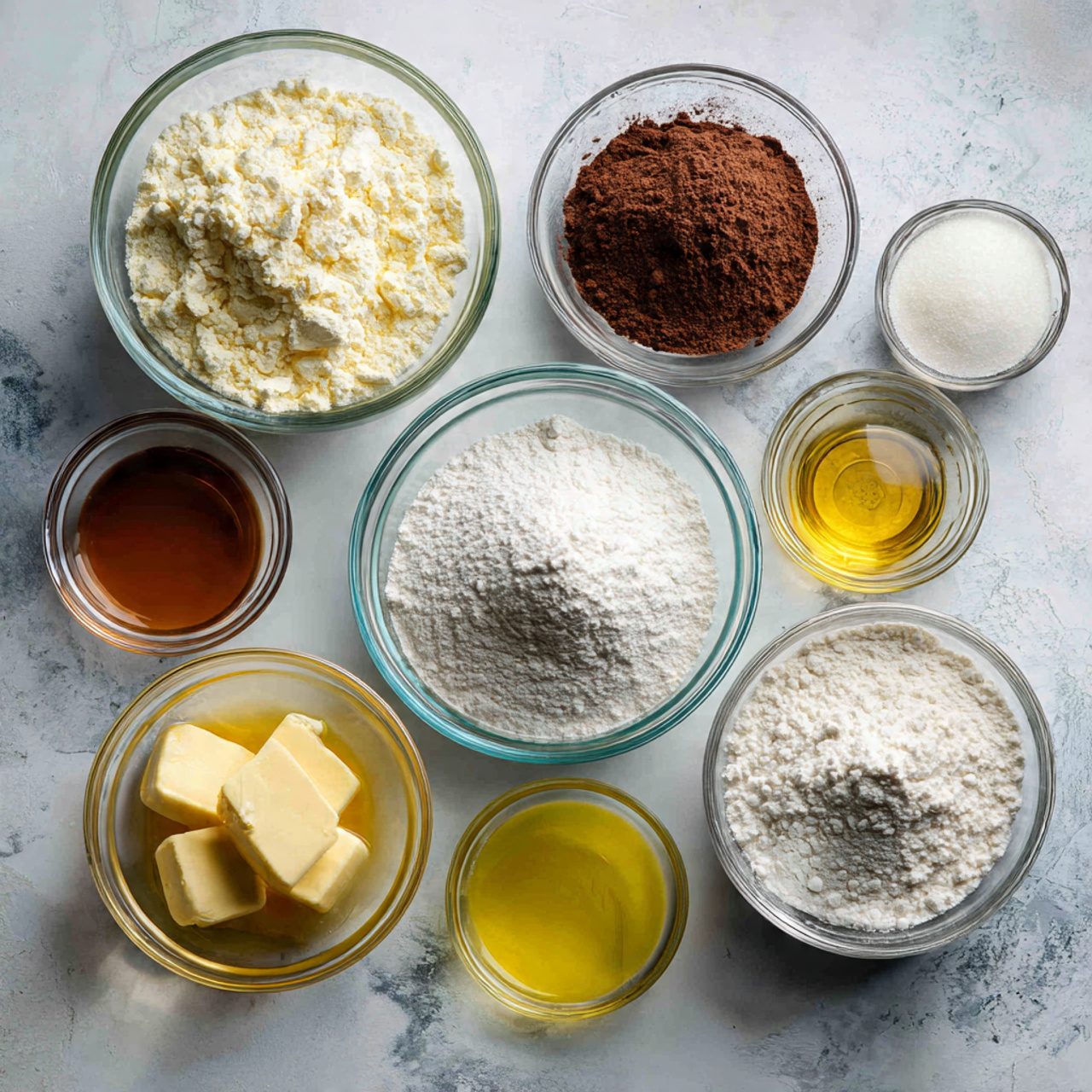
- 2 cups all-purpose flour
- 1 cup sugar
- ½ cup butter, softened (room temperature is essential — cold butter won’t cream properly)
- 3 eggs, room temperature
- 1 cup milk (whole milk gives the richest result)
- 2 tsp baking powder
- 1 tsp vanilla extract (pure, not imitation — the flavor difference is noticeable in a simple cake like this)
- ½ tsp salt
The butter and sugar do the real work here — creamed together, they create tiny air pockets that give the layers their signature lift and lightness. The vanilla ties everything into that classic, warm celebration flavor that makes this cake feel like it belongs at any table.
How to Make Wedding Cake — Step-by-Step
Step 1: Prep Your Pans and Oven
Preheat your oven to 180°C (350°F) and grease two round cake pans generously, then line the bottoms with parchment paper. In a medium bowl, whisk together the flour, baking powder, and salt until evenly distributed — you’ll notice the mixture lighten slightly as the leavening combines. Don’t worry if this step feels overly simple; even mixing is the foundation of a smooth batter.
Step 2: Cream the Butter and Sugar
In a large bowl, beat the softened butter and sugar together until the mixture is noticeably paler and fluffy in texture — this takes about 3 to 4 minutes by hand, or 2 minutes with a hand mixer. You’re not just combining ingredients here; you’re building the structure that gives the cake its lift. Don’t worry if it takes a little longer than expected — just keep going until the mixture looks almost whipped.
Step 3: Add the Eggs and Vanilla
Add the eggs one at a time, mixing well after each addition. The batter may look slightly curdled after the second egg — that’s completely normal, and it smooths out once the flour goes in. Pour in the vanilla extract and stir gently to incorporate.
Step 4: Bring the Batter Together
Alternate adding the flour mixture and the milk to your butter mixture, starting and ending with the flour — about a third of the flour, then half the milk, then repeat, finishing with the last of the flour. Stir just until the batter looks smooth and slightly fluffy; you’ll notice it shift from thick and heavy to soft and pourable. Don’t worry if there’s a stray streak of flour — one or two more gentle folds will handle it. Stop mixing the moment it looks uniform.
Step 5: Bake, Then Cool Completely
Divide the batter evenly between your prepared pans and smooth the tops with a spatula. Bake for 25 to 30 minutes, until the tops are lightly golden and a toothpick inserted into the center comes out clean. The edges will pull away slightly from the pan — that’s your clearest sign they’re done. Let the cakes cool in the pans for 10 minutes, then turn them out onto a wire rack and cool completely before assembling. Rushing this step is the number one reason frosting slides and layers shift, so give them the full time they need.
Perfecting This Recipe
- Bring butter, eggs, and milk to room temperature at least 30 minutes before you start. Cold ingredients don’t incorporate evenly, no matter how long you mix.
- Spoon flour into your measuring cup and level it off with a knife rather than scooping directly from the bag — scooping packs in extra flour and leads to a dry, heavy cake.
- Cream the butter and sugar longer than feels necessary. That pale, fluffy, almost whipped texture is what gives you a light crumb.
- Alternate wet and dry ingredients rather than adding them all at once — this keeps the batter smooth and prevents overmixing.
- Resist opening the oven before the 20-minute mark. A sudden drop in temperature can cause the center to sink before it sets.
- Let the layers cool completely — not just until they feel cool to the touch, but a full 45 minutes on the rack — before frosting.
Common Mistakes to Avoid
- Using cold butter — Cold butter won’t cream with the sugar properly, no matter how long you beat it. You’ll end up with a dense, uneven batter. Pull your butter out at least 30 minutes before you begin.
- Overmixing after adding the flour — Once the flour goes in, gluten develops quickly. Overmixing turns a tender crumb into something tough and chewy. Stop as soon as the flour disappears.
- Skipping parchment paper — Even a well-greased pan can stick in spots. Lining the bottoms ensures your layers release cleanly and arrive intact on the cooling rack.
- Frosting warm layers — Frosting a cake that hasn’t fully cooled is how you end up with melted frosting, sliding layers, and a frustrating mess. Patience here genuinely pays off.
- Scooping flour directly from the bag — This packs more flour into the cup than the recipe accounts for, which leads to a dry, crumbly texture. Always spoon and level.
Add Your Touch
- Stir a teaspoon of lemon or orange zest into the batter for a citrusy brightness that makes the cake feel extra festive.
- Add half a teaspoon of almond extract alongside the vanilla for a subtle, elegant depth.
- Spread a thin layer of raspberry jam or lemon curd between the cake layers before frosting for a colorful, flavorful surprise in every slice.
- Swap the standard frosting for freshly whipped cream and fresh berries for a lighter, summery presentation.
- Add a tablespoon of sour cream to the batter for an even more tender, bakery-soft crumb.
- For a richer, nuttier base flavor, use browned butter — just allow it to cool fully to room temperature before creaming.
Visit Also: Star Cake
What to Serve With This
- Earl Grey or chamomile tea — the gentle floral notes echo the vanilla beautifully.
- Fresh strawberries or raspberries on the side for color and a tartness that balances the sweetness.
- A small pitcher of lightly sweetened whipped cream for guests to add as they like.
- Sparkling lemonade or a light prosecco for more celebratory occasions.
- A simple fruit salad if you’re serving this as part of a brunch spread.
Storing and Serving
Fridge Wrap the frosted cake or individual slices in plastic wrap and store in an airtight container in the refrigerator for up to 3 days. The flavor actually deepens slightly by day two.
Freezer Unfrosted cake layers freeze beautifully. Wrap each layer tightly in plastic wrap, then again in foil, and freeze for up to one month. Thaw overnight in the refrigerator before assembling.
Reheating For a slightly warm slice, microwave an individual piece for 10 to 15 seconds. Avoid reheating a frosted cake whole — the frosting melts unevenly and the texture suffers.
Make-Ahead Tip Bake the layers up to one day in advance and store them wrapped at room temperature. Frost and assemble a few hours before serving for the freshest presentation.
Servings This recipe yields approximately 8 to 10 slices depending on how generously you cut.
Nutrition (Approximate Per Serving)
- Calories: ~250
- Total Fat: 10g
- Saturated Fat: 6g
- Carbohydrates: 35g
- Sugar: 18g
- Protein: 5g
- Sodium: 180mg
Nutritional values are approximate and may vary based on specific ingredients and brands used.
Chef’s Helpful Tips
- Always use pure vanilla extract, not imitation. In a cake this simple, the vanilla is front and center — quality matters.
- If your layers dome in the center, level them with a serrated knife before stacking for a flat, professional-looking finish.
- For the cleanest slices, run your knife under hot water, wipe it dry, then cut in one smooth downward motion — no sawing back and forth.
- If your frosting is too soft to spread without tearing the cake surface, refrigerate it for 15 minutes to firm up before applying.
- If the cake turns out denser than expected, it’s almost always cold butter or overmixing — both are easy to correct next time, and the dense version still tastes genuinely good.
Frequently Asked Questions
Q1. Can I make this wedding cake ahead of time? Yes, and it actually holds up beautifully when made in advance. Bake the layers the day before, wrap them well once cooled, and store at room temperature. Frost and assemble on the day you plan to serve for the best presentation and the softest texture.
Q2. Can I replace the milk with a non-dairy alternative? Oat milk or almond milk both work well here. The flavor will be subtly different, but still delicious — oat milk in particular offers a richness very close to whole dairy milk.
Q3. My cake came out dense. What went wrong? Almost certainly one of two things: the butter was too cold to cream properly, or the batter was overmixed after the flour went in. Next time, ensure your butter is genuinely soft and stop mixing the moment the flour just disappears into the batter.
Q4. Is this beginner-friendly? It really is one of the most approachable simple cake for celebrations you’ll find. The steps are straightforward, the ingredients are familiar, and the method is forgiving. If you can stir and pour, you can make this cake beautifully.
Q5. Can I freeze the finished cake? It’s best to freeze the layers before frosting. Wrap each one separately and freeze for up to one month. When you’re ready, thaw overnight in the refrigerator, then frost and assemble as usual.
Conclusion
There’s something quietly meaningful about baking a wedding cake at home — not because it’s elaborate, but because it’s made with intention. This recipe proves you don’t need a professional kitchen or a pastry certificate to produce something genuinely beautiful and delicious. Whether it ends up at the center of a celebration table or simply brightens an ordinary evening, a homemade wedding cake made from scratch carries a warmth that nothing from a box or a bakery can replicate.
So bake it for someone you love, or just for yourself on a day that needs a little sweetness. Adjust the frosting, layer in some fruit, dust it with powdered sugar and call it done — make it entirely your own. However it turns out, it will be exactly right.Once you try it, it might become one of those recipes you keep coming back to whenever you want something warm and comforting.
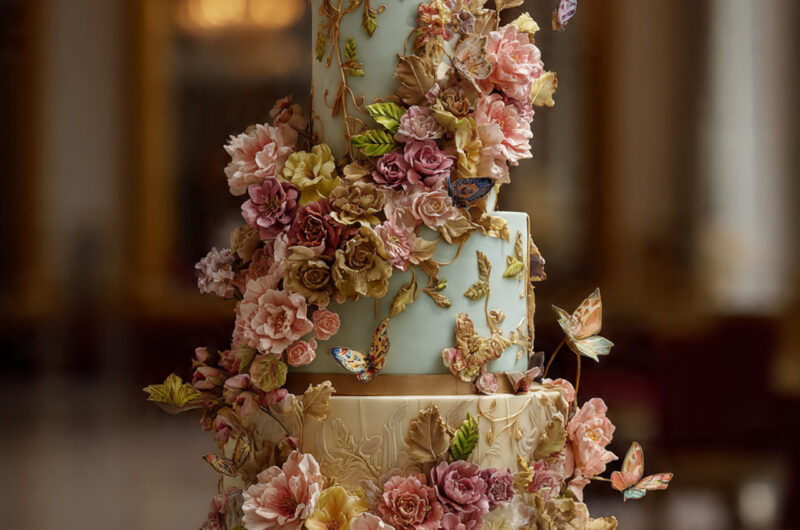
Homemade Wedding Cake
Course: Trending Cake4
servings15
minutes30
minutes250
kcal1
hour5
minutesA soft, tender layered cake with warm vanilla flavor and a light, elegant crumb — perfect for celebrations, intimate gatherings, or any occasion that deserves something a little special.
Ingredients
Cake Batter:
2 cups all-purpose flour
1 cup sugar
½ cup butter, softened
3 eggs
1 cup milk
2 tsp baking powder
1 tsp vanilla extract
½ tsp salt
Directions
- Preheat oven to 180°C (350°F). Grease two round cake pans and line bottoms with parchment paper.
- Whisk flour, baking powder, and salt together in a medium bowl. Set aside.
- Beat softened butter and sugar until pale and fluffy, about 3–4 minutes.
- Add eggs one at a time, mixing well after each. Stir in vanilla extract.
- Alternate adding flour mixture and milk, beginning and ending with flour. Mix just until smooth — do not overmix.
- Divide batter evenly between pans. Bake 25–30 minutes until tops are lightly golden and a toothpick comes out clean.
- Cool in pans 10 minutes, then turn onto a wire rack. Cool completely before frosting and stacking.