Soft and Fluffy Cake Cookies That Feel Like a Warm Hug Every Single Time
Cookies that spread into flat, greasy puddles or come out rock-hard within an hour of cooling are one of the most common baking frustrations — and nine times out of ten, the problem comes down to too much flour, over-creamed butter, or an oven that wasn’t ready. These cake cookies fix all of that, with a method that’s as forgiving as it is reliable, giving you a soft, puffed, tender result every single time you bake them.
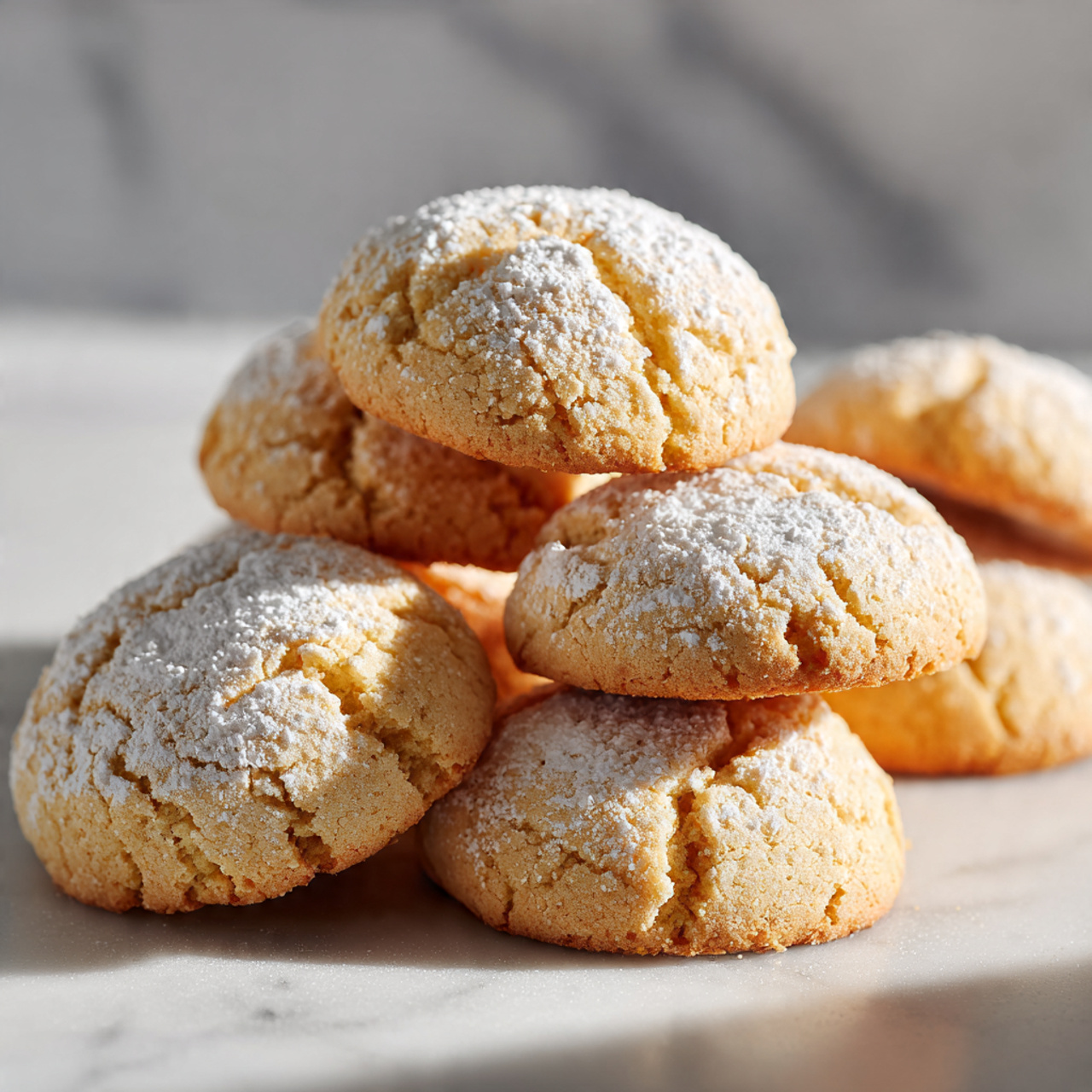
Picture pulling the tray out of the oven — the tops are crackled and dusted white, the edges just barely golden, and the centers still yielding when you press them gently. They smell of warm vanilla and sweet butter, the kind of scent that brings everyone drifting into the kitchen without being called. That first bite has a feather-light give, almost like holding a little pillow of cake in cookie form, and the powdered sugar coating melts the moment it hits your tongue.
These homemade cookies are exactly the kind of easy baking recipe that fits into real life — a quick after-school snack, a thoughtful batch to bring to a potluck, a cozy weekend project with the kids, or a last-minute dessert when company drops in unexpectedly. They pair with everything from chai to cold milk, and they’re just as good on day three as they are straight off the cooling rack. Whether you’ve been baking for years or you’re just getting started, this one earns a permanent place in the recipe folder.
Why You’ll Love This Recipe
They Nail That Soft, Pillowy Texture Every Time
The whole appeal of cake cookies is that tender, almost cloud-like bite — and this recipe delivers it consistently. Unlike regular cookies that can turn crispy or cakey depending on the day, these come out light and springy every time, staying soft for days when stored properly.
Everything You Need Is Already in Your Kitchen
No specialty ingredients, no last-minute trips to the store. Flour, sugar, butter, eggs, milk, vanilla — the full list is made up of basic pantry staples you almost certainly already have, which makes this one of the most practical easy cookie recipes you’ll ever save.
Genuinely Beginner-Friendly Baking
There are no delicate techniques here, no candy thermometers, no complicated timing. If you can cream butter and scoop dough, you can make these. They’re a wonderful starting point for anyone new to baking from scratch, and a satisfying go-to for experienced bakers who just want something reliable and uncomplicated.
Endlessly Customizable
The base dough is a blank canvas that takes to flavor variations beautifully — lemon zest, chocolate, cinnamon, almond extract, mix-ins of any kind. Start with the original and then make it your own every time after that.
They Travel and Share Beautifully
These fluffy cookies hold their shape, stack neatly, and stay soft without needing special packaging. That makes them perfect for lunchboxes, gift bags, dessert platters, or simply passing around the table at a family dinner.
Ingredients
For the Cookie Dough
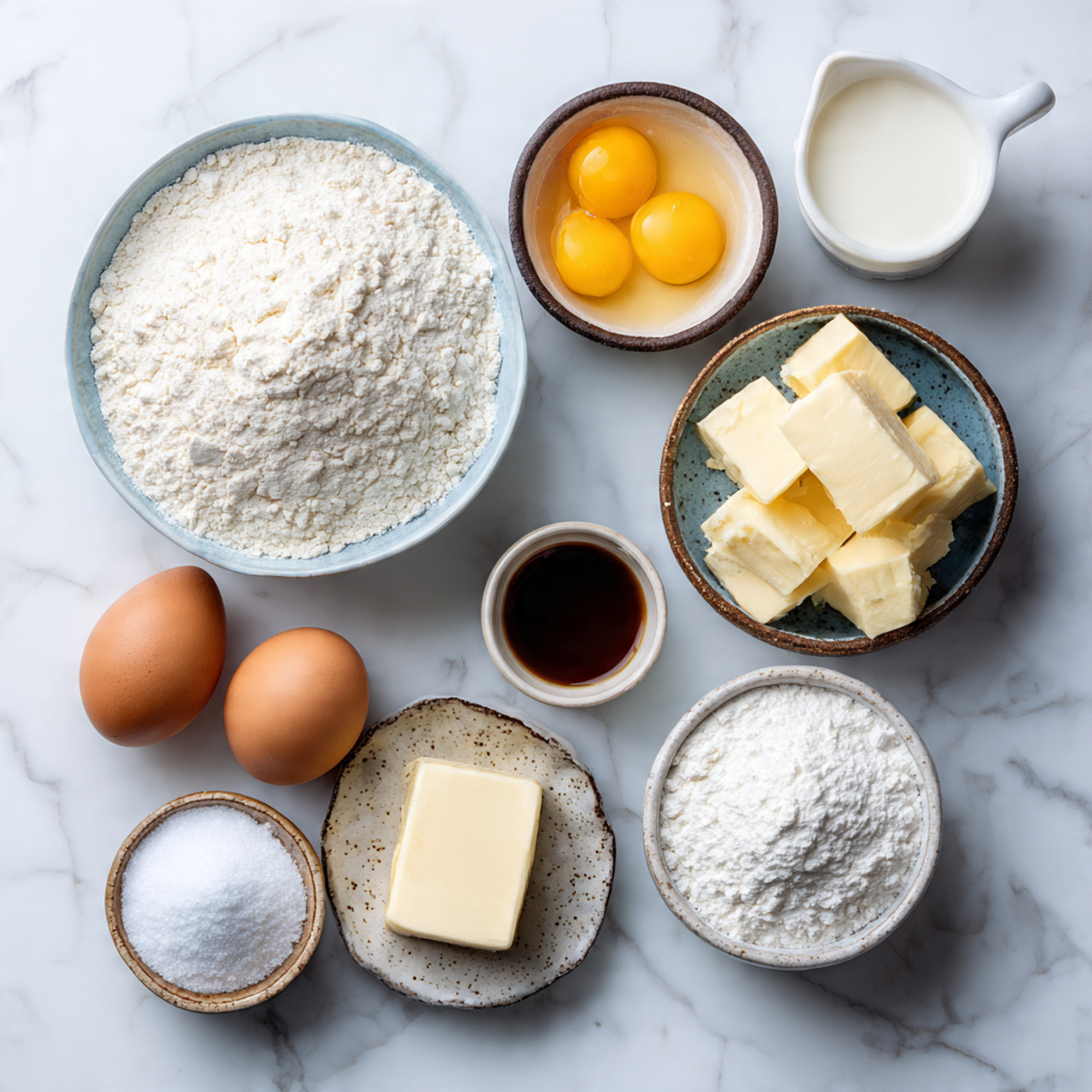
- 2 cups all-purpose flour
- 1 cup sugar
- ½ cup butter (softened to room temperature)
- 2 eggs (large, at room temperature)
- 1 tsp vanilla extract (pure, not imitation)
- 1 tsp baking powder
- ¼ tsp salt
- ¼ cup milk (whole or 2% for best texture)
For the Coating
- ½ cup powdered sugar
The softened butter and room-temperature eggs emulsify into a smooth, airy batter that bakes up tender rather than dense. The baking powder gives each cookie its signature lift, and the powdered sugar coating melts slightly against the heat of the oven, leaving behind that beautiful crackled crust that makes these impossible to resist.
How to Make Cake Cookies — Step-by-Step
Step 1: Prep Your Oven and Tray
Preheat your oven to 180°C (350°F) and line a baking tray with parchment paper. A fully preheated oven is non-negotiable here — it’s what causes the cookies to puff and set quickly rather than spread thin. Don’t worry if your parchment won’t lie completely flat; it will settle once the tray heats up.
Step 2: Cream the Butter and Sugar
In a large bowl, beat the softened butter and sugar together until the mixture looks pale, noticeably fluffy, and has increased slightly in volume — about 2 to 3 minutes. Add your eggs and vanilla extract and mix gently until just smooth and glossy. The mixture should look cohesive and slightly silky at this point.
Step 3: Bring the Dough Together
In a separate bowl, whisk the flour, baking powder, and salt together. Add the dry mixture into your butter mixture gradually, alternating with the milk, and stir until a soft, slightly sticky dough forms. Don’t worry if it looks a little tacky — that moisture is exactly what creates the cake-like texture you’re after. Stop mixing the moment everything is just combined; overworking the dough once the flour is in will make the cookies tough.
Step 4: Shape and Coat in Powdered Sugar
Scoop heaped tablespoons of dough, roll each portion lightly into a ball, and then roll generously through the powdered sugar until fully coated. Place them on the prepared tray with about two inches of space between each one. As the cookies bake, the coating cracks and splits in the most satisfying way, giving them that classic bakery-style look.
Step 5: Bake and Rest
Bake for 10 to 12 minutes, until the edges look set and the tops are no longer shiny — the centers will still appear slightly soft, and that’s exactly right. Don’t worry if they seem a touch underdone when you pull them out; they’ll continue firming up on the hot tray. Let them rest for 5 minutes before transferring to a wire rack to finish cooling.
Perfecting This Recipe
- Use butter that’s soft enough to leave an indent when you press it with a finger — not melted, not chilled straight from the fridge.
- Spoon flour into your measuring cup and level it off with a knife rather than scooping directly from the bag. Packing in extra flour is one of the most common reasons cookies turn out dense and dry.
- Once the flour goes in, switch to a spatula and fold gently rather than continuing to beat. Less mixing from this point forward means a lighter, more tender cookie.
- If your kitchen is warm and the dough feels very soft or sticky, chill it in the refrigerator for 10 to 15 minutes before shaping. This prevents the cookies from spreading too much in the oven.
- Rotate the tray halfway through baking, especially if your oven runs unevenly — this ensures every cookie gets an equal amount of heat and bakes to the same color.
- For the boldest crackle on top, roll each dough ball through the powdered sugar twice — right before placing on the tray and once more just before sliding into the oven.
Common Mistakes to Avoid
- Starting with cold butter: Cold butter won’t cream into a light, fluffy mixture no matter how long you beat it, and it leads to cookies that spread unevenly and bake up dense. Take the butter out at least 30 minutes before you plan to start.
- Overmixing after the flour is added: Gluten develops quickly once flour hits moisture, and the more you mix, the chewier and tougher the cookies become. Stir just until the dough comes together and put the spoon down.
- Skipping the powdered sugar coating: The coating isn’t just decorative — it creates a delicate outer crust that helps each cookie hold its round, puffed shape during baking. Skipping it results in a flatter, less appealing cookie.
- Pulling them out too late: The edges should look just set while the centers still appear slightly underdone when you open the oven door. Trust the process — they finish cooking on the hot tray during the rest period.
- Placing them too close together: Cookies that are cramped on the tray trap steam between them, leading to uneven textures and edges that stick together. Give every cookie its own space.
Add Your Touch
- Stir a teaspoon of fresh lemon or orange zest into the dough for a bright, citrusy version that pairs wonderfully with tea.
- Add a tablespoon of cocoa powder to the dry ingredients for a soft chocolate variety, and roll them in a cocoa-powdered sugar blend for a darker, richer look.
- Fold in a small handful of mini chocolate chips, dried cranberries, or chopped nuts just before shaping.
- Swap the vanilla extract for almond extract to bring in a more fragrant, slightly nutty flavor.
- Mix a pinch of cinnamon and cardamom into the powdered sugar coating for a warm, spiced finish that makes these feel especially cozy in cooler months.
- For a festive occasion, roll the dough balls in colored sanding sugar instead of powdered sugar for a sparkly, eye-catching result.
Visit Also: Homemade Cake Recipes
What to Serve With This
A warm cup of chai or mint tea is the natural companion — the warmth of the spices in the tea plays beautifully against the sweet, vanilla-forward cookie.
A scoop of vanilla or salted caramel ice cream next to a slightly warm cookie turns this simple recipe into a proper dessert moment worth plating up.
Tuck a few into lunchboxes alongside a small carton of milk for a treat that feels special without any extra effort.
Arrange them on a dessert platter with sliced seasonal fruit and a small bowl of melted chocolate for a sharing spread that looks far more impressive than the effort involved.
And of course, a cold glass of milk — because some pairings are simply timeless.
Storing and Serving
Fridge Once fully cooled, store in an airtight container in the refrigerator for up to 5 days. Layer parchment between rows if you’re stacking them to prevent any sticking.
Freezer These freeze exceptionally well. Arrange cooled cookies in a single layer in a sealed freezer bag with parchment between layers and freeze for up to 2 months. Thaw at room temperature for about 30 minutes — the texture holds up beautifully.
Reheating Warm a cookie in the microwave for 10 to 15 seconds to bring back that fresh-from-the-oven softness. Watch closely, as a few seconds past the sweet spot can make them chewy rather than tender.
Make-Ahead Tip The dough can be prepared up to 24 hours in advance, covered tightly, and refrigerated overnight. Bring it to room temperature for about 10 minutes before shaping and baking.
Servings This recipe makes approximately 20 to 24 cookies, depending on how generously you scoop each one.
Nutrition (Approximate Per Serving)
- Calories: 185
- Total Fat: 7g
- Saturated Fat: 4g
- Carbohydrates: 28g
- Sugar: 16g
- Protein: 3g
- Sodium: 95mg
Nutritional values are approximate and may vary based on specific ingredients and brands used.
Chef’s Helpful Tips
- Room temperature butter and eggs aren’t just a suggestion — they make a real difference to how smoothly everything comes together and how light the final texture turns out. Set them out while you gather your other ingredients.
- Use a small ice cream scoop or tablespoon measurer to portion the dough consistently. Evenly sized cookies bake evenly, which means no undercooked centers or overbaked edges in the same batch.
- If your cookies spread more than you’d like, the dough was likely too warm. A short chill in the fridge before shaping will bring them right back to where you want them.
- For the crispest, most defined crackle on top, roll each ball through the powdered sugar generously — a light dusting won’t give you the full visual effect that makes these cookies so appealing.
- Always let the cookies rest on the tray for at least 5 minutes before moving them. Fresh from the oven they’re delicate; after a few minutes of resting they firm up perfectly and slice clean.
Frequently Asked Questions
Q1. What makes cake cookies different from regular cookies, and why are they called that? Cake cookies get their name from that soft, pillowy, almost sponge-like texture that sets them apart from a typical crispy or chewy cookie. They’re made with a slightly more hydrated dough and a leavening agent that helps them puff up during baking rather than spread flat. The result is a cookie that genuinely feels like a small bite of cake — light, tender, and satisfying without being heavy.
Q2. Can I make these cookies ahead of time? Absolutely. You can either refrigerate the raw dough up to 24 hours in advance and bake fresh when you’re ready, or bake the full batch and store in an airtight container for up to 5 days. Both approaches work well, and the cookies stay soft and flavorful throughout.
Q3. What can I substitute for regular milk? Any plant-based milk works as a direct swap in the same quantity — oat milk, almond milk, and soy milk all produce great results. Full-fat dairy milk will give you the richest, most tender texture, but the recipe is flexible enough that whatever you have on hand will work just fine.
Q4. Are these suitable for someone who is new to baking? These are one of the most beginner-friendly baked goods you can make. The technique is straightforward, the ingredients are familiar, and there’s real room for error without ruining the batch. If this is your first time baking cookies from scratch, this is a genuinely great place to start.
Q5. Can I freeze these, and do they still taste good after thawing? Yes — they freeze beautifully. Let them cool completely first, then seal in a freezer bag with parchment paper between layers. They keep for up to 2 months and thaw at room temperature in about 30 minutes with almost no change in texture or flavor.
Conclusion
There’s a reason certain recipes earn a permanent spot in your rotation — and these cake cookies have a way of getting there fast. They’re soft without being underbaked, sweet without being cloying, and simple enough to pull off on a busy weeknight without so much as a second thought. The kind of recipe that makes the whole house smell incredible and has everyone wandering into the kitchen before you’ve even called them.
Make a batch once and you’ll understand why these are worth keeping on repeat. Share them, pack them, bring them to someone who could use a little something sweet, or keep the whole tray for yourself — however you enjoy them, they’re better with just a little warmth behind them. And whenever the mood strikes to add your own twist, go ahead. That’s what turns a good recipe into your recipe.
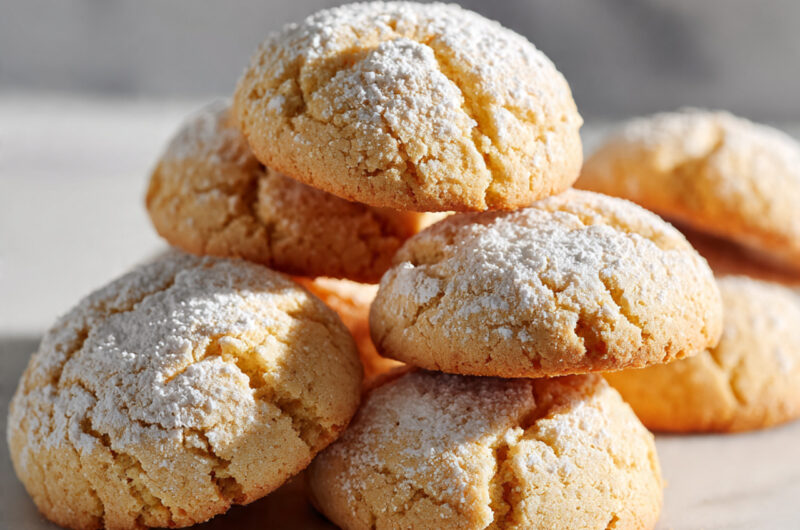
Soft and Fluffy Cake Cookies
Course: Cake4
servings15
minutes12
minutes185
kcal32
minutesLight, pillowy cookies with a crackled powdered sugar crust and a tender cake-like center — ready in just 32 minutes using basic pantry ingredients. Perfect for weeknight treats, lunchboxes, or cozy weekend baking.
Ingredients
For the Cookie Dough:
2 cups all-purpose flour
1 cup sugar
½ cup butter, softened
2 eggs
1 tsp vanilla extract
1 tsp baking powder
¼ tsp salt
¼ cup milk
For the Coating:
½ cup powdered sugar
Directions
- Preheat oven to 180°C (350°F). Line a baking tray with parchment paper.
- Beat softened butter and sugar until pale and fluffy, about 2–3 minutes. Add eggs and vanilla; mix until smooth.
- Whisk flour, baking powder, and salt in a separate bowl. Add to the butter mixture alternating with milk; stir until a soft dough just comes together. Do not overmix.
- Scoop tablespoon-sized portions, roll into balls, and coat generously in powdered sugar. Place on tray 2 inches apart.
- Bake 10–12 minutes until edges are set and tops are crackled. Centers should still look slightly soft.
- Rest on tray for 5 minutes, then transfer to a wire rack.