Crispy Golden Fish Cakes That Make Busy Weeknights Feel Special
Most fish cakes fall apart the second they hit the pan — they crumble at the edges, stick to the spatula, and turn into a sad, oily heap before they ever get that golden crust. The fix isn’t a fancy technique or a hard-to-find ingredient; it’s getting the mixture right and giving it a few quiet minutes to set. Do that, and these hold their shape and crisp up beautifully every single time.
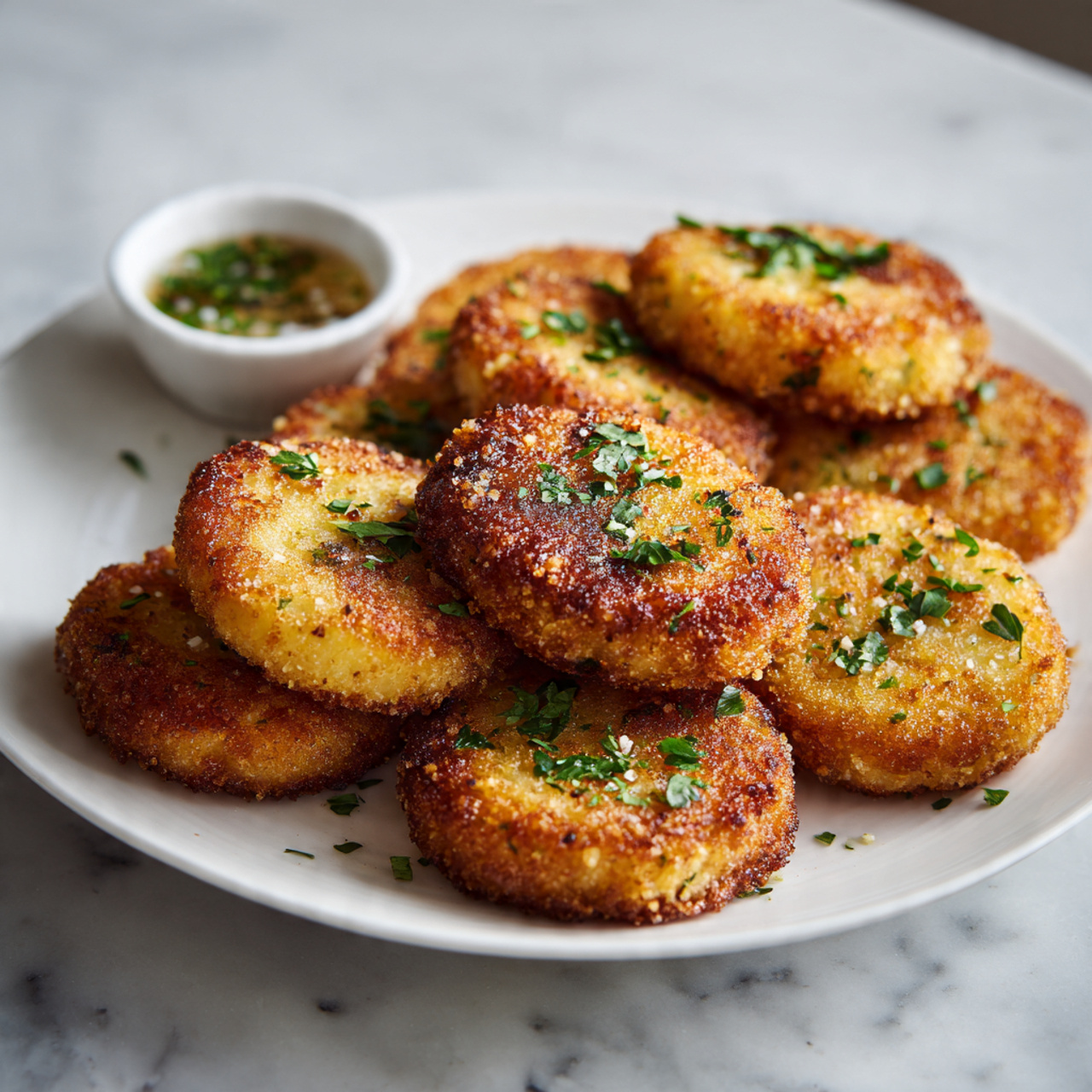
Picture biting through a crackly, deep-golden shell into a soft, steamy center that’s flaky and tender, flecked with fresh coriander and a gentle hum of garlic. The crust shatters just slightly under your fork while the inside almost melts, and the warm smell of fish sizzling in the pan drifts through the whole kitchen. Every bite is savory, comforting, and crisp at the corners — the kind of thing you sneak a second of straight from the pan before they even reach the table.
These are the patties I reach for on hectic weeknights, slow tea-time afternoons, and those evenings when someone turns up hungry with no warning. This easy fish cakes recipe is just as happy tucked into a sandwich, piled next to rice, or served plain with a spoonful of sauce on the side. Whether it’s your first batch or your fiftieth, this one’s going to earn a permanent spot in your weeknight rotation.
Why You’ll Love This Recipe
Crispy Outside, Pillowy Inside
The whole point of a great fish cake is the contrast — a shatter-crisp golden crust giving way to a soft, flaky middle. Mashed potato keeps the center tender while the pan does the crunchy work, so you get both textures in a single bite.
Big Flavor From Simple Pantry Staples
There’s nothing exotic here: fish, potato, onion, garlic, a handful of coriander. But together they taste far more than the sum of their parts — savory, fresh, and gently spiced without anything overpowering the delicate fish.
Genuinely Easy to Make
No batter to fuss over, no deep fryer, no special equipment. You boil, mash, mix, shape, and fry. If you can make mashed potatoes, you can make these homemade fish cakes with your eyes half closed.
A Crowd-Pleaser for Any Table
Kids love them, picky eaters love them, and they stretch a small amount of fish across a whole family. They’re budget-friendly, easy to double, and reliable enough to set in front of guests without a second thought.
Classic Comfort With Room to Play
This is a familiar, old-fashioned kind of dish — but it bends to whatever you’re in the mood for. A squeeze of lemon, a pinch more chili, a swap of herbs, and the same base becomes something a little new every time.
Ingredients
For the Base
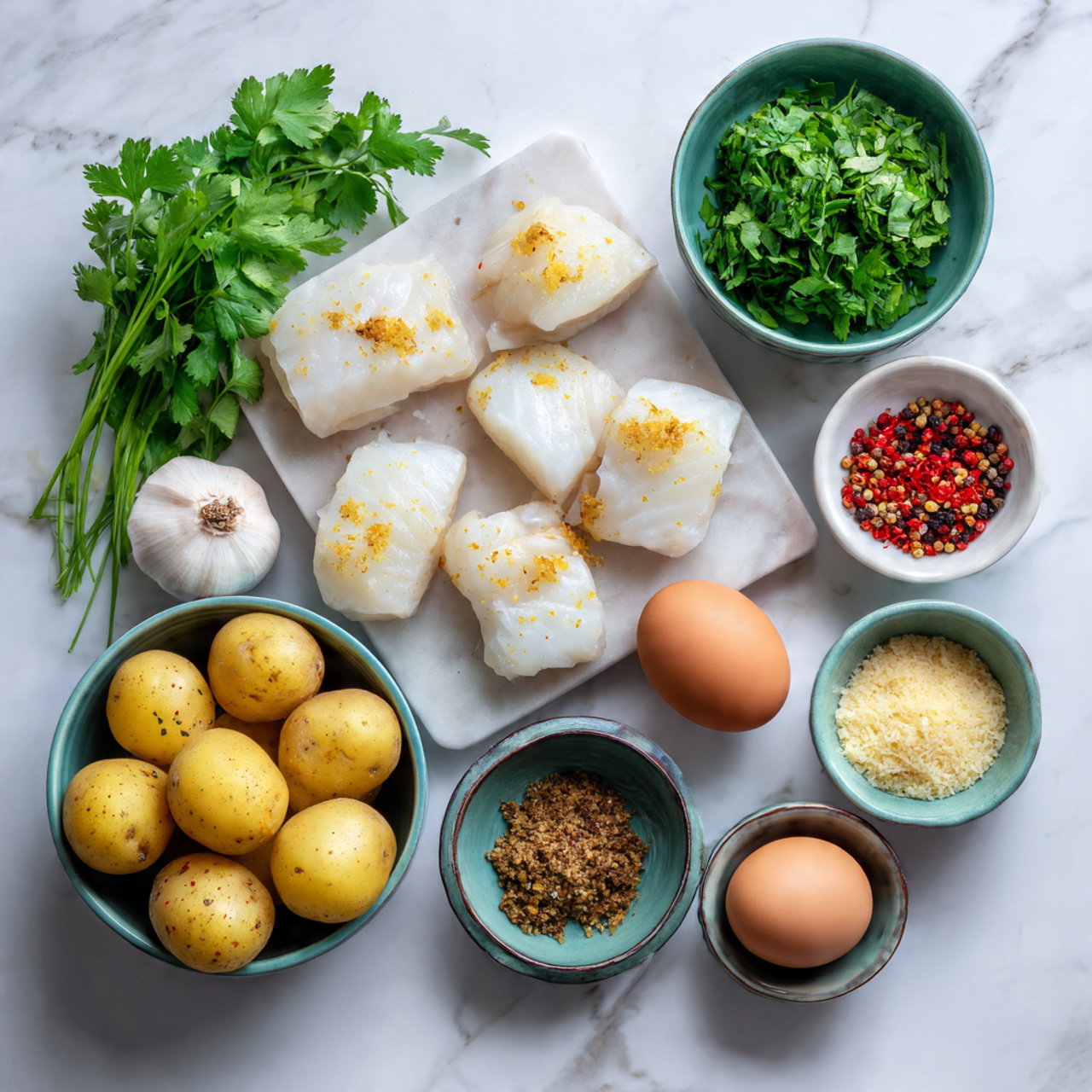
- 400g boneless white fish (cod or tilapia work best; for 2 people use 200g)
- 2 medium potatoes, boiled and mashed (starchy potatoes mash smoothest and bind better)
For Binding and Flavor
- 1 small onion, finely chopped (the finer the better, so it softens as it fries)
- 2 garlic cloves, minced (fresh, not jarred, for the brightest taste)
- 1 egg (this is the glue that holds everything together)
- ½ cup breadcrumbs (plain, or panko if you want extra crunch)
- 2 tbsp fresh coriander, chopped
- 1 tsp salt
- ½ tsp black pepper
- ½ tsp red chili flakes (optional, for a quiet bit of warmth)
For Frying
- 2–3 tbsp oil for frying (a neutral oil like sunflower or vegetable holds heat best)
The potato and egg do the binding while the fish brings the flavor, the breadcrumbs soak up extra moisture so nothing turns soggy, and the onion, garlic, and coriander keep every bite fresh instead of flat. It’s a small list that punches well above its weight.
How to Make Fish Cakes — Step-by-Step
Step 1: Cook and Flake the Fish
Gently poach or steam the white fish until it turns opaque and flakes apart with light pressure, then let it cool for a minute. Flake it into a large bowl with a fork, pulling it into soft shreds rather than mushy paste. Don’t worry if a few pieces stay chunkier than others — that texture is exactly what you want inside the finished cake.
Step 2: Mash and Combine the Base
Add the mashed potatoes, chopped onion, minced garlic, coriander, salt, pepper, and chili flakes to the flaked fish. Fold everything together until it looks evenly speckled and smells fragrant and garlicky. Mix gently here; you’re combining, not whipping, so the cakes stay light.
Step 3: Bind and Rest the Mixture
Crack in the egg and scatter over the breadcrumbs, then stir until the mixture is soft but firm enough to clump together when you press it. Let it rest for about 10 minutes so the breadcrumbs absorb moisture and everything settles. Don’t worry if it feels a little tacky right after mixing — resting firms it up and makes shaping far easier.
Step 4: Shape the Patties
Scoop out portions and press them into small round or oval cakes about an inch thick, pressing firmly so the edges stay tight and won’t split. If you’re cooking a big batch, shape them in batches rather than all at once. Slightly thinner patties cook through faster and crisp more evenly.
Step 5: Fry Until Golden
Warm the oil in a pan over medium heat — hot enough that a breadcrumb sizzles on contact, but not smoking. Lay the cakes in gently and leave them alone until the bottom is deep golden and crisp before flipping, about 3–4 minutes per side. You’ll hear a steady, happy sizzle and smell that nutty, toasted edge when they’re ready.
Step 6: Rest, Then Serve
Lift the cakes onto a plate lined with paper towel and let them rest for a couple of minutes. This short pause lets the centers set and firm up so they slice cleanly instead of falling open. Serve them warm, while that crust is still at its crispest.
Perfecting This Recipe
- Mash the potatoes completely smooth with no lumps — uneven potato is the fastest route to a patchy texture.
- Mix just until everything comes together; overmixing makes the cakes dense and pasty instead of tender.
- Always rest the mixture before shaping. Ten quiet minutes does more for binding than any extra egg.
- Get the oil temperature right: too cool and the cakes drink up oil and stay pale, too hot and they brown before the inside warms through.
- Resist flipping too soon. Let the first side build a real crust so it releases cleanly and holds together.
Common Mistakes to Avoid
- Using watery or undrained fish — Excess moisture loosens the mixture and makes cakes that crumble. Pat the fish dry after cooking before flaking it.
- Skipping the rest time — Shaping straight after mixing means a sticky, fragile mixture that splits in the pan. Those ten minutes are not optional.
- Overcrowding the pan — Packing the cakes in drops the oil temperature, so they steam instead of crisp. Fry in small batches with space between each one.
- Frying on heat that’s too high — A blazing pan burns the crust before the middle is hot. Medium heat gives you that even, golden finish.
- Flipping too early or too often — Move them once. Repeated flipping breaks the crust and is the number one reason cakes fall apart.
Add Your Touch
- Make it meatier: Fold in a little shredded cooked chicken or minced meat for a deeper, firmer bite — keep the portion small so it doesn’t bury the fish.
- Go vegetarian: Swap the fish for mashed chickpeas or grated carrot and peas, keeping the same spices for a familiar flavor.
- Switch the binder: Out of breadcrumbs? Crushed crackers or a slice of soaked, squeezed bread work just as well.
- Brighten it up: Add chopped dill or a little lemon zest for a fresh, aromatic lift.
- Spice it your way: Dial the chili flakes up for heat or leave them out entirely for a milder, kid-friendly batch.
Visit Also: Chocolate Strawberry Cake
What to Serve With This
- A crisp cucumber and tomato salad to cut through the richness
- Plain steamed rice with a cool yogurt or chili dipping sauce for a fuller meal
- Ketchup or a tangy chutney on the side for an easy tea-time snack plate
- Tucked into soft bread with lettuce and sauce for a quick, satisfying sandwich
- A wedge of lemon to squeeze over just before the first bite
Storing and Serving
Fridge Store cooked fish cakes in an airtight container in the fridge for up to 3 days. A snug container keeps them from drying out, especially with smaller batches.
Freezer Freeze cooked or uncooked patties in a single layer until firm, then transfer them to a bag or box so they don’t stick together. They keep well for up to 2 months — freeze in small packs so you can pull out just what you need.
Reheating Warm them in a dry pan over low heat or in the oven until heated through and crisp again. Skip long stints in the microwave, which softens the crust and dries the inside.
Make-Ahead Tip Mix and shape the cakes up to a day ahead, then keep them covered in the fridge until you’re ready to fry. This works for both small and large batches and turns dinner into a five-minute job later.
Servings This recipe makes about 8 small cakes, enough for 4 servings of two cakes each.
Nutrition (Approximate Per Serving)
- Calories: 220–280
- Total Fat: 10g
- Saturated Fat: 2g
- Carbohydrates: 18g
- Sugar: 2g
- Protein: 12–15g
- Sodium: 480mg
Nutritional values are approximate and may vary based on specific ingredients and brands used.
Chef’s Helpful Tips
- Let cooked fish cool before flaking so it shreds into clean pieces instead of turning to paste.
- Keep your potatoes on the drier side — overly wet mash is the main cause of soft, floppy cakes.
- For neat, even cakes, use a measuring scoop to portion the mixture before shaping.
- Quality matters with so few ingredients: fresh fish, real garlic, and fresh coriander make a noticeable difference.
- If a batch comes out too soft inside, give the next round a little more breadcrumb and an extra minute per side in the pan.
Frequently Asked Questions
Q1. Can I use canned fish instead of fresh? Absolutely — canned tuna or salmon both work beautifully here. Just drain them really well first, since extra liquid is what makes cakes fall apart, and taste before adding salt because canned fish is often seasoned already.
Q2. What do these taste like — are they similar to crab cakes? Very much so. If you love crab cakes or potato croquettes, these land in the same cozy, crispy-outside-soft-inside family, just lighter on the wallet and made with everyday white fish.
Q3. Are these beginner-friendly? They’re one of the most forgiving recipes you can start with. There’s no batter, no deep frying, and the mixture is easy to fix as you go — add breadcrumbs if it’s too soft, a splash of oil if it’s too dry.
Q4. Can I make them ahead for a potluck or party? Yes, and they’re great for it. Shape them a day in advance and keep them in the fridge, then fry just before serving so everyone gets them warm and crisp. They also hold their texture at room temperature better than most fried snacks.
Q5. Can I freeze them? Definitely. Freeze them in a single layer first so they don’t clump, then bag them up for up to two months. Cooked cakes reheat straight from frozen in the oven, and uncooked ones can be fried with just a couple of extra minutes in the pan.
Conclusion
There’s a reason simple fish cakes have stayed on family tables for generations — they’re flexible, comforting, and endlessly easy to adapt to whatever’s in your kitchen. You can keep them plain and classic or play with herbs, heat, and add-ins until they feel like your own. Once you’ve made them a couple of times, the whole thing becomes second nature: a quick, golden dinner you can pull together on the busiest of nights.
So the next time you’ve got a little fish and not much time, give these a try and see how fast they disappear. Make a double batch, stash some in the freezer, and pass the recipe along to anyone who swears they can’t fry a fish cake without it crumbling. This is the kind of dish that feels like home with every crisp, tender bite — and it only gets better the more you make it your own. on what you have in your kitchen. You can keep it simple or add your own twist depending on your mood. Once you try it, you’ll likely find yourself making it often for quick meals or cozy evenings. It’s the kind of recipe that feels like home with every bite.
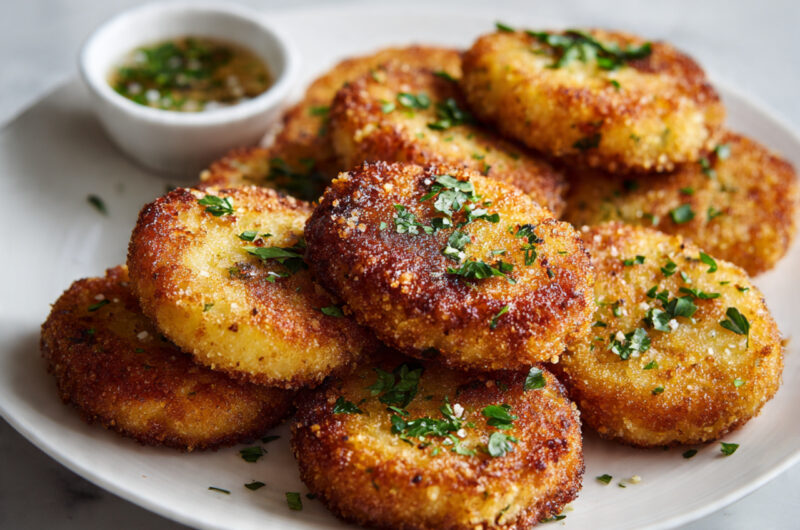
Crispy Golden Fish Cakes
Course: Trending Cake4
servings20
minutes15
minutes220–280
kcal45
minutesA quick, budget-friendly dinner of flaky white fish and soft potato fried into golden, crisp-edged patties — soft inside, crunchy outside, and perfect for busy weeknights, snack plates, or sandwiches.
Ingredients
For the Base:
400g boneless white fish (cod or tilapia)
2 medium potatoes, boiled and mashed
For Binding and Flavor:
1 small onion, finely chopped
2 garlic cloves, minced
1 egg
½ cup breadcrumbs
2 tbsp fresh coriander, chopped
1 tsp salt
½ tsp black pepper
½ tsp red chili flakes (optional)
For Frying:
2–3 tbsp oil
Directions
- Cook the fish until it flakes, cool slightly, then flake into a large bowl.
- Add mashed potatoes, onion, garlic, coriander, salt, pepper, and chili flakes. Fold to combine.
- Stir in the egg and breadcrumbs until soft but firm. Rest 10 minutes.
- Shape into small round or oval patties about an inch thick, pressing edges tight.
- Heat oil over medium. Fry 3–4 minutes per side until deep golden and crisp.
- Drain on paper towel and rest 2 minutes before serving.