The Elegant Wedding Cake Recipe That Makes Every Celebration Truly Unforgettable
Most homemade wedding cakes run into the same three problems: layers that sink in the middle, frosting that drags crumbs across the surface, and a dry texture that nobody goes back for a second slice of. The problem isn’t the ambition — it’s a handful of technique mistakes that compound at every stage. This recipe addresses all three from the very first measure of sifted flour to the final smoothed edge, so what you end up with looks and tastes like something a professional bakery charged twice the price for.
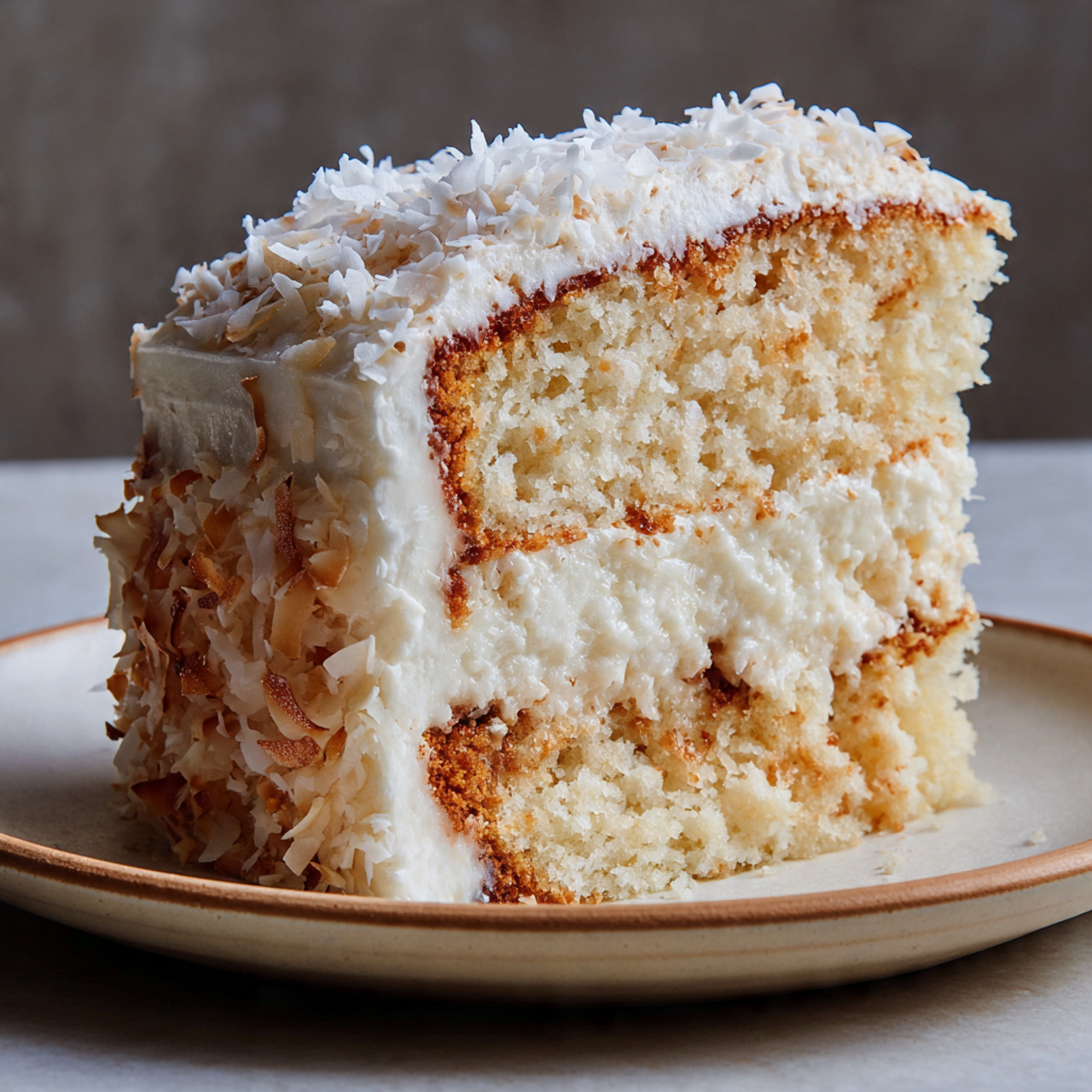
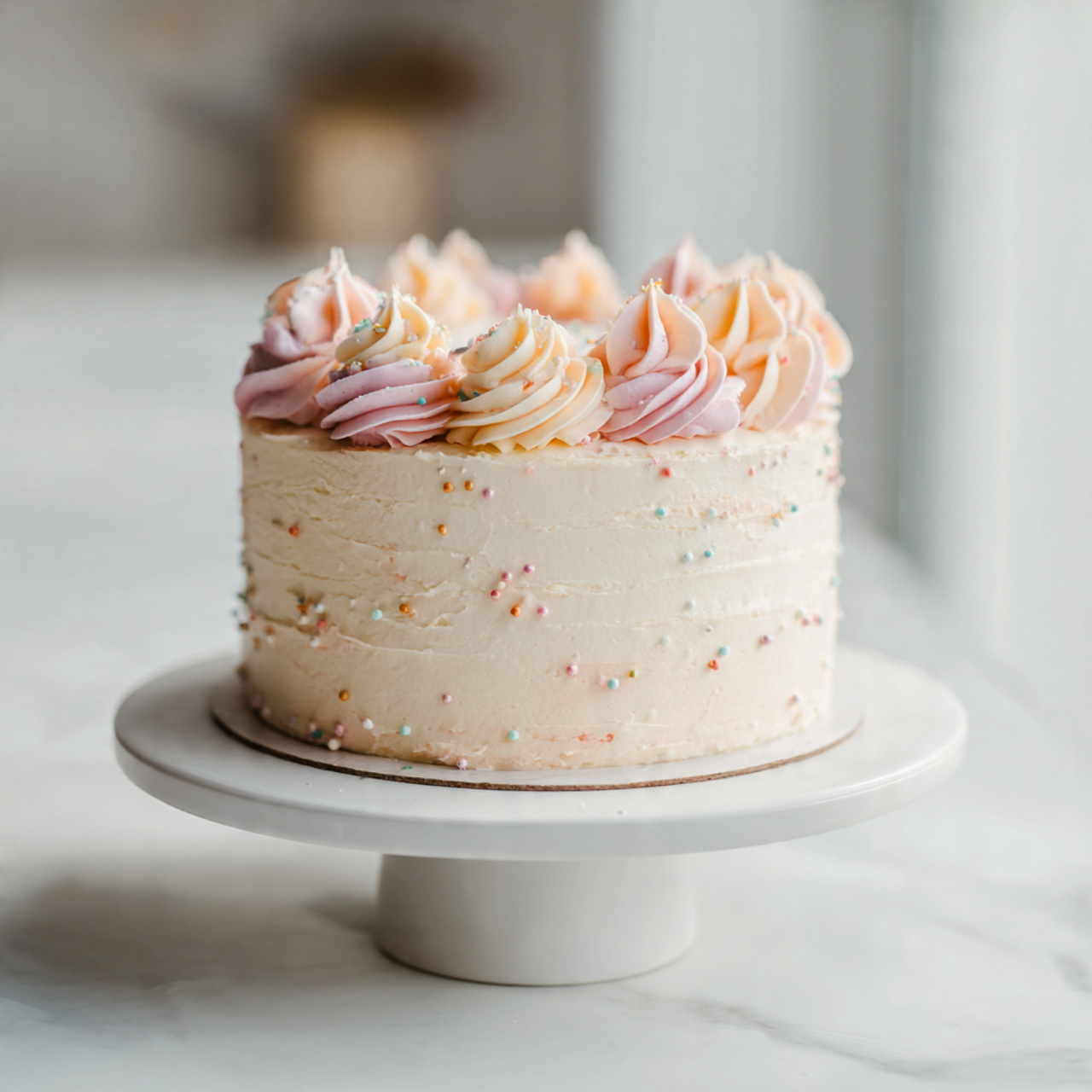
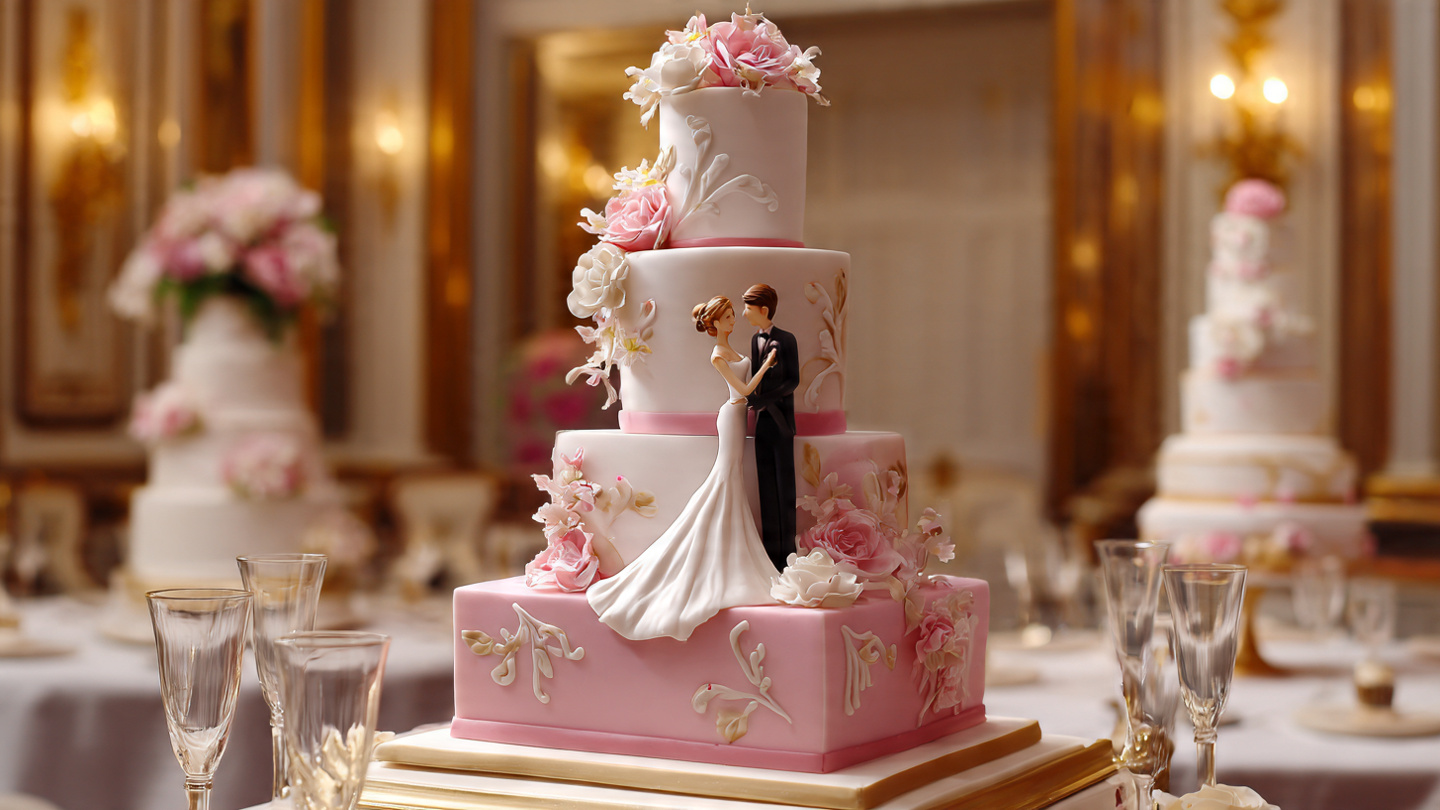
Slice into this cake and the layers hold clean — soft, pillowy, and brilliantly white throughout, with a crumb so fine it practically melts on contact. The moment the knife goes in, the vanilla fragrance rises, warm and faintly floral, filling the room with something that immediately feels celebratory. The buttercream, beaten until it’s impossibly light, gives way at room temperature with a richness that’s indulgent without being heavy. Between each layer, a swipe of raspberry preserves brings just enough tartness to cut through the sweetness, or lemon curd brightens every forkful in the best possible way. Set on a stand with smooth, straight sides and a polished finish, this cake looks like the centerpiece it’s meant to be. It tastes even better than it looks.
Wedding receptions and anniversary dinners are the obvious occasions, but this tiered wedding cake recipe earns its place at any gathering worth marking — an engagement party, a milestone birthday, a baby shower that deserves a real showstopper. It’s designed with events in mind: every component can be made in advance, the layers freeze beautifully, and the structure holds reliably through hours on a display table. Whether you’re baking a single tier for a small ceremony or scaling up for a larger crowd, this is the homemade wedding cake recipe that holds up exactly the way it promises.
Why You’ll Love This Recipe
The Texture Is Genuinely Worth Bragging About
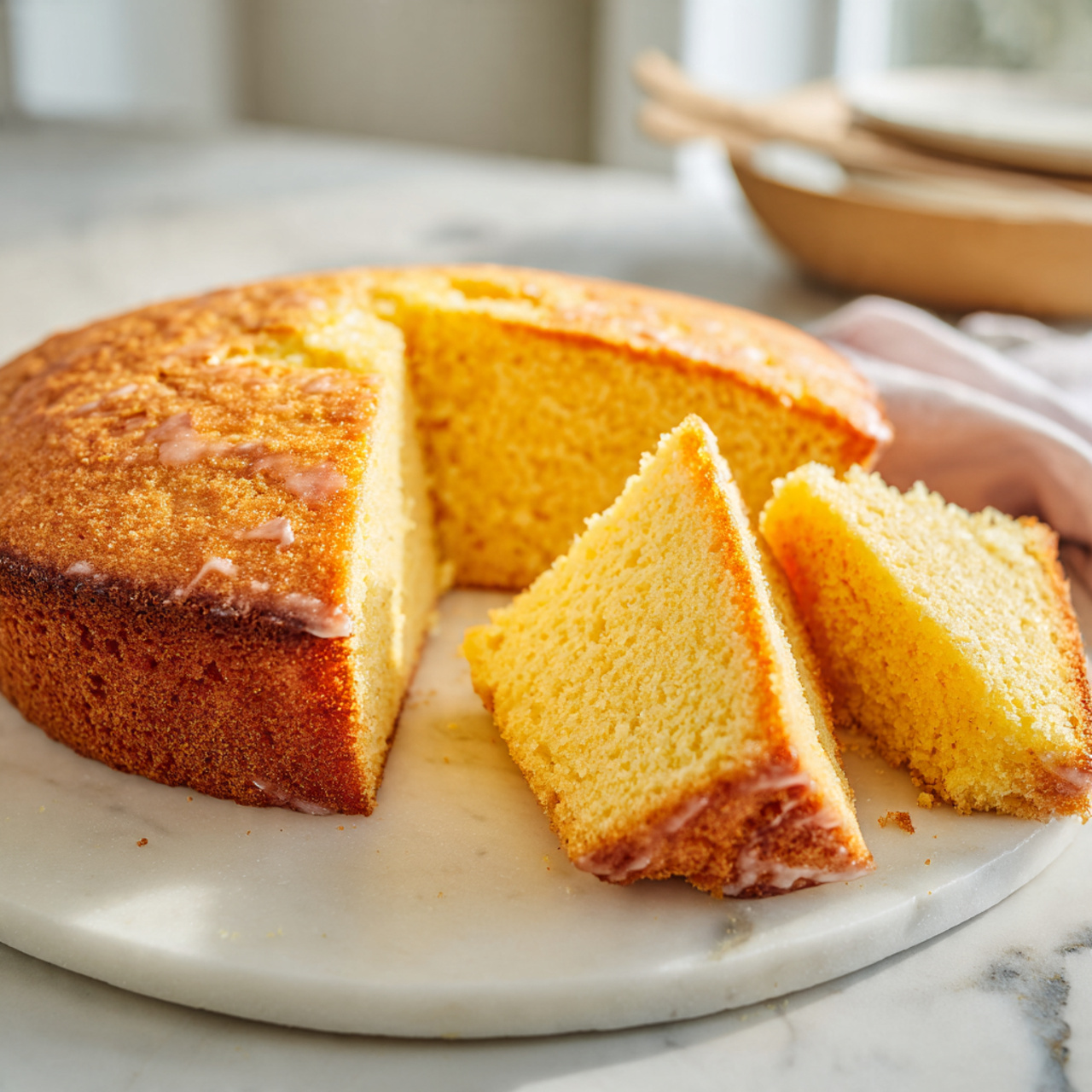
Cake flour’s lower protein content produces a crumb that’s finer and more delicate than all-purpose flour could ever achieve. Combined with butter and sugar creamed together until the mixture turns pale and nearly doubles in volume, the batter traps enough air that each layer rises evenly and stays that way. What comes out of the oven is soft, moist, and structured enough to stack without any crumbling.
The Flavor Is Classic, Crowd-Proof, and Unforgettable
Pure vanilla extract woven through the batter and the buttercream creates a flavor that’s instantly familiar and impossible to tire of — the kind of cake that disappears from every table it lands on. Using egg whites only keeps the layers a brilliant, clean white and gives the crumb a delicacy that stronger egg flavors simply can’t match, so every filling and decoration you choose gets to shine without competition.
It’s Built to Hold Up at Events
The crumb coat technique — a thin initial layer of frosting that locks in loose crumbs before the final coat goes on — is what gives this cake its flawless exterior and its stability under decoration. Those 20 to 30 minutes in the fridge after the crumb coat sets the whole structure, giving you a smooth, firm canvas that holds beautifully at room temperature through a full evening of service.
Every Component Can Be Prepared in Advance
This isn’t a last-minute, day-of recipe, and that’s genuinely one of its best qualities. The layers can be baked one to two days ahead, wrapped tightly, and refrigerated until you’re ready to assemble. That makes the whole process completely manageable around an event schedule, with no 5 a.m. baking panic on the morning it matters most.
The Recipe Welcomes Any Flavor Direction You Want to Take
The vanilla layers are intentionally neutral — a beautiful, versatile base for whatever filling or flavor combination suits the occasion. Raspberry, lemon curd, chocolate ganache, or almond buttercream all work here, which means this same recipe can feel entirely different depending on the crowd and the celebration.
Ingredients
For the Cake Layers
- 3 cups cake flour, sifted (not all-purpose — the lower protein content is what gives this cake its distinctive, fine crumb)
- 2½ tsp baking powder
- ½ tsp salt
- 1 cup unsalted butter, room temperature
- 2 cups granulated sugar
- 4 large egg whites
- 1 tbsp pure vanilla extract (pure, not imitation — it makes a visible difference in both flavor and aroma)
- 1 cup whole milk, room temperature
For the Classic Buttercream Frosting
- 1½ cups unsalted butter, room temperature
- 5 cups powdered sugar
- 2–3 tbsp heavy cream
- 2 tsp vanilla extract
- Pinch of salt
Optional Fillings
- Raspberry preserves, lemon curd, or chocolate ganache — choose one, or layer two for a more complex, sophisticated profile
The combination of buttery, fine-crumbed layers, billowy vanilla frosting, and a tart or rich filling creates a balance that’s celebratory without being cloying — each element working with the others rather than competing.
How to Make Wedding Cake — Step-by-Step
Step 1: Prepare Your Pans and Dry Ingredients
Preheat your oven to 350°F (175°C). Grease three 8-inch round cake pans thoroughly, then line the bottoms with parchment circles and grease those too — the double layer of protection ensures clean release. In a medium bowl, sift together the cake flour, baking powder, and salt. After sifting, the flour will feel noticeably lighter and airier, which is exactly the point; cake flour clumps in the bag, and an evenly sifted mixture ensures consistent leavening throughout every layer. Set the bowl aside while you build the batter.
Step 2: Cream the Butter and Bring the Batter Together
In a large bowl or the bowl of a stand mixer, beat the butter on medium speed for about a minute until it looks smooth and cohesive. Add the sugar and continue beating for a full 3 to 4 minutes — don’t rush this. The mixture should turn noticeably pale and nearly double in volume as air incorporates into the fat. Add the egg whites one at a time, beating well after each addition, then mix in the vanilla. Now alternate adding the sifted flour mixture and the milk in three parts each, beginning and ending with the flour. Mix until just combined at the very end — the finished batter should look smooth and silky, and the bowl will smell beautifully of vanilla and butter. Don’t worry if the batter looks slightly thicker than you expected; cake flour absorbs liquid a little differently than all-purpose, and it bakes into a wonderfully tender crumb regardless.
Step 3: Bake the Layers
Divide the batter as evenly as possible between the three prepared pans — a kitchen scale is genuinely helpful here, since equal portions mean equal baking times and layers that stack cleanly. Bake for 25 to 30 minutes, until a toothpick inserted into the center of each layer comes out completely clean and the tops spring back lightly when gently pressed. If you’re using a thermometer, the internal temperature should read between 200°F and 205°F. Don’t worry if the layers develop a gentle dome as they bake — that gets leveled before assembly, and a slight dome is actually a sign the center is fully cooked. Let the layers cool in their pans for 10 minutes, then turn them out onto a wire rack. They need to cool completely — not just until they feel warm — before you touch the frosting. Even slight residual warmth will cause the buttercream to melt on contact, and the structure will shift before it sets.
Step 4: Make the Buttercream
Beat the softened butter on medium-high speed for about 2 minutes until it looks pale and creamy. Add the powdered sugar one cup at a time, beating well between each addition. At this stage the frosting will look dry and crumbly — that’s completely normal and exactly where you want to be before adding the liquid. Add the heavy cream, vanilla, and pinch of salt, then increase the speed and beat for 3 to 4 minutes. Watch the texture transform: the frosting will go from stiff and dull to light, silky, and brilliantly white. If it’s too stiff, add cream one teaspoon at a time; if it seems too soft to hold its shape cleanly, add powdered sugar in small increments until it firms up.
Step 5: Level, Fill, Crumb Coat, and Finish
Use a long serrated knife or a cake leveler to trim any dome from each cooled layer, creating a perfectly flat surface — this is what makes a stacked cake look polished rather than lopsided. Place the first layer on a cake board or serving stand, spread your chosen filling evenly across the top, leaving about half an inch free around the edge, and place the second layer on top. Repeat with the remaining filling, then set the final layer upside down so its flat bottom faces up, giving you the smoothest possible top surface. Apply a thin crumb coat of frosting all over the outside of the assembled cake, scraping it back until it’s almost translucent in areas. Refrigerate for 20 to 30 minutes until the crumb coat feels completely firm to the touch — it should feel set and dry, not soft or tacky. Apply the final coat of buttercream in broad, smooth strokes using an offset spatula, then use a bench scraper held flat against the side to draw the frosting smooth. The finished cake will have clean, straight edges and a surface that holds its shape.
Perfecting This Recipe
A few technique habits that consistently make the difference between a good cake and a genuinely impressive one:
- Use a kitchen scale to divide the batter evenly between pans. Equal portions bake in equal time and produce layers that stack without tilting.
- Pull the butter, milk, and eggs out of the refrigerator at least an hour before you start. Cold ingredients don’t combine smoothly, and cold milk added to warm creamed butter can cause the batter to look slightly curdled — room temperature throughout prevents that.
- Sift the cake flour even when it looks fine in the bag. The sifting aerates the flour and ensures an accurate measurement, both of which directly affect the final crumb texture.
- When alternating the flour mixture and milk, always begin and end with flour — three additions of flour, two of milk. This keeps the emulsion stable and produces a smoother, more cohesive batter.
- Don’t cut the creaming time short. The full 3 to 4 minutes of beating butter and sugar is where the lift in this cake comes from — that air, once incorporated, is what keeps each layer from baking dense.
- Cool the crumb-coated cake completely before applying the final frosting coat. Even 20 minutes in the fridge makes the difference between a flawless, smooth exterior and a crumb-filled, uneven one.
Common Mistakes to Avoid
Not sifting the cake flour: Cake flour packs tightly in the bag, which means an unsifted cup can contain more flour than the recipe intends. Extra flour leads to a dry, dense cake — and it’s such an easy mistake to avoid. Sifting takes about 90 seconds and makes a meaningful difference in the outcome.
Under-creaming the butter and sugar: The creaming stage creates structure by incorporating air into the fat. When the mixture is pale, fluffy, and visibly increased in volume, that air is trapped and ready to expand in the oven. Stopping too early means less lift and a noticeably tighter, heavier texture in the finished layers.
Rushing the cooling time: Assembling even slightly warm cake layers is one of the most reliable ways to end up with a cake that tilts, slides, or has buttercream that looks greasy and won’t smooth out. Give the layers at least an hour on the rack, and when you’re uncertain, wait a little longer.
Skipping the crumb coat: Going straight from bare cake to a final frosting coat almost always drags stray crumbs into the pristine white buttercream surface. The crumb coat seals everything in and gives you a firm, clean foundation — it’s a short step that makes the final finish dramatically easier and more professional-looking.
Using cold butter in the buttercream: Cold butter doesn’t beat smooth. It stays in small, stubborn chunks that create a grainy, lumpy frosting that spreads poorly and tastes nothing like the light, silky result you’re after. Properly softened butter — pliable but not greasy — is what allows the frosting to become truly fluffy.
Visit Also: Chocolate Cake
Add Your Touch
This recipe is wonderfully open to personalization:
- Swap the vanilla extract in the batter for almond extract to create a classic bakery-style flavor that’s warmer and slightly more floral — a particularly popular choice for traditional wedding receptions.
- Add the zest of two lemons to the batter and replace 3 tablespoons of the milk with fresh lemon juice for a bright citrus variation that pairs beautifully with raspberry or blueberry filling.
- For a chocolate version, replace ½ cup of the cake flour with unsweetened cocoa powder and fold in 2 ounces of melted dark chocolate for richness and depth.
- Tint the buttercream with gel food coloring to coordinate with a wedding palette — gel colorings produce more vivid, stable results than liquid drops and don’t affect the frosting’s consistency.
- Combine lemon curd and fresh raspberries between the layers for a sweet-tart contrast that cuts through the richness of the buttercream in the most satisfying way.
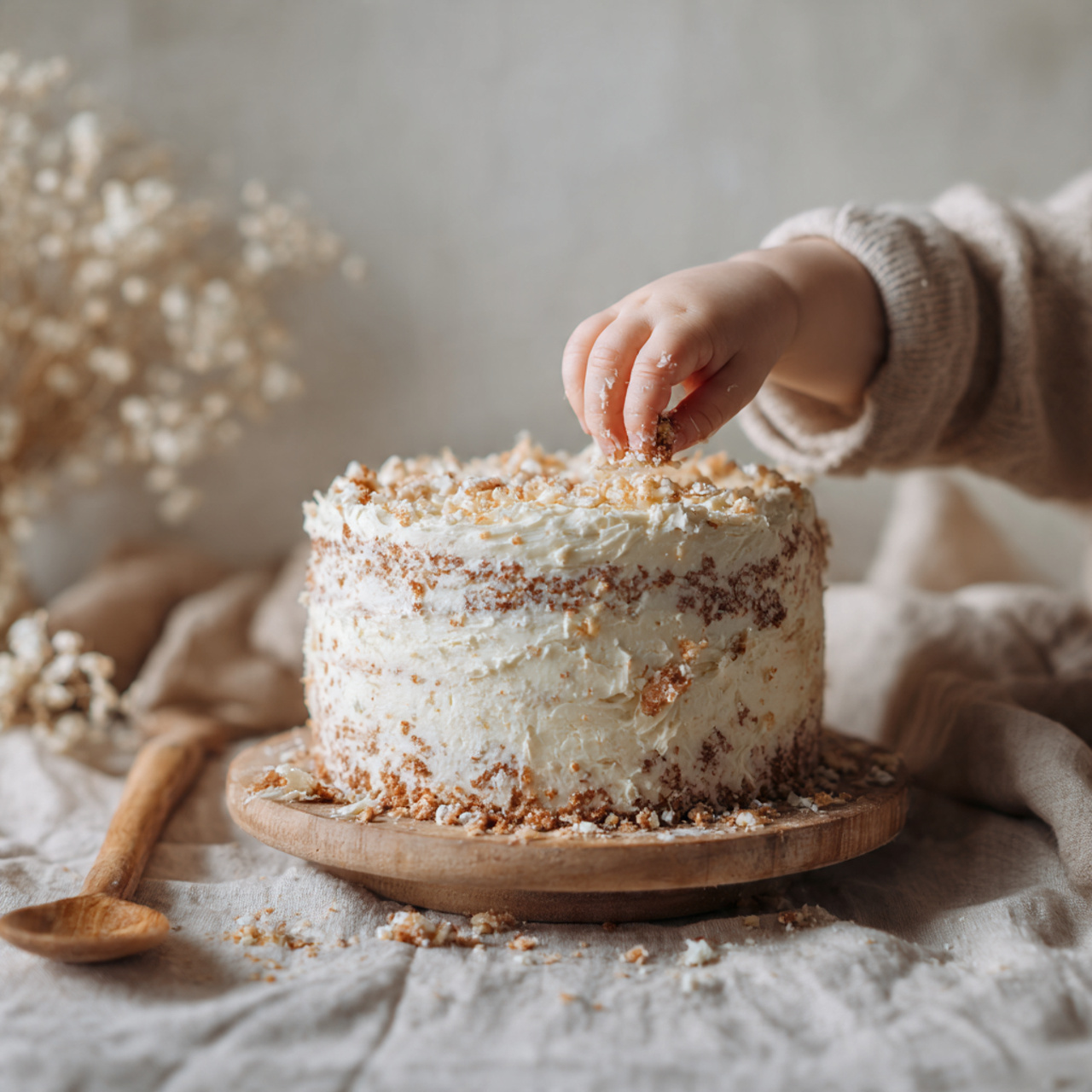
- A semi-naked finish — where the final coat is applied thinly and scraped back to let the cake show through — is a striking modern alternative to the traditional smooth exterior and particularly beautiful for outdoor garden ceremonies.
- For extra stability at warm outdoor events, add 1 tablespoon of meringue powder to the buttercream. Standard buttercream softens quickly in heat, and this small addition keeps the finish cleaner for much longer.
What to Serve With This
- A glass of chilled Champagne or sparkling rosé alongside the first slice — the effervescence cuts through the richness of the buttercream in a genuinely ideal way.
- Fresh seasonal berries scattered on each plate, particularly in summer when strawberries, raspberries, and blackberries are at their most fragrant and flavorful.
- A small scoop of vanilla bean ice cream for a more indulgent plated dessert at a seated dinner reception.
- Edible flowers pressed gently into the final frosting coat — they serve as both decoration and a delicate garnish that makes each slice look individually composed.
- A coffee or herbal tea service for guests who want something warm and gently bitter alongside a rich, sweet celebratory slice.
Storing and Serving
Fridge The assembled and frosted cake keeps well in the refrigerator for up to 4 days. Store it in a cake box or a container large enough to keep anything from touching the frosting surface, and always bring it to room temperature for at least 30 to 45 minutes before serving so the buttercream softens back to its ideal, silky texture.
Freezer Unfrosted, fully cooled cake layers freeze beautifully for up to 2 months. Wrap each layer individually in plastic wrap, then in a layer of foil, and store them flat. Thaw overnight in the refrigerator, then bring to room temperature before frosting and assembling. Individual frosted slices can also be frozen on a tray, then wrapped, for up to one month — though fresh-frosted is always the preferred option.
Reheating This cake is served at room temperature, not warmed. If the fully frosted cake has been refrigerated, remove it at least 30 to 45 minutes before cutting and serving to allow the buttercream to return to its soft, spreadable state.
Make-Ahead Tip Bake the cake layers one to two days in advance, wrap each one tightly in plastic wrap, and refrigerate until assembly. Make the buttercream the day before, store it covered in the refrigerator, and re-beat on medium speed for 2 minutes before spreading — it returns to its full fluffy texture immediately. The fully assembled and frosted cake can be refrigerated the day before the event with excellent results.
Servings This recipe makes approximately 12 generous slices from a three-layer 8-inch cake.
Nutrition (Approximate Per Serving)
- Calories: 490
- Total Fat: 22g
- Saturated Fat: 13g
- Carbohydrates: 65g
- Sugar: 48g
- Protein: 6g
- Sodium: 185mg
Nutritional values are approximate and may vary based on specific ingredients, filling choices, and brands used.
Chef’s Helpful Tips
- Pull all refrigerated ingredients out at least an hour before you begin. Butter, milk, and egg whites at the same temperature combine more smoothly and produce a more evenly emulsified batter — starting with cold ingredients is one of the most common reasons a batter looks slightly curdled.
- A cake turntable is one of those tools that seems optional until you use it. It transforms frosting and smoothing from a frustrating, one-sided struggle into a steady, controlled process, and the visual difference in the final cake is immediately obvious.
- To slice cleanly through frosted layers without dragging or tearing, run a long knife under hot water, wipe it dry quickly, and cut. Repeat the warm-dry-cut process with each new slice for clean, polished portions.
- If small air bubbles appear in the buttercream after beating, switch to the lowest speed for the final minute of mixing. This compresses the bubbles and produces a smoother, denser frosting that spreads more cleanly.
- Measure the cake flour by spooning it into the measuring cup and leveling off the top — never scooping directly from the bag. Scooping compacts the flour and can add significantly more than the recipe intends.
Frequently Asked Questions
Q1. Can I make this wedding cake recipe ahead of time, and how far in advance is realistic? Yes — and making it ahead is genuinely the recommended approach. Bake the layers up to two days in advance, wrap them tightly in plastic, and refrigerate. Make the buttercream the day before and store it covered in the fridge; re-beat briefly before use and it comes back to its original texture completely. The fully assembled and frosted wedding cake keeps well in the refrigerator for up to 4 days, so there’s no need to bake anything the morning of the event.
Q2. Can I use all-purpose flour instead of cake flour? You can, and the cake will still taste good — but the texture will be noticeably less fine and tender. To get closer to cake flour’s result with all-purpose, remove 2 tablespoons per cup and replace them with cornstarch. Sift the mixture together thoroughly before adding it to the batter.
Q3. Is this recipe beginner-friendly, or does it require baking experience? The recipe is very achievable for a dedicated beginner, but it does reward attention to detail. The two steps that matter most are creaming the butter and sugar for the full time and not rushing the cooling stage before assembly. If you’re new to layer cakes, consider doing a practice bake before the actual event — the technique becomes intuitive quickly once you’ve seen what each stage looks and feels like in person.
Q4. Can this be scaled up for a tiered wedding cake? Yes — double or triple the recipe for additional tiers. For structural stability in a stacked tiered design, insert food-safe wooden or plastic dowels into each lower tier before placing the next layer on top. A separate cake board under each tier keeps the layers structurally independent and the whole assembly secure through an evening of display.
Q5. Can I freeze the finished, assembled cake? Unfrosted layers freeze exceptionally well for up to 2 months, and this is the best way to work well ahead. A fully frosted and decorated cake can technically be frozen, but the frosting’s texture and finish change slightly after thawing. For the best result, freeze the layers separately, then thaw, frost, fill, and assemble as close to serving time as possible.
Conclusion
A wedding cake carries a weight that no other dessert quite matches — it’s the moment people photograph, the first shared bite, the thing remembered long after the evening ends. What makes this recipe worth coming back to is how it balances genuine elegance with real practicality. The tender crumb, the silky buttercream, the way a well-chosen filling works with every layer — it all comes together in a way that feels ceremonious without requiring professional equipment or years of training to pull off.
Make it for a wedding, an anniversary, an engagement dinner, or any occasion that deserves a centerpiece with presence. Customize the filling, choose a decoration style that fits the moment, and trust the technique that’s built into every step. This is the kind of recipe that gets better each time you make it — refined a little more, made a little more confidently, and shared with people who will ask you for it again.
Classic Elegant Wedding Cake
12
servings25
minutes30
minutes490
kcal3
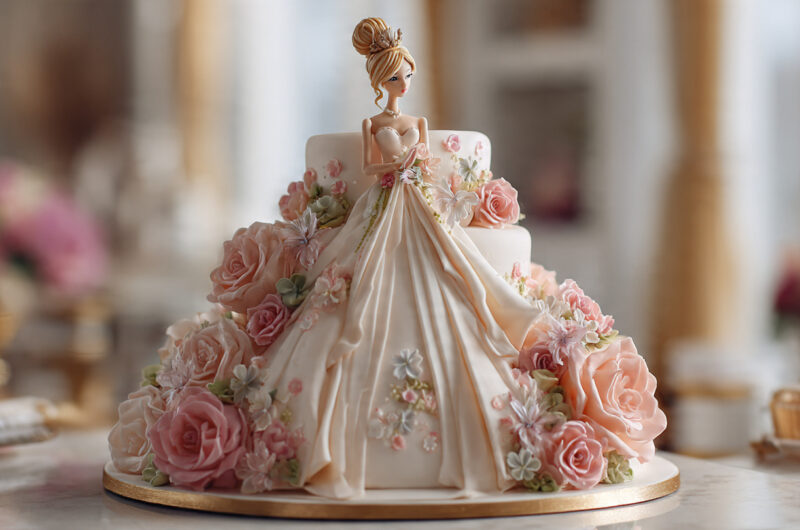
hoursThree tender vanilla layers filled with your choice of raspberry, lemon, or chocolate filling and finished with silky buttercream frosting. A timeless, crowd-pleasing centerpiece for weddings, anniversaries, and any celebration worth marking beautifully.
Ingredients
For the Cake Layers:
3 cups cake flour, sifted
2½ tsp baking powder
½ tsp salt
1 cup unsalted butter, room temperature
2 cups granulated sugar
4 large egg whites
1 tbsp pure vanilla extract
1 cup whole milk, room temperature
For the Classic Buttercream Frosting:
1½ cups unsalted butter, room temperature
5 cups powdered sugar
2–3 tbsp heavy cream
2 tsp vanilla extract
Pinch of salt
Optional Fillings:
Raspberry preserves, lemon curd, or chocolate ganache
Directions
- Preheat oven to 350°F (175°C). Grease and line three 8-inch round cake pans with parchment paper.
- Sift cake flour, baking powder, and salt together in a bowl. Set aside.
- Beat butter on medium for 1 minute. Add sugar and cream for 3–4 minutes until pale and fluffy.
- Add egg whites one at a time, beating after each. Mix in vanilla.
- Alternate the flour mixture and milk in three parts each, beginning and ending with flour. Mix until just combined.
- Divide batter evenly between pans. Bake 25–30 minutes until a toothpick comes out clean (internal temp 200–205°F).
- Cool in pans 10 minutes, then turn out onto a wire rack. Cool completely before assembling.
- Beat softened butter for frosting until pale. Add powdered sugar one cup at a time, then cream, vanilla, and salt. Beat on high for 3–4 minutes until light and silky.
- Level each cooled layer with a serrated knife. Stack with filling spread between each layer.
- Apply a thin crumb coat of frosting over the entire cake. Refrigerate 20–30 minutes until firm.
- Apply the final frosting coat with an offset spatula. Smooth sides and top. Decorate as desired and serve at room temperature.