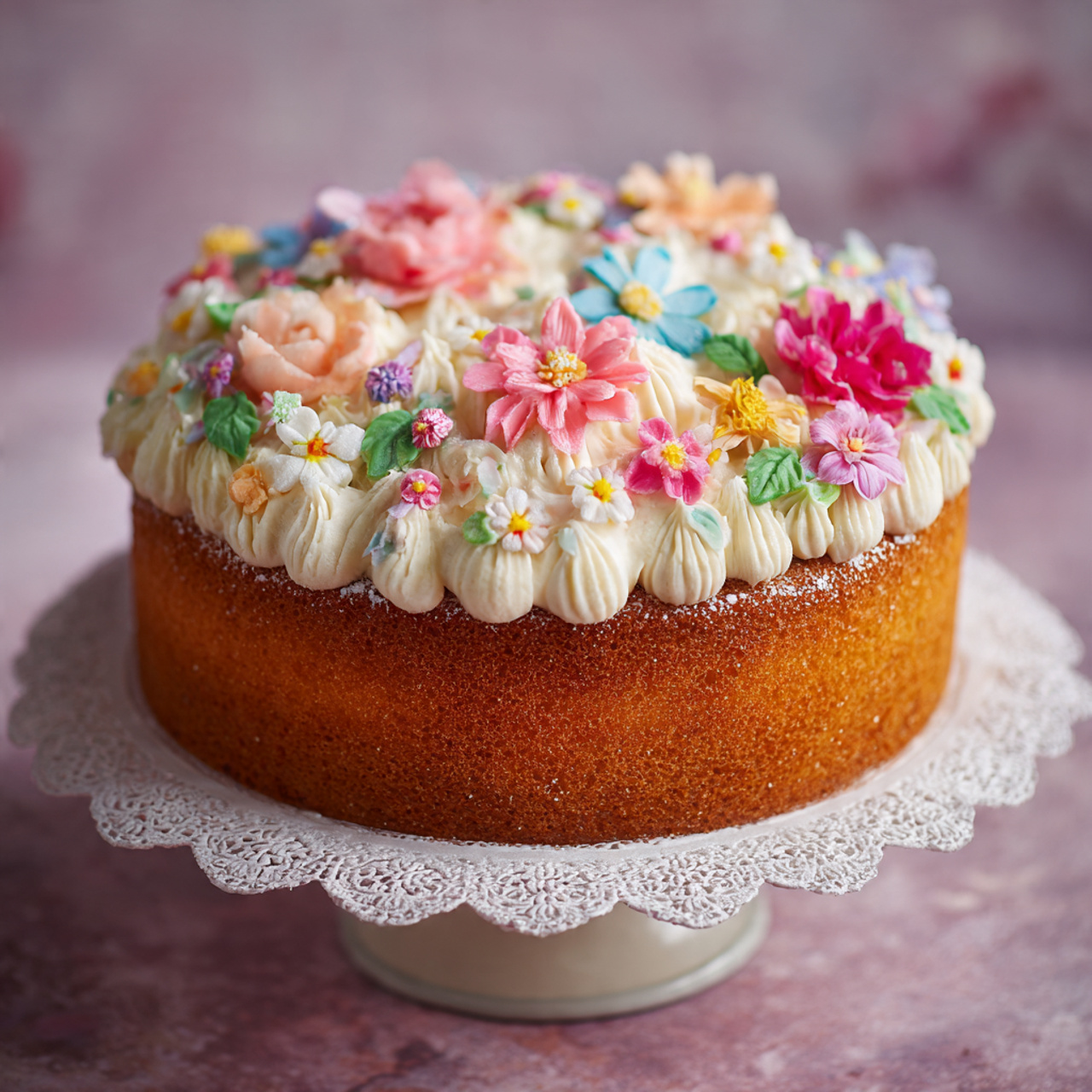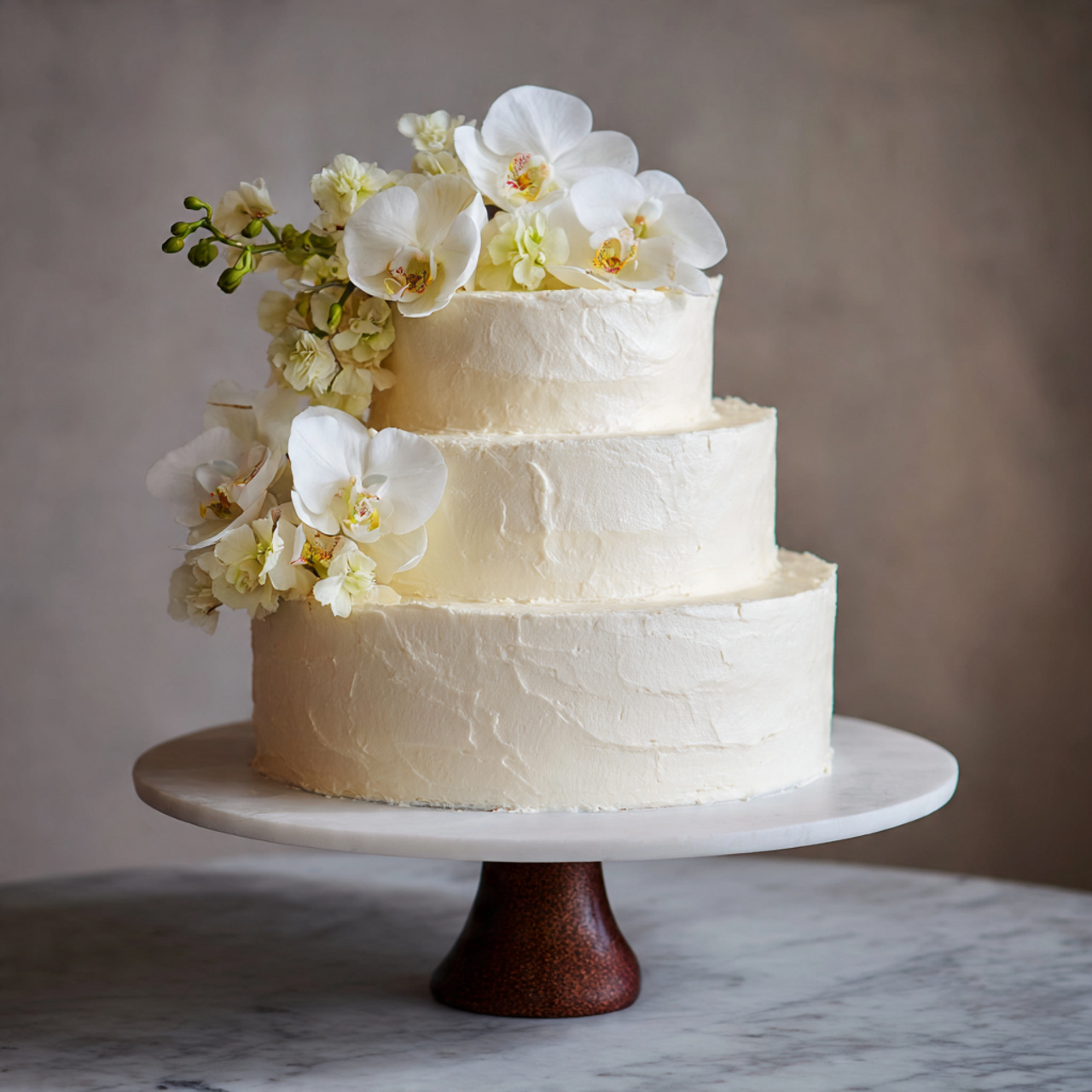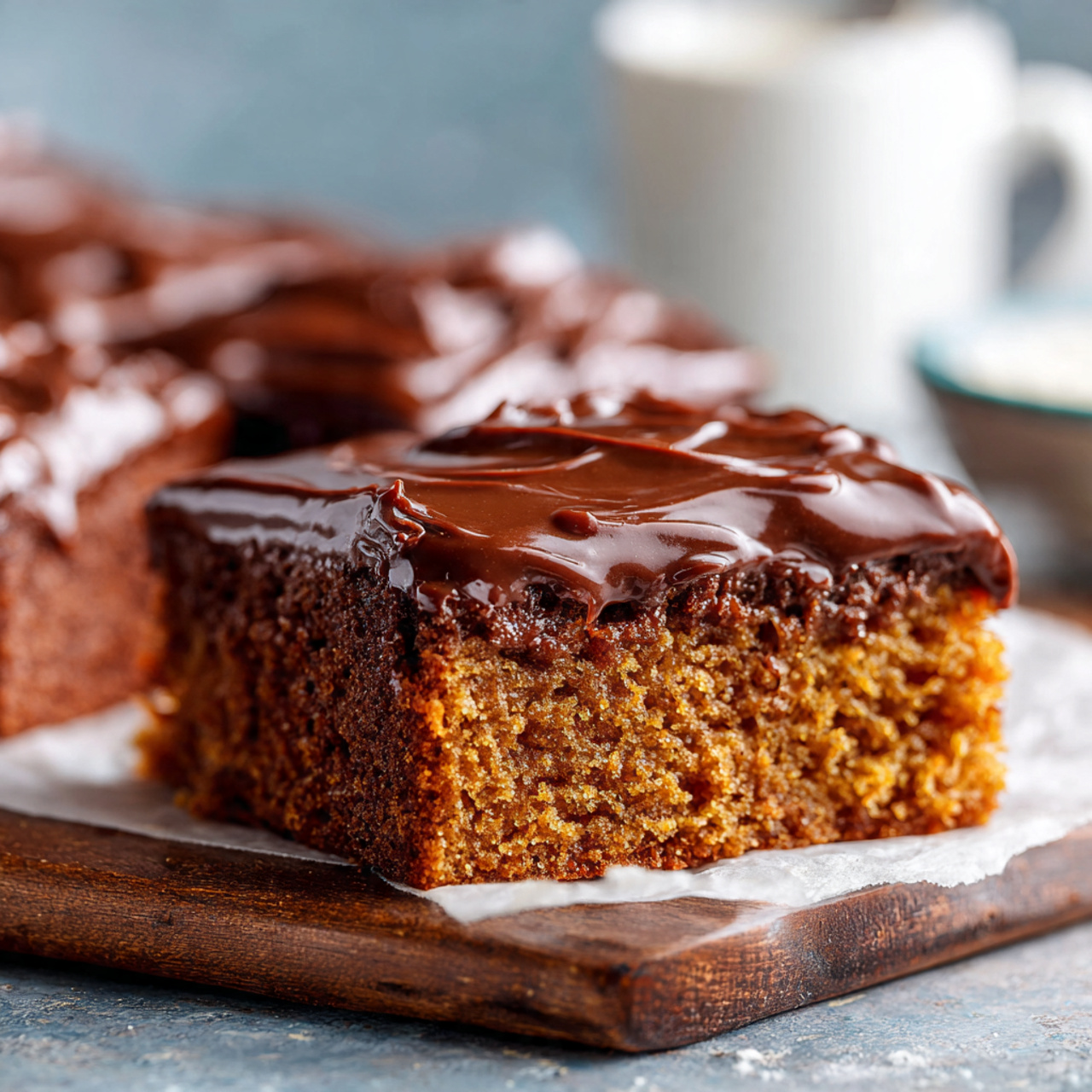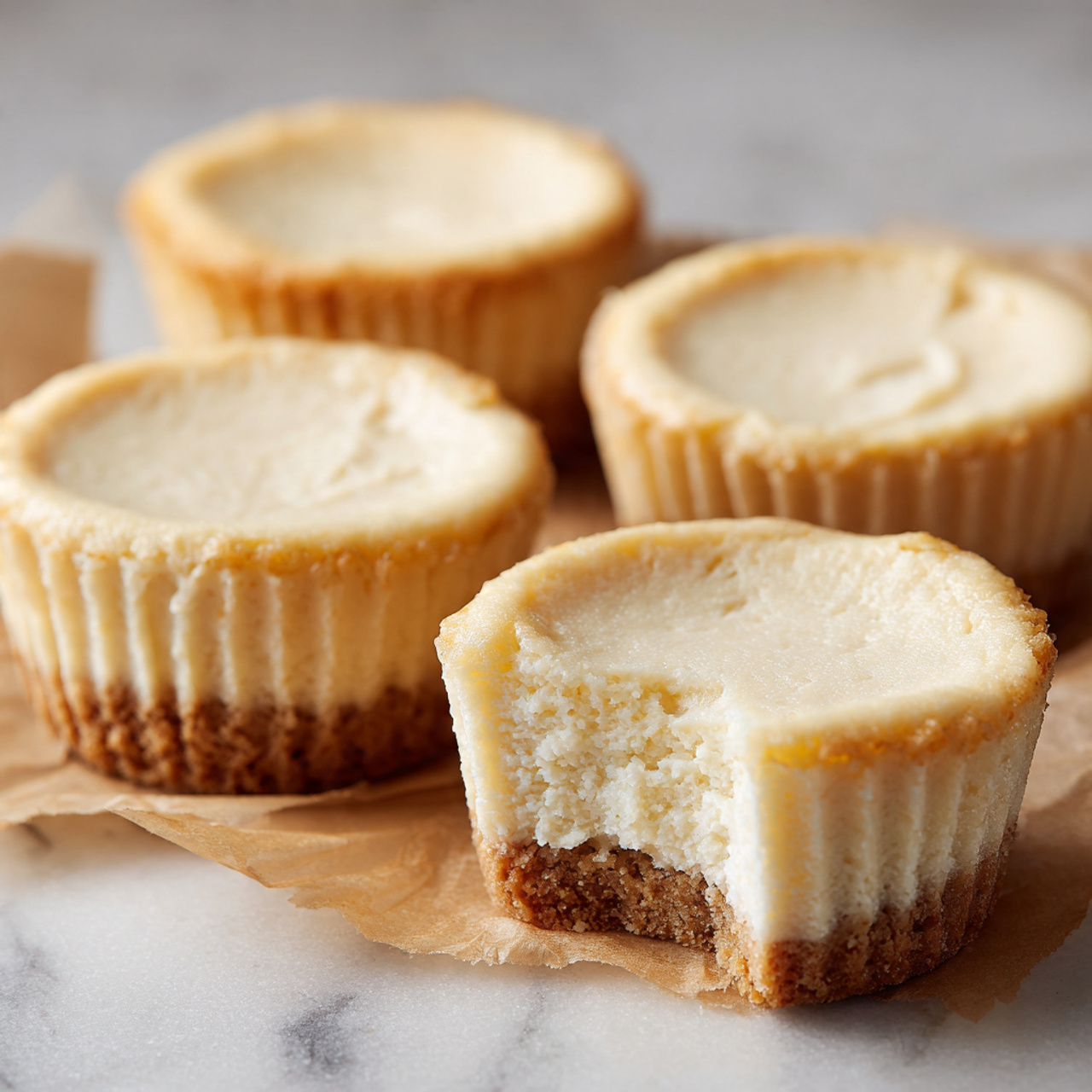
The Soft, Buttery Welcome Home Cake That Makes Any Homecoming Feel Special
Most simple vanilla cakes come out of the oven dry, dense, and oddly rubbery, and it almost always traces back to one rushed step at the mixing bowl. This Welcome Home Cake fixes that, turning a handful of humble pantry staples into a tender, melt-in-your-mouth crumb every single time.
Picture a slice so soft it nearly springs back under your fork, with a lightly golden edge that gives way to a buttery, vanilla-scented middle. The first bite is gently sweet and impossibly moist, warm enough to make the whole kitchen smell like a corner bakery and cozy enough to make anyone slow down and stay a while.
It’s the kind of bake that fits a quiet weeknight, a small family gathering, or that sweet moment when someone finally walks back through the door after a long trip. This easy homemade cake leans on flavors everyone already loves, with no fancy tools or hard-to-find ingredients required. Whether it’s your first time baking or your fiftieth, this one’s about to earn a permanent spot in your rotation.

Why You’ll Love This Recipe
Soft, Tender Crumb Every Time
The texture is the whole point here. Creaming the butter and sugar properly traps tiny air pockets that bake into a light, springy crumb, so every slice feels pillowy instead of heavy or dry.
Gentle, Crowd-Pleasing Sweetness
This cake is sweet without being sugary, with warm vanilla doing most of the talking. It’s the kind of flavor that pleases picky kids and grown-ups alike, which makes it a safe bet for any table.
Made With Simple Pantry Staples
There’s nothing exotic on the ingredient list, just flour, sugar, butter, eggs, and a few basics you probably already have. That means you can pull this together on a whim without a special trip to the store.
Perfect for Sharing
Whether you’re feeding two people or a small crowd, this cake scales beautifully and slices cleanly. It travels well to potlucks and homecomings, and it always feels thoughtful and homemade.
A Classic With Room to Play
At its heart this is a comforting vanilla butter cake, but it’s the perfect blank canvas. A little lemon zest, a pinch of cinnamon, or a soft cream cheese topping can make it feel brand new whenever you want a change.
Ingredients
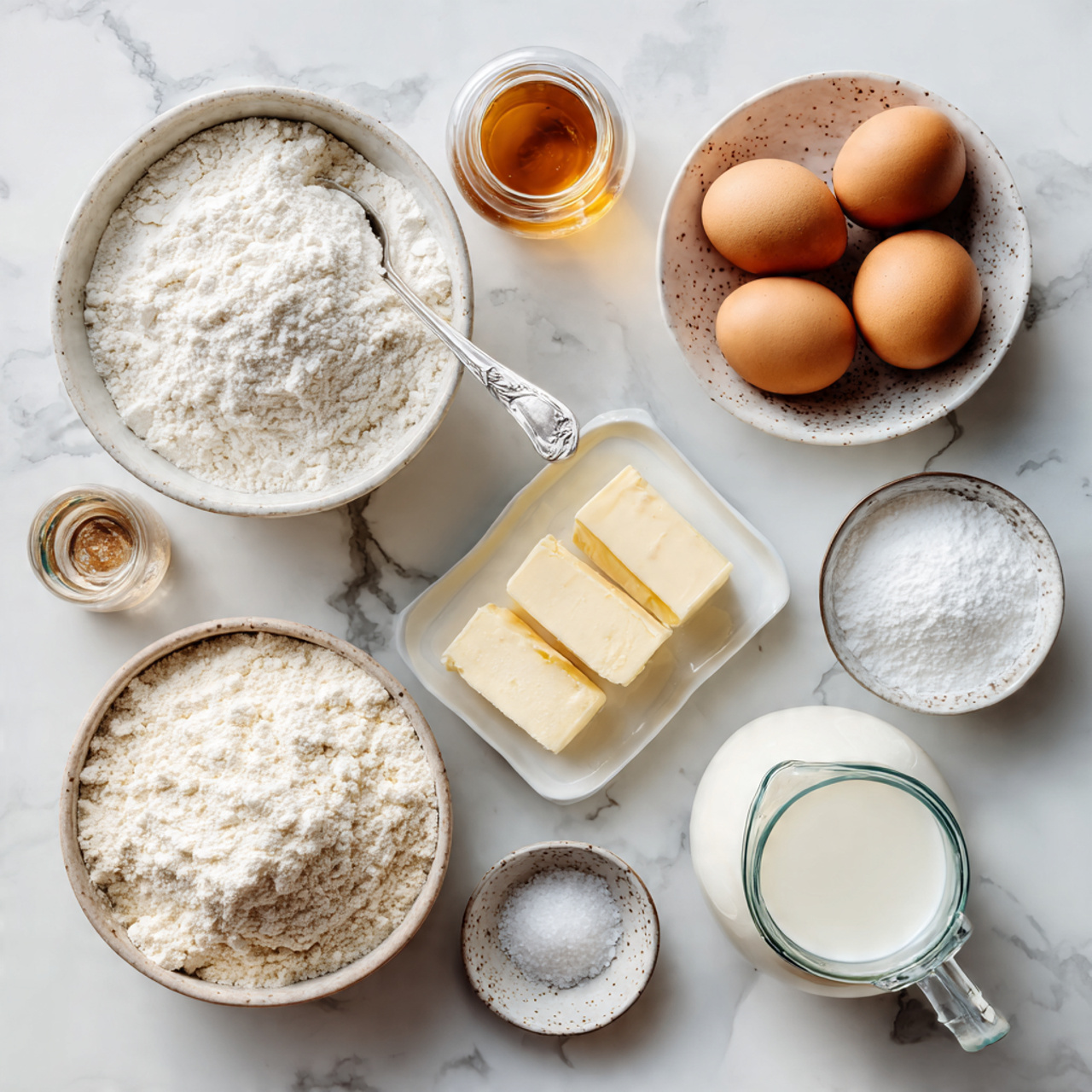
For the Cake Batter
- 2 cups all-purpose flour (fresh and good-quality for the softest texture; use 1 cup if baking for two and scale up evenly for more servings)
- 1 cup sugar (regular granulated)
- ½ cup butter, softened (soft enough to dent with a finger, but never melted)
- 2 eggs (room temperature blends in far more smoothly)
- 1 cup milk (whole milk gives the richest, most tender crumb)
- 2 teaspoons baking powder (make sure it’s fresh for a good rise)
- 1 teaspoon vanilla extract (pure, not imitation, for the best flavor)
- ¼ teaspoon salt (balances the sweetness)
For Finishing (Optional)
- A light dusting of powdered sugar, or a simple whipped cream or cream cheese topping
The magic is in how these everyday ingredients work together: butter and sugar build a light structure, eggs add richness and lift, and the milk keeps everything soft and moist. The vanilla and salt quietly round out the flavor so the cake tastes warm and homemade rather than flat.
How to Make Welcome Home Cake — Step-by-Step
Step 1: Prep Your Oven and Pan
Preheat your oven to 180°C and lightly grease a medium baking pan so the cake releases cleanly later. Set out your butter and eggs ahead of time so they come to room temperature. Don’t worry if your butter still feels a little firm, just give it a few extra minutes on the counter rather than rushing it in the microwave.
Step 2: Cream the Butter and Sugar
Beat the softened butter and sugar together until the mixture turns pale, light, and fluffy. This is where that soft crumb comes from, so take your time here, usually two to three minutes. You’ll know it’s ready when it looks creamy and almost doubled in volume.
Step 3: Add the Eggs
Add the eggs one at a time, mixing gently after each addition so the batter stays smooth. Don’t worry if it looks slightly curdled or grainy at this stage, that evens out completely once the flour goes in.
Step 4: Combine the Dry Ingredients and Milk
Sift the flour, baking powder, and salt together, then add them to the batter in batches, alternating with the milk and the vanilla. Stir just until the batter is smooth and no dry streaks remain. Stop as soon as it comes together, since overmixing is the fastest way to a dense cake.
Step 5: Bake Until Golden
Pour the batter into your prepared pan and smooth the top. Bake for about 30 to 35 minutes, until the surface is golden and a toothpick inserted into the center comes out clean. Your kitchen will smell warm and buttery right about when it’s ready.
Step 6: Cool Before Slicing
Let the cake rest in the pan for about 10 minutes, then slice and serve. Cooling matters more than it seems, as cutting too soon can make the crumb gummy, while a short rest lets it set into clean, tender slices.
Perfecting This Recipe
- Bring your butter, eggs, and milk to room temperature first so everything blends evenly and traps more air.
- Cream the butter and sugar longer than you think you need to, until pale and fluffy, for the lightest texture.
- Add the flour and milk in alternating batches to keep the batter smooth and prevent it from splitting.
- Mix only until the dry streaks disappear, since every extra stir develops gluten and risks a tougher, denser cake.
- Check the cake a few minutes early, because every oven runs a little differently and a minute or two too long is what dries it out.
- Give it the full 10-minute rest before slicing so the crumb has time to set and stay moist.
Common Mistakes to Avoid
- Using cold or melted butter — Cold butter won’t cream properly and melted butter changes the texture entirely. Soft, room-temperature butter is what gives you that fluffy lift.
- Overmixing the batter — Stirring too much once the flour is in develops gluten and turns a soft cake dense. Stop the moment the batter looks smooth.
- Overbaking — Leaving the cake in even a few minutes too long pulls out moisture and dries the crumb. Start checking around the 30-minute mark.
- Skipping the cooling time — Slicing a hot cake makes it gummy and crumbly. A short rest lets it firm up for clean pieces.
- Measuring flour by packing it in — Scooping straight from the bag compresses the flour and adds too much, which is a common cause of a heavy, dry cake. Spoon it in and level it off.
Add Your Touch
- Stir in a little lemon zest for a bright, fresh lift.
- Add a pinch of cinnamon for cozy, warm-spice flavor.
- Crown it with a soft cream cheese topping or a mild caramel drizzle for a richer dessert.
- Swap the butter for oil for a slightly lighter, extra-moist crumb.
- Use plant-based milk in place of regular milk to keep it dairy-light.
- Replace the eggs with yogurt or mashed banana for an even softer, egg-free version.
Visit Also: Chocolate Lava Cake
What to Serve With This
- A warm cup of tea or coffee for a quiet, cozy slice
- Fresh strawberries or sliced bananas for a light, fruity pairing
- A dollop of whipped cream or a light frosting for something a little richer
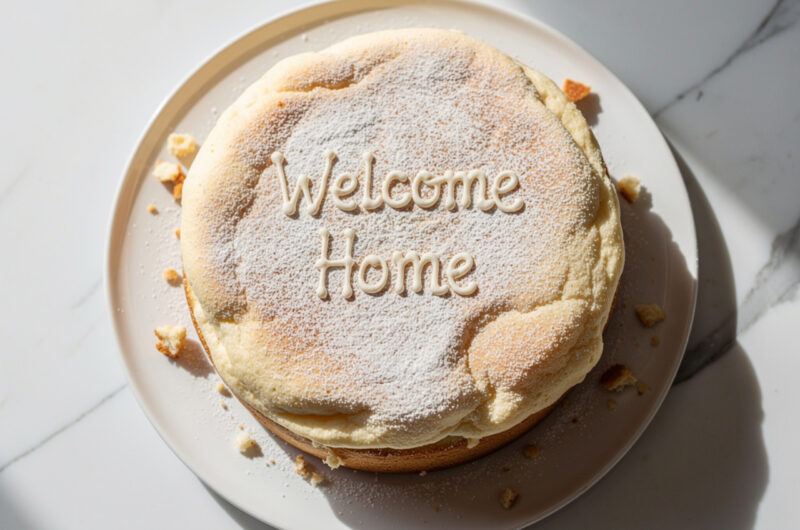
- A dusting of powdered sugar and a small icing “welcome” message for a homecoming touch
- A scoop of vanilla ice cream to turn it into an easy dessert plate
Storing and Serving
Fridge Store the cooled cake in an airtight container in the fridge for up to 3 days. Wrap individual slices for smaller portions, and cover larger cakes well so they don’t dry out.
Freezer Wrap slices tightly and freeze for up to one month. Freeze in small portions if you’re baking for two, or divide larger batches into sections so you can thaw only what you need.
Reheating Warm a slice in the microwave for just a few seconds to bring back that fresh-baked softness. Thinner slices heat almost instantly, while thicker pieces may need a touch more time.
Make-Ahead Tip You can bake this cake a full day ahead and store it covered at room temperature or in the fridge. The flavor often deepens overnight, so make-ahead baking actually works in your favor.
Servings This recipe makes about 8 slices from a medium pan, easily adjusted up or down depending on your crowd.
Nutrition (Approximate Per Serving)
- Calories: 220–260
- Total Fat: 9g
- Saturated Fat: 5g
- Carbohydrates: 34g
- Sugar: 18g
- Protein: 4–6g
- Sodium: 150mg
Nutritional values are approximate and may vary based on specific ingredients and brands used.
Chef’s Helpful Tips
- Set out your butter, eggs, and milk ahead of time, as room-temperature ingredients blend better and bake into a softer crumb.
- Avoid overbaking by checking the cake a few minutes early with a toothpick; pull it the moment it comes out clean.
- For neat slices, use a sharp knife and wipe it between cuts once the cake has fully cooled.
- Use fresh baking powder and real vanilla; small quality choices make a noticeable difference in lift and flavor.
- If your cake turns out too dense, it’s usually overmixing or too much flour, so stir gently and measure lightly next time.
Frequently Asked Questions
Q1. Can I make this cake without eggs? Yes, you can. Swap each egg for about a quarter cup of plain yogurt or half a mashed banana for a soft, tender result. Adjust the amount slightly if you’re making a smaller or larger batch.
Q2. What does this cake taste like? Think of a classic vanilla butter cake or a homemade pound cake, just lighter and fluffier. It’s gently sweet and buttery, the kind of comforting flavor most people already know and love.
Q3. Is this recipe beginner-friendly? Absolutely. The steps are simple, the ingredients are basic, and there’s no special equipment needed. As long as you don’t overmix the batter or overbake it, it’s very hard to get wrong.
Q4. Can I make it ahead for a gathering or potluck? Yes, and it’s actually better when made ahead. Bake it a day early, keep it covered, and the flavor will deepen overnight, which makes it a stress-free choice for homecomings and potlucks.
Q5. How do I freeze it? Wrap individual slices tightly in plastic wrap and store them in the freezer for up to one month. Thaw at room temperature, then warm briefly in the microwave to bring back that fresh, soft texture.
Conclusion
At the end of the day, a Welcome Home Cake is less about impressing anyone and more about making someone feel cared for. It’s warm, soft, and endlessly comforting, and it slips just as easily into a busy weeknight as it does into a special homecoming. The fact that you can dress it up, keep it simple, or scale it for two or twenty only makes it more lovable.
So the next time you want to turn an ordinary day into something a little sweeter, give this one a try. Bake it for someone you love, share a slice over a pot of tea, and don’t be afraid to make it your own with a little zest, spice, or topping. Once it comes out of your oven, this is the kind of recipe you’ll find yourself reaching for again and again.e you make it, it’s the kind of recipe you’ll come back to again and again, especially for those quiet, meaningful moments at home.
Welcome Home Cake
Course: Trending Cake4
servings15
minutes35
minutes220–260
kcal1
hourA soft, buttery vanilla cake with a tender crumb and gentle sweetness, perfect for homecomings, family dinners, and cozy everyday moments.
Ingredients
For the Cake Batter:
2 cups all-purpose flour
1 cup sugar
½ cup butter, softened
2 eggs
1 cup milk
2 teaspoons baking powder
1 teaspoon vanilla extract
¼ teaspoon salt
For Finishing (Optional):
Powdered sugar, whipped cream, or cream cheese topping
Directions
- Preheat oven to 180°C and grease a medium baking pan.
- Cream the softened butter and sugar until pale and fluffy.
- Beat in the eggs one at a time until smooth.
- Sift together the flour, baking powder, and salt.
- Add the dry ingredients in batches, alternating with the milk and vanilla. Stir just until combined.
- Pour the batter into the pan and bake 30–35 minutes, until golden and a toothpick comes out clean.
- Cool 10 minutes, then slice and serve.