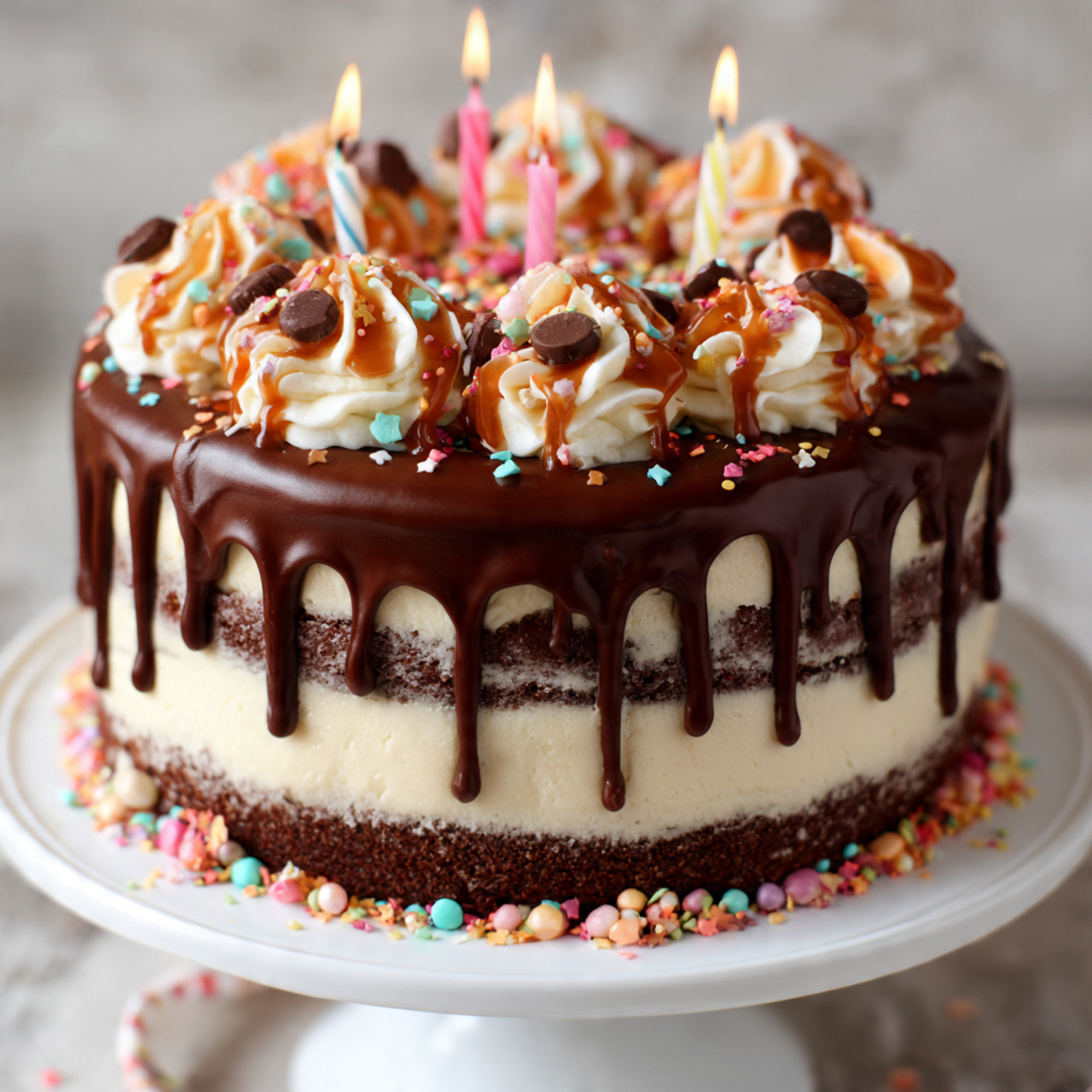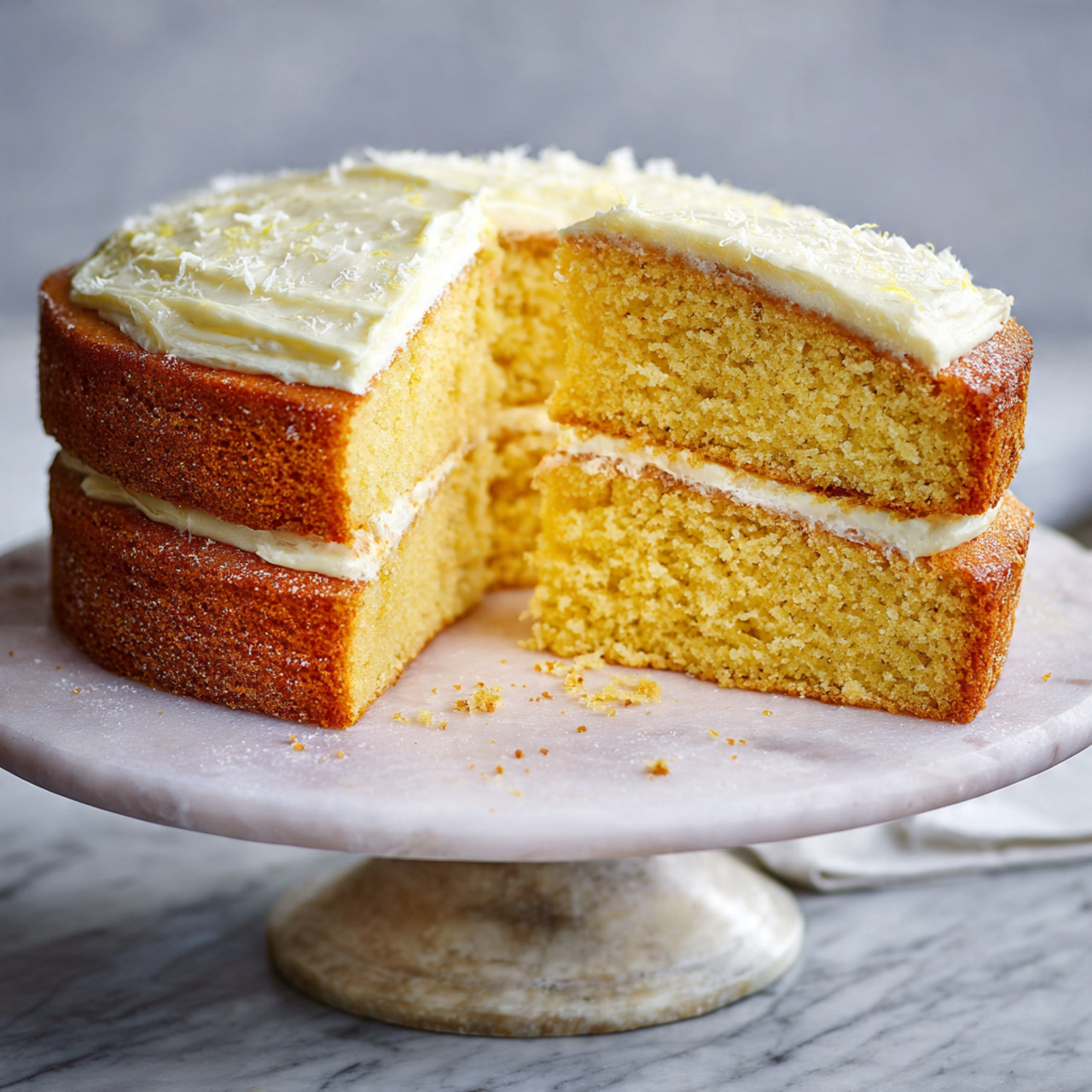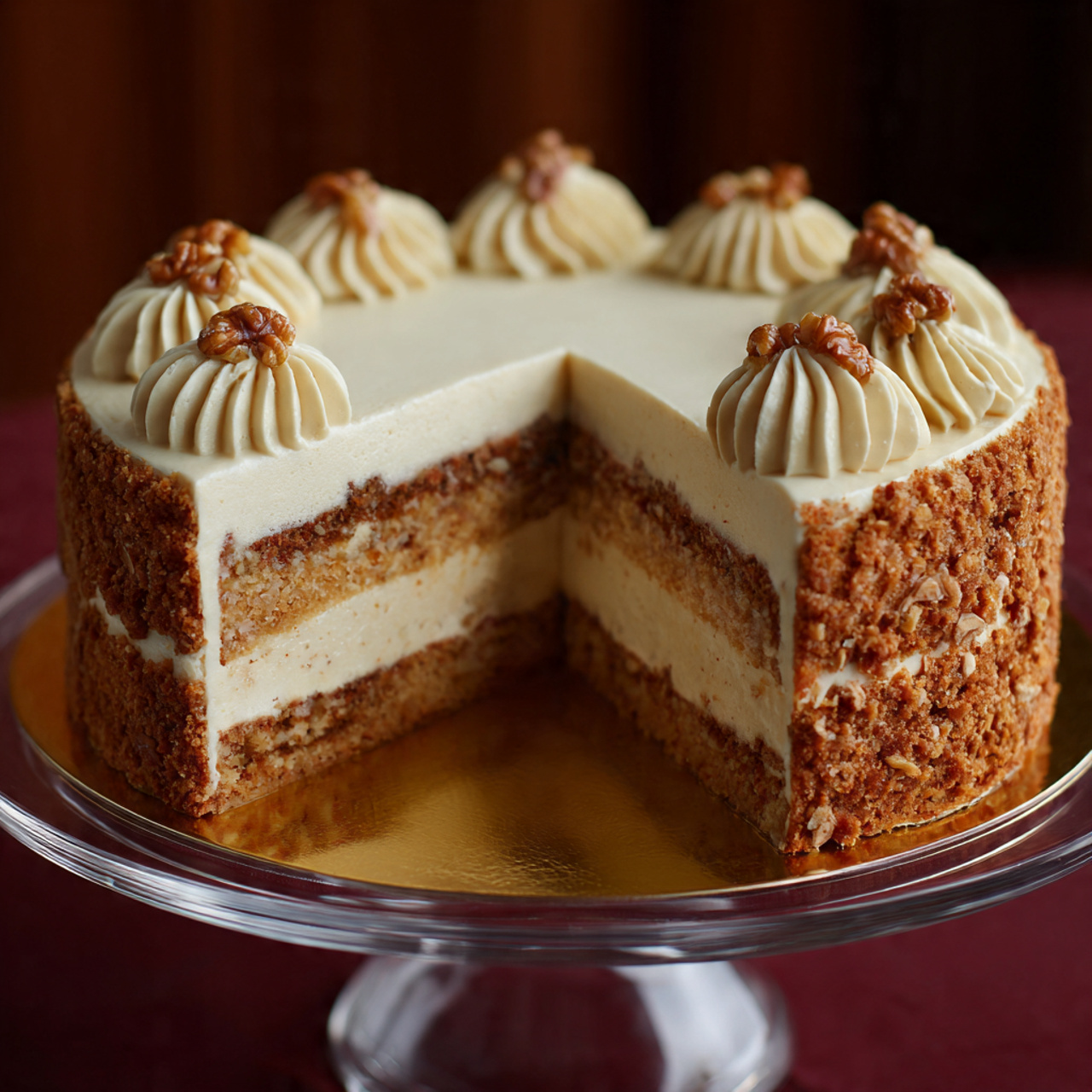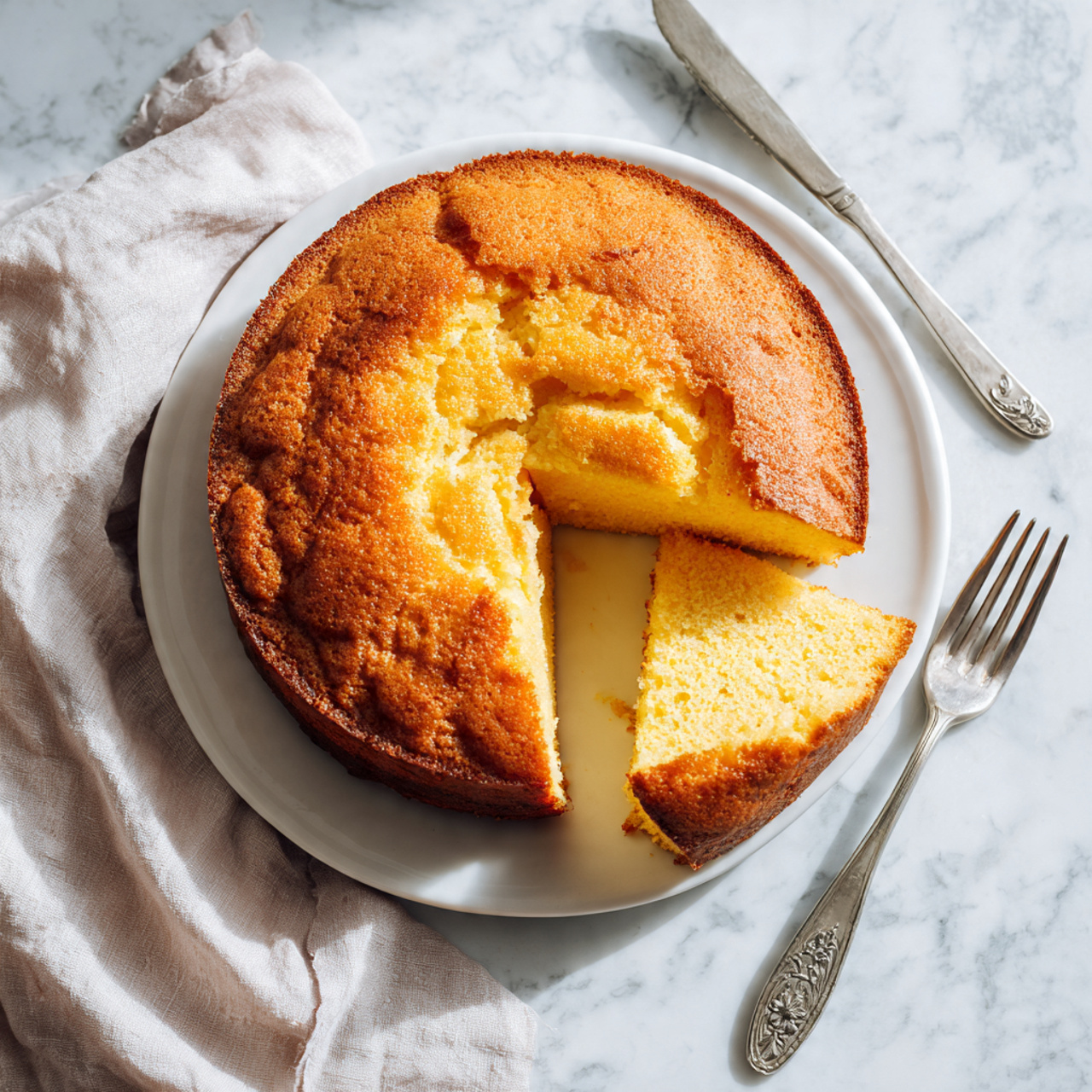
The Softest Cake Birthday Girl for Sweet Celebrations at Home
Most homemade Cake birthday girl come out of the oven dry, dense, or flat — the kind you end up burying under frosting just to make them edible. The culprit is almost always too much mixing or a few extra minutes in the oven, and this birthday girl cake fixes both so the sponge stays soft and tender every single time.
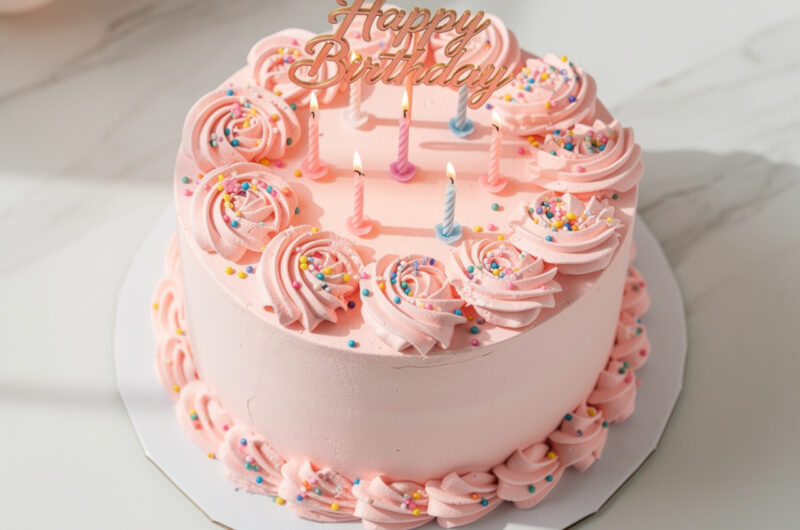
Picture a pillowy crumb that springs back under your fork, swirled with a vanilla buttercream so silky it melts the second it touches your tongue. The scent of warm butter and vanilla drifts through the kitchen while it bakes, and that first bite is gentle, sweet, and just rich enough without ever feeling heavy. It tastes like the birthday cakes you remember from childhood, only better.
This is the cake I reach for when I want something cheerful for a small family birthday, a weekend get-together, or a cozy afternoon when someone deserves a little spoiling. It’s an easy birthday cake recipe that beginners can pull off with confidence, and the tender, fluffy vanilla cake layers hold up beautifully whether you keep things plain or pile on the sprinkles. Whether it’s your first cake or your fiftieth, this one is about to earn a permanent spot in your celebration rotation.
Why You’ll Love This Recipe
Soft, Tender Crumb Every Time
The sponge bakes up light and springy thanks to well-creamed butter and a gentle folding method. Better still, it stays moist for days instead of drying out by the next morning.
A Frosting That Actually Tastes Good
This is not the cloying, gritty frosting you scrape off and leave on the plate. The vanilla buttercream is smooth, creamy, and balanced with a tiny pinch of salt so the sweetness never takes over.
Beginner-Friendly From Start to Finish
There are no fancy techniques or special equipment here. If you can stir a bowl and spread a layer, you can make this cake look like it came from a bakery.
Made for Sharing
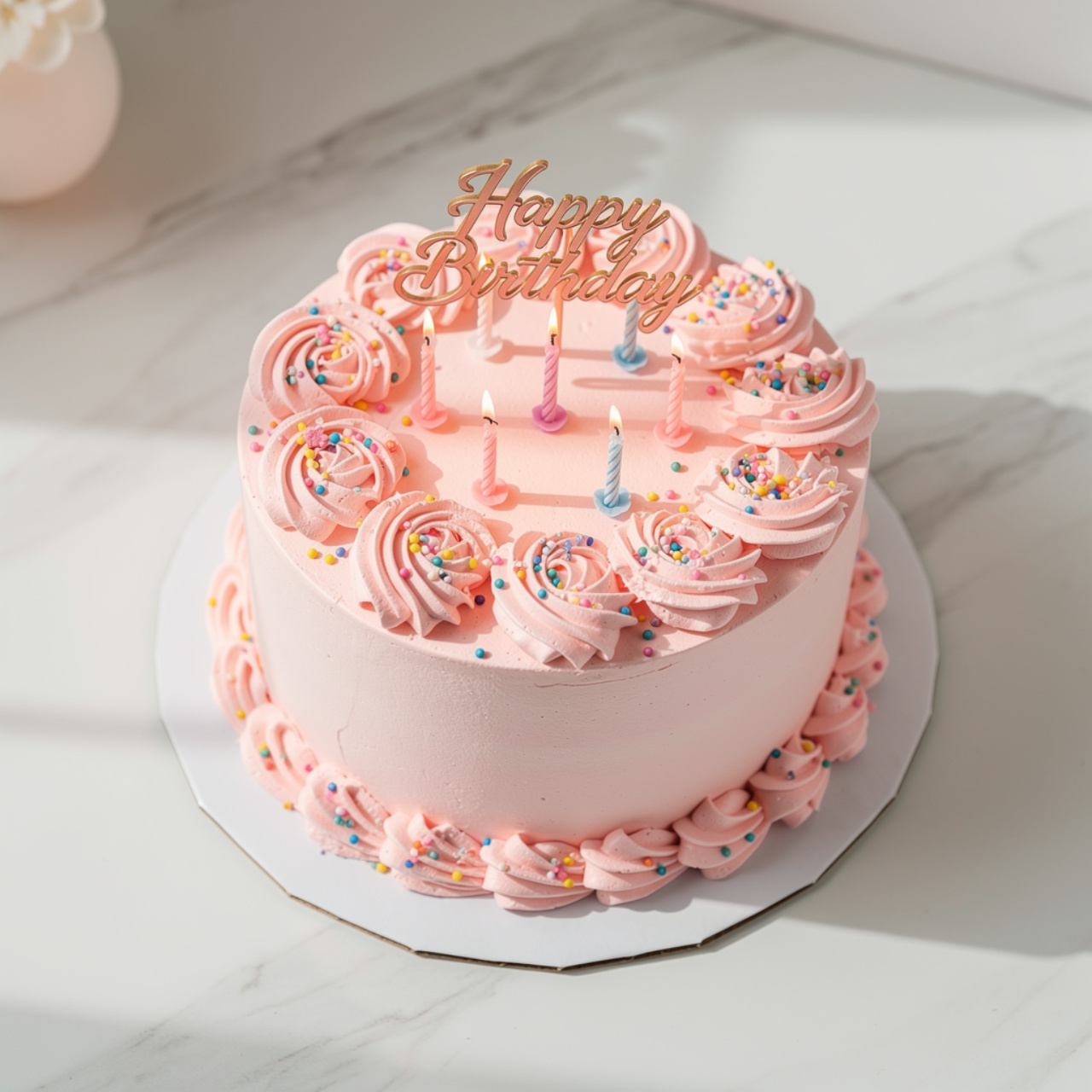
It slices cleanly into neat pieces, scales up easily for a crowd, and travels well to potlucks and parties. It’s the kind of homemade birthday cake that disappears before the candles cool.
Classic Flavor, Endless Twists
At heart it’s a timeless vanilla cake, but it welcomes any spin you want — citrus zest, a cocoa swirl, fresh berries, or a rainbow of sprinkles for the guest of honor.
Ingredients
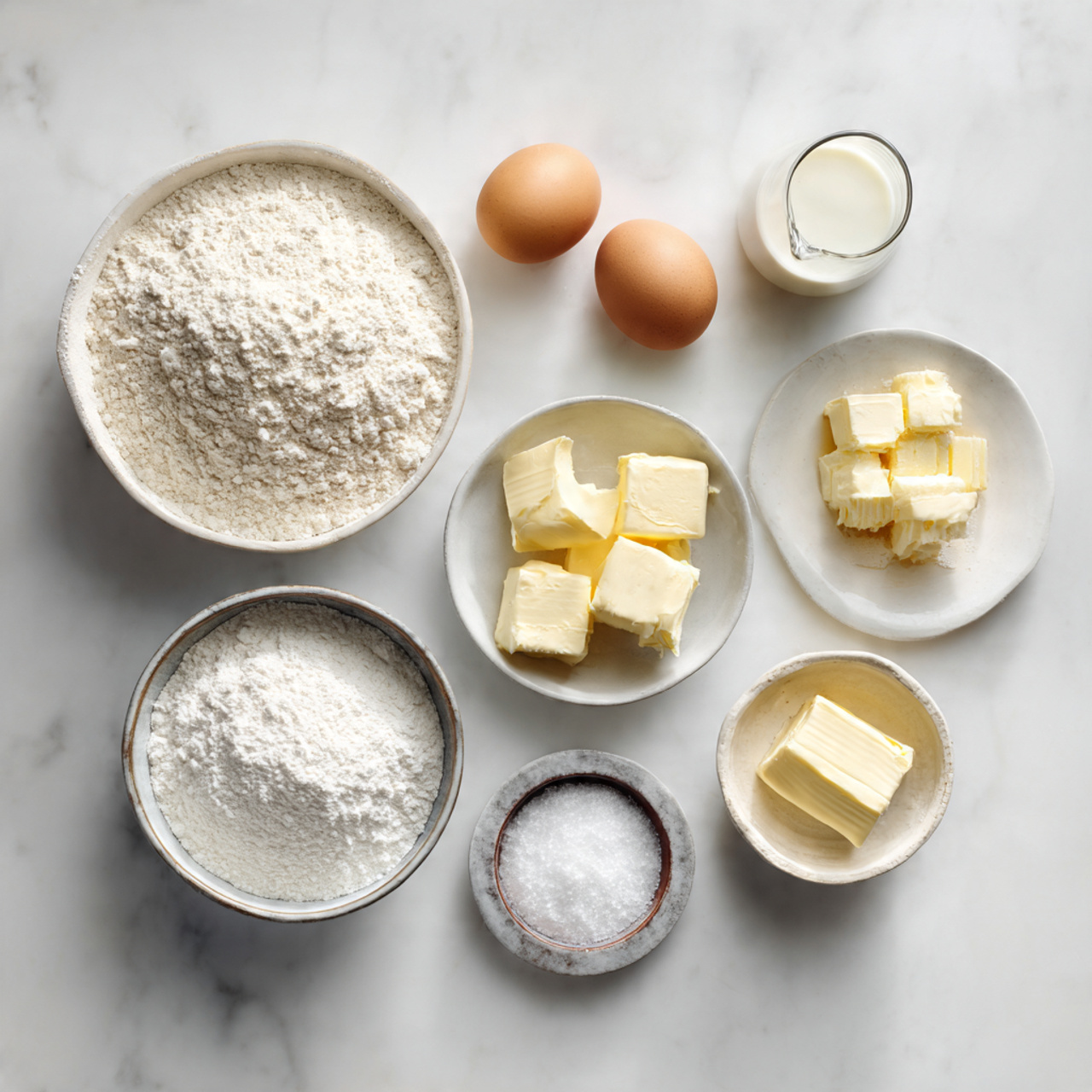
The magic here comes from fresh eggs and good butter, so use the best you have on hand for the softest, fluffiest result.
For the Cake Layers
- 2 cups all-purpose flour
- 1 cup sugar (granulated)
- ½ cup unsalted butter, softened (left out about 30 minutes)
- 3 eggs (large, at room temperature)
- 1 cup milk (whole milk gives the richest crumb)
- 2 tsp baking powder (make sure it’s fresh for a good rise)
- 1 tsp vanilla extract (pure, not imitation)
- ¼ tsp salt
For the Vanilla Buttercream
- 1 cup unsalted butter (softened)
- 2 cups powdered sugar (sifted to avoid lumps)
- 2–3 tbsp milk (add gradually to control thickness)
- 1 tsp vanilla extract (pure)
- Food coloring (optional, for a festive touch)
The creamed butter and eggs give the layers their soft, airy lift, while the buttercream adds a cool, velvety richness that wraps around every bite. Together they strike that perfect balance of light sponge and creamy sweetness.
How to Make the Birthday Girl Cake — Step-by-Step
Step 1: Prep Your Oven and Pans
Preheat the oven to 180°C (350°F), grease two small cake pans, and line the bottoms with parchment. A well-prepped pan means your layers lift out clean with no sticking or tearing.
Step 2: Whisk the Dry Ingredients
In a bowl, whisk together the flour, baking powder, and salt until evenly combined. This spreads the leavening throughout so the cake rises evenly instead of in pockets. Don’t worry if it looks plain right now — this is just the foundation.
Step 3: Cream the Butter and Sugar
Beat the softened butter and sugar until the mixture turns pale, light, and fluffy, about 3 to 4 minutes. Add the eggs one at a time, mixing gently after each, until the batter looks smooth and glossy. This is where the airy texture begins, so take your time.
Step 4: Bring the Batter Together
Pour in the milk and vanilla, then add the dry ingredients in a few additions, folding gently with a spatula until just smooth. Stop the moment the flour disappears. Don’t worry if a few tiny lumps remain — they’ll bake out, and overmixing is exactly what makes cakes tough.
Step 5: Bake the Layers
Divide the batter evenly between the pans and smooth the tops. Bake for 25 to 30 minutes, until the cakes are golden and a toothpick inserted in the center comes out clean. Your kitchen will smell warm and buttery when they’re ready.
Step 6: Cool Completely
Let the layers rest in the pans for 10 minutes, then turn them out onto a rack to cool fully. This matters more than it seems: frosting a warm cake melts the buttercream into a slippery mess, so be patient and let the layers reach room temperature.
Step 7: Make the Buttercream and Frost
Beat the butter until creamy, then add the powdered sugar a little at a time, followed by the vanilla and just enough milk to reach a soft, spreadable texture. Stir in food coloring if you like, then frost the cooled layers and finish with sprinkles. You’ll know it’s right when it swirls smoothly off the spatula.
Perfecting This Recipe
- Cream the butter and sugar for a full 3 to 4 minutes so plenty of air gets whipped in for a lighter crumb.
- Add the eggs one at a time to keep the batter from splitting or curdling.
- Fold the dry ingredients in by hand rather than beating, which protects that tender texture.
- Tap the filled pans gently on the counter before baking to release big air pockets and level the batter.
- Start checking for doneness a few minutes early, since carryover heat keeps cooking the cake even after you pull it.
- Cool the layers completely before frosting so the buttercream sets instead of sliding.
Common Mistakes to Avoid
- Overmixing the batter — Beating after the flour goes in develops gluten and gives you a dense, rubbery cake. Fold only until combined.
- Using cold butter or eggs — Cold ingredients won’t cream or blend properly, leaving you with a heavy, uneven crumb. Let them sit out first.
- Opening the oven too early — A blast of cool air can make the rising layers sink in the middle. Wait until the last few minutes to peek.
- Frosting a warm cake — Even slightly warm layers melt the buttercream and cause it to slide right off. Always cool fully.
- Skipping the salt — A small pinch in both the batter and frosting balances the sweetness. Leave it out and the cake can taste flat and overly sugary.
Add Your Touch
- Fold a handful of rainbow sprinkles into the batter for a classic funfetti look.
- Add the zest of one lemon or orange for a bright, fresh lift.
- Swirl 2 tablespoons of cocoa powder into half the batter for a marbled effect.
- Tuck a layer of fresh strawberries, raspberries, or sliced banana between the cakes.
- Tint the buttercream in the birthday guest’s favorite color and pipe a simple border.
- Swap a splash of the vanilla for almond extract for a bakery-style flavor.
Visit Also: Fish Cake
What to Serve With This
- A scoop of vanilla or strawberry ice cream alongside each slice
- Fresh berries or a handful of sliced mango for a fruity contrast
- A pot of warm tea or a tall glass of cold milk
- A drizzle of chocolate or berry sauce for the extra-indulgent crowd
- Sparkling lemonade or fruit punch to keep the party feeling festive
Storing and Serving
Fridge Store the frosted cake in an airtight container in the fridge for up to 3 days. Slice larger cakes before storing to save space and keep the cut edges from drying out.
Freezer Wrap unfrosted layers tightly in plastic and freeze for up to 1 month. To freeze frosted slices, set them on a tray until firm, then transfer to a bag. Thaw in the fridge overnight before serving.
Reheating This cake is best enjoyed at room temperature rather than reheated. Let chilled slices sit out for 15 to 20 minutes so the crumb softens and the buttercream loses its fridge-firm chill.
Make-Ahead Tip Bake the layers a day ahead, wrap them well once cool, and store at room temperature, then frost on the day you plan to serve for the freshest look and texture. For bigger cakes, keep the layers separate until you assemble.
Servings This recipe makes one two-layer cake that serves about 8 to 10 slices, depending on how generously you cut.
Nutrition (Approximate Per Serving)
- Calories: 250–320
- Total Fat: 14g
- Saturated Fat: 9g
- Carbohydrates: 36g
- Sugar: 26g
- Protein: 4–6g
- Sodium: 150mg
Nutritional values are approximate and may vary based on specific ingredients and brands used.
Chef’s Helpful Tips
- Bring your butter, eggs, and milk to room temperature before you start; they blend into a smoother, more even batter.
- Set a timer and check the cake a few minutes early — overbaking by even five minutes is the fastest road to a dry crumb.
- For clean slices, dip your knife in hot water and wipe it between cuts so the buttercream doesn’t drag.
- Use pure vanilla extract and fresh baking powder; in a simple cake like this, ingredient quality really shows.
- If your cake turns out too dense, the batter was probably overmixed; if it comes out dry, it likely spent a few minutes too long in the oven. Small tweaks next time fix both.
Frequently Asked Questions
Q1. Can I make this cake ahead of time? Absolutely. Bake the layers a day in advance, wrap them well once cool, and store them at room temperature, then frost on serving day. That makes this a stress-free choice for parties and potlucks.
Q2. What can I use instead of butter? You can swap the butter in the cake for an equal amount of neutral oil, like canola or sunflower, for an even softer crumb. For the frosting, stick with butter or a quality baking margarine so it still sets up firm and creamy.
Q3. Is this recipe beginner-friendly? Very much so. There are no complicated techniques, and as long as you avoid overmixing and overbaking, it’s hard to get wrong. It’s one of the most forgiving cakes you can start with.
Q4. How is this different from a boxed cake mix? It’s softer, more buttery, and free of the slightly artificial aftertaste boxed mixes can have. You control the sweetness and freshness, and the homemade vanilla flavor comes through far more clearly.
Q5. Can I freeze this cake? Yes. Freeze the cooled, unfrosted layers tightly wrapped for up to a month, or freeze frosted slices individually. Thaw them overnight in the fridge and let them come to room temperature before serving.
Conclusion
There’s something quietly joyful about pulling a cake you made yourself out of the oven, knowing it’s going to make someone’s day a little brighter. This birthday girl cake delivers that feeling without the stress — soft, tender layers and a creamy vanilla frosting that come together with everyday ingredients and a little patience. It’s comforting enough for a quiet family evening and pretty enough to be the centerpiece of a celebration.
However you decorate it, with a shower of sprinkles or a single candle, this cake is meant to be made your own. Bake it for the birthday girl in your life, share it with the people you love, and don’t be surprised when they ask for it again next year. Once it’s part of your kitchen, it has a way of sticking around.ll find yourself coming back to it again and again, adjusting flavors and decorations to match each occasion in your own cozy way.
Cake Birthday Girl
Course: Trending Cake4
servings20
minutes30
minutes285
kcal1
hour10
minutesSoft, fluffy vanilla layers with creamy buttercream frosting — a cheerful, beginner-friendly cake perfect for birthdays and family celebrations.
Ingredients
For the Cake Layers:
2 cups all-purpose flour
1 cup sugar
½ cup unsalted butter, softened
3 eggs
1 cup milk
2 tsp baking powder
1 tsp vanilla extract
¼ tsp salt
For the Vanilla Buttercream:
1 cup unsalted butter, softened
2 cups powdered sugar
2–3 tbsp milk
1 tsp vanilla extract
Food coloring (optional)
Directions
- Preheat oven to 180°C (350°F). Grease and line two small cake pans.
- Whisk together flour, baking powder, and salt.
- Cream butter and sugar until light and fluffy. Beat in eggs one at a time.
- Mix in milk and vanilla, then fold in the dry ingredients until just combined.
- Divide batter between pans. Bake 25–30 minutes, until golden and a toothpick comes out clean.
- Cool layers completely on a rack.
- Beat butter, then add powdered sugar, vanilla, and milk until smooth. Frost cooled layers and decorate.