The Softest Easy Vanilla Cake for Cozy Evenings at Home
Most from-scratch vanilla cakes come out dry, dense, or oddly rubbery, and it almost always traces back to two things: a heavy hand with the flour and one extra minute with the mixer. This recipe sidesteps both problems with a gentle one-bowl method that keeps the crumb soft and tender every single time, no special skill or fancy equipment required.
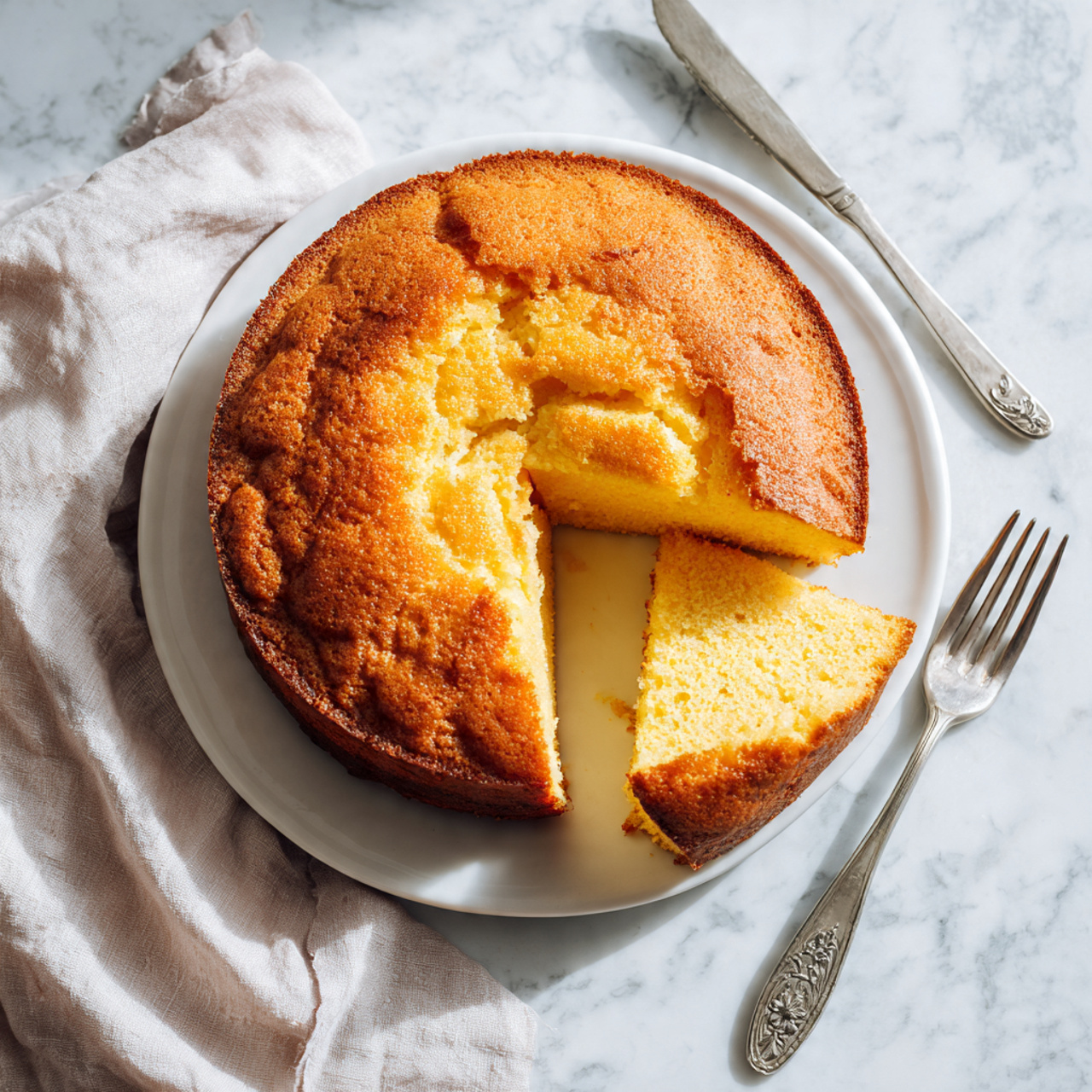
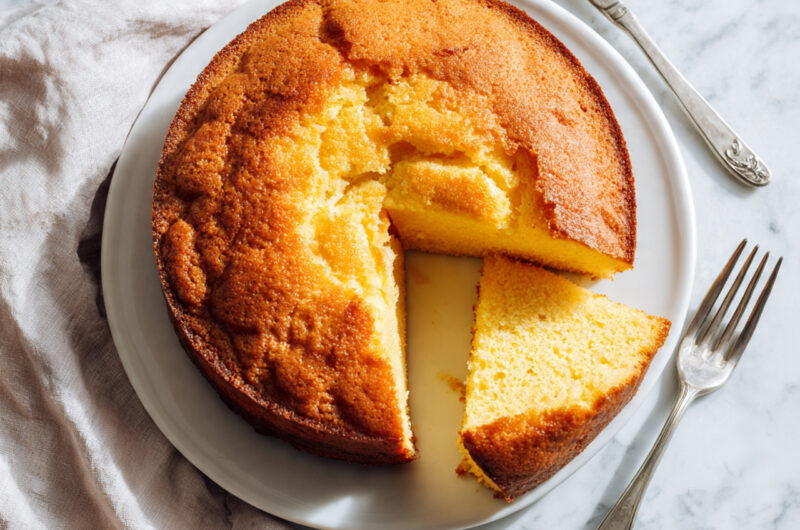
Imagine pulling a pan from the oven with a golden, gently domed top while warm vanilla drifts through the whole kitchen. The first slice gives way with barely any pressure, the crumb fine and pillowy, buttery without being rich, just sweet enough to feel like a treat but never cloying. It is the sort of bite that pairs with a hot drink and a quiet moment, and somehow tastes even better the next day.
This is the kind of homemade cake that fits real life. Bake it for a weeknight craving, carry it to a weekend potluck, or set it out for a slow Sunday afternoon with family. Forgiving enough to be a true beginner cake recipe, it still tastes like you put in real effort. Whether it is your first cake or your fiftieth, here is how to make it turn out beautifully.
Why You’ll Love This Recipe
Soft, Tender Crumb
The combination of creamed butter, milk, and a gentle mixing method gives this cake a remarkably soft texture. Each slice stays moist rather than crumbly, and it holds that tenderness well into the next day.
Comforting, Balanced Flavor
Pure vanilla and a measured amount of sugar keep this cake gently sweet instead of sugary. The buttery base tastes rich and homey without overwhelming your palate, which makes it endlessly easy to enjoy.
Genuinely Easy to Make
You only need one bowl, a handful of pantry staples, and a little patience while it bakes. There are no water baths, no special pans, and no complicated steps, so even a first-time baker can pull it off.
Family and Potluck Friendly
This moist vanilla cake travels well and slices cleanly, which makes it a reliable choice for gatherings. It scales up or down easily, so you can bake for two or for a small crowd without rewriting the recipe.
Classic Base With Room to Play
On its own it is a comforting classic, but it also doubles as a blank canvas. Add citrus zest, a handful of berries, or a quick glaze, and the same simple batter becomes something a little special.
Ingredients
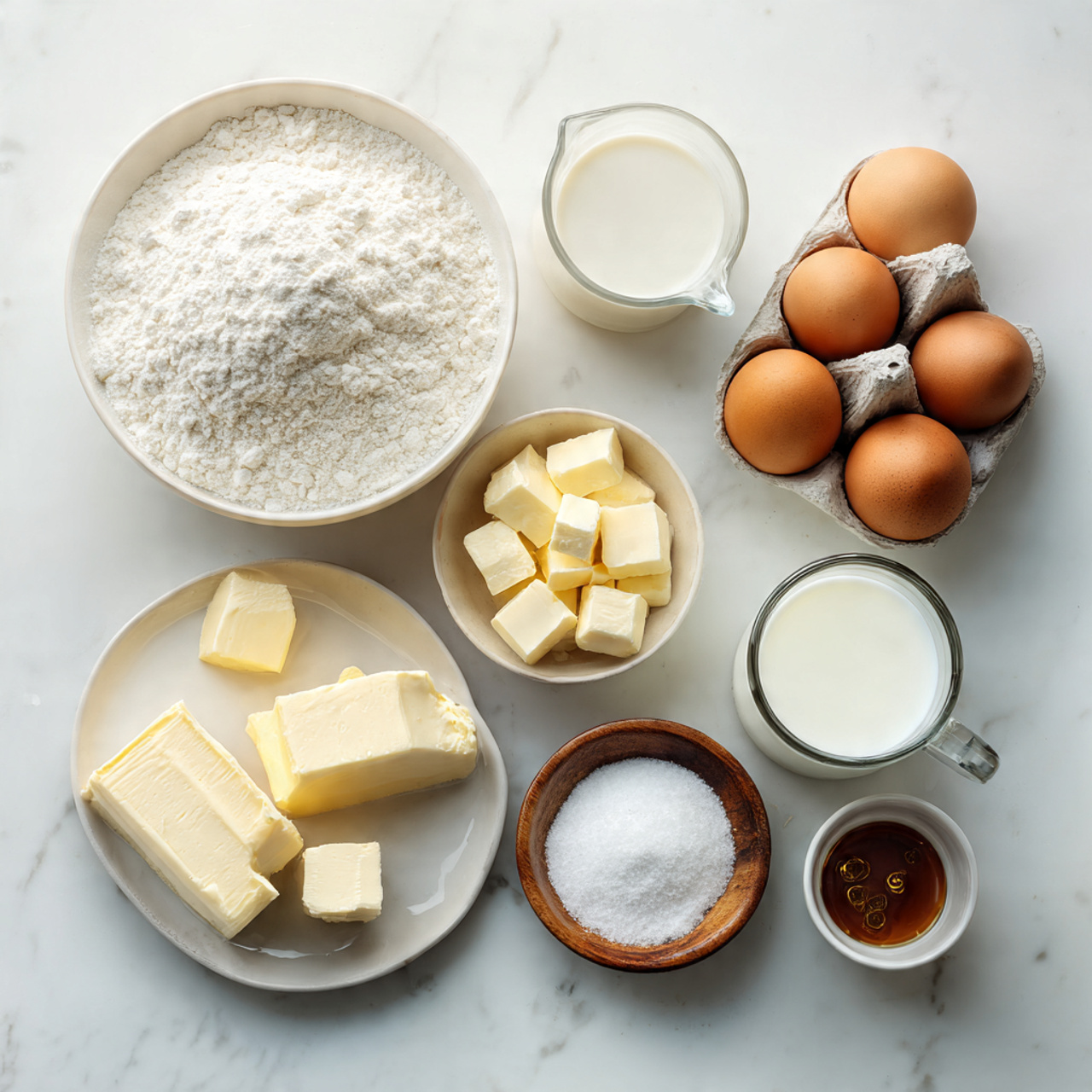
Need a tip A quick tip before you start: use fresh eggs and softened, room-temperature butter. Cold ingredients fight the batter and lead to a denser cake, while room-temperature ones blend into a smooth, even mixture.
Dry Ingredients
- 2 cups all-purpose flour (spooned and leveled, not packed)
- 1 tablespoon baking powder (check that it is fresh for the best rise)
- Pinch of salt (it sharpens the vanilla and balances the sweetness)
Wet Ingredients
- 1 cup sugar (regular granulated)
- 1/2 cup butter, softened (unsalted works best so you control the salt)
- 2 large eggs (at room temperature)
- 1 cup milk (whole milk gives the richest crumb)
- 1 teaspoon vanilla extract (pure, not imitation, for the truest flavor)
The creamed butter and sugar build a light structure, the eggs and milk bring moisture and tenderness, and the flour and baking powder lift it all into a soft, even crumb. Together they give you a cake that is rich enough to feel indulgent yet light enough to enjoy a second slice.
How to Make Easy Vanilla Cake — Step-by-Step
Step 1: Prep Your Oven and Pan
Preheat the oven to 180°C (350°F) and lightly grease a baking pan. Set out your butter, eggs, and milk so they come to room temperature while the oven heats. Don’t worry if you forgot to soften the butter ahead of time; a few minutes near the warm oven will get it there.
Step 2: Cream the Butter and Sugar
In a large bowl, beat the softened butter and sugar together until the mixture turns pale and fluffy. This usually takes a couple of minutes, and you’ll know it’s ready when the color lightens and the texture looks soft and airy. This little bit of air is what keeps the cake tender.
Step 3: Add the Eggs, Milk, and Vanilla
Add the eggs one at a time, mixing gently after each. Pour in the milk and vanilla and stir until the batter looks smooth and slightly creamy. Don’t worry if it seems a touch thin at this stage; it firms up the moment the flour goes in.
Step 4: Fold in the Dry Ingredients
In a separate bowl, whisk the flour, baking powder, and salt together, then add them to the wet mixture in batches. Fold gently and stop the moment no dry streaks remain. The batter should look soft and slightly thick, and a few tiny lumps are perfectly fine.
Step 5: Bake and Cool
Pour the batter into your prepared pan and bake for 30 to 35 minutes. It’s ready when the top is golden, the kitchen smells of warm vanilla, and a toothpick inserted in the center comes out clean. Let the cake cool in the pan for about 10 minutes before slicing so the crumb has time to set.
Perfecting This Recipe
- Spoon your flour into the measuring cup and level it off with a knife rather than scooping, which packs in too much and dries out the cake.
- Cream the butter and sugar fully until pale and fluffy; this step builds the structure that keeps the crumb light.
- Stop mixing as soon as the flour disappears into the batter. Overmixing develops gluten and turns a soft cake tough.
- Trust the toothpick test over the clock, since pan size and oven quirks shift the timing by a few minutes either way.
- Let the cake rest before slicing. Cutting too early tears the warm, still-setting crumb and lets moisture escape.
Common Mistakes to Avoid
- Using cold butter and eggs — Cold ingredients won’t cream or blend smoothly, leaving you with a dense, uneven texture. Pull them out ahead of time so they reach room temperature.
- Packing the flour — Scooping flour straight from the bag compresses it and adds too much, which is the number one cause of a dry, heavy cake. Spoon and level instead.
- Overmixing the batter — Stirring past the point where the flour just disappears builds gluten and makes the cake rubbery. Fold gently and stop early.
- Opening the oven too soon — Letting heat escape in the first 20 minutes can cause the center to sink. Wait until the top looks set before checking.
- Slicing while hot — A warm cake is still firming up, so cutting early gives you ragged slices and a gummy crumb. Give it those few minutes to cool.
Add Your Touch
- Fold a handful of chocolate chips into the batter for melty pockets of sweetness.
- Stir in the zest of a lemon or orange for a bright, fresh lift.
- Add a pinch of cinnamon or cardamom for cozy, warming spice.
- Press fresh blueberries or chopped strawberries gently into the top before baking.
- Finish a cooled cake with a simple powdered-sugar glaze or a dusting of icing sugar.
Visit Also: Cake Birthday Girl
What to Serve With This
- A hot cup of tea or coffee for a classic afternoon pairing.
- Fresh sliced strawberries or bananas to keep things light and colorful.
- A spoonful of softly whipped cream for a touch of richness.
- A drizzle of warm custard for a comforting, dessert-style finish.
- A scoop of vanilla ice cream when you want to turn a slice into something special.
Storing and Serving
Fridge Store the cooled cake in an airtight container in the refrigerator for up to 4 days. For grab-and-go ease, wrap individual slices; a whole cake keeps best left uncut until you’re ready to serve.
Freezer Wrap slices tightly in plastic and freeze for up to 2 months. Individual portions thaw quickly and cleanly, while larger amounts freeze well in sections so you only defrost what you need.
Reheating Warm a slice in the microwave for 10 to 15 seconds to bring back that fresh-baked softness. For several slices at once, a few minutes in a low oven works nicely. Avoid overheating, which dries the cake out.
Make-Ahead Tip Bake the cake a day in advance and store it covered at room temperature or in the fridge. It stays soft and ready to serve, so you can prep the rest of your menu without the last-minute rush.
Servings This recipe yields about 8 slices. Halve the ingredients for a smaller cake for two, or double everything and use a larger pan for a crowd.
Nutrition (Approximate Per Serving)
- Calories: 240
- Total Fat: 10g
- Saturated Fat: 6g
- Carbohydrates: 33g
- Sugar: 17g
- Protein: 5g
- Sodium: 180mg
Nutritional values are approximate and may vary based on specific ingredients and brands used.
Chef’s Helpful Tips
- Bring butter, eggs, and milk to room temperature first; they blend into a smoother batter and bake into a softer crumb.
- Set a timer for the early end of the range and check with a toothpick to avoid overbaking and drying out the cake.
- For clean slices, use a sharp knife and wipe it between cuts, working on a fully cooled cake.
- Choose pure vanilla and fresh baking powder, since both make a noticeable difference in flavor and rise.
- If your cake turns out dense, suspect too much flour or overmixing next time; if it’s a touch dry, pull it from the oven a few minutes earlier.
Frequently Asked Questions
Q1. Can I make this cake ahead of time? Absolutely. Bake it a day early and keep it covered at room temperature or in the fridge, and it will stay soft and ready to serve. Just hold off on any glaze or fresh fruit topping until right before serving.
Q2. How is this different from a boxed cake mix? Think of it as the homemade upgrade to your usual boxed cake, with the same comforting vanilla flavor but a fresher, more buttery taste. Because you control the ingredients, the crumb comes out softer and the flavor feels more genuine.
Q3. Is this recipe beginner friendly? Very. It uses one bowl, basic pantry staples, and a forgiving method with no tricky techniques, which makes it a great first cake. As long as you measure the flour gently and avoid overmixing, it’s hard to get wrong.
Q4. Can I replace the milk with something else? Yes. Plain yogurt thinned slightly, or your favorite plant-based milk such as oat or almond, both work as a one-to-one swap. Keep the same quantity so the batter stays smooth and not too runny.
Q5. Can I freeze the leftovers? Definitely. Wrap slices tightly and freeze for up to 2 months, then thaw at room temperature or warm gently in the microwave. Smaller portions freeze and thaw fastest, so slice before freezing if you like single servings.
Conclusion
There’s a quiet kind of reliability in an easy vanilla cake like this one. It asks for nothing fancy, forgives the small slips every home baker makes, and still rewards you with a soft, golden slice that feels like comfort on a plate. Plain with tea, dressed up with berries, or scaled for a gathering, it bends easily to whatever the day calls for.
Once you’ve made it, I think you’ll find yourself reaching for it again on those quiet evenings and busy weeknights when you want something homemade without the stress. Bake it, share it, and make it your own with a swirl of citrus or a handful of chocolate chips. Then save the recipe, because this is one you’ll come back to.s when you still want something homemade. Keep it simple, make it your own, and enjoy every slice.
Easy Vanilla Cake
Course: Cake4
servings10
minutes35
minutes240
kcal55
minutesA soft, moist, gently sweet one-bowl vanilla cake with a tender crumb and golden top. Perfect for busy weeknights, weekend afternoons, or sharing with family.
Ingredients
Dry Ingredients:
2 cups all-purpose flour
1 tablespoon baking powder
Pinch of salt
Wet Ingredients:
1 cup sugar
1/2 cup butter, softened
2 large eggs
1 cup milk
1 teaspoon vanilla extract
Directions
- Preheat oven to 180°C (350°F) and grease a baking pan.
- Cream butter and sugar until pale and fluffy.
- Beat in eggs one at a time, then stir in milk and vanilla until smooth.
- Whisk flour, baking powder, and salt, then fold into the wet mixture just until combined.
- Pour into the pan and bake 30 to 35 minutes, until golden and a toothpick comes out clean.
- Cool 10 minutes before slicing.