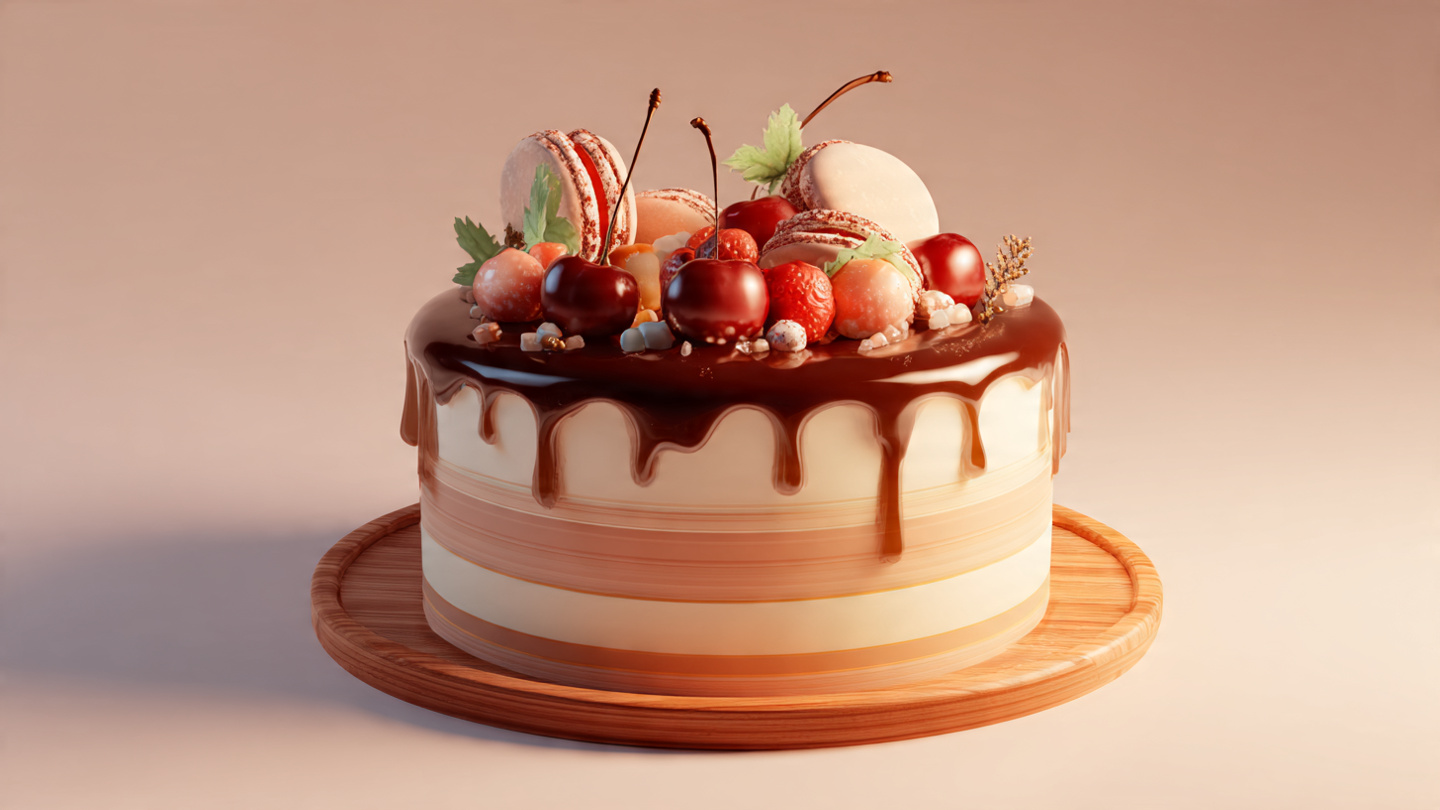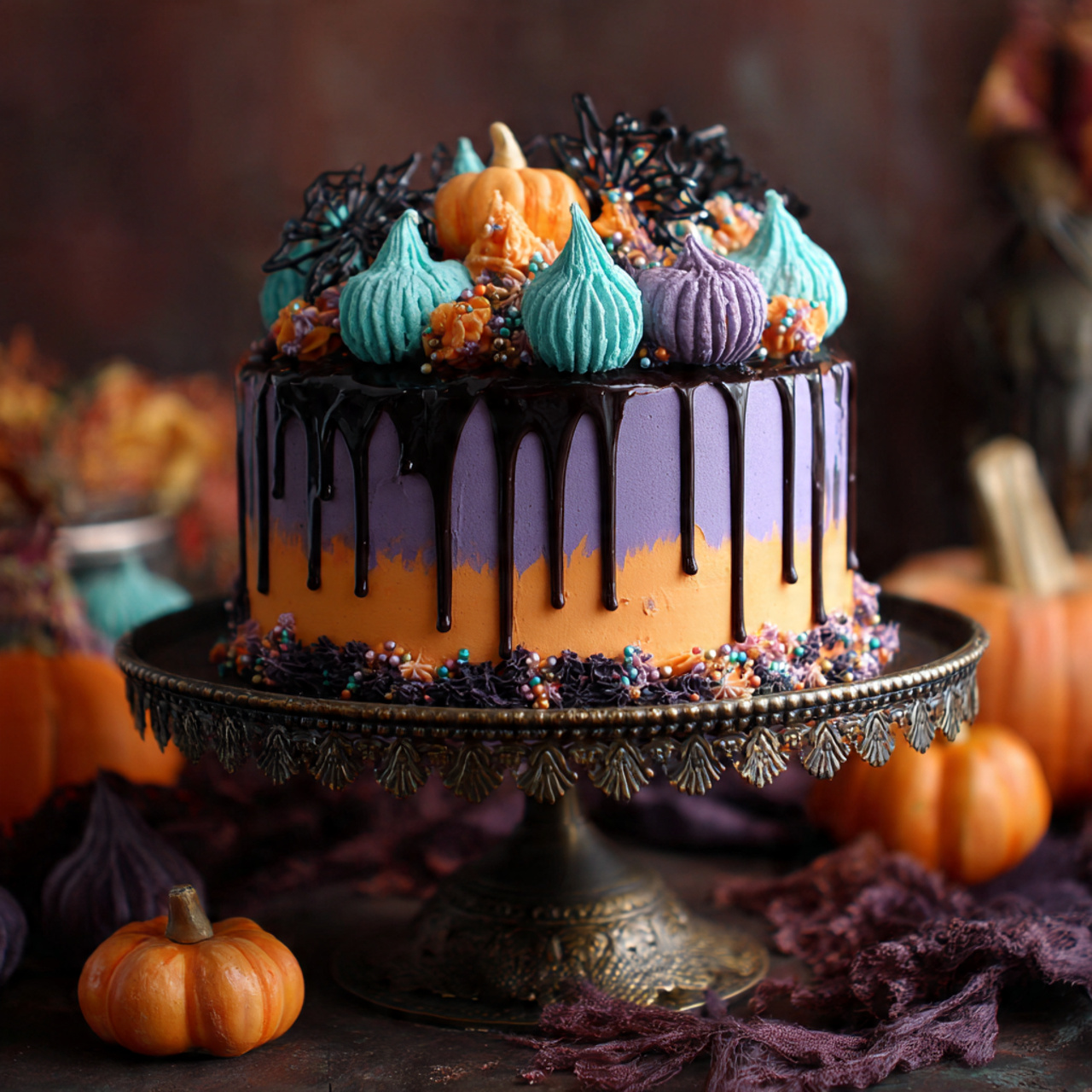
Soft, Fluffy Cake for Birthday That Turns Any Celebration Into a Sweet Memory
Most birthday cakes come out dense and dry — and the culprit is almost always the butter. Using cold butter straight from the fridge prevents the fat from creaming properly, which means the batter never traps the air that gives a cake its signature light crumb. This recipe fixes that with one simple rule, and the result is a tender, fluffy cake that actually tastes as good as it looks — every single time.
Picture a cake with a golden, paper-thin crust that gives way to a crumb so pillowy it practically melts the moment it hits your tongue. The warm scent of vanilla and butter drifts through the kitchen long before the oven timer goes off, and the kitchen fills with the kind of sweetness that makes everyone wander in asking what’s baking. Each bite carries that delicate balance — not too sweet, not too plain — just that cozy, familiar flavor that makes people reach for a second slice without even thinking about it.
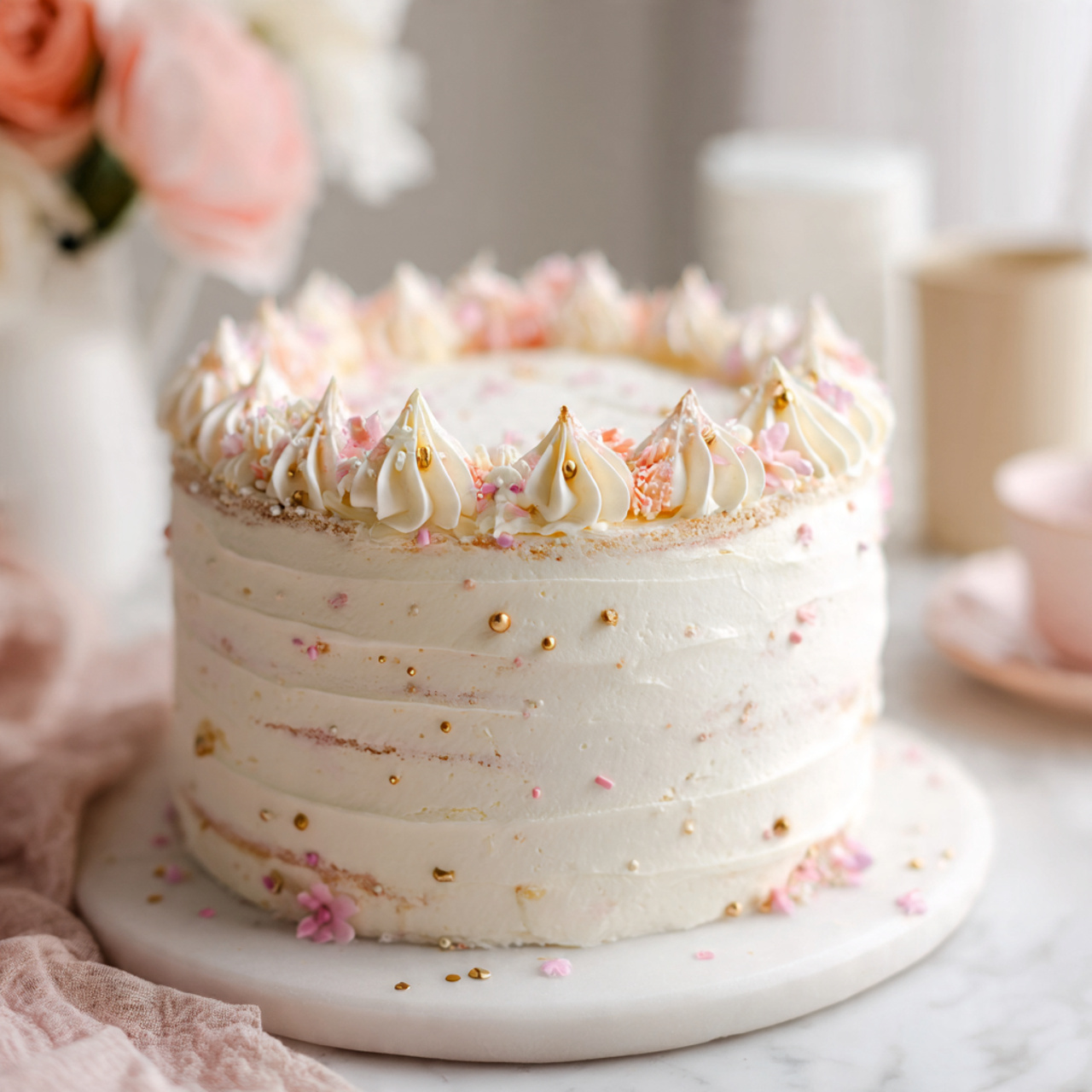
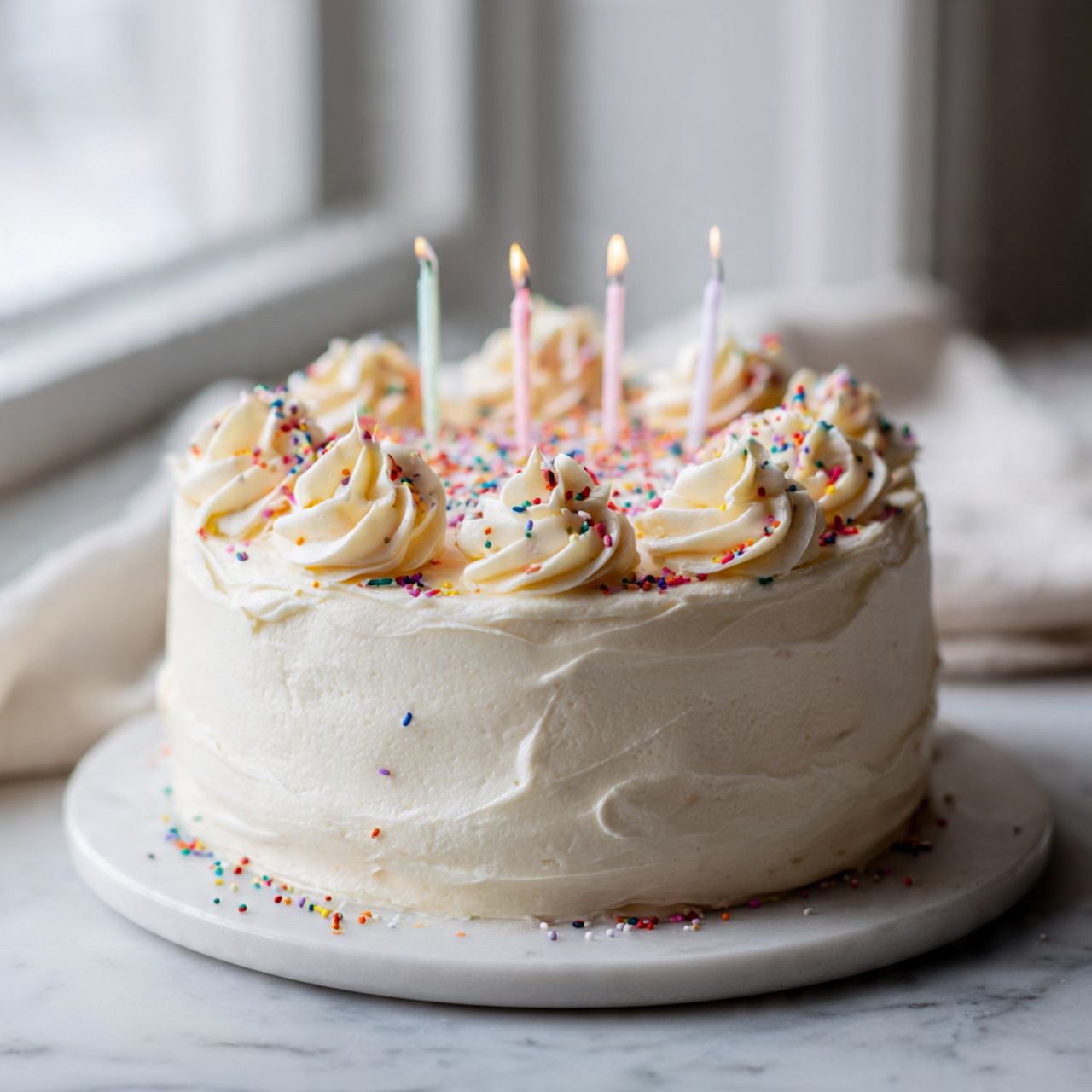
This is the kind of easy birthday cake recipe that fits just as naturally on a Tuesday-night dinner table as it does at a weekend celebration or a small backyard potluck. It’s perfect for kids’ birthdays, cozy family moments, and any occasion where you want to make someone feel genuinely celebrated without spending all day in the kitchen. Whether you dress it up with buttercream and sprinkles or keep it simple with a dusting of powdered sugar, this homemade birthday cake will earn a permanent spot in your baking rotation.
Why You’ll Love This Recipe
The Texture Is Impossibly Light
Every bite is soft, airy, and tender — the kind of crumb that only comes from properly creamed butter and carefully folded batter. It holds together beautifully when you slice and serve it, but never feels heavy or dense on the plate.
It Uses Ingredients You Already Have
No specialty items, no last-minute grocery runs. This birthday cake from scratch uses eight pantry staples that most home bakers already keep on hand. Simple ingredients that come together to create something genuinely special, no fuss required.
Beginner-Friendly From Start to Finish
You don’t need a stand mixer, a pastry background, or years of baking experience. The steps are clear, the method is forgiving, and the results are consistently good. If you’re new to baking, this is one of the friendliest recipes you could possibly start with.
It Bakes in Under an Hour
From mixing bowl to cooling rack, this recipe takes less than an hour of active time. You can bake it the morning of a birthday, the evening before, or even squeeze it into a busy weeknight — and still have something worth celebrating.
Endlessly Customizable for Any Occasion
Plain, this vanilla birthday cake is a beautiful classic. But the base is so flexible — fold in lemon zest, swirl in chocolate chips, layer it with jam and cream — every version feels like a brand-new cake without ever changing the core recipe.
Ingredients
For the Cake Batter
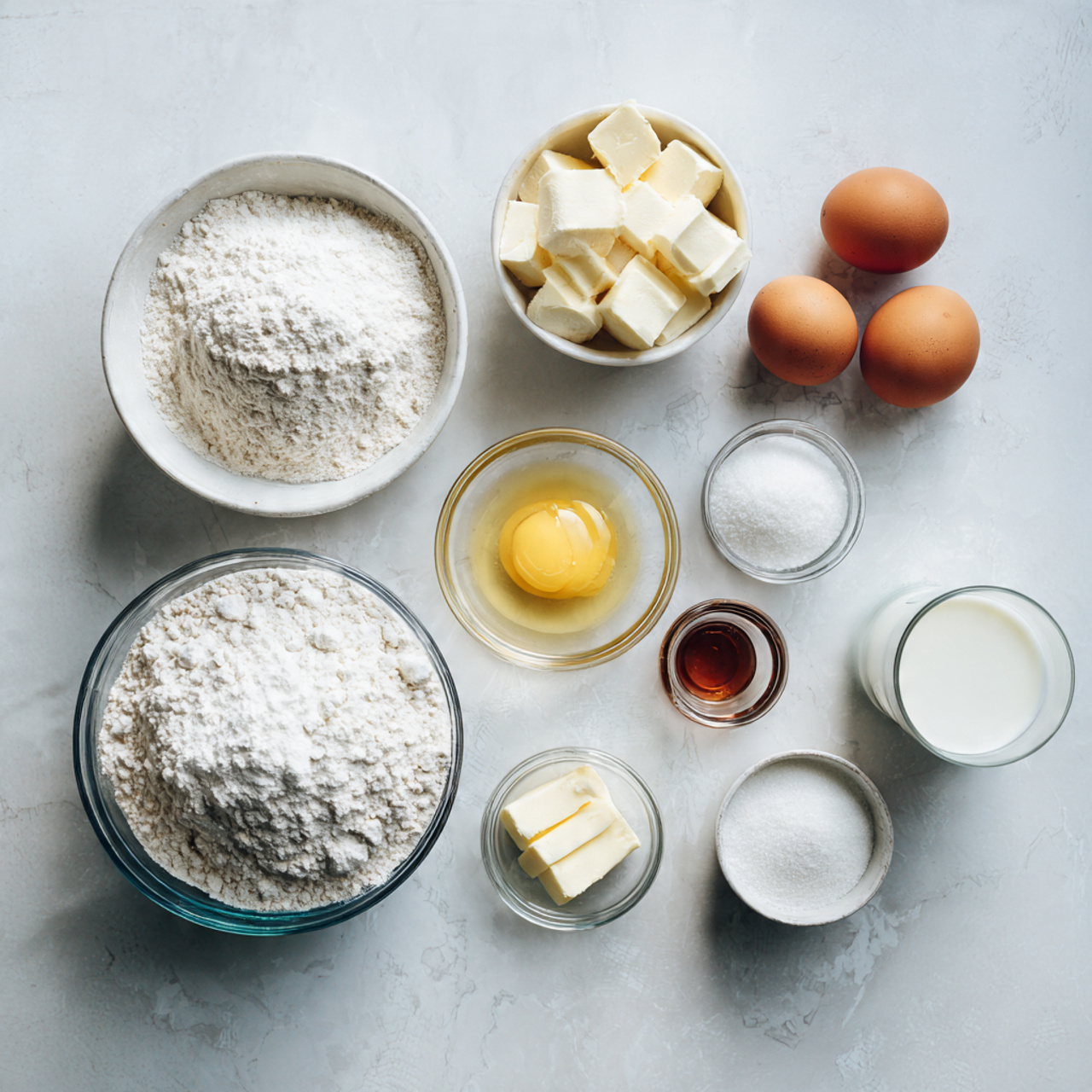
- 2 cups all-purpose flour
- 1 cup sugar
- ½ cup butter, softened to room temperature
- 2 eggs
- 1 cup milk (whole milk gives the richest, most tender result)
- 1 tsp vanilla extract (pure vanilla, not imitation — the flavor difference is noticeable)
- 1½ tsp baking powder
- ¼ tsp salt
The butter and sugar form the foundation of this cake’s airy texture, while the eggs add structure and the milk keeps everything moist and cohesive throughout. Vanilla threads quietly through every bite, bringing a warm sweetness that ties the whole cake together beautifully.
How to Make Cake for Birthday — Step-by-Step
Step 1: Prepare Your Pan and Dry Ingredients
Preheat your oven to 180°C (350°F) and grease a 9-inch round cake pan. If you want extra insurance against sticking, press a circle of parchment paper into the bottom of the pan. In a medium bowl, sift together the flour, baking powder, and salt — this takes about 30 seconds and prevents any clumps from making their way into your batter later.
Step 2: Cream the Butter and Sugar Until Pale and Fluffy
In a large bowl, beat the softened butter and sugar together until the mixture turns pale, noticeably lighter in both color and texture — this usually takes 2–3 minutes of steady mixing. Don’t worry if it seems like you’re spending a long time just mixing butter and sugar; that step is where all the cake’s lightness comes from, so it’s worth every second.
Step 3: Add the Eggs and Vanilla
Add the eggs one at a time, mixing well after each addition before adding the next. Stir in the vanilla extract. The batter should look smooth and slightly glossy at this point. Don’t worry if the mixture looks slightly curdled after the first egg — it smooths out once everything comes fully together.
Step 4: Fold in the Dry Ingredients and Milk
Add the sifted dry ingredients to the butter mixture in three parts, alternating with the milk in two parts — starting and ending with the flour. Stir gently after each addition until just combined. Stop as soon as the batter looks smooth and no dry streaks remain. Overmixing at this stage develops gluten and turns what should be a light cake into a tough, chewy one.
Step 5: Bake Until Golden and Toothpick-Clean
Pour the batter into your prepared pan and smooth the top with a spatula. Bake for 30–35 minutes, until the top is a warm golden color and a toothpick inserted into the center comes out completely clean. The edges will also pull slightly away from the sides of the pan when the cake is done. Let it cool in the pan for 10 minutes, then turn it out onto a wire rack and let it cool fully before you frost it.
Perfecting This Recipe
- Check that your butter leaves a clean indent when pressed but doesn’t feel greasy or slick — that’s the sweet spot for room temperature.
- Measure flour by spooning it into the measuring cup and leveling off the top; scooping straight from the bag packs in too much flour and throws off the texture.
- Always alternate wet and dry ingredients instead of adding everything at once — this keeps the batter smooth and prevents overmixing.
- Don’t open the oven door before the 25-minute mark; a rush of cold air can cause the center to sink before it’s had a chance to set.
- Let the cake cool completely before frosting — a warm cake is too fragile and will cause buttercream to slide right off the sides.
- For the most tender crumb, pull your eggs and milk out of the fridge alongside the butter so everything reaches room temperature at the same time before you begin.
Common Mistakes to Avoid
- Using cold butter — Cold butter won’t cream properly with the sugar, so you miss all the air bubbles that make this cake light. Always let your butter come fully to room temperature before you start.
- Overmixing after the flour goes in — The moment you can no longer see dry streaks in the batter, stop mixing. Overworking the batter develops too much gluten, and the result is a dense, tough cake instead of a tender one.
- Skipping the sifting step — Flour clumps naturally as it sits in the bag. Drop those clumps into wet batter and you’ll get lumpy, uneven texture throughout. A quick sift takes less than a minute and makes a real difference.
- Peeking too early — Opening the oven door before the structure sets lets cold air collapse the center. Trust the timer and wait until at least the 25-minute mark before checking.
- Frosting a warm cake — Patience here truly pays off. A warm cake is still soft and fragile, and even the stiffest buttercream will melt and pool at the base if the cake isn’t fully cooled first.
Add Your Touch
- Stir ½ tsp of fresh lemon or orange zest into the batter for a bright, citrusy lift that pairs beautifully with the vanilla.
- Fold in ½ cup of mini chocolate chips just before pouring into the pan for a fun, kid-friendly birthday twist.
- Divide the batter and swirl 1 tablespoon of cocoa powder into half for a light marble effect.
- Swap vanilla extract for almond extract to add a subtle, nutty sweetness that feels a little different and elegant.
- Press fresh blueberries or raspberries gently into the top of the batter just before baking for color and a natural fruity flavor.
- Slice the cooled cake in half horizontally, spread with whipped cream and sliced strawberries, and reassemble for a simple but beautiful layered version.
Visit Also: Girl Cake
What to Serve With This
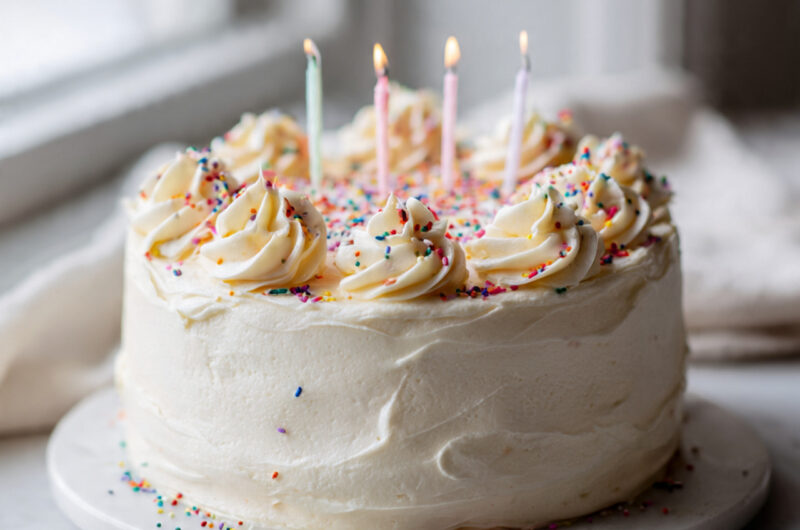
- A thick swirl of vanilla buttercream and rainbow sprinkles for the full classic birthday feel.
- Whipped cream and fresh strawberries or sliced peaches for something lighter and a little less sweet.
- A scoop of vanilla or strawberry ice cream alongside each slice for a dessert moment that really lands.
- A mug of milky tea or warm coffee — the gentle vanilla in the cake pairs beautifully with both.
- A drizzle of warm caramel sauce and a pinch of flaky sea salt for something a little more indulgent.
Storing and Serving
Fridge Store the cake in an airtight container in the refrigerator for up to 3 days. If it’s already been cut, press a layer of plastic wrap gently against the exposed crumb to prevent it from drying out before covering.
Freezer Unfrosted slices freeze very well. Wrap each slice individually in plastic wrap, then place in a zip-lock bag or sealed container. Freeze for up to 1 month — the texture is best within the first two weeks.
Reheating To bring back that fresh-baked softness, microwave individual slices for 10–15 seconds. For a larger piece, use 20–25 seconds at medium power and check as you go rather than blasting it all at once.
Make-Ahead Tip Bake the cake a full day in advance, let it cool completely, then wrap it tightly and store at room temperature or in the fridge overnight. Frost on the day of serving for the freshest, best-looking result.
Servings This recipe yields approximately 8 generous slices from one 9-inch round cake.
Nutrition (Approximate Per Serving)
- Calories: ~290
- Total Fat: 11g
- Saturated Fat: 6g
- Carbohydrates: 43g
- Sugar: 24g
- Protein: 5g
- Sodium: 185mg
Nutritional values are approximate and may vary based on specific ingredients and brands used.
Chef’s Helpful Tips
- Room temperature butter matters because cold fat physically cannot trap air during creaming — no trapped air means no lift, which means a dense cake no matter how carefully you mix everything else.
- Room temperature eggs and milk prevent the batter from seizing or curdling when they meet the warm creamed butter mixture; cold dairy can cause the batter to look broken and lumpy.
- To avoid overbaking, start checking at the 28-minute mark by pressing the center of the cake gently — it should spring back immediately instead of leaving a dent.
- For clean, neat slices, run a thin offset spatula around the edge of the pan before unmolding, and use a serrated knife wiped with a damp cloth between each cut.
- If your finished cake turns out too dense, the most likely causes are cold ingredients or overmixing once the flour was added. Both are easy fixes for next time — room temperature everything, and stop stirring the moment the batter looks smooth.
- Using pure vanilla extract rather than imitation makes a real, noticeable difference in the final flavor; the synthetic version tends to taste flat and one-dimensional once baked.
Frequently Asked Questions
Q1. Can I bake this cake the day before the party? Absolutely — this is actually one of the best recipes for baking ahead. Let it cool completely, wrap it tightly in plastic wrap, and store it at room temperature or in the fridge overnight. Frost it the morning of the party for the best appearance and freshness.
Q2. Can I make this without eggs? Yes — each egg can be replaced with ¼ cup of plain yogurt or mashed ripe banana. The cake will be slightly denser than the original, but still soft, moist, and delicious. The banana version adds a faint warmth to the flavor that works really well with vanilla.
Q3. What does this cake actually taste like? It’s a classic vanilla sponge — soft, lightly sweet, and gently buttery with that warm, familiar homemade quality. If you’ve ever had a simple vanilla layer cake from a neighborhood bakery, this will taste just like that, only fresher.
Q4. Is this really okay for first-time bakers? It’s genuinely one of the most beginner-friendly cakes you can make. There are no complicated techniques, no special equipment beyond a bowl and a whisk, and the steps are clear and forgiving. If this is your first birthday cake, you’re in very good hands.
Q5. Can I freeze leftover slices? Yes — wrap individual slices in plastic wrap and freeze for up to a month. When you’re ready to eat, thaw at room temperature for about 30–40 minutes and they’ll taste almost as good as the day they were baked.
Conclusion
There’s something quietly meaningful about baking a cake for someone you love — and this cake for birthday proves you don’t need complicated ingredients or advanced technique to create something worth celebrating. Just good method, a warm kitchen, and about an hour of your time. It’s soft, reliable, and the kind of recipe that improves with every time you make it, as you learn its rhythms and start adding your own small touches along the way.
So go ahead and preheat that oven. Whether this is your first birthday cake or one of many, this recipe is ready to show up for the occasion. Frost it simply, layer it lavishly, dress it up with sprinkles, or leave it plain — however you make it, someone is going to feel very genuinely celebrated.
Soft, Fluffy Cake for Birthday
Course: Cake4
servings15
minutes35
minutes290
kcal1
hourA light, tender vanilla cake made entirely from pantry staples — soft crumb, gentle sweetness, and the kind of homemade flavor that’s perfect for any birthday or family celebration.
Ingredients
For the Cake Batter:
2 cups all-purpose flour
1 cup sugar
½ cup butter, softened to room temperature
2 eggs
1 cup milk
1 tsp vanilla extract
1½ tsp baking powder
¼ tsp salt
Directions
- Preheat oven to 180°C (350°F). Grease a 9-inch round cake pan and line the base with parchment paper.
- Sift together flour, baking powder, and salt in a bowl. Set aside.
- Beat softened butter and sugar until pale and fluffy, about 2–3 minutes.
- Add eggs one at a time, mixing well after each. Stir in vanilla extract.
- Add dry ingredients in three parts, alternating with the milk in two parts. Stir until just combined — do not overmix.
- Pour batter into prepared pan and smooth the top.
- Bake for 30–35 minutes, until the top is golden and a toothpick inserted in the center comes out clean.
- Cool in pan for 10 minutes, then transfer to a wire rack to cool completely before frosting.