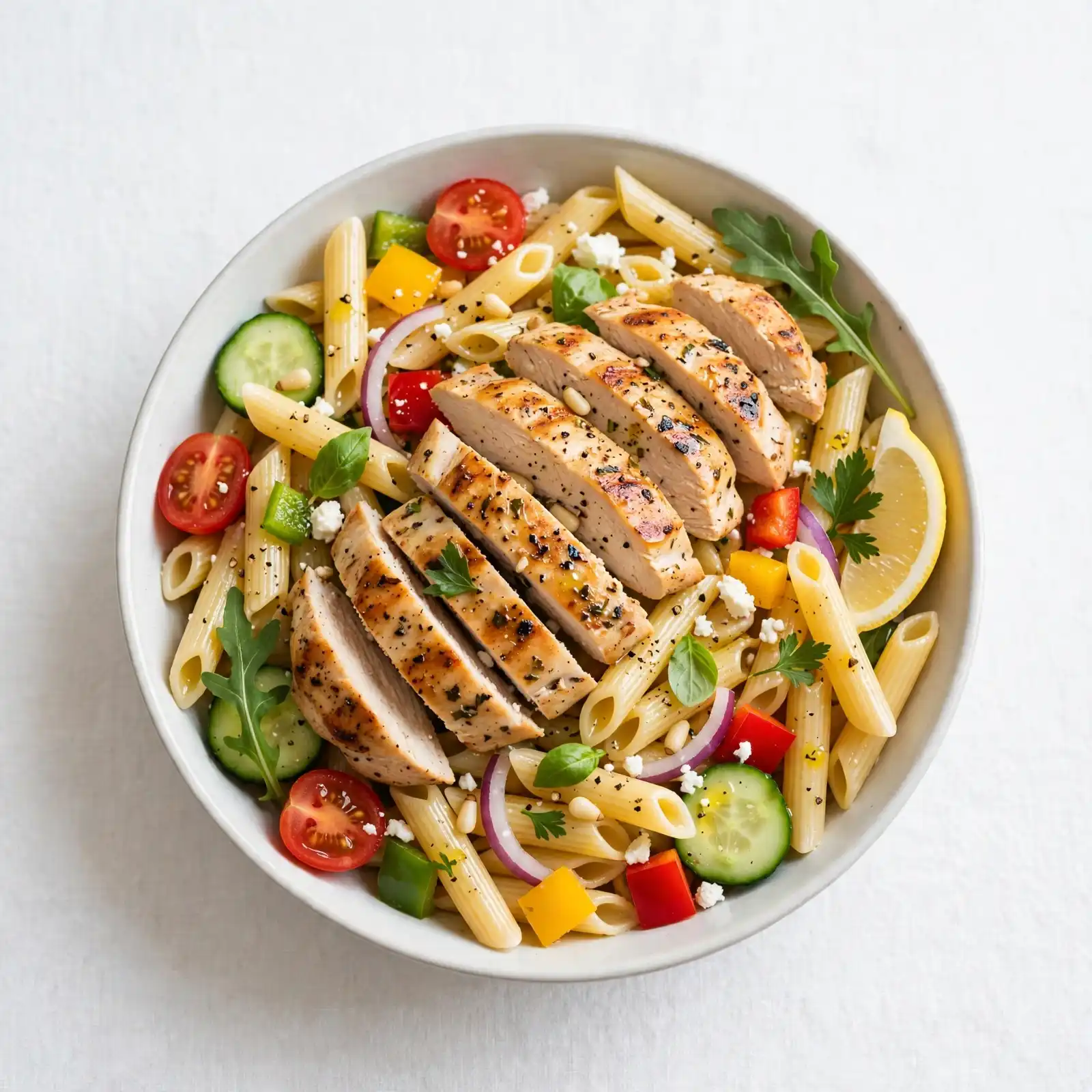
The Silkiest Homemade Pasta Recipe You’ll Ever Twirl on a Fork
Flour dusted across the counter, a well pressed into the center, and one cracked egg sliding into it — that first moment of mixing is where this homemade pasta recipe always begins for me, standing at my grandmother’s old wooden table with flour up to my elbows.
As the dough comes together, it turns silky and elastic under your palms, and once it hits the pot, it cooks up tender with just the right chew, carrying every bit of sauce in its ridges. There’s a faint nutty aroma from the flour and eggs as it rests, and the whole kitchen starts to smell like something worth waiting for.
This is the kind of recipe that turns a regular Tuesday into something special, but it also shines at holiday dinners, Sunday family gatherings, or whenever you want to impress guests with a fresh pasta dough made entirely from scratch. Once you’ve made pasta from scratch a few times, you’ll wonder why you ever reached for the boxed stuff. Let’s get into it.
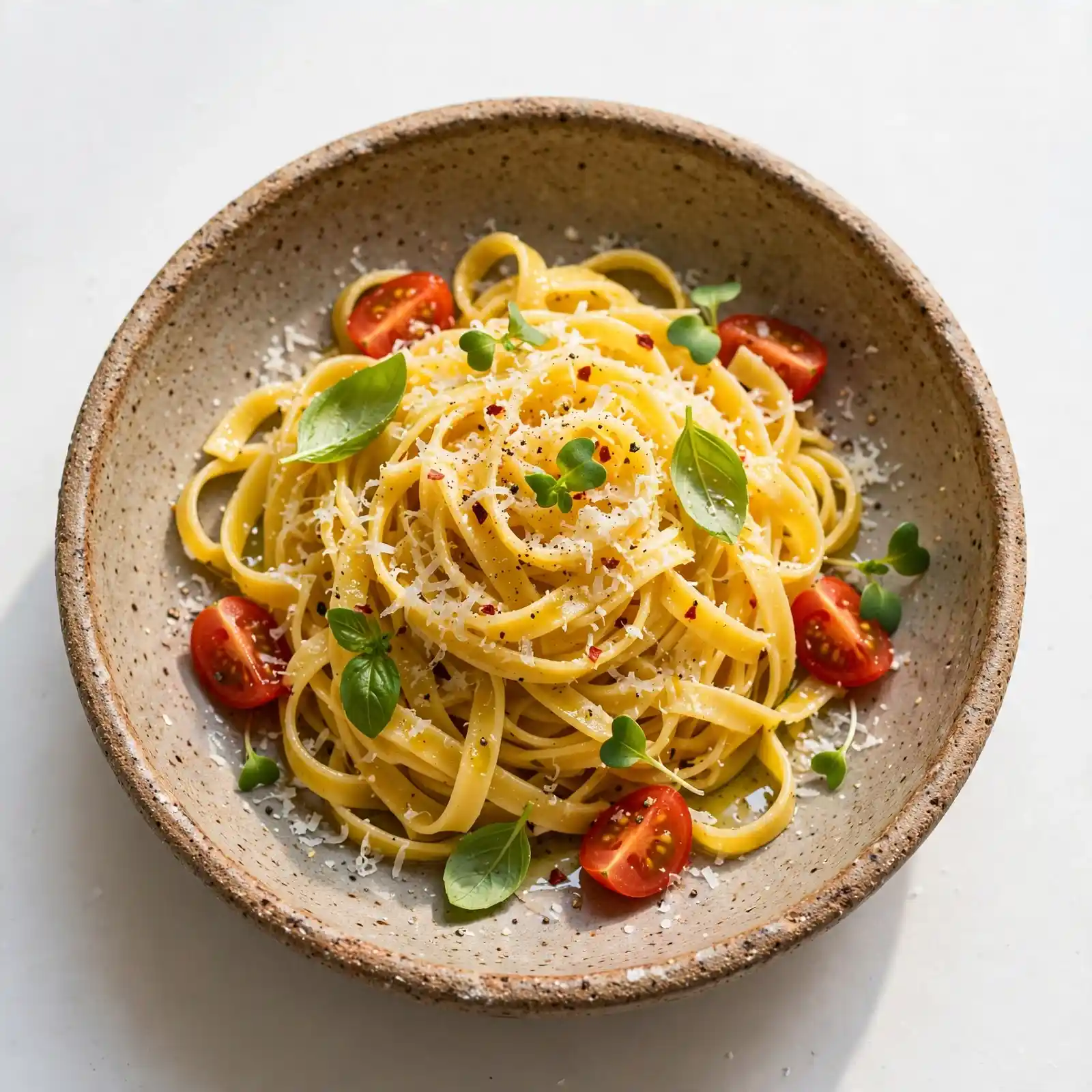
Why You’ll Love This Recipe
Perfectly Balanced Flavor
The eggs bring richness while the flour keeps things light, so every bite tastes clean and satisfying without being heavy. It’s simple, honest flavor that lets your sauce shine.
Silky, Tender Texture
Rolled thin and cooked just right, this pasta has a delicate bite that’s miles ahead of anything from a box. It’s the texture that makes people ask what your secret is.
Surprisingly Easy to Make
With just a few pantry staples and some kneading, this egg pasta recipe comes together without any fancy equipment required. A fork and your hands will do just fine.
Family-Friendly Fun
Kids love helping crack eggs, mix flour, and feed dough through the roller. It’s a hands-on activity that turns dinner prep into a memory.
Classic with Room to Play
This Italian pasta dough is a blank canvas — dress it simply with butter and Parmesan, or toss it with a rich ragù. Either way, it never disappoints.
Ingredients
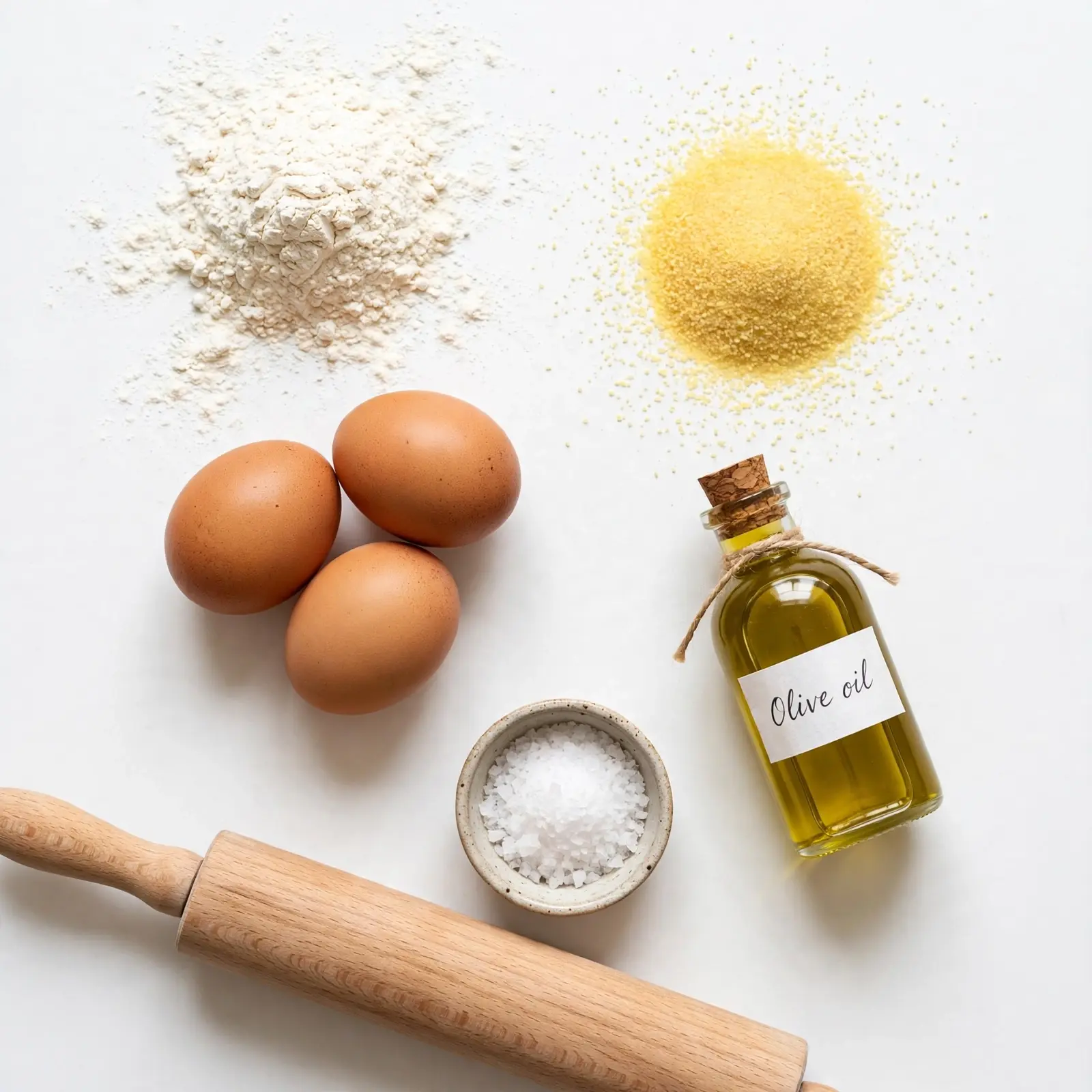
For the Pasta Dough
- 2 cups all-purpose flour (or 00 flour for an authentically silky texture)
- 3 large eggs (room temperature works best for even mixing)
- 1/2 tsp salt
- 1 tsp olive oil (helps keep the dough pliable)
- 1–2 tsp water, only if needed (add slowly — too much makes the dough sticky)
For Finishing
- Extra flour, for dusting (semolina works great to prevent sticking)
- 1 tbsp salt (for the pasta cooking water)
The eggs and flour form a dough that’s both rich and elastic, while the olive oil keeps it supple enough to roll paper-thin without tearing.
How to Make Homemade Pasta Recipe — Step-by-Step
Step 1: Make the Well
Pour the flour onto a clean surface and shape it into a mound with a deep well in the center. Crack the eggs into the well along with the salt and olive oil. Don’t worry if the well looks a little uneven — it just needs to hold the eggs in place.
Step 2: Whisk and Incorporate
Using a fork, gently whisk the eggs, slowly pulling in flour from the inner walls of the well. Keep whisking until the mixture thickens into a shaggy paste. The dough will look rough right now, and that’s exactly right.
Step 3: Knead the Dough
Once the dough starts holding together, use your hands to knead it for 8–10 minutes until smooth and elastic. It should feel firm but bounce back when pressed. Don’t worry if it seems stiff at first — kneading softens it as the gluten develops.
Step 4: Rest the Dough
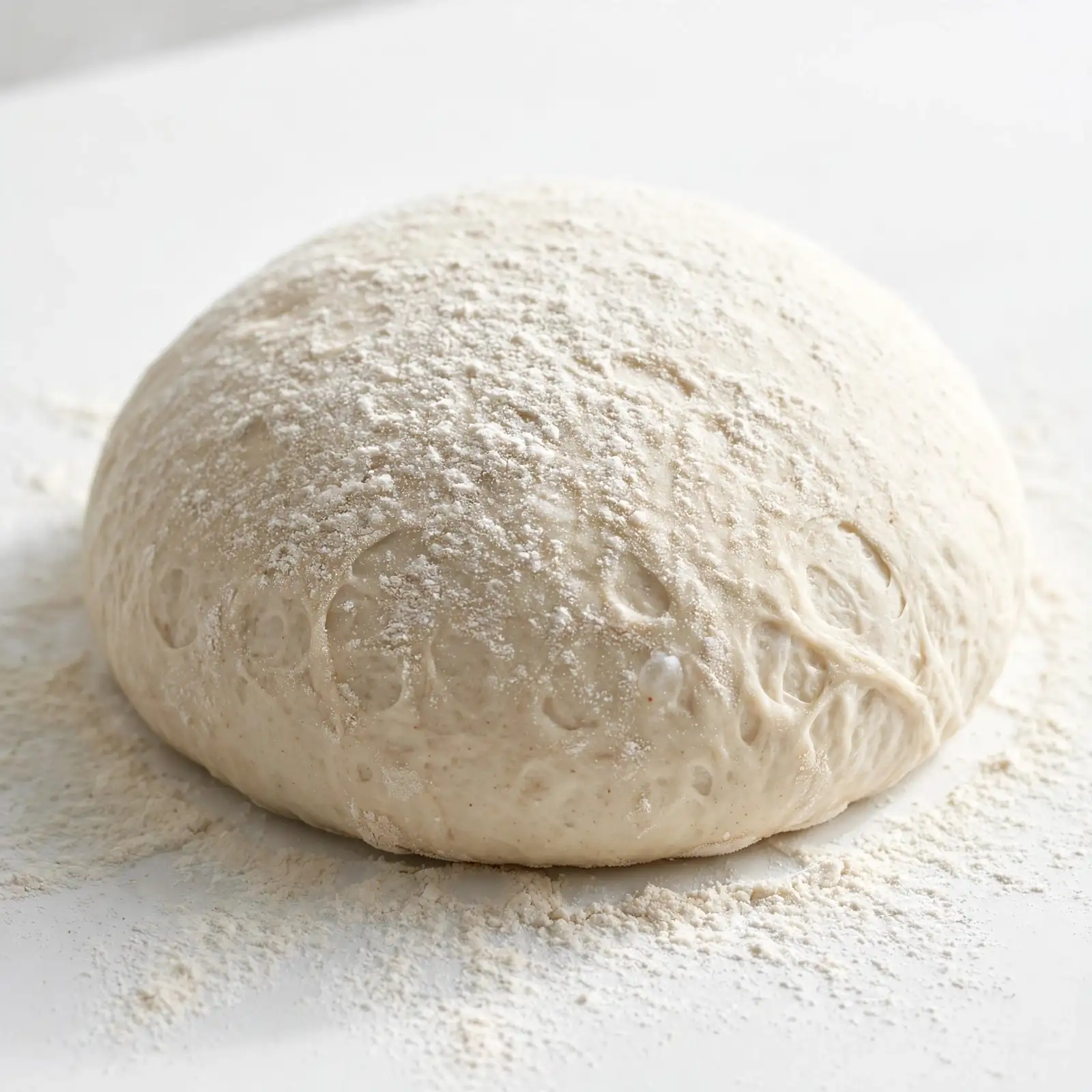
Wrap the dough tightly in plastic wrap and let it rest at room temperature for at least 30 minutes. This resting time relaxes the gluten, making it much easier to roll later on.
Step 5: Roll and Cut
Divide the dough into portions and roll each one thin, either by hand or with a pasta roller, until it’s almost translucent. Dust generously with flour, then cut into your desired shape. The edges should look smooth and slightly glossy when rolled correctly.
Step 6: Cook and Serve
Boil the pasta in generously salted water for just 2–3 minutes, until it floats and turns tender. It cooks fast, so keep an eye on it and taste-test for doneness. Toss immediately with sauce or butter while warm.
Perfecting This Recipe
- Keep your eggs at room temperature for smoother, more even mixing.
- Knead longer than you think you need to — a silky, elastic dough is the goal.
- Rest the dough fully; skipping this step makes rolling difficult and tough.
- Roll evenly so the pasta cooks at the same rate throughout.
- Avoid over-flouring during kneading, which can dry the dough out.
- Cook fresh pasta briefly — it needs far less time than dried pasta.
Common Mistakes to Avoid
- Adding too much water — This makes the dough sticky and hard to roll; add water in small drops only if absolutely necessary.
- Skipping the resting time — Unrested dough is stiff and springs back, making it tough to roll thin.
- Rolling unevenly — Uneven thickness leads to inconsistent cooking, with some pieces mushy and others underdone.
- Overcooking the pasta — Fresh pasta cooks in minutes, not the 8–10 you’d expect from boxed pasta.
- Not flouring generously enough — Without enough flour or semolina, fresh noodles can stick together in clumps.
Add Your Touch
- Stir fresh herbs like basil or parsley into the dough for a subtle color and flavor twist.
- Swap in whole wheat flour for a heartier, nuttier bite.
- Add a pinch of nutmeg for warmth in cream-based pasta dishes.
- Try beet or spinach puree for a naturally vibrant colored pasta.
- Cut into different shapes — tagliatelle, pappardelle, or simple fettuccine — depending on your sauce.
Visit Also: Creamy Cajun Chicken Pasta
What to Serve With This
- A simple brown butter and sage sauce lets the pasta’s texture shine.
- Garlic bread is perfect for soaking up any extra sauce.
- A crisp arugula salad with lemon vinaigrette balances the richness.
- A glass of light red wine, like Chianti, pairs beautifully.
- Roasted vegetables add color and texture to the plate.
Storing and Serving
Fridge: Store fresh, uncooked pasta in an airtight container for up to 2 days.
Freezer: Freeze in nest shapes on a tray, then transfer to a bag for up to 1 month. Cook directly from frozen without thawing.
Reheating: Best enjoyed fresh, but leftovers can be reheated gently in a pan with a splash of water or sauce over low heat.
Make-Ahead Tip: Dough can be made a day ahead and kept wrapped tightly in the fridge until you’re ready to roll and cook.
Servings: This recipe makes about 4 servings.
Nutrition (Approximate Per Serving)
- Calories: 220
- Total Fat: 4g
- Saturated Fat: 1g
- Carbohydrates: 38g
- Sugar: 0g
- Protein: 9g
- Sodium: 320mg
Nutritional values are approximate and may vary based on specific ingredients and brands used.
Chef’s Helpful Tips
- Use room temperature eggs for a smoother, more cohesive dough.
- Don’t rush the resting time — it makes rolling significantly easier.
- Dust your work surface with semolina for a non-stick, slightly textured finish.
- Choose good-quality eggs and flour, since this recipe relies on just a few ingredients.
- If your dough feels too wet, knead in flour a tablespoon at a time until it firms up.
Frequently Asked Questions
Q1. Can I use all-purpose flour instead of 00 flour? Absolutely — all-purpose flour works great and is what most home cooks use. If you want an extra silky texture, look for 00 flour at an Italian grocery or online.
Q2. How does this compare to boxed pasta? Fresh pasta has a noticeably softer, more tender bite than boxed pasta, with a richer flavor from the eggs. It also cooks in a fraction of the time.
Q3. Is this recipe good for beginners? Yes, it’s a great starting point since it only needs a few ingredients and basic kneading. Just take your time with the resting and rolling steps.
Q4. Can I make this ahead for a potluck or dinner party? Definitely — the dough can be made a day in advance and refrigerated, or you can roll and cut the noodles ahead and let them dry slightly before cooking.
Q5. Can I freeze homemade pasta? Yes, shape it into nests, freeze on a tray, then store in a bag for up to a month. Cook straight from frozen for the best texture.
Conclusion
There’s something deeply satisfying about pulling together a homemade pasta recipe with just flour, eggs, and a little patience. It’s simple enough for a weeknight yet special enough to anchor a holiday table, and it’s endlessly adaptable to whatever sauce or mood you’re in.
So dust off your rolling pin, crack a few eggs, and give this one a try. Once you taste the difference fresh pasta makes, it might just become your new favorite kitchen ritual — and one you’ll want to share with everyone at your table.
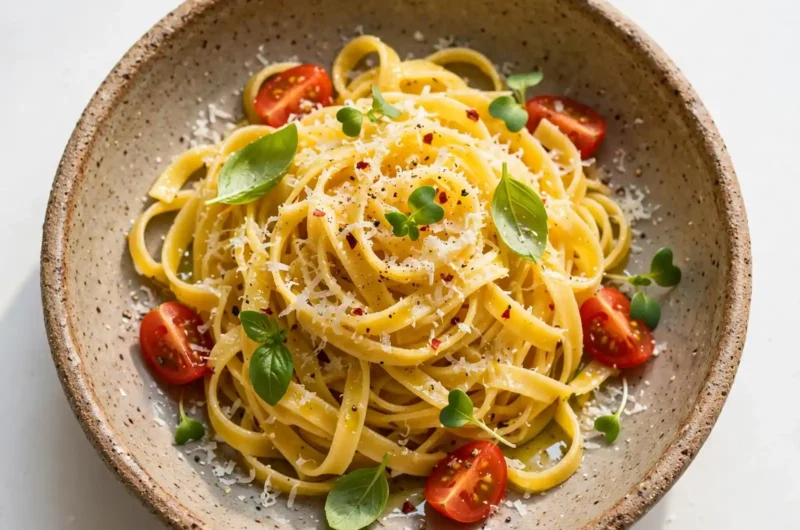
Silky Homemade Pasta
Course: Trending Recipes4
servings20
minutes3
minutes220 per serving
kcal30
minutes53
minutesTender, silky egg pasta with a delicate bite, perfect for weeknight dinners or special holiday meals.
Ingredients
Pasta Dough:
2 cups all-purpose flour
3 large eggs
1/2 tsp salt
1 tsp olive oil
1–2 tsp water, if needed
Finishing:
Extra flour, for dusting
1 tbsp salt, for pasta water
Directions
- Mound flour and make a well in the center.
- Crack eggs, salt, and oil into the well.
- Whisk eggs, gradually pulling in flour.
- Knead dough for 8–10 minutes until smooth.
- Wrap and rest dough for 30 minutes.
- Roll dough thin and cut into desired shape.
- Boil in salted water for 2–3 minutes until tender.
- Toss with sauce or butter and serve immediately.