The Most Irresistible Balsamic Glaze Recipe You’ll Make on Repeat
Picture this: you pull a sheet pan of roasted vegetables from the oven, and before they even hit the table, you ribbon a glossy, dark drizzle across the top. The whole kitchen fills with something warm and slightly sweet — rich enough to make everyone pause mid-conversation. That’s exactly what a good balsamic glaze recipe does. It doesn’t just finish a dish. It transforms it.
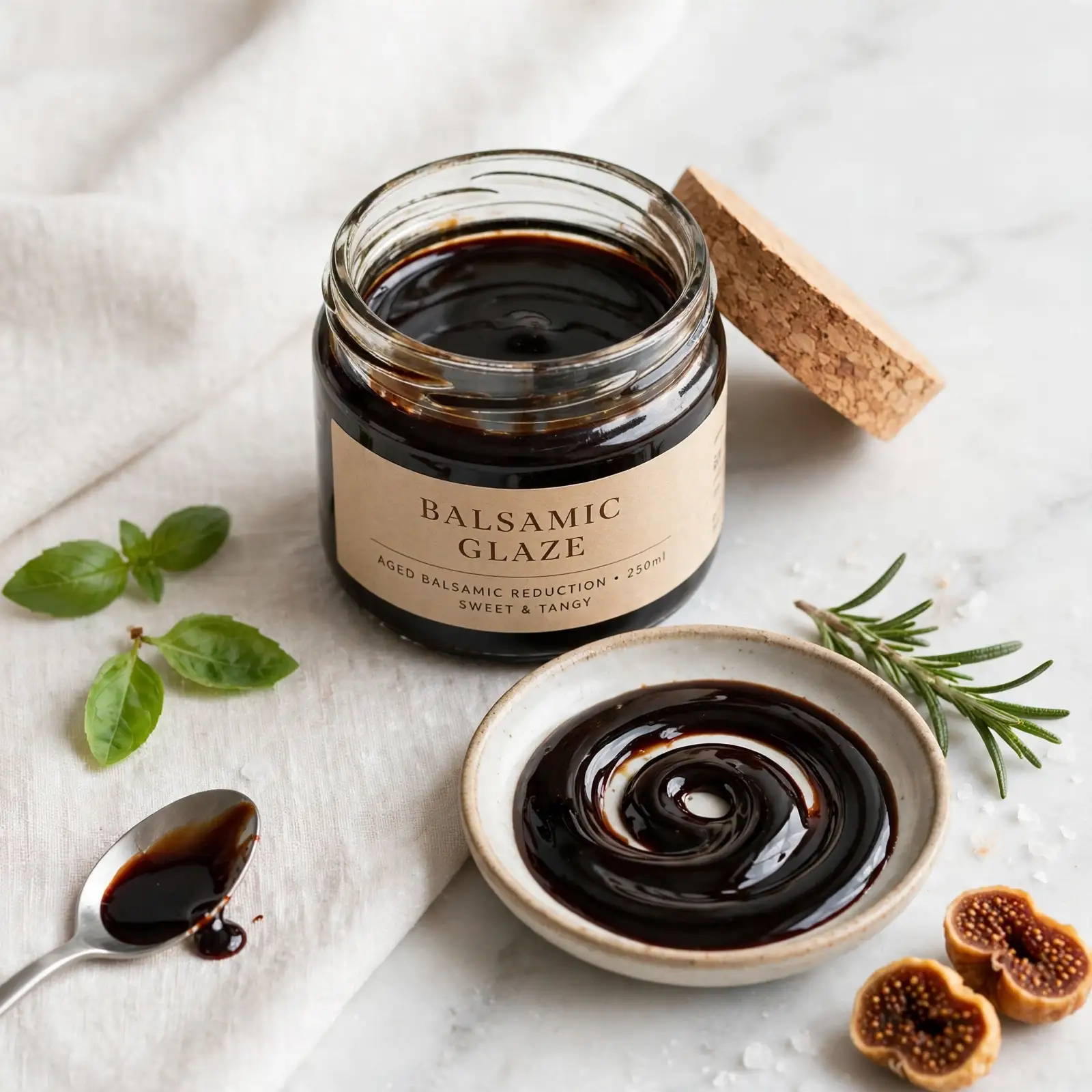
There’s a depth to a properly reduced balsamic that you simply can’t get from a bottle. It thickens into something silky, with just enough tang to keep the sweetness honest. The aroma as it simmers — slightly sharp at first, then mellowing into something almost caramel-like — is one of those smells that makes a kitchen feel like it knows what it’s doing. It coats the back of a spoon, clings to whatever it touches, and somehow makes everything look like it was plated at a restaurant.
Whether you’re drizzling it over a summer caprese salad, finishing grilled chicken, or impressing guests at a holiday gathering, this homemade balsamic reduction fits every occasion without any fuss. If you’ve been searching for that one sweet balsamic sauce that works for both casual weeknight meals and elegant entertaining, this is it. Let’s get into it.
Why You’ll Love This Recipe
It’s Made with Just Two Ingredients
All you need is good balsamic vinegar and a sweetener of your choice. That’s it. No special equipment, no long grocery list — just a saucepan and about 20 minutes of gentle simmering.
The Flavor Is Incredibly Complex
Once reduced, the tangy edge of the vinegar softens and deepens into something almost wine-like — warm, slightly sweet, and rich in a way that feels far more sophisticated than the effort involved. A single drizzle adds layers of flavor that would otherwise take hours to develop.
The Texture Is Perfectly Silky
As it cooks down, the glaze thickens into a glossy, pourable consistency that clings beautifully to everything it touches. It’s not sticky or gummy — it’s smooth and elegant, exactly what a great balsamic drizzle should be.
It Works on Almost Everything
From bruschetta to roasted carrots to vanilla ice cream, this glaze crosses every category effortlessly. It’s the kind of condiment that earns permanent fridge space because you’ll find yourself reaching for it every few days.
It’s Incredibly Easy to Make Ahead
This recipe stores beautifully, which makes it ideal for meal prepping or getting ready for a dinner party. Make a batch on Sunday and you’ll be finishing dishes with it all week long.
Ingredients
For the Glaze Base
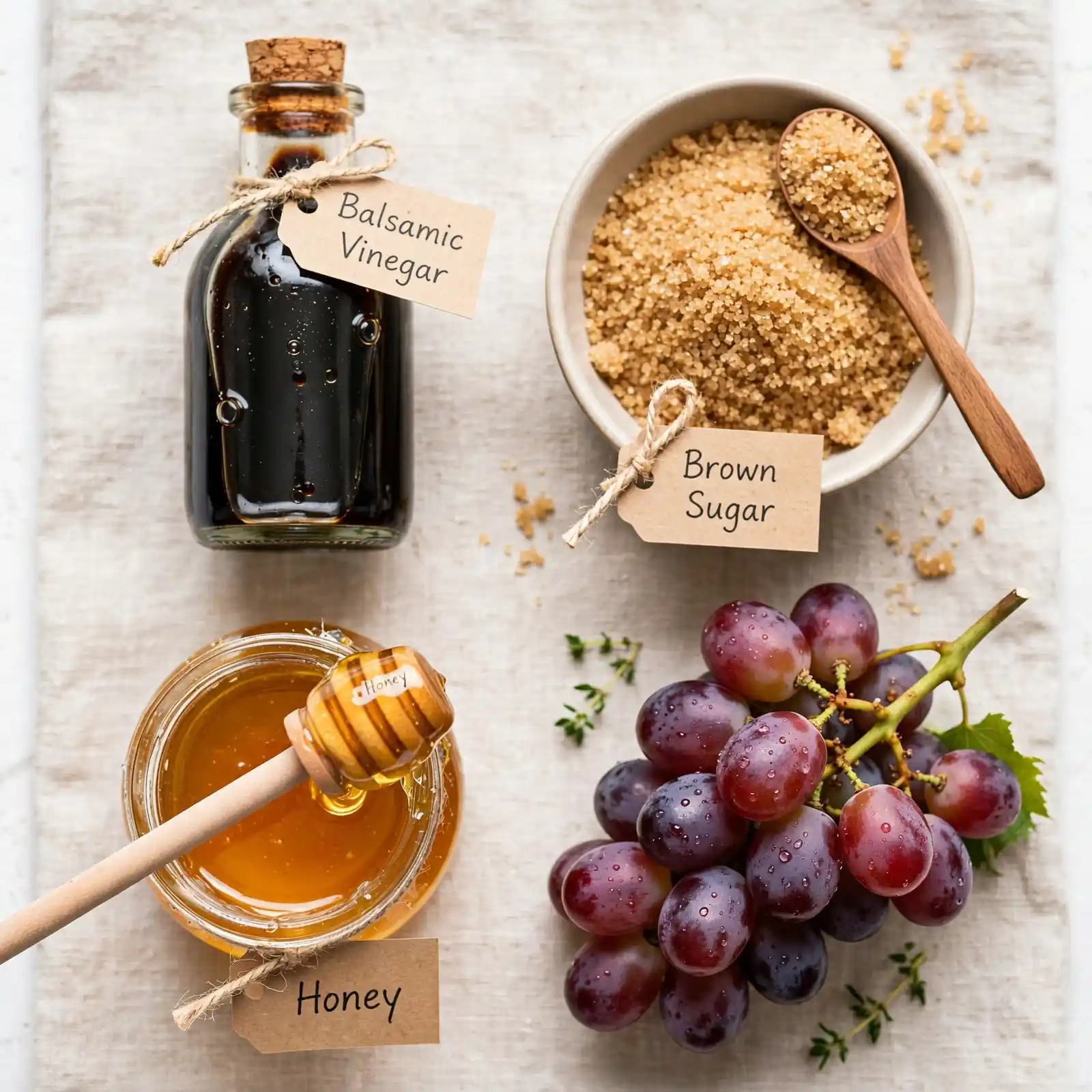
- 1 cup good-quality balsamic vinegar (look for “Aceto Balsamico di Modena” on the label)
- 2–3 tablespoons honey (or pure maple syrup for a vegan-friendly version)
Optional Flavor Additions
- 1 small garlic clove, lightly smashed (adds a savory depth — remove before serving)
- 1 sprig fresh rosemary (pairs beautifully with roasted meats and vegetables)
- ¼ teaspoon fine sea salt (optional, enhances complexity)
The combination of acid and natural sweetener is what makes this balsamic vinegar glaze so well-balanced — the honey rounds out the sharpness while the reduction process concentrates every layer of flavor already present in the vinegar.
How to Make Balsamic Glaze Recipe — Step-by-Step
Step 1: Combine the Ingredients in a Small Saucepan
Pour the balsamic vinegar and honey into a small, light-colored saucepan — a light interior helps you monitor the color as it reduces. If you’re adding garlic or rosemary, drop them in now. Give everything a quick stir to combine.
Step 2: Bring to a Gentle Simmer Over Medium Heat
Set your burner to medium and let the mixture warm slowly. You’ll notice the sharp scent of the vinegar soften into something rounder and more inviting as it heats up. Don’t rush this — bringing it up too fast can cause scorching on the bottom.
Step 3: Reduce Heat and Let It Simmer Low and Slow
Once it reaches a gentle simmer, lower the heat to medium-low and let it bubble quietly for 15–20 minutes, stirring occasionally. Don’t worry if it looks quite thin at the 10-minute mark — it thickens significantly as it cools, so you want to pull it earlier than you think. You’re looking for a reduction of roughly half its original volume.
Step 4: Test the Consistency with a Spoon
Dip a metal spoon into the glaze. If it coats the back of the spoon and holds a clean line when you drag your finger across it, you’re there. The liquid will look thinner in the pan than it actually is — remember, it will thicken noticeably once removed from heat. Don’t worry if it feels slightly runnier than you expected — that’s completely normal and intentional.
Step 5: Remove from Heat and Cool Before Storing
Pull the saucepan off the heat and remove any add-ins like garlic or rosemary. Let it cool at room temperature for at least 15 minutes before transferring to a jar or bottle. As it cools, you’ll watch it transform into that gorgeous, glossy balsamic glaze that coats beautifully and pours like a dream.
Perfecting This Recipe
- Use a quality balsamic vinegar — the better the vinegar, the better the glaze. Cheap vinegars can taste sharp and one-dimensional even after reducing.
- Keep the heat low and steady. High heat causes rapid bubbling that can lead to scorching, and a scorched glaze tastes bitter.
- Stir occasionally, not constantly — you want it to reduce evenly, not steam off too quickly.
- Always test on a cold plate or spoon. Drop a small amount on a chilled plate to get an accurate read on how thick it will be at room temperature.
- Don’t reduce it past the halfway point in volume. Over-reducing leads to a glaze that turns rock-hard once cooled and becomes difficult to pour.
- If adding herbs or aromatics, keep them in for no longer than 10 minutes to avoid overpowering the vinegar’s natural sweetness.
- Let it cool fully before sealing in a jar — trapping steam causes condensation that can water the glaze down.
Common Mistakes to Avoid
- Using low-quality balsamic vinegar — Inexpensive vinegars are often thin and acidic without much natural sweetness. Since reducing concentrates every flavor, starting with a poor vinegar results in a flat, one-note glaze.
- Cooking on too-high heat — A rolling boil causes the glaze to reduce unevenly and risks scorching the sugars on the bottom of the pan. Medium-low is your friend here.
- Reducing it too far — It can feel tempting to keep going until it looks perfectly thick in the pan. Resist the urge. Remember it thickens dramatically as it cools, and over-reduced glaze can harden into a sticky, unworkable syrup.
- Skipping the cooling time before tasting for sweetness — The flavor changes significantly between hot and room temperature. Always let it cool slightly before adjusting sweetness or deciding you need more honey.
- Forgetting to remove aromatics — Garlic or herbs left in too long will overpower the glaze and make it taste more like a savory marinade than a versatile finishing sauce.
Add Your Touch
- Citrus version: Add a strip of orange or lemon zest while it simmers for a bright, slightly floral note.
- Spiced glaze: A pinch of red pepper flakes gives it a gentle heat that pairs beautifully with cheese boards and roasted vegetables.
- Fig variation: Add 1 tablespoon of fig jam to the pot for a deeper, fruitier flavor profile.
- Herb-infused: Thyme, rosemary, or fresh basil can all be used to give the glaze a more savory personality.
- Sweeter version: Swap honey for brown sugar if you’d like a slightly more molasses-forward sweetness.
- Lighter option: Use maple syrup in place of honey for a naturally vegan-friendly version with its own subtle warmth.
Visit Also: Baked Donuts
What to Serve With This
- Caprese salad — drizzled over fresh mozzarella, ripe tomatoes, and basil, it’s perfection.
- Roasted vegetables — carrots, Brussels sprouts, and beets especially love a finishing drizzle.
- Grilled chicken or salmon — adds an elegant, restaurant-quality finish with no extra effort.
- Strawberries and whipped cream — yes, dessert. The sweet tang is a stunning counterpoint.
- Artisan cheese and crackers — especially sharp aged cheeses like Parmigiano or aged goat cheese.
- Bruschetta or crostini — add a finishing drizzle right before serving for a gorgeous presentation.
Storing and Serving
Fridge:
Transfer to a sealed glass jar or squeeze bottle and refrigerate for up to 3 weeks. Give it a gentle shake before using — it may thicken slightly in the cold.
Freezer:
This glaze can be frozen in a small airtight container or ice cube tray for up to 3 months. Thaw overnight in the refrigerator before using.
Reheating:
If the glaze has thickened too much in the fridge, place the sealed jar in a bowl of warm water for a few minutes or microwave for 10–15 seconds. Stir well before drizzling.
Make-Ahead Tip:
This is an ideal make-ahead condiment. Prepare it up to 2 weeks in advance and store refrigerated. It only gets better as the flavors settle.
Servings:
This recipe yields approximately ¼ cup of finished glaze, or about 8 servings of roughly 1½ teaspoons each.
Nutrition (Approximate Per Serving — 1½ teaspoons)
- Calories: 30
- Total Fat: 0g
- Saturated Fat: 0g
- Carbohydrates: 7g
- Sugar: 6g
- Protein: 0g
- Sodium: 5mg
Nutritional values are approximate and may vary based on specific ingredients and brands used.
Chef’s Helpful Tips
- Start with room temperature vinegar — it comes to a simmer more evenly and reduces predictably, especially important on cooler weather days when the pan temperature fluctuates.
- Use a light-colored or stainless pan — this lets you see the actual color of the glaze as it darkens, which is your best visual cue for doneness.
- The cold spoon test doesn’t lie — always check thickness on a chilled spoon or plate. It’s the only reliable way to judge the final texture before you cool the whole batch.
- Quality matters more than technique here — a truly great balsamic vinegar from Modena will produce a naturally sweeter, more nuanced glaze with minimal effort.
- If it hardens after cooling, simply add a splash of fresh vinegar and warm it gently on the stove, stirring until it loosens back to your desired consistency.
Frequently Asked Questions
Q1. Can I use a different type of vinegar?
This recipe is really built around balsamic vinegar specifically — it’s the natural sugars and complexity of aged balsamic that make the glaze work. Red wine vinegar won’t reduce into the same silky, sweet result, so it’s worth using the real thing here.
Q2. How does this compare to store-bought balsamic glaze?
Homemade is noticeably richer and less sweet than most bottled versions, which often contain thickeners and added sugar to mimic what reduction achieves naturally. Once you make it from scratch, going back to the bottle feels like a genuine step down.
Q3. I’ve never made a reduction before — is this beginner-friendly?
Absolutely. If you can simmer water, you can make this. The only skill involved is patience and keeping the heat low. There’s no special technique, no thermometers, and no timing precision required.
Q4. Can I make this ahead for a dinner party?
It’s honestly one of the best things you can make in advance. Prepare it 1–2 weeks ahead, store it in a squeeze bottle in the fridge, and pull it out right before serving. It will look and taste just as beautiful as the day you made it.
Q5. Can I freeze leftover balsamic glaze?
Yes — freeze it in an ice cube tray for portion-sized convenience. Each cube is roughly 1–2 tablespoons, which is perfect for pulling out exactly what you need without thawing the whole batch.
Conclusion
There’s a certain kind of kitchen magic that happens when a simple ingredient becomes something entirely new. A good balsamic glaze recipe does exactly that — it takes a pantry staple most people only use in salad dressing and turns it into something that belongs on nearly every plate. Whether you’re dressing up a weeknight dinner or adding a finishing touch to something you genuinely worked hard on, this glaze delivers that polished, intentional feel without any unnecessary fuss.
So go ahead — grab that bottle sitting in the back of your cupboard and give it twenty minutes on the stove. Drizzle it boldly. Share it at your next gathering. Make it your secret weapon. And when someone at the table asks what’s on top, you can smile and say you made it yourself.
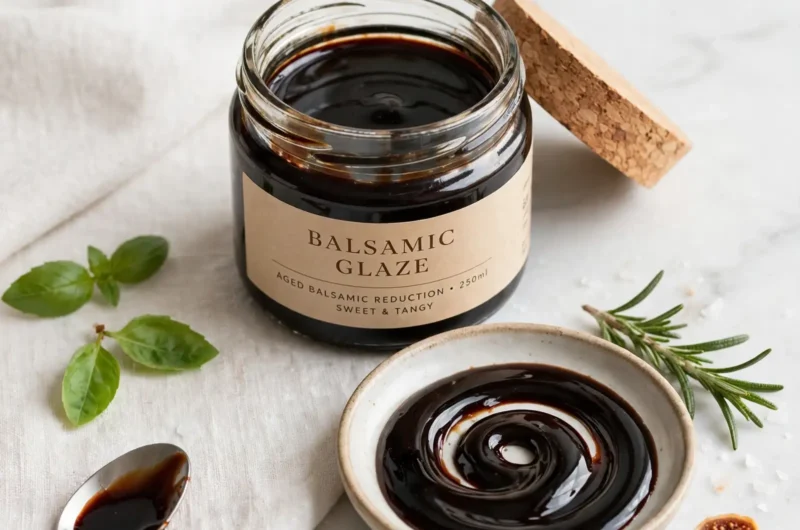
The Easiest Homemade Balsamic Glaze
Course: Trending Recipes8 (approximately 1½ teaspoons each)
servings2
minutes15
minutes30 per serving
kcal15
minutes35
minutesA silky, sweet-tangy reduction that transforms two simple ingredients into a glossy, versatile finishing sauce. Perfect for weeknight drizzling or elegant entertaining — ready in under 25 minutes.
Ingredients
Glaze Base:
1 cup balsamic vinegar (good quality)
2–3 tablespoons honey or maple syrup
Optional Add-Ins:
1 small garlic clove, lightly smashed
1 sprig fresh rosemary
¼ teaspoon fine sea salt
Directions
- Add balsamic vinegar and honey to a small saucepan. Stir to combine. Add any optional aromatics now.
- Bring to a gentle simmer over medium heat, stirring occasionally.
- Reduce heat to medium-low. Simmer uncovered for 15–20 minutes, stirring every few minutes, until reduced by about half.
- Test by coating the back of a metal spoon. A clean line held = ready.
- Remove from heat. Discard any aromatics. Cool for 15 minutes before transferring to a sealed jar.