The Creamiest White Pizza Sauce That Will Ruin Jarred Sauce for You Forever
The first time I made white pizza sauce from scratch, it was a complete accident. I’d run out of tomato paste on a Friday night, the kids were already chanting “pizza, pizza,” and I had butter, garlic, and a nearly full carton of heavy cream staring back at me. Twenty minutes later, I pulled the most golden, bubbling pizza I’d ever made out of the oven — and nobody asked about tomato sauce ever again.
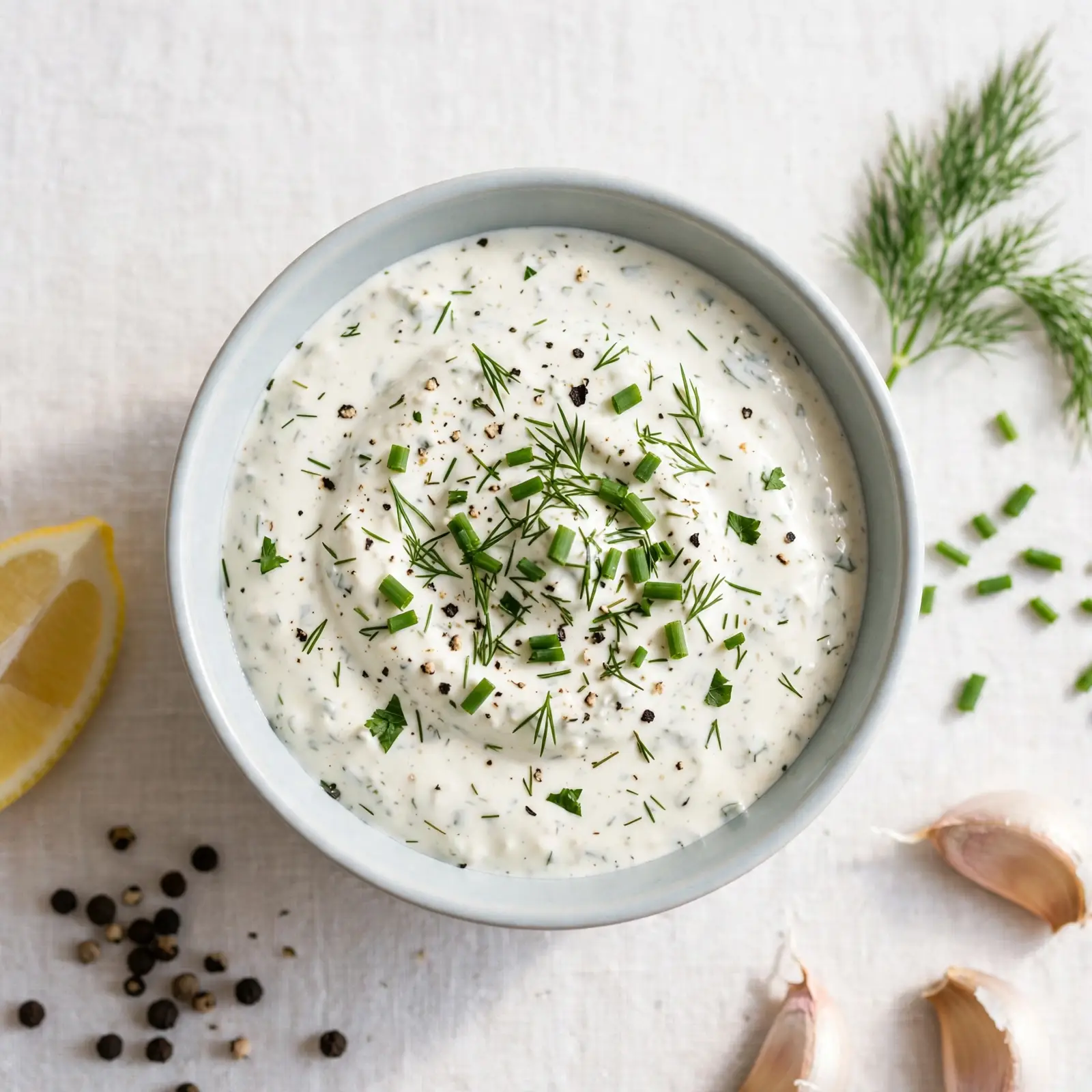
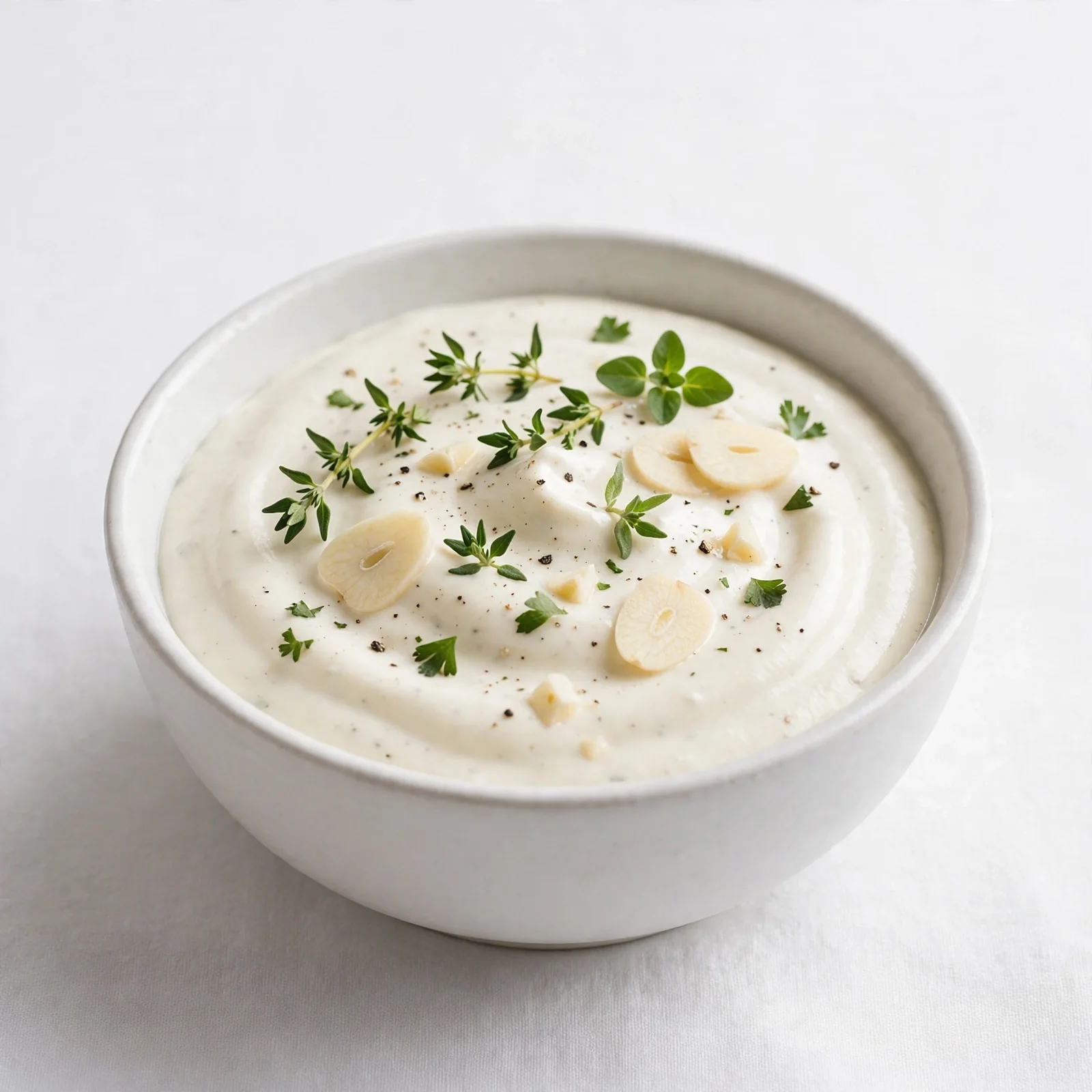
That silky, garlicky base soaks into the dough just enough while staying luxuriously thick on top. The aroma alone — butter browning, garlic softening, a whisper of nutmeg weaving through the steam — is enough to pull everyone into the kitchen before you’ve even rolled out the dough. It clings to every topping like it was made for them, because honestly, it was.
This recipe is the kind of thing you’ll make for a quiet weeknight dinner and then show off at your next gathering. It pairs beautifully with spinach and mushroom toppings, works as a base for a classic chicken and artichoke pizza, and is dangerously good as a dipping sauce for breadsticks. Whether you’re leaning into a cozy Sunday cooking session or need a crowd-pleasing homemade pizza sauce that comes together faster than delivery, this one belongs in your regular rotation.
Why You’ll Love This Recipe
It Tastes Like a Restaurant Secret
The depth of flavor here punches way above the ingredient list. Roasted garlic mellows into something almost sweet, and the parmesan melts in to create a savory, complex base that tastes like it took hours — not ten minutes.
The Texture Is Pure Velvet
This sauce hits that perfect middle ground: thick enough to hold its shape on the pizza without sliding off, but smooth and creamy enough to coat every bite. No gluey, pasty texture here — just silk.
It’s Foolproof for Beginners
If you can stir a pot, you can make this. There are no tricky techniques, no special equipment, and no timing acrobatics. It’s a simple roux-based sauce that comes together in one saucepan.
It Goes with Everything
From classic mozzarella and basil to bolder toppings like caramelized onions and prosciutto, this white pizza sauce plays well with virtually any combination. It’s also spectacular under roasted vegetables.
Ready in Under 15 Minutes
On busy weeknights, this sauce is your best friend. It’s faster than any jarred alternative, and the flavor difference is not even close.
Ingredients
For the Sauce Base
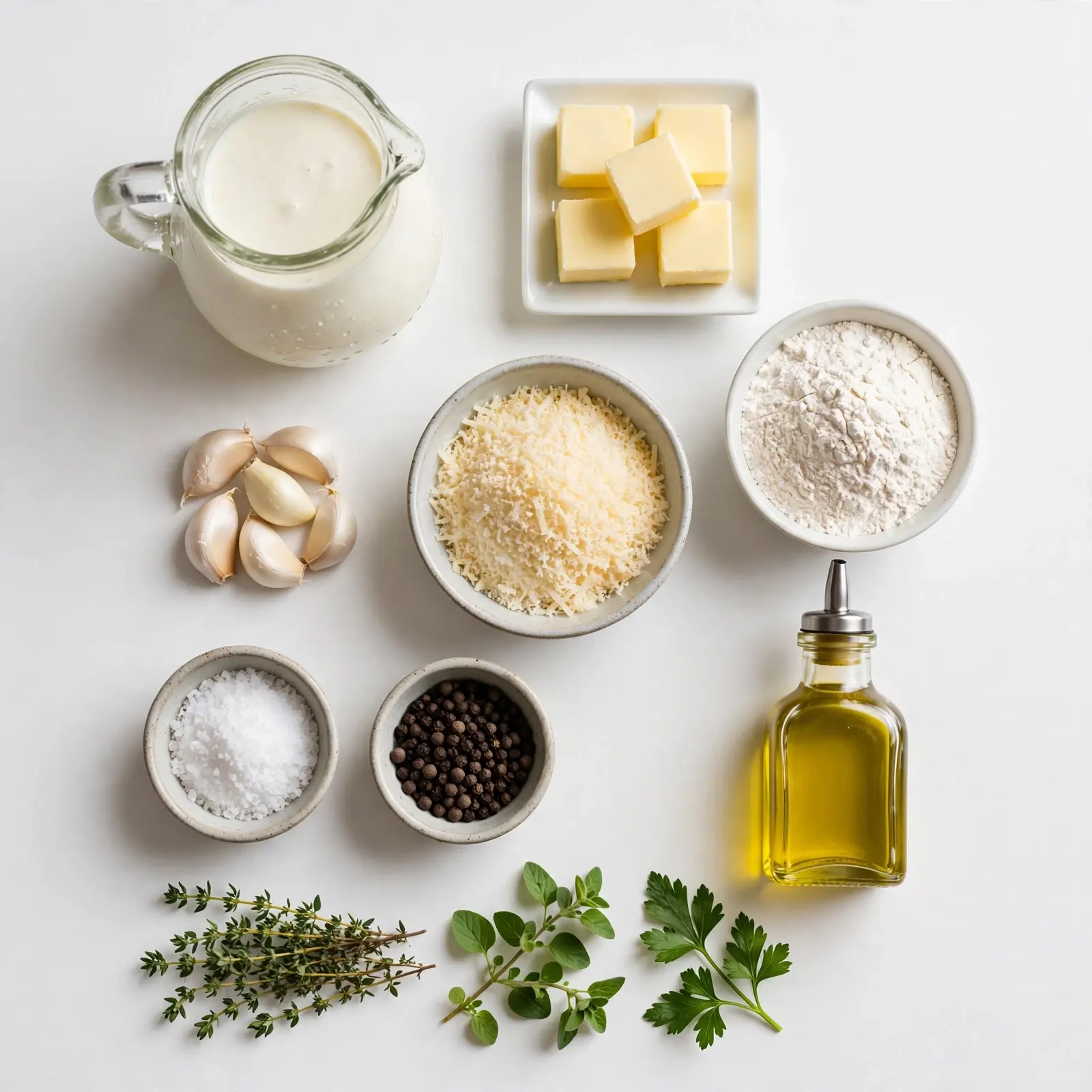
- 3 tablespoons unsalted butter
- 4 cloves garlic, minced (fresh is best here — no jarred)
- 3 tablespoons all-purpose flour
- 1 ½ cups whole milk (warmed slightly)
- ½ cup heavy cream
- ½ cup freshly grated parmesan cheese (pre-grated won’t melt as smoothly)
- ¼ teaspoon freshly grated nutmeg (optional but deeply worth it)
- ½ teaspoon dried Italian seasoning
- Salt and white pepper, to taste (white pepper keeps the sauce visually clean)
For Optional Flavor Boosters
- 1 teaspoon fresh thyme leaves (or ½ teaspoon dried)
- 1 tablespoon cream cheese (for extra richness and a slightly tangy note)
- Pinch of red pepper flakes (for a gentle kick that plays nicely against the cream)
This sauce builds its flavor in layers — the butter carries the garlic, the roux gives it body, and the parmesan adds salt, umami, and that unmistakable creamy finish. Together they create something that tastes far more complex than the process would suggest.
How to Make White Pizza Sauce — Step-by-Step
Step 1: Melt the Butter and Bloom the Garlic
In a medium saucepan over medium heat, melt the butter until it foams gently and smells slightly nutty. Add the minced garlic and stir constantly for about 60–90 seconds until fragrant and just barely turning golden at the edges. Don’t walk away — garlic goes from perfect to bitter in seconds.
Step 2: Build the Roux
Sprinkle the flour over the butter and garlic mixture and stir vigorously with a whisk or wooden spoon. Cook the paste for about 1–2 minutes, stirring constantly, until it turns a very pale golden color and smells slightly toasty. Don’t worry if it looks a bit thick and clumpy at this stage — that’s exactly what you want.
Step 3: Stream in the Milk and Cream
Slowly pour in the warmed milk while whisking constantly to prevent lumps. Add the heavy cream and continue whisking until the sauce is completely smooth. Raise the heat slightly and bring to a gentle simmer, stirring frequently. You’ll know it’s ready when the sauce coats the back of a spoon and leaves a clean line when you drag your finger through it.
Step 4: Add the Cheese and Seasoning
Reduce the heat to low and stir in the parmesan cheese a little at a time, letting each addition melt fully before adding the next. Add the nutmeg, Italian seasoning, salt, and white pepper. Taste and adjust — it should be rich, garlicky, slightly salty, and aromatic. Don’t worry if the sauce seems a little thin at this point; it thickens as it cools.
Step 5: Cool Slightly Before Using
Remove from heat and let the sauce rest for 5 minutes before spreading on your pizza dough. This brief cooling time allows it to thicken to the ideal spreading consistency. Stir once more before using — it should be smooth, glossy, and beautifully fragrant.
Perfecting This Recipe
- Warm your milk before adding it to the roux. Cold milk hitting a hot roux is one of the most common causes of lumpy sauce.
- Whisk constantly when adding the milk — never stop, especially in the first 30 seconds. A silicone whisk works beautifully here.
- Use freshly grated parmesan rather than pre-grated. The starches in pre-grated cheese can make the sauce grainy instead of silky smooth.
- The sauce will continue to thicken off the heat. If it gets too thick before use, whisk in a tablespoon of warm milk to loosen it.
- Don’t rush the garlic step. Those 60–90 seconds of blooming unlock a sweetness that raw garlic simply doesn’t have.
- If you’re using the sauce as a dip rather than a pizza base, a pinch of lemon zest stirred in at the end adds a brightness that cuts beautifully through the richness.
Common Mistakes to Avoid
- Adding cold milk to the hot roux — This causes the sauce to seize and clump. Always use milk that’s at room temperature or gently warmed.
- Burning the garlic — Garlic burned at the very first step cannot be saved and will make the entire sauce bitter. Medium heat and constant attention are key.
- Using pre-shredded parmesan — The anti-caking agents in pre-grated cheese prevent smooth melting. Buy a wedge and grate it yourself.
- Skipping the resting time — Spreading the sauce while it’s too hot makes it runny and can lead to a soggy pizza crust. Five minutes of patience makes a real difference.
- Over-salting before the parmesan goes in — Parmesan is already quite salty. Season conservatively first, then taste and adjust after the cheese is fully incorporated.
Add Your Touch
- Stir in a spoonful of roasted garlic instead of raw for a sweeter, more mellow garlic flavor.
- Add a handful of fresh baby spinach and let it wilt into the warm sauce for a green-flecked, iron-rich twist.
- Swap half the parmesan for gruyère for a slightly nutty, alpine flavor profile.
- Use this garlic white sauce as the base for a flatbread topped with figs, gorgonzola, and arugula.
- For a dairy-free version, substitute the butter with olive oil, the milk with unsweetened oat milk, and the parmesan with nutritional yeast.
- A tablespoon of white miso stirred in at the end adds incredible umami depth without any noticeable Asian flavor.
- Love heat? A teaspoon of calabrian chili paste takes this into unexpectedly exciting territory.
Visit Also: Citrus Salad
What to Serve With This
- Margherita-style pizza — fresh mozzarella, cherry tomatoes, and torn basil on top of this sauce is a truly perfect combination.
- Garlic breadsticks — use any leftover sauce as a dipping sauce and watch it disappear.
- Arugula and shaved parmesan flatbread — simple toppings that let the sauce shine.
- Roasted vegetable pizza — zucchini, red onion, and bell peppers sit beautifully on this creamy base.
- A crisp green salad — something lemony and lightly dressed to balance the richness of the sauce and pizza.
Storing and Serving
Fridge: Transfer leftover sauce to an airtight jar or container and refrigerate for up to 5 days. It will thicken considerably in the fridge — this is normal.
Freezer: This sauce freezes well. Portion into ice cube trays or small freezer bags and freeze for up to 2 months. Thaw overnight in the fridge. Note that the texture may become slightly grainy after freezing; whisk vigorously over low heat with a splash of milk to restore smoothness.
Reheating: Reheat gently on the stovetop over low heat, whisking in a tablespoon or two of warm milk to restore the original consistency. Avoid microwaving directly from the fridge — it can cause uneven heating and a skin to form.
Make-Ahead Tip: The sauce can be made up to 3 days in advance. Let it cool completely, press a piece of plastic wrap directly onto the surface to prevent a skin from forming, and refrigerate until needed.
Servings: This recipe makes approximately 1 ½ cups of sauce — enough to generously coat two 12-inch pizzas.
Nutrition (Approximate Per Serving)
(Based on approximately 3 tablespoons per serving)
- Calories: 145
- Total Fat: 12g
- Saturated Fat: 7g
- Carbohydrates: 6g
- Sugar: 2g
- Protein: 4g
- Sodium: 210mg
Nutritional values are approximate and may vary based on specific ingredients and brands used.
Chef’s Helpful Tips
- Room temperature dairy matters. Cold milk or cream straight from the fridge is the number one cause of lumpy white sauces. Pull your milk out 20 minutes before you start cooking.
- Don’t let the sauce boil. Once the cheese goes in, keep the heat low. A rolling boil will cause the proteins in the cheese to separate and the sauce to become grainy.
- For ultra-clean pizza slices, let the pizza rest 5 minutes after baking before cutting. The sauce needs that time to set slightly so it doesn’t slide off the first slice.
- Use high-quality parmesan. This sauce has a short ingredient list, which means every component is noticeable. Reggiano-style parmesan makes a meaningful difference here.
- If your sauce turns out too thick, add warm milk one tablespoon at a time, whisking between each addition, until you reach your desired consistency. If it’s too thin, simmer it for an extra minute or two — it will thicken quickly.
Frequently Asked Questions
Q1. Can I make this sauce without heavy cream? Absolutely — whole milk works on its own if you don’t have cream on hand. The sauce will be slightly less rich but still wonderfully flavorful. You could also use half-and-half as a middle-ground option that adds a little more body without going full cream.
Q2. How does white pizza sauce compare to alfredo sauce? They’re close cousins, but white pizza sauce is typically a bit thicker and more heavily seasoned with garlic and Italian herbs, while alfredo pizza sauce is often butterier and more straightforwardly parmesan-forward. This recipe leans more toward a pizza-specific sauce — it’s built to hold up under toppings and heat rather than coat pasta.
Q3. Is this recipe beginner-friendly? Very much so. The only real technique involved is making a roux, which sounds fancy but is genuinely just stirring butter and flour together in a pan. If you follow the steps and don’t rush the process, this sauce is nearly impossible to mess up.
Q4. Can I make this ahead and use it for a dinner party pizza night? Yes, it’s actually ideal for that. Make the sauce up to three days ahead, refrigerate it, and pull it out about 30 minutes before you’re ready to use it. A quick warm-up on the stove with a splash of milk brings it right back to life.
Q5. Can I freeze this sauce? You can! It freezes for up to two months. The texture can change slightly after thawing — just reheat it slowly over low heat and whisk in a little warm milk to bring the creaminess back. Most people can’t tell the difference once it’s on a hot pizza.
Conclusion
Some recipes become part of your kitchen identity — the ones you make without looking at the recipe, that friends request by name, that feel like a little act of love every time you make them. This white pizza sauce has that quality. It’s rich without being heavy, garlicky without being sharp, and simple enough that you’ll want to make it on a random Tuesday just because you can. Once you’ve spread this creamy, fragrant base across fresh dough and watched it bubble and brown in a hot oven, the jarred version stops being an option.
Whether you’re making pizza for two on a quiet evening or setting up a build-your-own pizza bar for the whole family, this sauce is ready for the moment. Try it once and make it your own — add your favorite herbs, swap in a different cheese, or use it as a jumping-off point for something entirely new. The best recipes are the ones that feel like yours, and this one is ready whenever you are.
Silky Homemade White Pizza Sauce
Course: Trending Recipes1 ½ cups
servings10
minutes5
minutes145 per serving
kcal5
minutes20
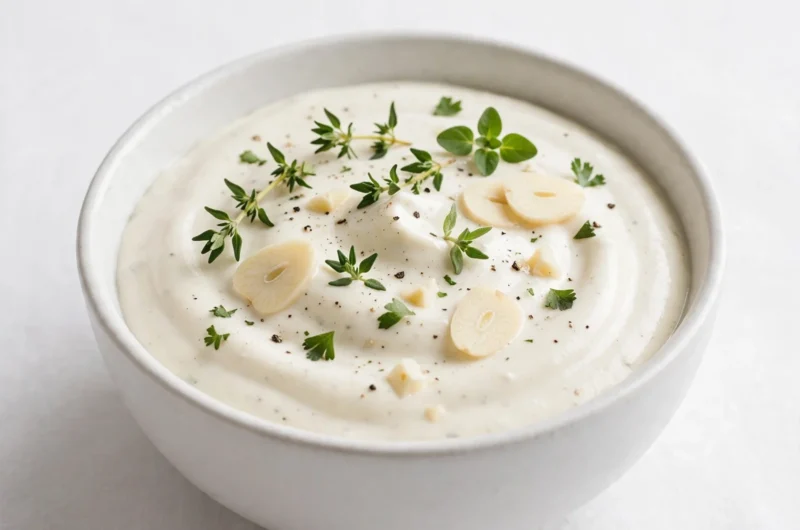
minutesA rich, garlicky cream sauce made in one pan in under 15 minutes — thick enough to coat your pizza perfectly, bold enough to steal the show. Perfect for pizza nights, flatbreads, or as a decadent dipping sauce for breadsticks.
Ingredients
Sauce Base:
3 tablespoons unsalted butter
4 cloves garlic, minced
3 tablespoons all-purpose flour
1 ½ cups whole milk, warmed
½ cup heavy cream
½ cup freshly grated parmesan cheese
¼ teaspoon freshly grated nutmeg
½ teaspoon dried Italian seasoning
Salt and white pepper, to taste
Optional Flavor Boosters:
1 teaspoon fresh thyme leaves
1 tablespoon cream cheese
Pinch of red pepper flakes
Directions
- Melt butter in a medium saucepan over medium heat until foaming. Add minced garlic and stir for 60–90 seconds until fragrant and just golden at the edges.
- Add flour and whisk constantly for 1–2 minutes until the paste turns pale golden and smells lightly toasty.
- Slowly stream in warm milk while whisking constantly. Add heavy cream and whisk until smooth. Bring to a gentle simmer, stirring frequently, until the sauce coats the back of a spoon.
- Reduce heat to low. Add parmesan a little at a time, stirring until each addition melts fully. Season with nutmeg, Italian seasoning, salt, and white pepper.
- Remove from heat and rest 5 minutes before spreading. Stir once more before using.