The Softest Homemade Brioche Bread Recipe That Melts in Every Bite
The first time I pulled a brioche loaf from the oven, I burned my fingertips tearing into it before it had even cooled. That deep amber crust, the way the whole kitchen smelled like a Parisian boulangerie on a Sunday morning — I simply could not wait. It was worth every singed fingertip.
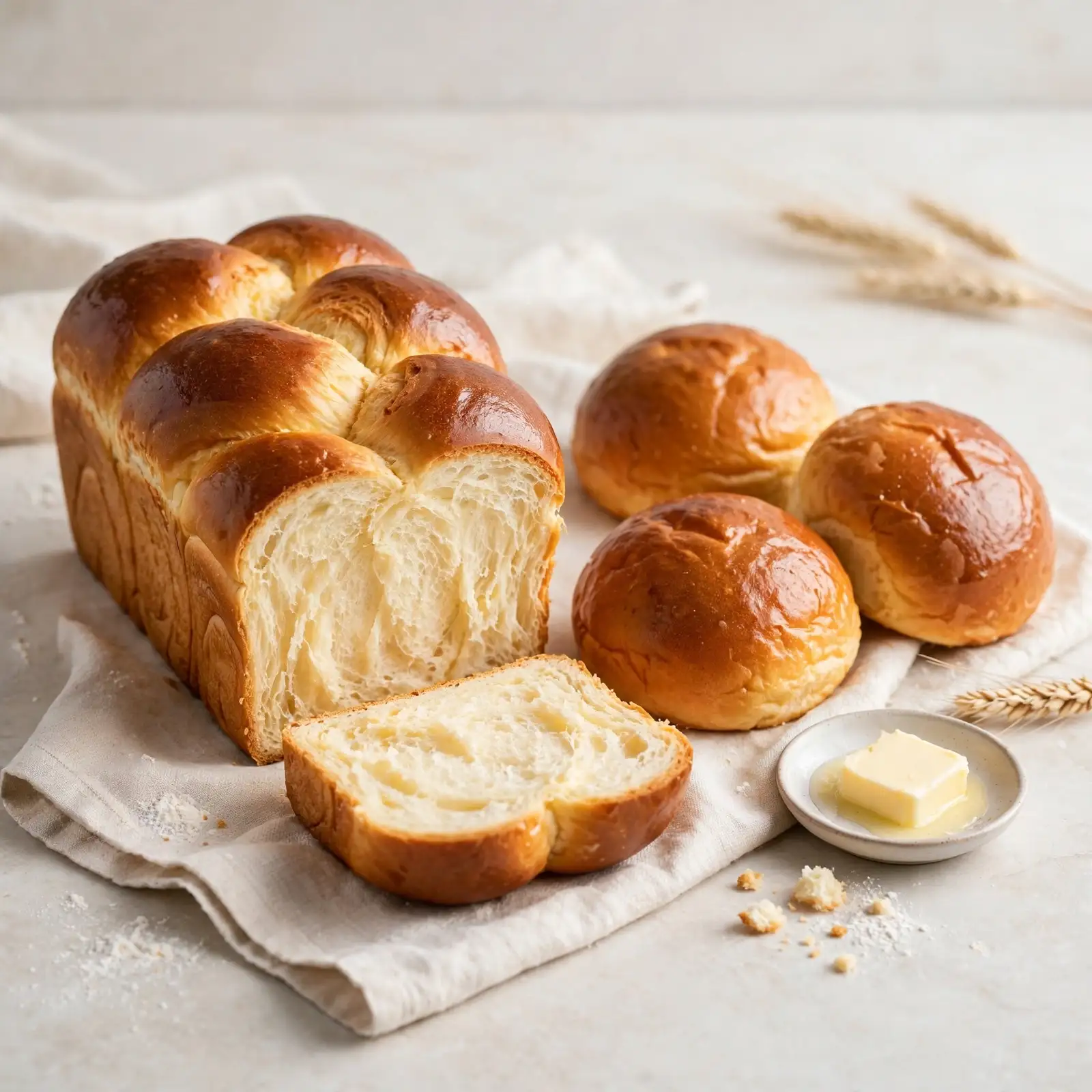
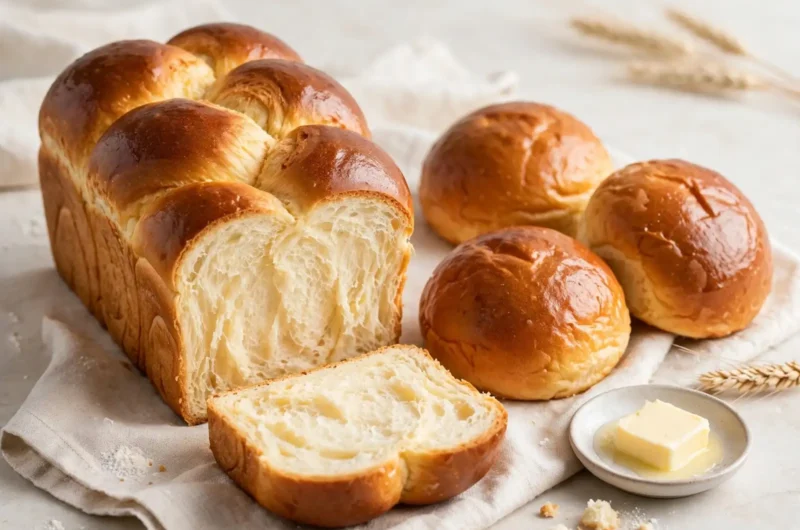
This bread is something else entirely. Each slice is feather-light yet impossibly rich, with a golden crumb that pulls apart in long, silky threads. The crust shatters just slightly under your fingers before giving way to a soft, buttery interior that practically dissolves on your tongue. There is nothing quite like it.
Whether you’re planning a slow weekend brunch, making the most extraordinary French toast of your life, or just want to show up to a gathering with something truly impressive, this soft brioche loaf earns its place at any table. It pairs beautifully with homemade jam, works as a base for an enriched bread dough sandwich, and somehow manages to feel both luxurious and completely approachable — even for a first-time bread baker.
Why You’ll Love This Recipe
A Flavor That Feels Truly Special
This isn’t plain sandwich bread. Butter and eggs woven into the dough create a depth of flavor that is subtly sweet, faintly vanilla-kissed, and deeply satisfying. Every bite tastes like a bakery made it just for you.
That Texture Is Unlike Anything Else
The crumb is tender and cloud-soft, thanks to the high butter content slowly incorporated into the dough. It’s light enough to feel delicate but rich enough to feel indulgent — a combination that’s genuinely hard to find.
Easier Than You’d Expect
Don’t let the reputation of enriched bread dough intimidate you. The steps are straightforward, and the stand mixer does the heavy lifting. Most of the time is hands-off chilling, which actually makes this one of the most relaxed bakes you’ll attempt.
Absolutely Crowd-Pleasing
Bring a braided buttery brioche loaf to any brunch or gathering and watch it disappear in minutes. People always ask for the recipe, and it photographs beautifully — a genuine showstopper with minimal effort on the day.
Classically French, Endlessly Versatile
Traditional French brioche uses simple pantry ingredients elevated by technique. You can shape it into a classic loaf, individual rolls, or a beautiful braid — same dough, completely different presentation each time.
Ingredients
For the Dough
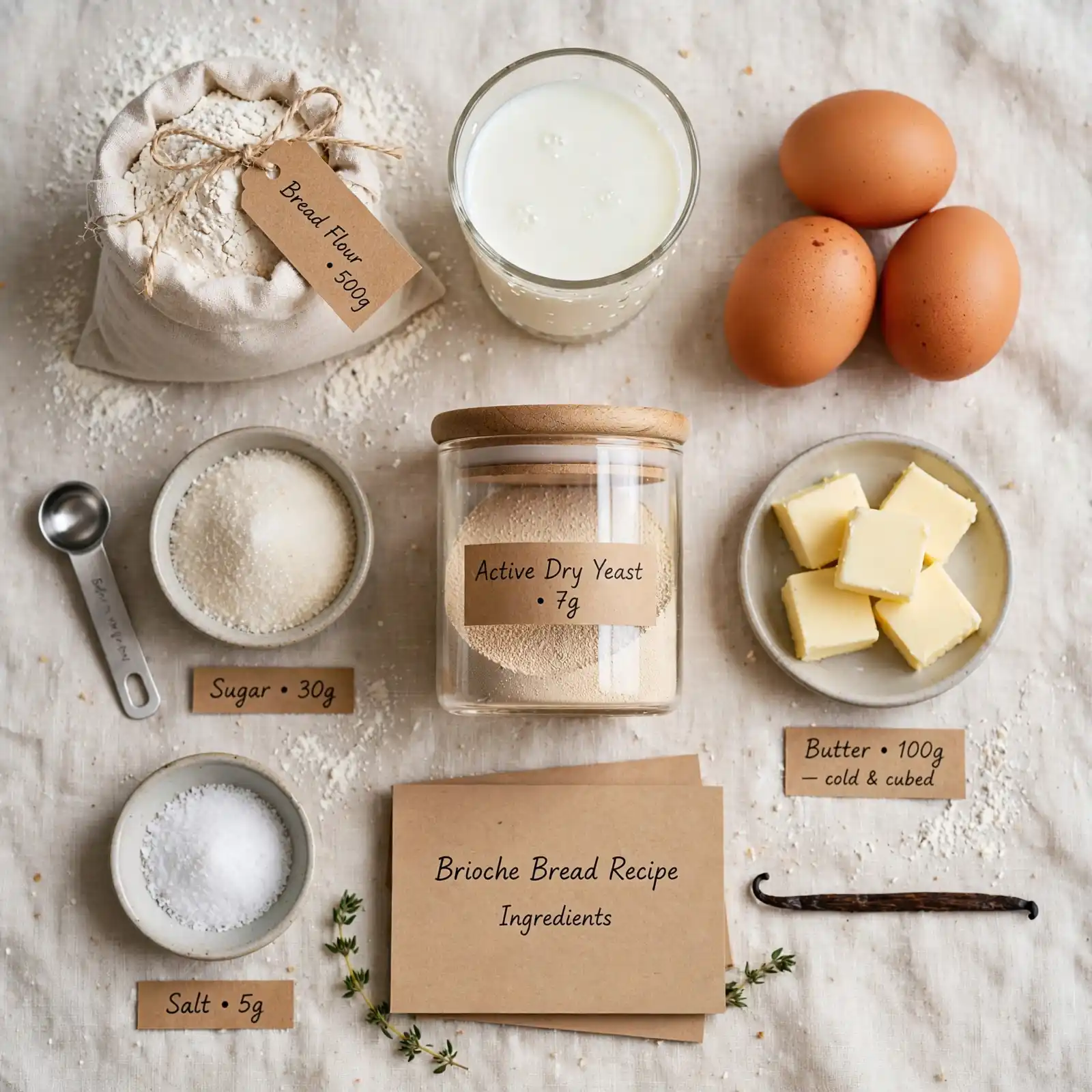
- 3 ½ cups (420g) bread flour (all-purpose works too, but bread flour gives better structure)
- 2 ¼ tsp (7g / 1 packet) active dry yeast
- 3 tbsp (38g) granulated sugar
- 1 tsp fine sea salt
- 4 large eggs, room temperature (cold eggs will shock the yeast — don’t skip this step)
- ¼ cup (60ml) whole milk, warmed to 110°F (warm but not hot — test it on your wrist)
- 1 tsp pure vanilla extract (pure, not imitation — the flavor difference is noticeable)
For the Butter Addition
- 1 cup (226g) unsalted butter, cut into 1-inch cubes, softened to room temperature (this is the magic — do not rush cold butter in)
For the Egg Wash
- 1 large egg
- 1 tbsp whole milk
The butter is what transforms ordinary dough into something extraordinary. Added slowly and methodically, it coats every strand of gluten and creates that signature melt-in-your-mouth texture that defines a truly great French brioche.
How to Make Brioche Bread Recipe — Step-by-Step
Step 1: Activate the Yeast
Combine the warm milk, yeast, and 1 teaspoon of the sugar in the bowl of your stand mixer. Stir gently and let it sit for 8–10 minutes until the surface looks foamy and fragrant — it should smell faintly yeasty and sweet. Don’t worry if it takes a minute longer on a cold day; just set it somewhere warm and let it do its thing.
Step 2: Build the Dough Base
Add the remaining sugar, salt, eggs, vanilla, and all the flour to the yeast mixture. Using the dough hook, mix on low speed for 2 minutes until the dough just comes together, then increase to medium speed and knead for 8 minutes. The dough will look shaggy at first — don’t worry if it seems too sticky at this stage, it’s supposed to be.
Step 3: Incorporate the Butter
With the mixer running on medium-low, add the softened butter one cube at a time, waiting about 20 seconds between each addition. This process takes 10–15 minutes and is the most important step in the entire recipe. The dough will look greasy and separated at points — keep going. By the end, it should be smooth, glossy, and pull away from the bowl sides cleanly.
Step 4: First Rise and Overnight Chill
Shape the dough into a ball, place it in a lightly greased bowl, and cover with plastic wrap. Let it rise at room temperature for 1 hour until slightly puffed, then transfer to the refrigerator for at least 8 hours or overnight. The cold rest firms the dough and develops flavor — this step is what separates a good brioche from a great one.
Step 5: Shape and Second Rise
Turn the chilled dough out onto a lightly floured surface. Divide into three equal portions, roll each into a log, and lay them side by side in a greased 9×5-inch loaf pan. Cover loosely with a clean towel and let rise at room temperature for 2–3 hours until the dough crowns about 1 inch above the pan rim and feels pillowy when gently pressed.
Step 6: Egg Wash and Bake
Preheat your oven to 375°F (190°C). Whisk together the egg and milk, then gently brush it over the top of the risen dough — try not to deflate the loaf. Bake for 30–35 minutes until the top is a deep, rich mahogany brown and the internal temperature reads 190°F. If the top is browning too quickly after 20 minutes, tent it loosely with foil. Don’t worry if the loaf looks dramatic coming out — that golden top is exactly right.
Step 7: Cool Before Slicing
Transfer the loaf to a wire rack and let it cool for at least 45 minutes before slicing. I know this is the hardest part. But cutting into warm brioche compresses the crumb, and you’ll lose that gorgeous, pillowy texture you worked so hard to create.
Perfecting This Recipe
- Butter temperature is everything. Too cold and it won’t incorporate. Too warm and the dough turns greasy and slack. Aim for butter that leaves an indent when you press it but holds its shape.
- Don’t rush the butter addition. Adding it too fast prevents proper emulsification. Slow and steady gives you that silky, elastic dough.
- The windowpane test tells you when you’re done kneading. Stretch a small piece of dough between your fingers — if it stretches thin enough to see light through without tearing, the gluten is properly developed.
- The overnight chill is not optional. It firms the dough for easier shaping and deepens the flavor significantly. A same-day bake is possible but the taste and texture won’t be quite the same.
- Use a thermometer. Brioche is rich enough that it can look done on the outside while still raw in the center. 190°F internal temperature is your reliable signal.
- Don’t skip the egg wash. It’s what gives brioche that gorgeous lacquered, deep-brown crust that makes people stop and stare.
Common Mistakes to Avoid
- Using cold butter — Cold butter tears the gluten strands instead of coating them. The dough will never come together properly, and you’ll end up with a greasy, dense loaf.
- Adding all the butter at once — Patience during this step is the whole game. Dumping butter in too fast breaks the dough’s structure entirely and creates a soupy mess that’s very hard to recover.
- Skipping the overnight rest — A short rise gives you bread that tastes of yeast and little else. The long cold ferment is where the flavor actually develops.
- Under-proofing the second rise — If the loaf doesn’t fully crown above the pan before baking, the crumb will be dense and tight. Give it the full 2–3 hours even if you’re eager.
- Slicing too soon — Steam inside a freshly baked loaf is still actively finishing the cooking process. Cutting it too early gives you gummy, compressed slices instead of that dreamy open crumb.
Add Your Touch
- Fold in mini chocolate chips or orange zest before shaping for a dessert-style twist
- Swap vanilla for almond extract for a nutty, bakery-style flavor
- Add a swirl of cinnamon sugar between the dough portions before placing in the pan
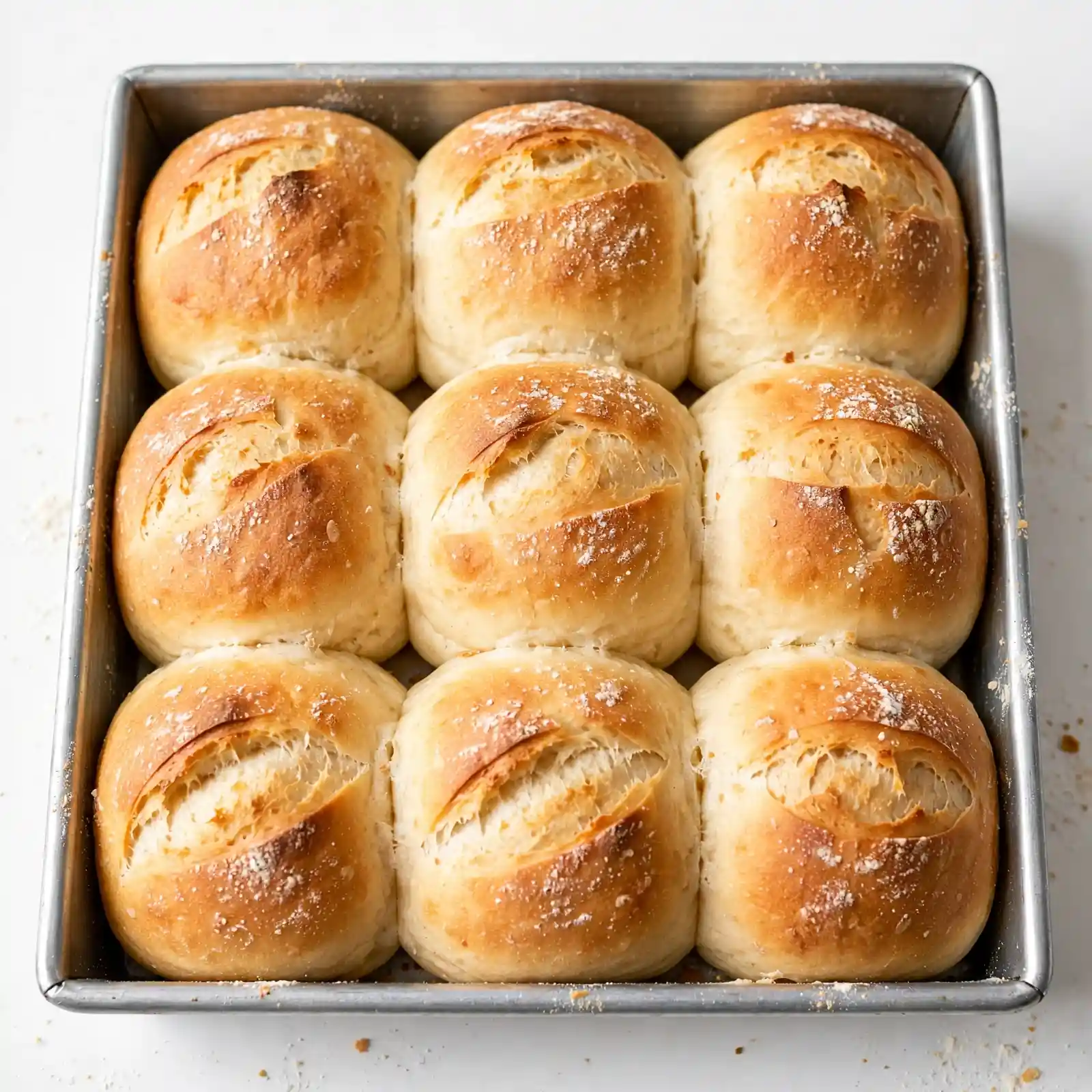
- Shape into individual brioche rolls for a dinner party presentation — reduce baking time to 18–22 minutes
- Top with pearl sugar before baking for a stunning visual and a delicate crunch
- Use the dough to make brioche buns for the most ridiculous burger you’ll ever eat
- For a savory version, skip the vanilla and sugar, and fold in gruyère and fresh thyme
Visit Also: Smoked Ribs
What to Serve With This
- Homemade strawberry jam and salted butter — the classic combination for a reason
- A soft-boiled egg and avocado on toasted brioche slices for a luxurious weekend brunch
- Thick-cut, custard-soaked for the best French toast you’ve ever made
- A bowl of creamy tomato soup — the richness of the bread plays beautifully against the acidity
- Sliced thin and layered with smoked salmon, cream cheese, and capers for an effortlessly elegant appetizer
Storing and Serving
Fridge:
Wrap the cooled loaf tightly in plastic wrap or store in an airtight container. It keeps well in the refrigerator for up to 5 days, though the crust will soften slightly overnight.
Freezer:
Slice the loaf before freezing for easiest use. Wrap individual slices or the whole loaf tightly in plastic wrap, then foil, and freeze for up to 3 months. The flavor holds up beautifully.
Reheating:
Individual slices can be toasted directly from frozen. For a whole loaf, wrap in foil and warm in a 300°F oven for 15–20 minutes until heated through. It comes back remarkably well.
Make-Ahead Tip:
The dough can be made up to 2 days ahead and kept in the refrigerator before shaping. Alternatively, the shaped, unbaked loaf can be refrigerated overnight after the second rise and baked cold the next morning — add 5–8 minutes to the baking time.
Servings:
One 9×5-inch loaf, approximately 10–12 generous slices.
Nutrition (Approximate Per Serving)
- Calories: 310
- Total Fat: 18g
- Saturated Fat: 11g
- Carbohydrates: 31g
- Sugar: 5g
- Protein: 7g
- Sodium: 220mg
Nutritional values are approximate and may vary based on specific ingredients and brands used.
Chef’s Helpful Tips
- Bring your eggs and milk to room temperature before starting. Cold dairy slows yeast activity and makes butter incorporation uneven — a few minutes on the counter makes a real difference.
- Measure your flour by weight, not volume. Brioche is sensitive to flour ratios. A kitchen scale gives you consistent results every single time — 420g beats “3 ½ cups” every time.
- To get clean, beautiful slices, use a serrated bread knife and a gentle sawing motion rather than pressing down. Wipe the blade between cuts for bakery-clean results.
- If your dough seems too sticky after kneading, resist adding more flour. Enriched bread dough is supposed to be tacky — the overnight chill firms it up to a workable consistency.
- If your loaf turns out denser than expected, the culprit is almost always under-proofing during the second rise, or butter that was too cold during incorporation. Both are easy to fix next time.
Frequently Asked Questions
Q1. Can I make this brioche bread recipe without a stand mixer?
You can, but be prepared for a serious arm workout — brioche dough requires extended kneading to develop the gluten before butter can be incorporated. Knead by hand for at least 15 minutes before starting the butter addition, adding one small piece at a time and working it in fully before the next. It’s very doable, just a labor of love.
Q2. Can I substitute the bread flour with all-purpose flour?
Yes, all-purpose flour works and gives you a slightly more tender, less chewy result. Bread flour creates a bit more structure and a more defined crumb, which many people prefer for a classic French brioche — but both versions are genuinely delicious.
Q3. Is this recipe beginner-friendly?
Absolutely. The steps are clear, and most of the work is done by the mixer and the refrigerator. The one thing that trips up beginners is rushing the process — if you give the dough the time it needs, it will reward you generously. Read through the full recipe once before starting, and you’ll feel completely confident.
Q4. Can I make this ahead for a brunch or gathering?
This is actually one of the best make-ahead baked goods you’ll find. Bake it the day before, cool completely, and wrap tightly. It slices beautifully the next morning and tastes just as good — some would say the flavor actually deepens overnight.
Q5. Can I freeze brioche dough before baking?
Yes. After the first rise and shaping, place the loaf in its pan, cover tightly, and freeze. When ready to bake, transfer to the fridge the night before to thaw, then let it complete its second rise at room temperature the next day before egg-washing and baking as normal.
Conclusion
There is a reason this brioche bread recipe has been made, shared, and passed down in home kitchens for generations. It is generous in every sense — generous with butter, generous with flavor, generous in the way it makes the people who eat it feel cared for. It is the kind of bread that turns an ordinary morning into a slow, lovely occasion.
Make it once and it becomes yours. Braid it, roll it into buns, swirl it with cinnamon, or eat it plain with nothing but good butter — however you choose to serve it, it will be exactly right. Share it with someone you love, and don’t be surprised when they ask you to make it again before the last slice is gone.
Pillowy Homemade Brioche Bread
Course: Trending Recipes10–12 slices
servings30
minutes30
minutes310 per serving
kcal8
hours2–3
hours11
hoursA golden, feather-soft loaf with a buttery, melt-in-your-mouth crumb — perfect for weekend brunches, French toast, or gifting to someone who deserves something truly special.
Ingredients
Dough:
3 ½ cups (420g) bread flour
2 ¼ tsp (7g) active dry yeast
3 tbsp (38g) granulated sugar
1 tsp fine sea salt
4 large eggs, room temperature
¼ cup (60ml) whole milk, warmed to 110°F
1 tsp pure vanilla extract
Butter Addition:
1 cup (226g) unsalted butter, softened, cut into 1-inch cubes
Egg Wash:
1 large egg
1 tbsp whole milk
Directions
- Combine warm milk, yeast, and 1 tsp sugar. Let sit 8–10 minutes until foamy.
- Add remaining sugar, salt, eggs, vanilla, and flour. Mix on low 2 minutes, then medium for 8 minutes.
- Add butter one cube at a time on medium-low speed, waiting 20 seconds between each piece. Continue until dough is smooth and glossy, about 10–15 minutes.
- Place dough in a greased bowl, cover, and rest at room temperature 1 hour. Refrigerate 8 hours or overnight.
- Divide chilled dough into three portions. Roll into logs and place side by side in a greased 9×5-inch loaf pan.
- Cover and let rise at room temperature 2–3 hours until dough crowns 1 inch above the pan.
- Preheat oven to 375°F (190°C). Brush loaf with egg wash.
- Bake 30–35 minutes until deep golden brown and internal temperature reads 190°F. Tent with foil if browning too quickly.
- Cool on a wire rack at least 45 minutes before slicing.