The Most Satisfying Chicken Chow Mein You’ll Ever Make at Home
My mom used to order Chinese takeout every Friday night, and I’d sit by the door waiting for that paper bag. The moment it landed on the table, I was already reaching for the noodles — specifically, the chow mein. Glossy, saucy, slightly crispy at the edges, tangled with tender chicken and vegetables. It was the dish I always saved room for, no matter what else came in that bag.
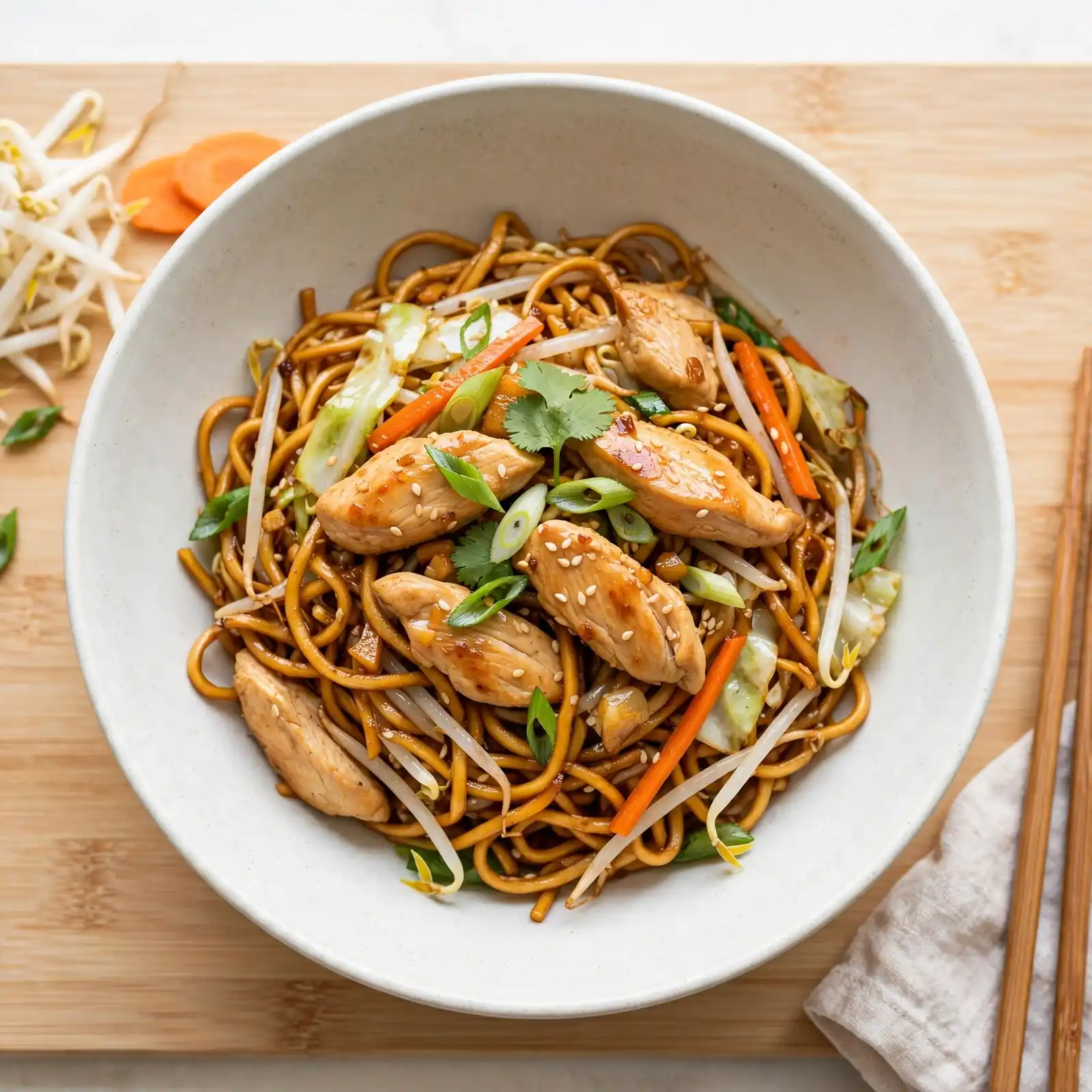
This Chicken Chow Mein has everything that made me love the original: silky noodles coated in a savory, slightly sweet sauce, soft bites of chicken, and vegetables that still have a little snap to them. The aroma alone — garlic and soy hitting a hot wok — is enough to bring the whole family into the kitchen before you’ve even plated anything.
Whether you’re putting together a fast weeknight dinner idea or feeding a table full of people at a casual gathering, this dish earns its place on any menu. It’s the kind of meal that disappears fast and gets requested even faster. If you’ve been hunting for the perfect Chinese takeout at home recipe, consider your search officially over.
Why You’ll Love This Recipe
It Tastes Like Real Takeout — Maybe Better
The sauce hits every note: salty, savory, a little sweet, and deeply umami. Combined with well-seasoned chicken and noodles that soak up every drop, this genuinely rivals your favorite restaurant version — and you control every ingredient.
The Texture Is Absolutely Perfect
You get soft, chewy noodles with slightly caramelized edges from the hot pan, tender chicken that stays juicy, and vegetables with just enough crunch to keep things interesting. It’s the contrast that makes every bite so satisfying.
It Comes Together in Under 30 Minutes
Once your ingredients are prepped, this dish moves fast. The actual cooking takes about 15 minutes, which makes it one of those rare dinners that feels impressive but barely takes any effort.
The Whole Family Will Go Back for Seconds
Kids love the noodles. Adults love the sauce. It’s mild enough for everyone but bold enough that it doesn’t feel bland. This is genuinely one of those crowd-pleasing recipes that gets made again and again.
You Can Customize It Endlessly
No cabbage? Use extra carrots. Want more heat? Add chili flakes. This recipe is a flexible base that works with whatever you have on hand, which makes it a true weeknight hero.
Ingredients
For the Chicken Marinade
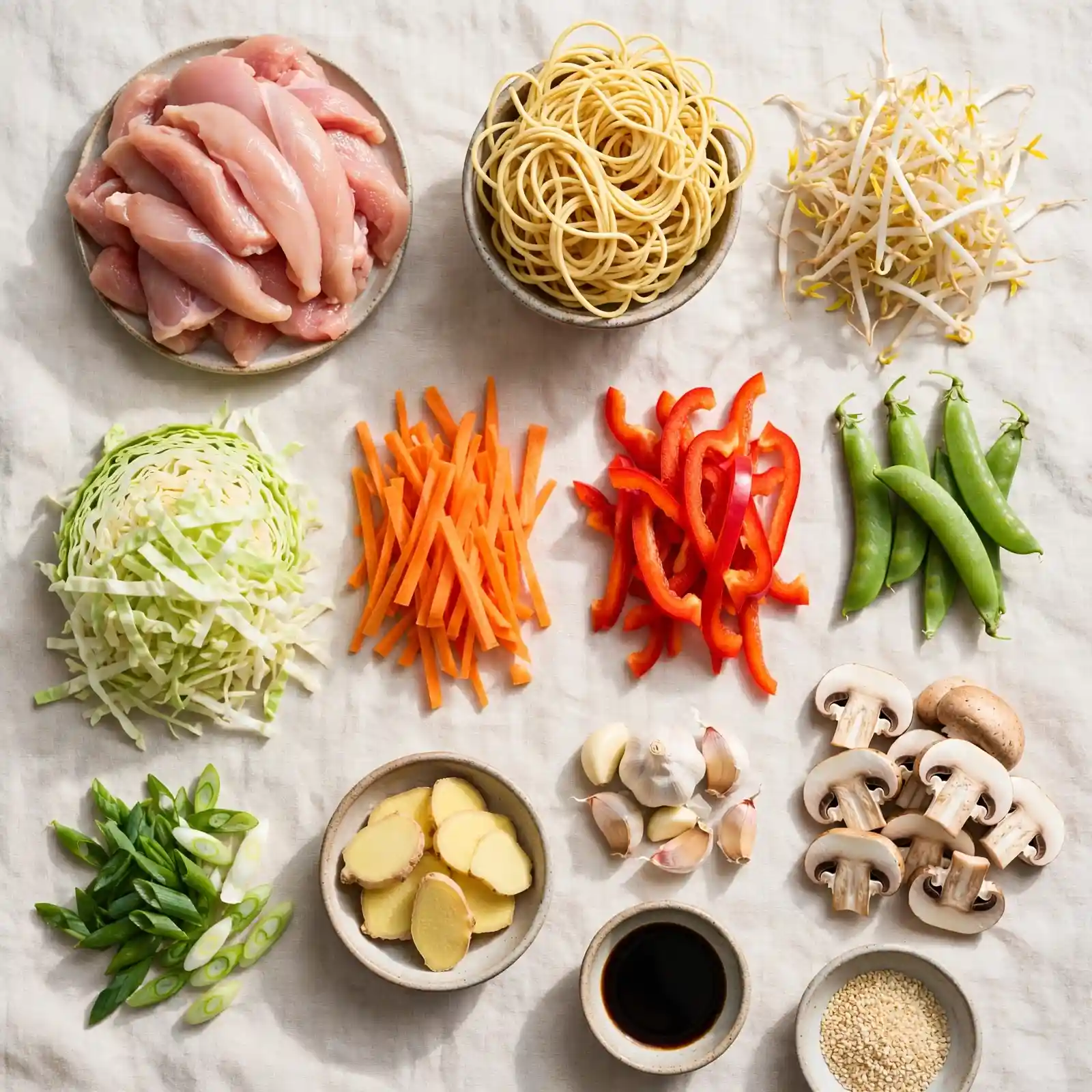
- 1 lb boneless, skinless chicken breast, thinly sliced against the grain
- 1 tbsp soy sauce (low-sodium works great here)
- 1 tsp sesame oil
- 1 tsp cornstarch (this keeps the chicken silky and tender)
- ½ tsp white pepper
For the Chow Mein Sauce
- 3 tbsp soy sauce
- 1 tbsp oyster sauce (adds deep, savory richness — don’t skip it)
- 1 tbsp dark soy sauce (for color and a slightly deeper flavor)
- 1 tsp sesame oil
- 1 tsp sugar
- 2 tsp cornstarch
- 3 tbsp water or chicken broth
For the Noodles and Stir Fry
- 12 oz fresh chow mein noodles (or dried noodles, cooked per package directions and drained well)
- 3 tbsp neutral oil, divided (vegetable or avocado oil)
- 4 cloves garlic, minced
- 1 cup shredded green cabbage
- 1 medium carrot, julienned
- 3 green onions, cut into 2-inch pieces (whites and greens separated)
- 1 cup bean sprouts (fresh, not canned — they hold their crunch better)
The sauce clings to every strand of noodle while the vegetables add color, crunch, and freshness that balances out the rich, savory base.
How to Make Chicken Chow Mein — Step-by-Step
Step 1: Marinate the Chicken
Add the sliced chicken to a bowl and toss with soy sauce, sesame oil, cornstarch, and white pepper. Mix until every piece is coated, then let it sit for at least 10 minutes while you prep everything else. The cornstarch creates a light protective coating — you’ll notice the chicken looks almost glossy. Don’t worry if it seems like too little marinade; it’s just enough to build flavor without overpowering the final dish.
Step 2: Mix the Sauce
Whisk together the soy sauce, oyster sauce, dark soy sauce, sesame oil, sugar, cornstarch, and water in a small bowl until the cornstarch dissolves completely. Set it right next to your stove — things move quickly once the wok is hot and you’ll want it within arm’s reach.
Step 3: Cook the Noodles
If using fresh chow mein noodles, loosen them with your fingers before cooking. Boil according to package directions, then drain and rinse briefly under cold water to stop the cooking. Toss them with a tiny drizzle of oil so they don’t clump while you finish the rest of the dish. Don’t worry if they stick together slightly — they’ll separate the moment they hit the hot pan.
Step 4: Sear the Chicken
Heat 2 tablespoons of oil in a large wok or skillet over high heat until it’s just starting to smoke. Add the marinated chicken in a single layer and let it sear undisturbed for about 60 seconds — you’re looking for golden edges and that satisfying sizzle. Toss and cook for another 2–3 minutes until cooked through. Remove the chicken and set aside. The pan should look beautifully golden and smell incredible.
Step 5: Stir Fry the Vegetables
In the same pan, add the remaining tablespoon of oil, then the white parts of the green onion and garlic. Stir constantly for about 30 seconds until fragrant — you’ll smell the garlic immediately. Add the cabbage and carrots and toss for 1–2 minutes over high heat. They should soften slightly but still hold a bit of crunch.
Step 6: Bring It All Together
Add the noodles to the pan and pour the sauce over everything. Toss using tongs or two forks, making sure every noodle gets coated. Return the chicken to the pan, add the bean sprouts and green onion tops, and toss for one final minute over high heat. The noodles should look glossy, deep, and slightly caramelized at the edges. Taste and adjust with a splash more soy sauce if needed, then serve immediately.
Perfecting This Recipe
- Prep everything before you turn on the heat. Stir fry noodles cook fast and there’s no time to chop mid-cook.
- Use the highest heat your stove allows. High heat is what gives wok-cooked noodles that slightly smoky, restaurant-style edge called “wok hei.”
- Don’t overcrowd the pan. If your pan is small, cook the chicken in batches rather than steaming it.
- Rinsing the noodles in cold water after boiling is non-negotiable — it stops the cooking and prevents a gluey, clumped mess.
- Let the noodles sit undisturbed in the hot pan for 30–45 seconds before tossing. This creates those slightly crispy edges that make the texture so dynamic.
- Taste before serving. Every soy sauce brand is different — a small splash more or a pinch of sugar can make a real difference.
Common Mistakes to Avoid
- Using wet noodles — If noodles are waterlogged when they hit the pan, they steam instead of fry, and you lose all that texture. Drain and rinse thoroughly, then pat dry or toss in a little oil.
- Crowding the chicken — Piling chicken into the pan drops the temperature and causes it to steam rather than sear. Work in batches if your pan isn’t large enough to keep pieces in a single layer.
- Low heat throughout — A medium flame won’t give you the caramelization or depth of flavor this dish needs. Get your pan genuinely hot before anything goes in.
- Skipping the marinade rest — Even 10 minutes makes a difference. The cornstarch tenderizes the chicken fibers, and skipping it means tougher, less flavorful bites.
- Adding the sauce too early — The sauce should go in when the noodles are already in the pan. Adding it to vegetables alone can cause it to thicken and clump before it has a chance to coat everything evenly.
Add Your Touch
- Swap chicken for shrimp, thinly sliced beef, or extra-firm tofu for an easy variation.
- Add a teaspoon of chili garlic sauce or a drizzle of sriracha if you like heat.
- Toss in mushrooms, baby bok choy, snap peas, or bell peppers for more vegetable variety.
- A fried egg on top, broken over the hot noodles, adds richness and a beautiful presentation.
- For a smokier depth, add a tiny splash of Shaoxing wine to the pan when you add the garlic.
- In autumn, thinly sliced butternut squash makes a surprisingly wonderful addition — it softens beautifully and adds a subtle sweetness.
Visit Also: Biscuits And Gravy Recipe
What to Serve With This
- Egg rolls or spring rolls — Classic pairing that rounds out the meal perfectly.
- Steamed jasmine rice — For those who want noodles and rice, which is absolutely valid.
- Hot and sour soup — The tangy, warming soup balances the richness of the noodles beautifully.
- Cucumber sesame salad — Cool, crisp, and refreshing as a contrast to the savory stir fry.
- A cold jasmine or oolong tea — Light and slightly floral, it cuts right through the soy and sesame richness.
Storing and Serving
Fridge:
Store leftovers in an airtight container for up to 3 days. The noodles will absorb more sauce as they sit, so they may be slightly less saucy the next day — that’s completely normal.
Freezer:
Chow mein can be frozen for up to 2 months, though the noodle texture softens after thawing. Freeze in a flat, sealed freezer bag and thaw overnight in the fridge before reheating.
Reheating:
Reheat in a skillet over medium-high heat with a small splash of water or broth to loosen the noodles. Microwave works in a pinch — cover loosely and heat in 90-second intervals, stirring in between.
Make-Ahead Tip:
You can marinate the chicken up to 24 hours in advance and mix the sauce the night before. Store both separately in the fridge and the actual cooking will take under 15 minutes when you’re ready to serve.
Servings:
This recipe yields 4 generous servings as a main dish, or 6 servings as part of a larger spread.
Nutrition (Approximate Per Serving)
- Calories: 485
- Total Fat: 14g
- Saturated Fat: 2g
- Carbohydrates: 58g
- Sugar: 6g
- Protein: 32g
- Sodium: 890mg
Nutritional values are approximate and may vary based on specific ingredients and brands used.
Chef’s Helpful Tips
- Slice the chicken as thinly as possible — about ¼ inch — and always cut against the grain. This makes an enormous difference in tenderness.
- Room temperature chicken sears more evenly than cold-from-the-fridge pieces. Take it out 15 minutes before cooking.
- If your noodles are too sticky even after rinsing, toss them in a teaspoon of oil right after draining. Problem solved.
- Dark soy sauce is what gives Chicken Chow Mein that beautiful deep mahogany color. If you only have regular soy sauce, the flavor is still great — just a little lighter in color.
- If the finished dish tastes flat, a few drops more of sesame oil stirred in at the very end often fixes it immediately. It adds aroma and richness that pulls everything together.
Frequently Asked Questions
Q1. Can I use dried noodles instead of fresh chow mein noodles?
Absolutely — dried chow mein noodles, lo mein noodles, or even spaghetti work well as substitutes. Just cook them until barely al dente, rinse under cold water, toss with a little oil, and they’re ready to go. The texture will be slightly different from fresh, but still delicious.
Q2. What does Chicken Chow Mein taste like compared to lo mein?
They’re close cousins, but chow mein has slightly crispier noodles and a more pronounced savory depth from the high-heat cooking method. Lo mein tends to be saucier and softer. Think of chow mein as the version with a little more texture and wok flavor.
Q3. Is this recipe beginner-friendly?
Yes — as long as you prep everything before you start cooking. The actual technique is straightforward, and the sauce is very forgiving. If you can toss food in a hot pan and taste as you go, you can absolutely nail this recipe.
Q4. Can I make this ahead for a potluck?
It’s best fresh from the pan, but it travels and reheats well. Cook it, let it cool to room temperature, then transfer to a container. Reheat in a skillet with a splash of water and it’ll come back to life beautifully. It’s a reliable, crowd-loving dish for any gathering.
Q5. Can I freeze the leftovers?
You can, though the noodle texture softens a little after freezing and thawing. It’ll still taste wonderful — just not quite as chewy as day one. For best results, freeze within 24 hours of cooking and consume within 2 months.
Conclusion
There’s a reason Chicken Chow Mein has been a takeout staple for decades — it’s deeply satisfying in a way that very few dishes manage to be. It’s warm, savory, a little bit saucy, and built around noodles, which means it immediately feels like comfort. Making it at home doesn’t just save you the delivery wait; it gives you the control to season it exactly the way you love it, pile in your favorite vegetables, and serve it hot from the pan at its absolute best.
So the next time that takeout craving hits, I hope you reach for this recipe instead. Make it on a Tuesday just because you feel like it. Serve it at your next dinner party. Pass it off as your signature dish, because honestly? After one batch, it will be. And if you do make it, I’d love to know how it went — drop a comment below and tell me how you made it your own.
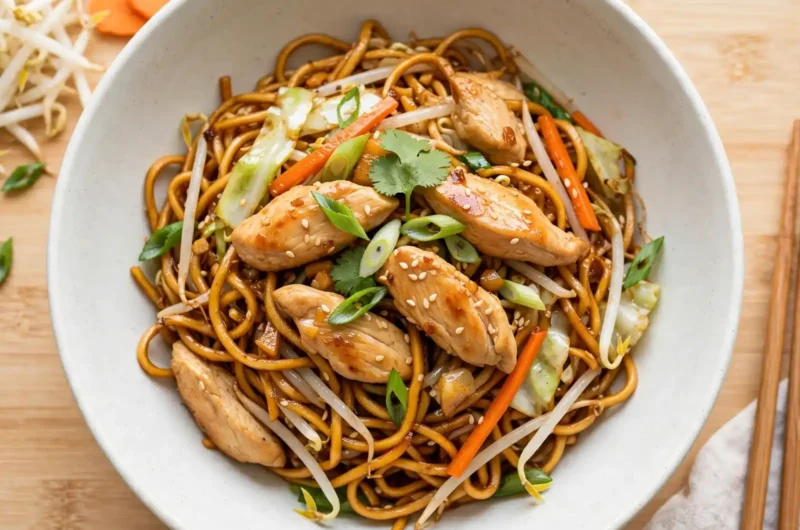
Chicken Chow Mein
Course: Trending Recipes4
servings15
minutes15
minutes485 per serving
kcal10
minutes40
minutesSavory, saucy, and loaded with tender chicken and crisp vegetables, this better-than-takeout Chicken Chow Mein comes together in under 30 minutes and is guaranteed to become a regular weeknight favorite.
Ingredients
Chicken Marinade:
1 lb chicken breast, thinly sliced
1 tbsp soy sauce
1 tsp sesame oil
1 tsp cornstarch
½ tsp white pepper
Chow Mein Sauce:
3 tbsp soy sauce
1 tbsp oyster sauce
1 tbsp dark soy sauce
1 tsp sesame oil
1 tsp sugar
2 tsp cornstarch
3 tbsp water or chicken broth
Noodles and Stir Fry:
12 oz fresh chow mein noodles
3 tbsp neutral oil, divided
4 cloves garlic, minced
1 cup shredded green cabbage
1 medium carrot, julienned
3 green onions, cut into 2-inch pieces
1 cup bean sprouts
Directions
- Toss chicken with marinade ingredients. Let rest 10 minutes.
- Whisk all sauce ingredients together in a small bowl. Set aside.
- Cook noodles per package directions. Drain, rinse under cold water, and toss with a little oil.
- Heat 2 tbsp oil in a wok over high heat. Sear chicken until golden and cooked through, about 3–4 minutes. Remove and set aside.
- Add remaining oil, white onion parts, and garlic to the pan. Stir 30 seconds. Add cabbage and carrot; toss 1–2 minutes.
- Add noodles, pour sauce over top, and toss to coat. Return chicken to the pan. Add bean sprouts and green onion tops. Toss over high heat for 1 final minute. Serve immediately.